Website icon Xpert.Digital

Cold chain chaos: How market fragmentation threatens food and pharmaceutical safety (and what we can do about it)

Cold chain chaos: How market fragmentation threatens food and pharmaceutical safety (and what we can do about it)

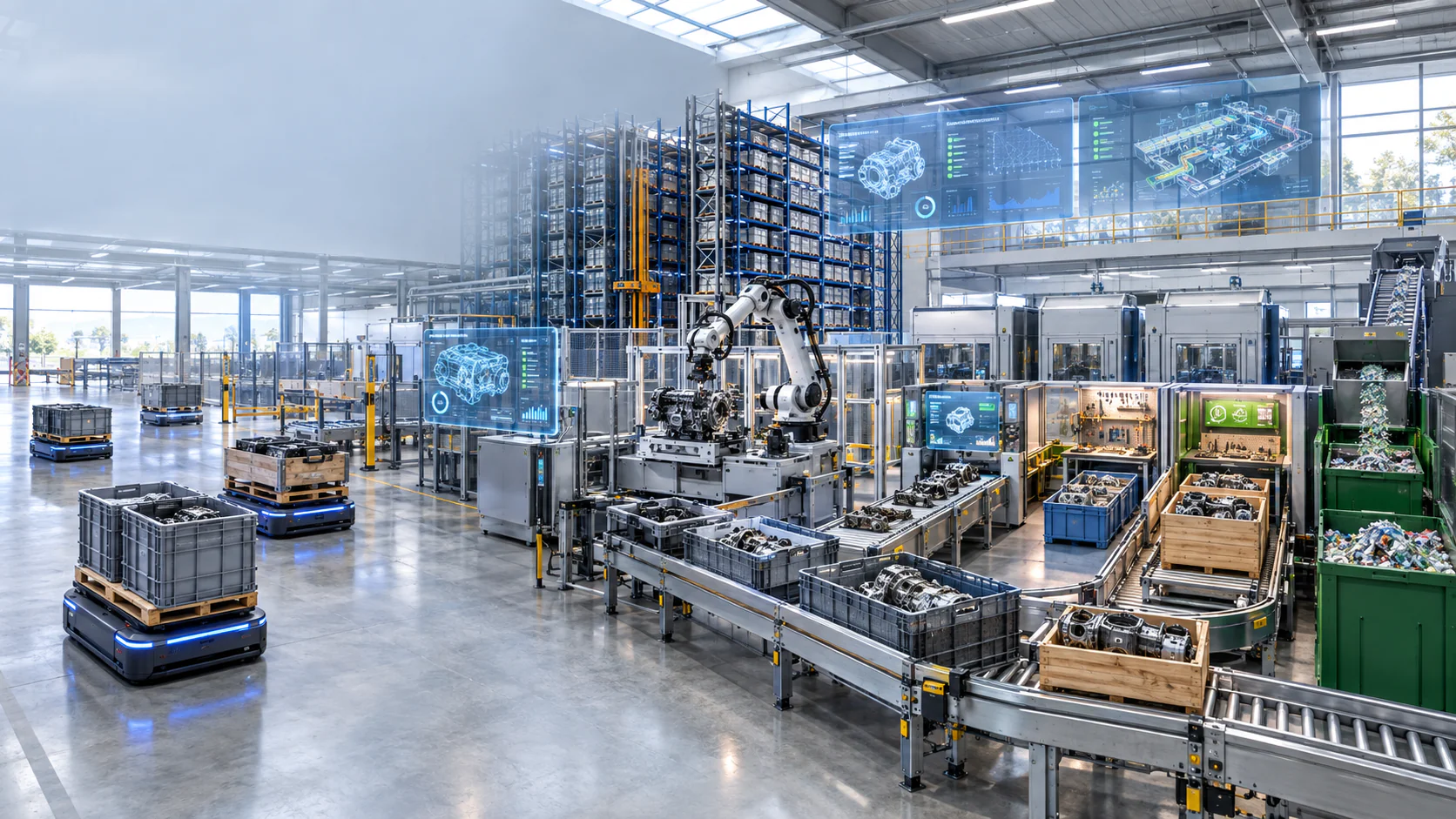
Cold chain chaos: How market fragmentation jeopardizes food and pharmaceutical safety (and what we can do about it) – Image: Xpert.Digital

How market fragmentation slows down the cold chain – solutions and perspectives

A chilling challenge: Market fragmentation and its impact on supply chains

Market fragmentation represents one of the key challenges for optimizing the cold chain in many regions. It causes inefficiencies, unequal technological standards, and increased competitive pressure, which in turn significantly impairs the safety and efficiency of temperature-controlled supply chains.

Challenges posed by market fragmentation

1. Resource inequality among SMEs

Small and medium-sized enterprises (SMEs) dominate the cold chain logistics sector in many countries. Particularly in Italy, many of these companies utilize outdated infrastructure and lack the financial resources to invest in smart cooling technologies or digitalization. This leads to significant quality variations within the supply chain.

2. Competitive pressure and investment gaps

In the United Arab Emirates (UAE), local suppliers compete directly with multinational corporations, leading to unequal market conditions. Regional companies often cannot keep pace with the extensive investments made in modern warehouse infrastructure or sophisticated temperature control systems.

3. Technological fragmentation

In China, the lack of compatibility between proprietary systems poses a major problem. Differing monitoring solutions hinder the integration of cold chain systems. Currently, only 51% of agricultural products in China are transported via refrigerated transport, resulting in significant food losses.

Strategies for overcoming fragmentation

Strategies for overcoming fragmentation encompass various approaches, each achieving specific effects: For example, through cooperation, Italian SMEs form alliances with technology providers, enabling economies of scale and joint research and development. Government support, such as China's subsidies for modern cold chain technologies, allows smaller companies to invest in high-tech solutions. Technological integration, such as the development of the Lynx platform by Carrier and AWS, standardizes data flows and reduces transport losses by 15–20%.

Technological innovations such as blockchain (Spain) and automated cold storage facilities (DAIFUKU) contribute to increased transparency and more precise temperature monitoring. Regulatory initiatives in Europe and North America are also driving the standardization of cold chain logistics.

Nevertheless, the limited scalability of many local solutions remains a problem, particularly in Africa, where infrastructure is especially underdeveloped. In the long term, the successful optimization of the cold chain depends on whether fragmented markets can be unified through industry-wide cooperation and interoperable technologies.

Suitable for:

Impact of market fragmentation on the cold chain

1. Logistical inefficiencies

  • Extended transport times: In China, 23% of agricultural products lose their temperature stability because they have to be frequently transshipped.
  • Energy waste: In Italy, 68% of SMEs use outdated refrigerated trucks with 30-40% higher energy consumption than modern systems.

2. Technological inconsistencies

  • Incompatible monitoring systems: Proprietary IoT solutions hinder real-time optimizations.
  • Lack of automation: Only 12% of African cold chain logistics providers use automated warehouses, which often leads to temperature fluctuations.

3. Economic scaling barriers

  • Lack of investment power: Small providers can only raise 15–20% of the costs for predictive maintenance or blockchain tracking.
  • Fragmented demand: In Brazil, more than 80 regional refrigeration providers serve local markets, resulting in unused cold storage space.

4. Safety and quality risks

  • Temperature deviations: Studies show that fragmented supply chains are up to 4.7 times more likely to exceed critical temperature limits.
  • Documentation gaps: Inconsistent protocols lead to faulty HACCP documentation in cross-border transports.

Cumulative effects

These factors reduce the efficiency of the cold chain by 18–25%. However, cloud-based platforms like Lynx Digital Hub can increase the efficiency of fragmented networks by up to 30%.

Successful strategies in fragmented markets

1. Niche focus and differentiation

  • Segmented target group approach: Targeted strategies for specific customer segments.
  • Product differentiation: Specialized solutions for pharmaceutical cold chain logistics.
  • Quality leadership: Premiumization of certain segments such as organic food.

Suitable for:

2. Technological Integration

Technological integration in the cold chain offers numerous advantages. IoT sensors enable real-time temperature monitoring in logistics, reducing losses by 15–20%. AI-powered CRM systems improve personalized customer forecasts and increase conversion rates by 30%. Furthermore, blockchain technology creates transparent supply chains, allowing for premium pricing with an 18% increase.

3. Cooperation models

  • Buy & Build strategies: Integration of smaller companies to increase economies of scale.
  • Technology partnerships: Cooperation with cloud providers to reduce investment costs.
  • Industry alliances: Sharing cold storage facilities reduces fixed costs by up to 40%.

4. Agile Cost Leadership

  • Decentralized production: Micro-factories reduce storage costs.
  • Dynamic Pricing: Real-time price optimization increases utilization by 25%.
  • Energy efficiency programs: Switching to solar-powered cold storage facilities sustainably reduces operating costs.

5. Regulatory Design

  • Lobbying for standards: Uniform IoT protocols in EU cold chain logistics.
  • Subsidy programs: Funding for sustainable cold storage technologies.
  • Certification systems: Sustainability labels to increase consumer acceptance.

Digital technologies can help reduce the fragmentation of the cold chain by increasing transparency, minimizing inefficiencies, and enabling economies of scale. Companies that adapt flexibly will benefit from these developments in the long term.


Xpert partner in warehouse planning and construction


The breaking point of the cold chain: Market fragmentation as a key challenge for efficiency and safety - background analysis

The cold chain: The invisible backbone of the global economy – challenges in focus

The cold chain, an invisible yet essential nervous system of the modern global economy, ensures the quality and safety of temperature-sensitive goods – from fresh food and life-saving medicines to chemical and electronic components. However, this complex, globally interconnected infrastructure faces a profound challenge in many regions and industries: market fragmentation. This structural fragmentation, characterized by a multitude of small and medium-sized enterprises (SMEs), diverging technological standards, and intense competitive pressure, undermines the efficiency, reliability, and ultimately the safety of the entire temperature-controlled supply chain.

Market fragmentation does not manifest itself as a singular problem, but rather as a complex web of structural, technological, and economic barriers. This fragmentation of the market leads to a series of inefficiencies that run like a common thread through the entire cold chain, significantly impairing its performance and resilience.

The multifaceted challenges of market fragmentation in detail

The fragmentation of the cold chain market is a multifaceted phenomenon whose effects are felt in various areas of logistics and the economy. To understand the full extent of the problem, it is essential to examine the key challenges in more detail:

1. Resource inequality and the dominance of SMEs: The Italian Paradox

In many regions, particularly in Europe, cold chain logistics is heavily dominated by small and medium-sized enterprises (SMEs). Italy serves as a prime example. Although Italy is a significant economic power and a major player in global trade, its cold chain logistics sector is characterized by a high number of SMEs. These companies, often family businesses with long traditions, possess valuable know-how and local expertise, but frequently struggle with outdated infrastructure and limited financial resources.

The consequences of this resource inequality are severe: Italian SMEs are often unable to invest in modern "smart cooling" technologies, digital monitoring systems, or energy-efficient transport. This leads to significant quality disparities within the supply chain. While large, globally operating logistics companies utilize state-of-the-art technologies and standardized processes, many Italian SMEs rely on older, less efficient methods. This technological gap not only results in higher operating costs and lower energy efficiency but also an increased risk of temperature fluctuations and product losses. The fragmentation of the Italian market thus manifests itself in a two-tier system of cold chain logistics, where efficiency and quality depend heavily on the size and financial resources of individual players.

2. Competitive pressure and investment gaps: The unequal playing field of the UAE

Another multifaceted example of the challenges of market fragmentation can be found in the United Arab Emirates (UAE). The UAE, a dynamic economic region and a key hub in global trade, is characterized by intense competition in the cold chain logistics sector. Here, local providers compete with multinational corporations for market share. While this competition is generally positive, it leads to unequal conditions in a fragmented market.

Multinational corporations possess immense financial resources, global networks, and cutting-edge technologies. They can invest heavily in warehouse infrastructure, advanced temperature control systems, and comprehensive IT solutions. Regional companies in the UAE, often SMEs or mid-sized enterprises, simply cannot match these investments. They face the challenge of competing without the same financial and technological resources. This investment gap often forces regional providers to compromise on the quality of their services, the modernity of their infrastructure, or the energy efficiency of their systems. Paradoxically, competitive pressure in a fragmented market can thus hinder innovation and progress, pushing smaller players into a disadvantageous position and making it difficult to develop a homogeneous, high-quality cold chain infrastructure.

3. Technological fragmentation and proprietary systems: China's integration dilemma

China, the world's most populous nation and a global economic power, faces unique challenges in cold chain logistics, largely driven by technological fragmentation. While China has made tremendous strides in modernizing its logistics infrastructure over the past few decades, proprietary systems and a lack of compatibility between different monitoring solutions hinder seamless cold chain integration.

China boasts a multitude of cold chain technology providers, ranging from sensors and monitoring systems to software platforms and data analytics tools. However, many of these providers develop and implement proprietary systems that are incompatible with one another. This technological fragmentation leads to "data islands," where valuable information about the temperature, location, and condition of goods along the supply chain remains isolated and cannot be used across the entire chain. This lack of interoperability hinders the creation of a comprehensive, transparent monitoring system that covers the entire cold chain from beginning to end.

The consequence of this technological fragmentation is significant inefficiency. Real-time optimizations based on the analysis of comprehensive data streams are blocked. Product traceability is hampered, and the risk of temperature fluctuations and product losses increases. An alarming example of the impact of this inefficiency is the fact that, in China, it is estimated that only about 51% of agricultural products are transported via refrigerated transport. This leads to substantial food losses and compromises the quality and safety of the food supply. Technological fragmentation in China underscores that technological innovation alone is insufficient to ensure an efficient cold chain. Interoperability, standardization, and unified protocols are equally crucial to fully leverage the benefits of modern technologies and promote cold chain integration.

Suitable for:

Strategies for overcoming fragmentation: Pathways to an integrated cold chain

Given the complex challenges of market fragmentation, innovative and comprehensive strategies are needed to optimize the cold chain and ensure its efficiency and safety. Fortunately, promising approaches exist which, if consistently implemented, have the potential to overcome fragmentation and create an integrated, resilient cold chain.

1. Cooperations and alliances: Stronger together in competition

In fragmented markets dominated by SMEs, cooperation and alliances play a crucial role. Italian SMEs that form alliances with technology providers impressively demonstrate the advantages of this approach. By pooling their resources and know-how, SMEs can achieve economies of scale that would be unattainable individually. Joint research and development (R&D) enables them to invest in innovative technologies and modernize more quickly. These collaborations can take various forms, from strategic partnerships and joint ventures to industry consortia and cooperatives. The key to success lies in the willingness to collaborate, share knowledge, and leverage resources to compensate for individual weaknesses and maximize collective strength.

2. Government funding and incentives: The state as a catalyst for innovation

Government support and targeted incentives are essential to driving the modernization of the cold chain, particularly in fragmented markets. China's subsidies for cold chain equipment and energy efficiency standards serve as an exemplary model. Through financial support and clear guidelines, the Chinese government encourages companies to invest in advanced technologies and implement energy-efficient practices. This government intervention is especially important for SMEs, which often lack the financial resources to shoulder the initial investment costs of high technology. Government support can take the form of direct subsidies, tax breaks, low-interest loans, or funding programs for research and development. Furthermore, government initiatives for standardization and regulation play a crucial role in establishing uniform quality standards and creating a level playing field. The government can thus act as a catalyst for innovation and modernization, accelerating the transformation of the cold chain toward greater efficiency and sustainability.

3. Technological integration and digital platforms: Lynx as a pioneer of networking

Technological integration, particularly through digital platforms and the Internet of Things (IoT), is another key to overcoming market fragmentation. The development of the Lynx platform by Carrier and AWS is a prime example of this approach. Lynx is a cloud-based platform that combines IoT sensors, real-time analytics, and artificial intelligence (AI) to enable comprehensive monitoring and control of the cold chain. By unifying data streams from various sources and providing real-time information to all stakeholders along the supply chain, Lynx significantly contributes to reducing transport losses and increasing efficiency. Estimates suggest that the use of such platforms can reduce transport losses by 15–20%. However, technological integration goes beyond individual platforms. It includes the implementation of open standards and protocols that ensure interoperability between different systems and providers. Only through comprehensive networking and data exchange can the benefits of digital technologies be fully realized and cold chain fragmentation sustainably overcome.

Digital solutions as bridge builders in fragmented networks

Digital solutions like blockchain and automated cold storage are more than just technological advancements; they are bridges in fragmented networks. Blockchain technology, as used in Spain, for example, raises transparency and traceability in the cold chain to unprecedented levels. By creating an immutable, decentralized record of all transactions and events along the supply chain, blockchain enables seamless product tracking and strengthens consumer trust. Automated cold storage facilities, such as those developed by companies like DAIFUKU, are revolutionizing cold chain warehousing. By using robotics, sensors, and intelligent software, they enable precise temperature monitoring, optimized inventory management, and minimize manual intervention, thereby reducing the risk of errors and temperature fluctuations. These digital solutions, along with other innovations like AI-powered route planning and predictive maintenance, significantly contribute to improving the efficiency and resilience of fragmented cold chains.

Regulatory initiatives as drivers of standardization

Alongside technological innovations, regulatory initiatives play a crucial role in standardizing and harmonizing the cold chain. In Europe and North America, requirements for food safety and CO₂ reduction in cold chain logistics are driving the development of uniform standards and practices. These regulatory frameworks incentivize companies to invest in modern technologies, implement energy-efficient processes, and increase the transparency of their supply chains. Examples of such initiatives include the EU Food Safety Regulation, HACCP (Hazard Analysis and Critical Control Points) guidelines, and increasingly stringent environmental regulations aimed at reducing greenhouse gas emissions. Regulatory initiatives are not only essential for ensuring compliance with minimum standards but also foster innovation and competition by establishing a level playing field for all stakeholders and promoting the development of a sustainable, safe, and efficient cold chain.

The challenge of scalability and the global perspective

Despite promising progress and the positive impact of digital solutions and regulatory initiatives, the lack of scalability of locally limited solutions remains a problem, particularly in regions with significant infrastructure gaps, such as Africa. Many of the solutions developed and implemented so far are tailored to specific regions or industries and cannot be easily transferred to other contexts. In Africa, where infrastructure is often inadequate, cooling capacity is limited, and energy costs are high, the challenges are particularly acute. Here, customized solutions are needed that take local conditions into account and are tailored to the specific needs of African markets. In the long term, the successful optimization of the cold chain will depend on not only unifying fragmented markets through industry-wide cooperation and interoperable technologies, but also on developing scalable solutions that can be deployed globally and address the specific challenges of different regions.

Suitable for:

Market fragmentation as an efficiency brake: Logistical, technological, and economic barriers

Market fragmentation acts as an efficiency brake on the cold chain. It manifests itself in structural, technological, and economic barriers that appear in various key areas and impair the performance of the entire supply chain. These barriers cannot be considered in isolation but interact and reinforce each other, creating a complex web of inefficiencies.

1. Logistical inefficiencies: Extended transport times and energy waste

In fragmented regional markets characterized by numerous small players, logistical inefficiencies are inevitable. Frequent transshipments between uncoordinated cold zones are the rule, not the exception. These transshipments not only significantly increase transit times but also raise the risk of temperature fluctuations and product damage. In China, for example, an estimated 23% of agricultural products lose their cold-conditioning during transport due to inefficiencies in the cold chain. These losses are not only economically damaging but also have significant implications for food safety and sustainability.

Another serious problem of logistical inefficiency is energy waste. In Italy, where SMEs dominate cold chain logistics, an estimated 68% of SMEs use outdated refrigerated trucks. These older systems consume 30–40% more energy than modern, energy-efficient refrigerated trucks. Energy waste in fragmented cold chains is not only an environmental problem but also a significant cost factor for companies. Higher energy costs reduce profitability and competitiveness, especially for SMEs that are already struggling with limited resources.

2. Technological inconsistencies: Incompatible systems and lack of automation

Technological fragmentation, already identified as a key challenge, also leads to significant inconsistencies within the cold chain. Incompatible monitoring systems, such as those created by proprietary IoT solutions from different vendors (e.g., Carrier vs. Daikin), are a typical example. These systems generate isolated data that cannot be exchanged. The result is "data silos" that block real-time optimization and comprehensive analysis. This lack of interoperability prevents the creation of a seamless, transparent monitoring system that covers the entire cold chain and enables data-driven decision-making.

Another problem of technological inconsistency is the lack of automation, particularly in developing countries. In Africa, for example, it is estimated that only about 12% of cold chain logistics providers use automated warehouses. This limited adoption of automation leads to a high need for manual intervention, which increases the potential for errors and raises the risk of temperature fluctuations and product damage. Automated warehouses and transport systems, on the other hand, enable more precise temperature control, more efficient inventory management, and a reduction in labor costs. Technological inconsistency in fragmented markets thus hinders progress toward a more efficient, reliable, and sustainable cold chain.

3. Economic barriers to scaling: Lack of investment power and fragmented demand

Market fragmentation also creates significant economic barriers to scaling, which particularly limit the competitiveness of SMEs. A lack of investment power is a key problem. Small providers in fragmented markets, such as in the UAE, can often only afford a fraction of the costs for modern technologies like predictive maintenance or blockchain-based tracking used by large, multinational corporations. This investment gap causes SMEs to lag behind technologically and reduces their competitiveness compared to larger players.

Another economic problem is fragmented demand. In Brazil, for example, over 80 regional cold chain logistics providers serve local markets. This fragmentation of demand leads to inefficient transport routes, empty runs (estimated at 38% of transport capacity), and unused cold storage space. The low utilization of resources drives up the cost per unit and reduces profitability. The economic barriers to scaling in fragmented markets thus prevent the realization of efficiency gains and the optimization of the cold chain as a whole.

4. Quality and safety risks: temperature deviations and documentation gaps

The cumulative effects of logistical, technological, and economic barriers ultimately manifest as increased quality and safety risks. Temperature deviations are a particularly serious problem. Spanish studies show that fragmented supply chains exceed critical temperature limits 4.7 times more frequently than integrated systems. These temperature exceedances can compromise the quality and shelf life of food, reduce the effectiveness of pharmaceuticals, or even lead to health risks. The increased likelihood of temperature deviations in fragmented cold chains thus jeopardizes product safety and quality and undermines consumer confidence.

Another quality and safety risk is gaps in documentation. In Southeast Asia, for example, inconsistent protocols and a lack of standardization lead to an estimated 27% of HACCP documentation being incorrect in cross-border refrigerated transport. Incomplete or incorrect documentation makes it difficult to trace products, comply with legal regulations, and respond effectively to potential safety incidents. Documentation gaps in fragmented cold chains thus increase the risk of quality problems, recalls, and legal consequences.

Cumulative effects and the potential of digital integration

The cumulative effects of these logistical, technological, economic, and security-related factors lead to a significant reduction in the overall efficiency of the cold chain in fragmented markets. An EU estimate from 2024 quantifies this efficiency loss at 18–25%, measured by energy consumption, product losses, and delivery times. This substantial efficiency loss underscores the urgency of overcoming market fragmentation and optimizing the cold chain.

However, solutions like Carrier and AWS's Lynx Digital Hub impressively demonstrate that cloud-based integration has the potential to significantly increase the efficiency of fragmented networks. By unifying data streams, providing real-time information, and using AI-powered analytics, digital platforms can improve the efficiency of fragmented cold chains by up to 30%. These promising results show that technological innovation and digital integration are key strategies for addressing the challenges of market fragmentation and creating a more efficient, secure, and sustainable cold chain for the future.

Suitable for:

Strategies for greater competitiveness in fragmented markets

Increasing competitiveness in fragmented markets requires tailored strategies that specifically address challenges such as resource inequality, technological fragmentation, and limited economies of scale. Based on the approaches analyzed so far, critical strategies can be identified that can help companies maintain their position and grow successfully in fragmented markets.

1. Niche focus and differentiation: The art of standing out

In fragmented markets, where competition is often intense and price pressure is high, niche focus and differentiation are essential strategies. Segmented targeting, with its development of targeted marketing strategies for clearly defined customer segments, can increase brand loyalty and strengthen customer retention. Examples include fast-casual dining in the restaurant industry or sustainable fashion in retail. By focusing on the specific needs and preferences of particular customer groups, companies can use their marketing budgets more efficiently and build stronger customer relationships.

Product differentiation, or specialization in unmet needs, is another important strategy. Carrier, for example, has made a name for itself with IoT-based cold chain logistics solutions for pharmaceutical supply chains. By concentrating on a specific niche with high demands and specialized needs, Carrier was able to achieve a leading position in this segment and stand out from generic providers.

Quality leadership, or premiumization in specific market segments, is a third differentiation strategy. Examples include organic food and luxury electric vehicles. By focusing on the highest quality and exclusivity, companies can achieve higher margins, even with a limited target audience. Quality leadership allows companies to resist price pressure and build a loyal customer base willing to pay a premium for superior products and services.

2. Technological Integration: Digital Tools for Competitive Advantages

Technological integration is not only a response to fragmentation but also a source of competitive advantage. The use of IoT sensors for real-time temperature monitoring in logistics reduces product losses by 15–20%. This reduction in losses not only leads to cost savings but also improves product quality and safety, strengthening customer trust.

AI-powered CRM (Customer Relationship Management) systems enable personalized customer forecasts in e-commerce and increase conversion rates by up to 30%. By analyzing customer data and predicting customer needs, companies can optimize their marketing activities, create personalized offers, and increase customer satisfaction.

Blockchain technology creates transparent supply chains in the food industry, enabling premium prices of up to 18% higher. The increased transparency and traceability offered by blockchain strengthens consumer trust in product quality and safety, allowing companies to differentiate themselves from the competition and command premium prices. Technological integration is therefore a strategic lever for generating competitive advantages, increasing efficiency, and strengthening customer loyalty.

3. Cooperation models: Working together for success

Cooperation models play a crucial role in competitiveness in fragmented markets. Buy-and-build strategies, in which larger companies acquire smaller players to create critical mass, are widespread among German SMEs. Through acquisitions, companies can expand their market share, realize synergies, and strengthen their competitive position.

Technology partnerships, in which SMEs collaborate with cloud providers (e.g., AWS Lynx Digital Hub), enable cost-effective access to predictive maintenance and other advanced technologies. Through these partnerships, SMEs can benefit from the resources and expertise of large technology companies without having to make significant investments in their own IT infrastructure.

Industry alliances, in which companies jointly utilize cold storage or transport capacities, as is practiced, for example, in pharmaceutical logistics, reduce fixed costs by up to 40%. By sharing resources, companies can lower costs, increase efficiency, and improve their competitiveness. Cooperation models enable companies to overcome the disadvantages of market fragmentation and achieve success together.

4. Agile Cost Leadership: Efficiency as a Competitive Advantage

Agile cost leadership, the ability to manage costs efficiently and respond flexibly to market changes, is another important strategy for fragmented markets. Decentralized production with micro-factories in the apparel industry reduces inventory costs through on-demand manufacturing. By shifting production closer to consumers and producing to order, companies can minimize inventory, shorten delivery times, and lower costs.

Dynamic pricing, where algorithms adjust prices in real time (e.g., Uberization in the hospitality industry), increases occupancy rates by up to 25%. By flexibly adjusting prices to demand, companies can better utilize their capacity, maximize revenue, and increase their profitability.

Energy efficiency programs, such as subsidized conversions to solar-powered cold storage facilities in Africa, sustainably reduce operating costs. By investing in energy-efficient technologies, companies can lower costs, improve their environmental footprint, and secure their long-term competitiveness. Agile cost leadership enables companies to differentiate themselves in fragmented markets through efficiency, flexibility, and sustainability.

5. Regulatory design: Actively leveraging fragmentation

Companies can also actively leverage fragmentation by shaping regulatory frameworks. Lobbying for standards, such as uniform IoT protocols in EU cold chain logistics, can help improve interoperability and promote competition. By actively participating in standards development, companies can ensure their interests are considered and fair competition is established.

Access to subsidy programs, such as China's incentives for energy-efficient refrigerated trucks, can provide companies with financial advantages and facilitate investment in modern technologies. By proactively seeking and utilizing funding opportunities, companies can strengthen their innovative capacity and improve their competitiveness.

The establishment of certification systems, such as sustainability labels in the food retail sector, to generate premiums can enable companies to differentiate themselves from the competition and command higher prices. Certifications build consumer trust and allow companies to communicate and monetize their quality and sustainability efforts. Regulatory design is therefore a strategic tool for actively leveraging fragmentation and generating competitive advantages.

Digital levers and the platform economy: Fragmentation as an opportunity

Digital tools like AI-based market analytics enable companies to identify fragmentation trends early on. The emergence of micromarkets for vegan pharmaceutical refrigeration is one example of such a trend. By identifying niche markets early, companies can adapt their strategies and unlock new growth opportunities.

Platform economy models, such as freight exchanges in logistics, enable the aggregation of fragmented demand. Digital platforms allow companies to match supply and demand more efficiently, reduce empty runs, and lower costs. The platform economy thus offers solutions to the inefficiencies arising from market fragmentation and transforms fragmentation into an opportunity for greater efficiency and flexibility.

Hybrid strategies and long-term success: Modularity as a key

In the long run, companies that develop hybrid strategies combining differentiation and cost efficiency will prevail. Modular product architectures, which enable economies of scale despite market fragmentation, are key here. Modular designs allow products and services to be tailored to the specific needs of different market segments, while simultaneously leveraging economies of scale in production and logistics. This hybrid strategy enables companies to be both differentiated and cost-efficient, thus securing a sustainable competitive advantage in fragmented markets.

Fragmentation as a catalyst for transformation

Market fragmentation in the cold chain is undoubtedly a significant challenge, causing inefficiencies, risks, and costs. However, it is not only an obstacle but also a catalyst for innovation and transformation. Companies that accept fragmentation as a reality and adapt proactively can not only survive in this environment but also thrive and grow.

The keys to success in fragmented cold chain markets lie in a combination of strategic foresight, technological innovation, and collaborative partnerships. Niche focus and differentiation enable companies to stand out from the crowd and meet specific customer needs. Technological integration through IoT, AI, blockchain, and cloud platforms creates transparency, efficiency, and new competitive advantages. Cooperation models and industry alliances pool resources and expertise to realize economies of scale and strengthen innovation. Agile cost leadership and regulatory design enable companies to operate flexibly, efficiently, and sustainably.

In the long term, the cold chain of the future will be characterized by increasing integration, digitalization, and sustainability. While fragmentation will not disappear entirely, its negative impacts can be significantly reduced through intelligent strategies and innovative technologies. Companies that actively shape this transformation, leverage the opportunities of digitalization, and focus on cooperation will dominate the cold chain of the future and make a crucial contribution to global supply security and sustainability. The challenge posed by fragmentation will thus become a stress test, unleashing the innovative power of the cold chain industry and paving the way for more efficient, secure, and resilient temperature-controlled logistics.


Xpert.Plus warehouse optimization - high-bay warehouses such as pallet warehouses consulting and planning


We are there for you - advice - planning - implementation - project management

☑️ SME support in strategy, consulting, planning and implementation

☑️ Creation or realignment of the digital strategy and digitalization

☑️ Expansion and optimization of international sales processes

☑️ Global & Digital B2B trading platforms

☑️ Pioneer Business Development


Konrad Wolfenstein

I would be happy to serve as your personal advisor.

You can contact me by filling out the contact form below or simply call me on +49 89 89 674 804 (Munich) .

I'm looking forward to our joint project.


Write to me

 
Xpert.Digital - Konrad Wolfenstein

Xpert.Digital is a hub for industry with a focus on digitalization, mechanical engineering, logistics/intralogistics and photovoltaics.

With our 360° business development solution, we support well-known companies from new business to after sales.

Market intelligence, smarketing, marketing automation, content development, PR, mail campaigns, personalized social media and lead nurturing are part of our digital tools.

You can find out more at: www.xpert.digital - www.xpert.solar - www.xpert.plus

Keep in touch

Exit the mobile version