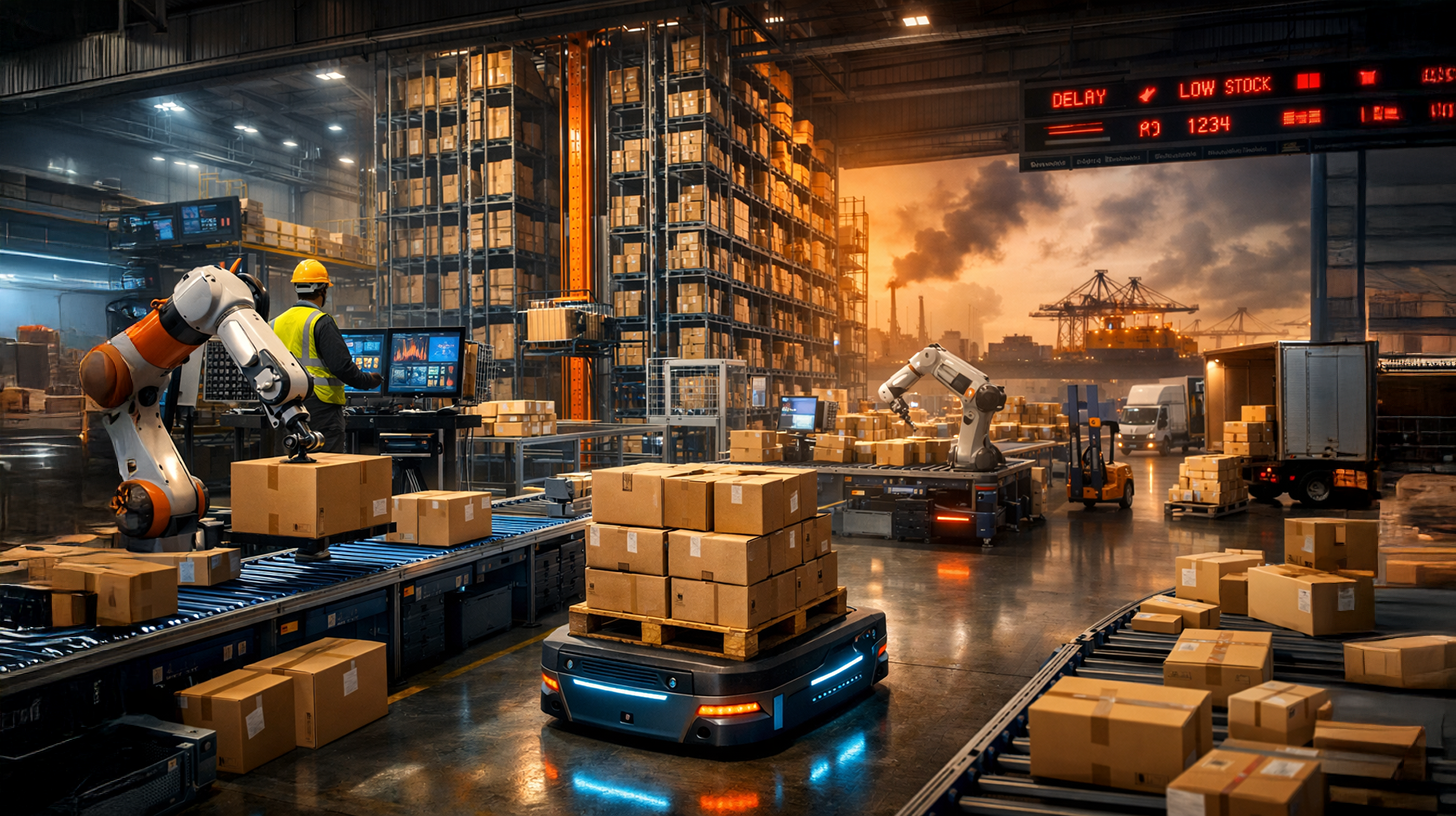
Intralogistik und Supply Chain unter Druck: Warum Automatisierung jetzt zur existenziellen Notwendigkeit wird – Bild: Xpert.Digital
Das 98-Milliarden-Geschäft: Wer diesen Intralogistik-Trend verpasst, verliert
Intralogistik am Wendepunkt: Warum der Stillstand teurer ist als jede Investition
Europas Industrie steht vor einem perfekten Sturm. Was lange Zeit als reines Effizienzthema in den operativen Ebenen der Logistikabteilungen verhandelt wurde, hat sich zu einer strategischen Überlebensfrage für die Vorstandsetagen entwickelt. Die Intralogistik und das Supply Chain Management befinden sich nicht nur im Wandel, sondern in einer fundamentalen Transformationskrise. Die Parameter des Marktes haben sich verschoben: Es geht nicht mehr primär darum, Prozesse nur schneller oder billiger zu machen – es geht darum, sie überhaupt noch aufrechtzuerhalten.
Die Realität ist paradox: Während globale Märkte für intelligente Lagerlösungen explodieren und Prognosen eine Vervierfachung des Marktvolumens bis 2034 voraussagen, verharrt ein Großteil der deutschen Unternehmen in gefährlicher Passivität. Aktuelle Daten zeichnen ein alarmierendes Bild: 63 Prozent der Unternehmen haben ihre Intralogistik kaum oder gar nicht automatisiert. Dies geschieht wider besseres Wissen, denn 94 Prozent jener, die investiert haben, melden positive Ergebnisse. Das Zögern gründet oft auf veralteten Annahmen über Kosten und Komplexität, während die „Oppertunity Costs“ des Nichtstuns täglich steigen.
Drei massive Kräfte treiben diesen Handlungsdruck: Ein historischer Fachkräftemangel, der sich in der Logistikbranche weit dramatischer zuspitzt als im globalen Durchschnitt; eine neue Welle technologischer Reife, die durch KI und autonome Robotik den Return on Investment (ROI) auf oft unter zwei Jahre drückt; und ein regulatorisches Korsett aus ESG-Vorgaben und dem AI Act, das manuelle, intransparente Lieferketten zum Haftungsrisiko macht.
Dieser Artikel analysiert die unbequeme Wahrheit hinter den Zahlen: Warum Automatisierung heute die einzige Antwort auf den demografischen Wandel ist, wie moderne Systeme Arbeitsplätze nicht vernichten, sondern aufwerten, und warum Unternehmen nur noch ein kurzes Zeitfenster von wenigen Jahren bleibt, um den technologischen Anschluss – und damit ihre Wettbewerbsfähigkeit – nicht dauerhaft zu verlieren. Wer jetzt nicht handelt, riskiert nicht nur Marge, sondern seine Existenz.
Wer nicht handelt, verliert den Wettbewerb – eine unbequeme Realität für Europas Industrie
Europas Intralogistik und Supply Chain Management befinden sich in einer strukturellen Transformationskrise. Was lange als Effizienzthema behandelt wurde, ist inzwischen eine strategische Überlebensfrage für Unternehmen geworden. Die verfügbaren Daten zeigen ein eindeutiges Bild: Deutsche und europäische Unternehmen modernisieren ihre internen Logistikprozesse dramatisch zu langsam, während die Marktdynamik und der regulatorische Druck sich exponentiell beschleunigen. Gleichzeitig fehlen massiv die Menschen, um traditionelle Lagerarbeit zu verrichten. Diese Kombination schafft einen Zugzwang: Automatisieren oder verlieren.
Die zentrale Erkenntnisse lassen sich knapp zusammenfassen. In Deutschland zeigt eine repräsentative Befragung von über 2500 Unternehmen, dass 63 Prozent ihre Intralogistik gar nicht oder nur ansatzweise automatisiert haben. Nur 4 Prozent verfügen über autonome Systeme. Dies steht in direktem Kontrast zu den wirtschaftlichen Realitäten: 94 Prozent der Unternehmen, die bereits in Automatisierung investiert haben, berichten von positiven Ergebnissen. Der Return on Investment liegt bei Kleinlösungen unter 1,5 Jahren, bei größeren Systemen bei zwei bis drei Jahren. Trotzdem zögern die meisten. Das Paradoxon ist klassisch – die Angst vor Veränderung ist größer als die existenzielle Bedrohung durch Stillstand.
Die globalen Märkte reagieren auf diese Transformation mit explosivem Wachstum. Der Markt für intelligente Lagerlösungen wächst mit einer durchschnittlichen jährlichen Rate von 14,22 Prozent und wird sich zwischen 2024 und 2034 vervierfachen – von 26,1 auf 98,64 Milliarden US-Dollar. Der Lagerrobotik-Markt erlebt ähnlich dynamisches Wachstum. Diese Dynamik wird getrieben durch drei konvergente Kräfte: den Kollaps des traditionellen Arbeitskräftemarktes, die Digitalisierung von Lieferketten und neue regulatorische Anforderungen, insbesondere den European AI Act.
Das deutsche Dilemma: Automatisierung trifft auf Fachkräftemangel
Der Arbeitsmarkt hat sich fundamental verschoben. 2014 berichteten 40 Prozent der deutschen Unternehmen Schwierigkeiten, offene Stellen zu besetzen. 2025 sind es 86 Prozent – eine Verdopplung in elf Jahren. Deutschland liegt damit deutlich über dem globalen Durchschnitt von 74 Prozent und hat international eine Spitzenposition beim Fachkräftemangel erreicht. Besonders kritisch ist die Situation in der Logistikbranche: 76 Prozent der Logistikunternehmen berichten von akutem Fachkräftemangel, während gleichzeitig die Stellenangebote um 16 Prozent gestiegen sind.
Dies ist kein zyklisches Problem, das sich von selbst lösen wird. Der Mangel ist strukturell und demografisch verankert. Die Babyboomer-Generation verlässt den Arbeitsmarkt schneller, als junge Menschen nachkommen, und die Zuwanderung kann die Lücke nicht schließen. Für die Intralogistik bedeutet dies: Unternehmen, die ihre Prozesse nicht automatisieren, werden sich in fünf Jahren schlicht keine Mitarbeiter mehr leisten können. Das erste Symptom ist bereits sichtbar – 25 Prozent der Logistik-Arbeitnehmer in Deutschland haben ihre Stellen aufgrund mangelnder Entwicklungsperspektiven verlassen.
Die Automatisierungslösungen adressieren genau dieses Problem. Autonome Mobile Roboter (AMRs), fahrerlose Transportsysteme (FTS), kollaborative Roboter und moderne Warehouse Management Systeme ermöglichen es, die Personalabhängigkeit zu senken und gleichzeitig die Produktivität zu steigern. Ein praktisches Beispiel: In einer Optimierungssimulation eines Automobilherstellers reduzierte die Implementierung eines intelligenten Aufgabenzuweisungsalgorithmus für AMRs die erforderliche Flottenanzahl um 30 Prozent bei gleicher Liefertreue. Das bedeutet konkret: Statt 58 Roboter für ein bestimmtes Szenario brauchten nur noch 42 Roboter die gleiche Leistung zu erbringen.
Aber es geht nicht nur um Roboter. Das zweite Element ist die Datenzentralisierung. Moderne Warehouse Management Systeme (WMS) auf Cloudbasis ermöglichen Echtzeit-Transparenz über Bestände, Kommissionierungsprozesse und Durchsätze. Cloud-basierte Systeme können in Tagen implementiert werden, nicht in Monaten, und ermöglichen es sogar kleinen und mittleren Unternehmen, Automatisierungspotenziale zu heben. Ein Einzelhandelshändler, der KI-gestützte Bestandsoptimierung einführte, reduzierte Überbestände um 25 Prozent und Lagerengpässe um 30 Prozent – während gleichzeitig die Lagerkosten sanken.
Automatisierungsgrad und ROI: Eine wirtschaftliche Notwendigkeit, keine Option
Technische Machbarkeit ist nicht das Thema – es ist die wirtschaftliche Rentabilität, die über Adoption entscheidet. Die verfügbaren Daten zeigen eindeutig, dass Automatisierungsinvestitionen in einem vertretbaren Zeitrahmen rentabel werden. Bei kleineren Lösungen wie einer modernen WMS in Kombination mit Pick-by-Light-Systemen liegt der Break-Even bei etwa 1,25 Jahren (50.000 Euro Investition, 40.000 Euro jährliche Einsparungen durch Personalkosten, Fehlerreduktion und Flächenoptimierung). Bei mittleren AMR-Integrationen mit 10 bis 15 Robotern liegt der Break-Even bei etwa 2,9 Jahren (350.000 Euro Investition, 120.000 Euro jährliche Einsparungen). Selbst bei größeren Hochregal-Automatisierungslösungen mit künstlicher Intelligenz liegt der Break-Even bei etwa 3,2 Jahren.
Der Schlüsselfaktor für diese rentablen Geschäftsmodelle sind die Personalkosteneinsparungen, gepaart mit Fehlerreduktion. In traditionellen Lagern machen Arbeitskosten bis zu 80 Prozent der Gesamtkosten aus. Automatisierte Systeme reduzieren menschliche Fehler auf unter 1 Prozent (gegenüber typischerweise 3-4 Prozent bei manueller Bearbeitung), senken die Fehlerfolgekosten und ermöglichen es, wertvolle Mitarbeiterkapazitäten für höherwertige Aufgaben freizusetzen. Darüber hinaus ermöglicht intelligente Automatisierung Flächeneinsparungen von bis zu 80 Prozent – ein enormer Kostentreiber in teuren Ballungsräumen.
Das zweite wirtschaftliche Argument ist die Kapazitätsflexibilität. Automatisierte Systeme können Betriebskapazitäten in Spitzenzeiten um bis zu 53 Prozent erhöhen und den Lagerumschlag um 25 Prozent steigern, ohne dass proportionale Personalkosten oder Flächen anfallen. Für E-Commerce-Unternehmen, die mit extremen Nachfrageschwankungen kämpfen, ist dies kritisch – 74 Prozent der Verbraucher sind bereit, für Same-Day-Delivery-Service zu zahlen. Ohne Automatisierung ist diese Servicegeschwindigkeit unmöglich.
Globale Märkte expandieren, europäische Unternehmen verlieren Schritt
Die Marktdynamiken sind eindeutig. Der globale Smart-Warehouse-Markt wird zwischen 2024 und 2034 mit einer CAGR von 14,22 Prozent wachsen – von 26,1 auf 98,64 Milliarden US-Dollar. Der spezialisierte Lagerrobotik-Markt zeigt ähnliche Dynamiken, mit Wachstumsraten von 15,6 bis 16 Prozent. Für humanoide Roboter, die etwa ab 2025 in größerem Stil in Lagern eingesetzt werden, wird mit Wachstumsraten von 34 bis 45 Prozent jährlich gerechnet, was den Markt von 1,68 Milliarden Dollar (2023) auf bis zu 74 Milliarden Dollar (2032) treiben könnte.
Wer profitiert von dieser Dynamik? Primär Unternehmen, die früh skalierbar investiert haben. Amazon, Tesla und andere Tech-Giganten haben längst kapitalintensive Automatisierungslösungen deployed. Deutsche und europäische Hidden Champions haben dies teilweise auch getan, aber die Breite der Industrie hinkt massiv hinterher. Dies schafft ein Wettbewerbsproblem: Unternehmen, die heute nicht automatisieren, werden in fünf Jahren gegen Konkurrenten antreten, die 30-40 Prozent Kostenvorteile durch automatisierte Logistik erreicht haben.
Die technologische Architektur: Drei Säulen, ein Ökosystem
Die erfolgreichsten Implementierungen bauen nicht auf einer isolierten Lösung auf, sondern auf drei sich ergänzenden Säulen. Die erste Säule ist die physische Automatisierung und Robotik. Dies umfasst autonome mobile Roboter, fahrerlose Transportsysteme, kollaborative Roboter (Cobots) und hochmoderne Regalbediengeräte. Der Vorteil moderner Systeme, insbesondere AMRs, besteht darin, dass sie keine spezielle Infrastruktur benötigen – keine Magnetspuren, keine fest definierten Routen. Sie navigieren autonom mit Sensorik und Künstlicher Intelligenz. Dies macht sie flexibel für Brownfield-Szenarien, also die Modernisierung bestehender Lager.
Die zweite Säule ist das Internet der Dinge (IoT) und die Datenkonnektivität. Sensoren an Waren, Behältern, Maschinen und Robotern generieren kontinuierlich Daten über Bestände, Bewegungen, Zustände und Auslastung. Diese Datenströme ermöglichen es dem System, in Echtzeit zu reagieren – Kommissionierlisten zu optimieren, Engpässe zu antizipieren, Wartungsbedarfe vorherzusagen.
Die dritte Säule ist die künstliche Intelligenz und die Softwaresteuerung. Hier kommen Warehouse Management Systeme (WMS), Demand-Planning-Algorithmen, Predictive Analytics und KI-gestützte Optimierungsmaschinen zum Einsatz. Sie analysieren die IoT-Daten, treffen automatisierte Entscheidungen (Welche Ware wohin? Welcher Roboter übernimmt welche Aufgabe?), lernen aus Erfahrung und adaptieren Prozesse kontinuierlich. Modernes WMS ermöglicht zudem Integration mit Enterprise Resource Planning (ERP) und Transparenz über alle Prozessschritte.
Unternehmen, die früh in saubere Datenfundamente investiert haben – standardisierte Schnittstellen, API-Definitionen, Cloud-basierte Infrastruktur – skalieren diese Systeme schneller und stabiler. Sie können neue Funktionalitäten rasch addieren, ohne bestehende Systeme zu destabilisieren.
LTW Intralogistics Lösungen

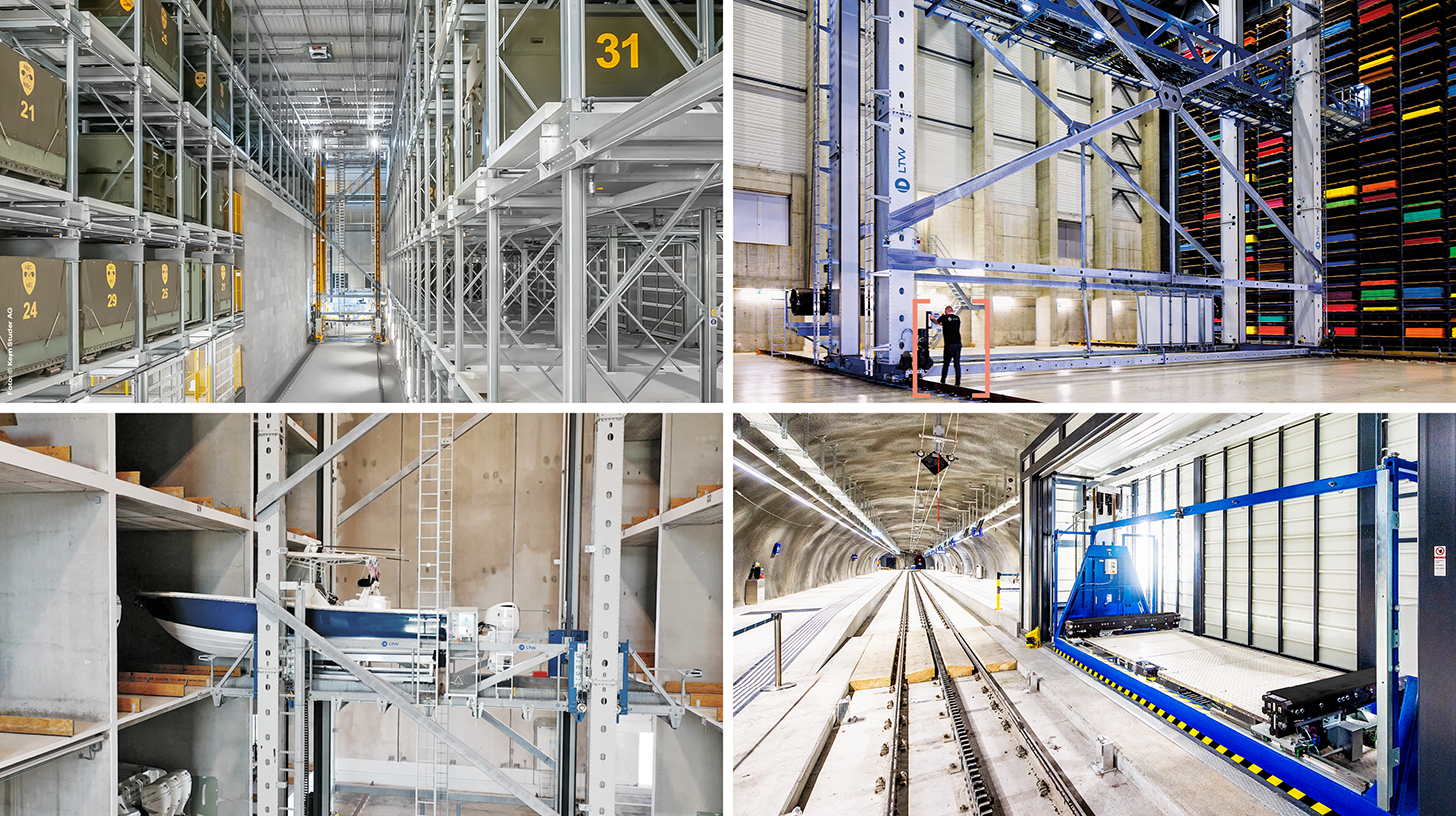
LTW Intralogistics – Engineers of Flow - Bild: LTW Intralogistics GmbH
LTW bietet seinen Kund:innen keine losen Bausteine, sondern integrierte Gesamtlösungen. Beratung, Planung, mechanische und elektrotechnische Komponenten, Steuerungs- und Leittechnik sowie Software und Service – alles ist vernetzt und präzise aufeinander abgestimmt.
Besonders vorteilhaft ist die eigene Fertigung wesentlicher Komponenten. Dadurch können Qualität, Lieferketten und Schnittstellen optimal kontrolliert werden.
LTW steht für Verlässlichkeit, Transparenz und partnerschaftliche Zusammenarbeit. Loyalität und Ehrlichkeit sind fest im Unternehmensverständnis verankert – hier zählt noch ein Handschlag.
Passend dazu:
Start small, scale fast: Der praxisnahe Automatisierungs-Fahrplan für europäische Lieferketten bis 2028
Die Risiken: Geopolitik, Cyber-Sicherheit und Regulatory Compliance
Während Automatisierung die interne Effizienz steigert, verstärken sich gleichzeitig die externen Risiken für Lieferketten. 2025 ist das Jahr, in dem globale Lieferketten von effizienzoptimiert zu risikooptimiert umschwenken müssen.
Geopolitische Spannungen, Handelskonflikte und die Sanktionspolitik der USA und Europas haben Lieferketten zu strategischen Schwachpunkten gemacht. Cyberkriminelle und staatliche Akteure nutzen dies aus – sie sabotieren Häfen, Zahlungssysteme und digitale Lager-Infrastrukturen. Eine Unterbrechung in einem kritischen Knotenpunkt kann globale Produktion für Tage lahmlegen. Die Antwort liegt in Diversifizierung und Redundanz. Etwa die Hälfte der Unternehmen plant, ihre Multisourcing-Strategien deutlich zu verstärken. Nearshoring – die Verlagerung von Produktion näher an Verbrauchermärkte – wird von Unternehmen quer durch alle Sektoren erwogen, um Transportrisiken und Zollrisiken zu senken.
Parallel dazu verstärkt sich der regulatorische Druck. Der European AI Act ist ab August 2025 in vollem Umfang durchgesetzt. Dies bedeutet, dass KI-Systeme in Lieferketten, insbesondere solche, die für Lieferanten- oder Risikoabwertung verwendet werden, unter neue Compliance-Anforderungen fallen. Unternehmen müssen technische Dokumentation führen, Trainingsdaten offenlegen, Risiken überwachen und menschliche Aufsicht implementieren. Die Bußgelder sind erheblich – bis zu 35 Millionen Euro oder 7 Prozent des globalen Jahresumsatzes für schwerwiegende Verstöße.
Dazu kommen nationale Verpflichtungen wie das Lieferkettengesetz in Deutschland und die Corporate Sustainability Due Diligence Directive in der EU. Sie verpflichten Unternehmen, Transparenz über ihre gesamte Lieferkette zu schaffen – von Tier 1 bis Tier 3 und teilweise darüber hinaus. Nur 16 Prozent der Unternehmen sehen Supply Chain Management als strategische Priorität für ESG-Compliance, und lediglich 12 Prozent haben ihre Schlüsselfunktionen an ESG-Ziele angepasst. Dies schafft ein großes Compliance-Risiko.
Unternehmen müssen also nicht nur automatisieren, sondern auch sicherstellen, dass ihre automatisierten Systeme regelkonform sind. Dies erfordert klare Governance – Wer entscheidet, wenn der KI-Algorithmus einen Lieferanten riskanter bewertet? Wie wird menschliche Aufsicht implementiert? Wie werden Daten geschützt?
Der Mensch bleibt zentral: Transformation statt Elimination
Ein häufiges Missverständnis ist, dass Automatisierung den Menschen aus der Logistik verdrängt. Empirisch ist das Gegenteil der Fall. Automatisierung transformiert Arbeitsrollen. Monotone Kommissionierungsaufgaben werden durch Roboter übernommen, aber die Anforderungen an Mitarbeiter steigen: Sie müssen Systeme überwachen, Daten interpretieren, Fehler beheben, Roboter kalibrieren und Qualität sichern.
Das größte Risiko für diese Transformation ist nicht technisch, sondern kulturell und organisatorisch. Gerade in Deutschland, wo 76 Prozent der Logistikunternehmen mit Fachkräftemangel kämpfen und nur 23 Prozent der Logistik-Beschäftigten KI-Weiterbildung erhalten haben, besteht ein massives Qualifizierungsdefizit. 25 Prozent der Logistik-Arbeitnehmer haben ihre Stellen bereits verlassen, weil sie keine Entwicklungsperspektiven sahen. Dies ist ein Teufelskreis: Unternehmen investieren wenig in Weiterbildung, weil sie nicht in Automatisierung investieren; sie investieren nicht in Automatisierung, weil ihnen das Vertrauen in ihre Mannschaft fehlt.
Die Unternehmen, die langfristig erfolgreich sein werden, sind diejenigen, die Automatisierung als Enabler für Mitarbeiterentwicklung verstehen. Sie investieren in Weiterbildungsprogramme, schaffen transparente Karrierepfade vom manuellen Mitarbeiter zum Roboter-Operator zur Datenanalytik-Fachkraft. Dies erhöht nicht nur die Bindung, sondern auch die Qualität der Operationen. Menschen mit echtem Prozessverständnis und Ownership finden Probleme, die Algorithmen übersehen.
Retrofit und inkrementelle Modernisierung: Der realistische Weg
Ein häufiger Grund für Zögern ist die Angst vor großen Investitionen in Grünfeld-Automatisierung. Das ist verständlich, aber nicht notwendig. Ein realistischer Weg für die meisten europäischen Unternehmen ist ein Retrofit-Ansatz – die schrittweise Modernisierung bestehender Anlagen bei laufendem Betrieb.
Dies ist technisch machbar geworden. Unternehmen wie die KION Group zeigen, dass bestehende Lager durch die Kombination von künstlicher Intelligenz, virtueller Simulation und adaptiver Robotik hochgradig automatisiert werden können, ohne den Betrieb zu unterbrechen. Der Prozess ist iterativ: Zunächst wird das System mit virtueller Simulation analysiert, um Engpässe und Optimierungspotenziale zu identifizieren. Dann werden Roboter in kritischen Knotenpunkten deployed. Während diese laufen, werden weitere Systeme hinzugefügt. Dies reduziert Implementierungsrisiko und ermöglicht es Unternehmen, den Nutzen zu sehen, bevor sie vollständig committen.
Ein zweiter Aspekt ist die Priorisierung. Nicht alle Prozesse müssen gleichzeitig automatisiert werden. Unternehmen sollten Schwachstellen identifizieren – Wo entstehen die größten Kosten? Wo fehlt Personal? Wo sind die Fehlerquoten hoch? – und dann gezielt in diese Bereiche investieren. Ein Unternehmen, das mit nur 1000 Picks pro Tag arbeitet, braucht nicht die gleiche Automatisierungs-Infrastruktur wie eines mit 100.000 Picks täglich. Cloud-basierte, modulare Lösungen ermöglichen es, mit kleinen Investitionen zu starten und zu skalieren.
ESG als Wettbewerbsvorteil, nicht als Belastung
Nachhaltigkeit wird oft als regulatorische Last wahrgenommen. Dabei ist intelligente Logistik-Automatisierung ein massiver ESG-Enabler. Weniger manuelle Transportarbeiten bedeuten weniger Energieverbrauch, weniger Emissionen. Digitalisierte Lieferketten ermöglichen es, Transparenz über Lieferanten und Tier-2/Tier-3-Zulieferer zu schaffen – kritisch für Compliance mit Lieferkettengesetz und Corporate Sustainability Due Diligence.
Unternehmen, die heute über die ESG-Compliance-Anforderungen hinausgehen, sichern sich Wettbewerbsvorteile. Sie bauen vertrauensvolle Beziehungen zu Kunden, Investoren und Mitarbeitern auf. Automatisierung, gepaart mit echtem Sustainability-Engagement, ist eine strategische Differenzierungsmöglichkeit – gerade in Europa, wo Verbraucher und institutionelle Investoren ESG ernst nehmen.
Der Implementierungsrahmen: Was erfolgreiche Unternehmen tun
Erfolgreiche Automatisierungsprojekte folgen einem klaren Muster. Erstens, klare Zielmetriken. Erfolg ist nicht, dass man Roboter hat, sondern dass spezifische Prozessziele erreicht werden – Durchsatzsteigerung um X Prozent, Fehlerrate auf Y Prozent, Personalkosten um Z Prozent gesenkt. Technologie ist das Mittel, nicht der Zweck.
Zweitens, Datenfundamente vor Automation. Viele Fehler entstehen, weil Unternehmen mit schmutzigen Daten in automatisierte Systeme gehen. Es braucht zunächst ein Daten-Audit – Sind die Bestandsdaten akkurat? Sind die Prozessschritte dokumentiert? Sind die Schnittstellen zwischen Systemen definiert? Unternehmen, die 3-6 Monate Zeit in Datensäuberung und Prozess-Dokumentation investieren, sparen später das Zehnfache in Implementierungsproblemen.
Drittens, Start-small-Mentalität. Nicht das größte System kaufen, sondern mit einem Pilotprojekt starten. Eine kleine Automatisierungslösung in einem Bereich testen, lernen, iterieren, dann skalieren. Dies de-riskt das Projekt und gibt Teams Zeit, die neue Technologie zu verstehen.
Viertens, Mitarbeiter-Engagement ab Tag eins. Das erfolgreiche Adoption-Secret ist nicht technische Exzellenz, sondern dass die Teams verstehen, warum die Automatisierung notwendig ist und wie sie davon profitieren. Training, Transparenz und echte Partizipation sind überlebenswichtig.
Fünftens, Governance und Compliance einplanen. Nicht als Nachgedanke, sondern als integraler Bestandteil des Designs. Welche Daten fließen wohin? Wer hat Zugriff? Welche KI-Systeme sind hochrisiko und benötigen zusätzliche Audits? Dies ist aufwendig, aber notwendig.
Das Fenster der Gelegenheit
Europa hat ein Fenster von etwa zwei bis drei Jahren, in dem Unternehmen noch relativ günstig und ohne massive Wettbewerbsverzögerungen in Automatisierung investieren können. Nach 2027-2028 wird der Druck existenziell werden – Konkurrenten werden 30-40 Prozent Kostenvorteile haben, Talente werden zu den Automatisierungs-Leaders wandern, und neue Markteintritte werden automatisiert sein.
Unternehmen, die heute beginnen, haben Zeit zu lernen, Fehler zu machen und zu korrigieren. Sie können eine eigene Expertise aufbauen statt blind auf externe Integratoren zu vertrauen. Sie können Mitarbeiter entwickeln statt sie zu ersetzen. Sie können regulatorische Anforderungen proaktiv adressieren statt reaktiv.
Die Unternehmen, die warten, werden unter Druck automatisieren müssen – teuer, riskant und ohne Zeit für Mitarbeiter-Transformation. Einige werden scheitern.
Eine unbequeme Wahrheit
Die unbequeme Wahrheit ist, dass Automatisierung in der Intralogistik nicht mehr optional ist. Die Arbeitskräfte fehlen objektiv – nicht Angst vor Jobverlust, sondern physische Unmöglichkeit. Die Märkte wachsen exponentiell, und wer nicht dabei ist, wird marginalisiert. Die Regulierung wird strenger, und wer nicht kompatibel ist, wird diszipliniert. Der ROI ist positiv – die Investitionen rechnen sich in 1-3 Jahren.
Die echte Frage ist also nicht mehr „Sollten wir automatisieren?“ sondern „Wie schnell können wir kompetent automatisieren, ohne unsere Mitarbeiter zu verlieren und ohne in regulatorische Fallen zu tappen?“
Erfolgreiche europäische Unternehmen verstehen Automatisierung nicht als Angriff auf ihre Arbeitskräfte, sondern als Notwendigkeit zur Sicherung ihrer Existenz – und als Chance, ihre Mitarbeiter in höherwertige Rollen zu transformieren. Sie investieren parallel in Technologie und in Menschen. Sie bauen digitale Fundamente, bevor sie skalieren. Sie starten klein, lernen schnell und skalieren dann.
Das ist nicht das modernistische Versprechen von Automatisierungsanbietern – die Wahrheit ist mühsamer, aber realistischer. Unternehmen, die diesen Weg einschlagen, werden 2030 erfolgreich sein. Diejenigen, die warten, nicht.
Ihr globaler Marketing und Business Development Partner
☑️ Unsere Geschäftssprache ist Englisch oder Deutsch
☑️ NEU: Schriftverkehr in Ihrer Landessprache!

Konrad Wolfenstein
Gerne stehe ich Ihnen und mein Team als persönlicher Berater zur Verfügung.
Sie können mit mir Kontakt aufnehmen, indem Sie hier das Kontaktformular ausfüllen oder rufen Sie mich einfach unter +49 7348 4088 965 an. Meine E-Mail Adresse lautet: wolfenstein∂xpert.digital
Ich freue mich auf unser gemeinsames Projekt.
☑️ KMU Support in der Strategie, Beratung, Planung und Umsetzung
☑️ Erstellung oder Neuausrichtung der Digitalstrategie und Digitalisierung
☑️ Ausbau und Optimierung der internationalen Vertriebsprozesse
☑️ Globale & Digitale B2B-Handelsplattformen
☑️ Pioneer Business Development / Marketing / PR / Messen
🎯🎯🎯 Profitieren Sie von der umfangreichen, fünffachen Expertise von Xpert.Digital in einem umfassenden Servicepaket | BD, R&D, XR, PR & Digitale Sichtbarkeitsoptimierung

Profitieren Sie von der umfangreichen, fünffachen Expertise von Xpert.Digital in einem umfassenden Servicepaket | R&D, XR, PR & Digitale Sichtbarkeitsoptimierung - Bild: Xpert.Digital
Xpert.Digital verfügt über tiefgehendes Wissen in verschiedenen Branchen. Dies erlaubt es uns, maßgeschneiderte Strategien zu entwickeln, die exakt auf die Anforderungen und Herausforderungen Ihres spezifischen Marktsegments zugeschnitten sind. Indem wir kontinuierlich Markttrends analysieren und Branchenentwicklungen verfolgen, können wir vorausschauend agieren und innovative Lösungen anbieten. Durch die Kombination aus Erfahrung und Wissen generieren wir einen Mehrwert und verschaffen unseren Kunden einen entscheidenden Wettbewerbsvorteil.
Mehr dazu hier:
Unsere globale Branchen- und Wirtschafts-Expertise in Business Development, Vertrieb und Marketing

Unsere globale Branchen- und Wirtschafts-Expertise in Business Development, Vertrieb und Marketing - Bild: Xpert.Digital
Branchenschwerpunkte: B2B, Digitalisierung (von KI bis XR), Maschinenbau, Logistik, Erneuerbare Energien und Industrie
Mehr dazu hier:
Ein Themenhub mit Einblicken und Fachwissen:
- Wissensplattform rund um die globale wie regionale Wirtschaft, Innovation und branchenspezifische Trends
- Sammlung von Analysen, Impulsen und Hintergründen aus unseren Schwerpunktbereichen
- Ein Ort für Expertise und Informationen zu aktuellen Entwicklungen in Wirtschaft und Technologie
- Themenhub für Unternehmen, die sich zu Märkten, Digitalisierung und Brancheninnovationen informieren möchten