

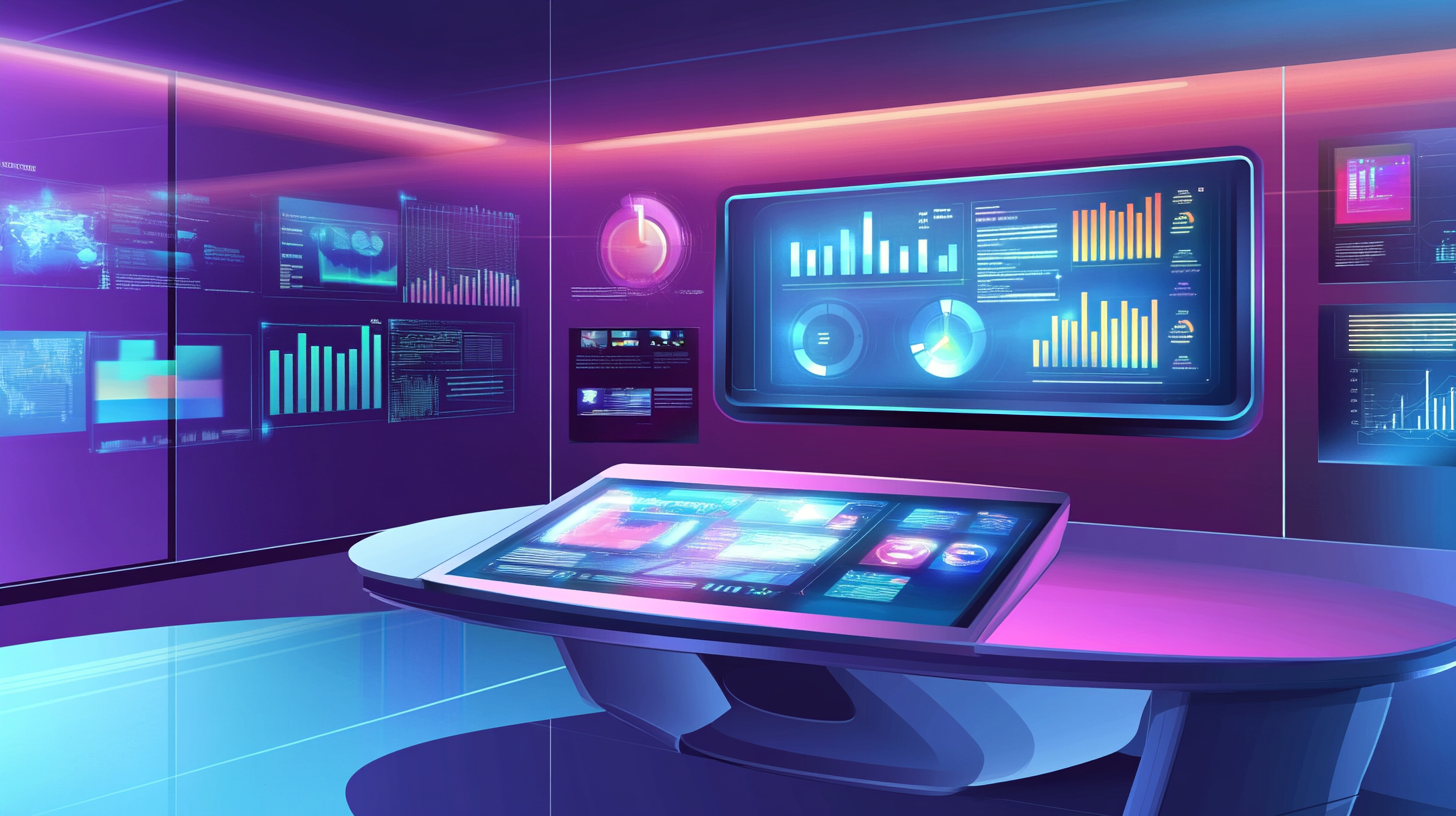
Interactive displays, so-called touchscreens – market development and application possibilities – Image: Xpert.Digital
🏆 The Future of Interactive Displays: Market and Applications
🌐 Touchscreen Trends: How Markets and Industries Benefit
Interactive displays, especially touchscreen technologies, have undergone significant development in recent years and have become indispensable in many areas of life. From smartphones and tablets to interactive whiteboards and retail kiosks: the versatility and intuitive usability of touchscreens offer numerous application possibilities.
Here is an overview of market developments and the main application areas of touchscreen technologies:
🌍 Market development
The global market size for interactive displays, including touchscreens, is growing steadily. In 2022, the market was valued at US$41.95 billion and is projected to reach US$86.44 billion by 2030, representing a compound annual growth rate (CAGR) of 9.7%. Particularly strong growth is being observed in North America and the Asia-Pacific region. The Asia-Pacific region is considered the largest market due to the high demand for smartphones and consumer electronics.
Another important aspect is the market for touchscreen controllers, which exhibits an annual growth rate of approximately 14.9%. These controllers are crucial for the functionality of touchscreens in various devices such as smartphones, tablets, and automotive infotainment systems. Technological advancements in capacitive and resistive touchscreens, as well as emerging technologies like gesture recognition and augmented reality, are further driving market growth.
🚀 Applications
Interactive displays are used in many areas. Here are some of the most important applications:
📚 Education
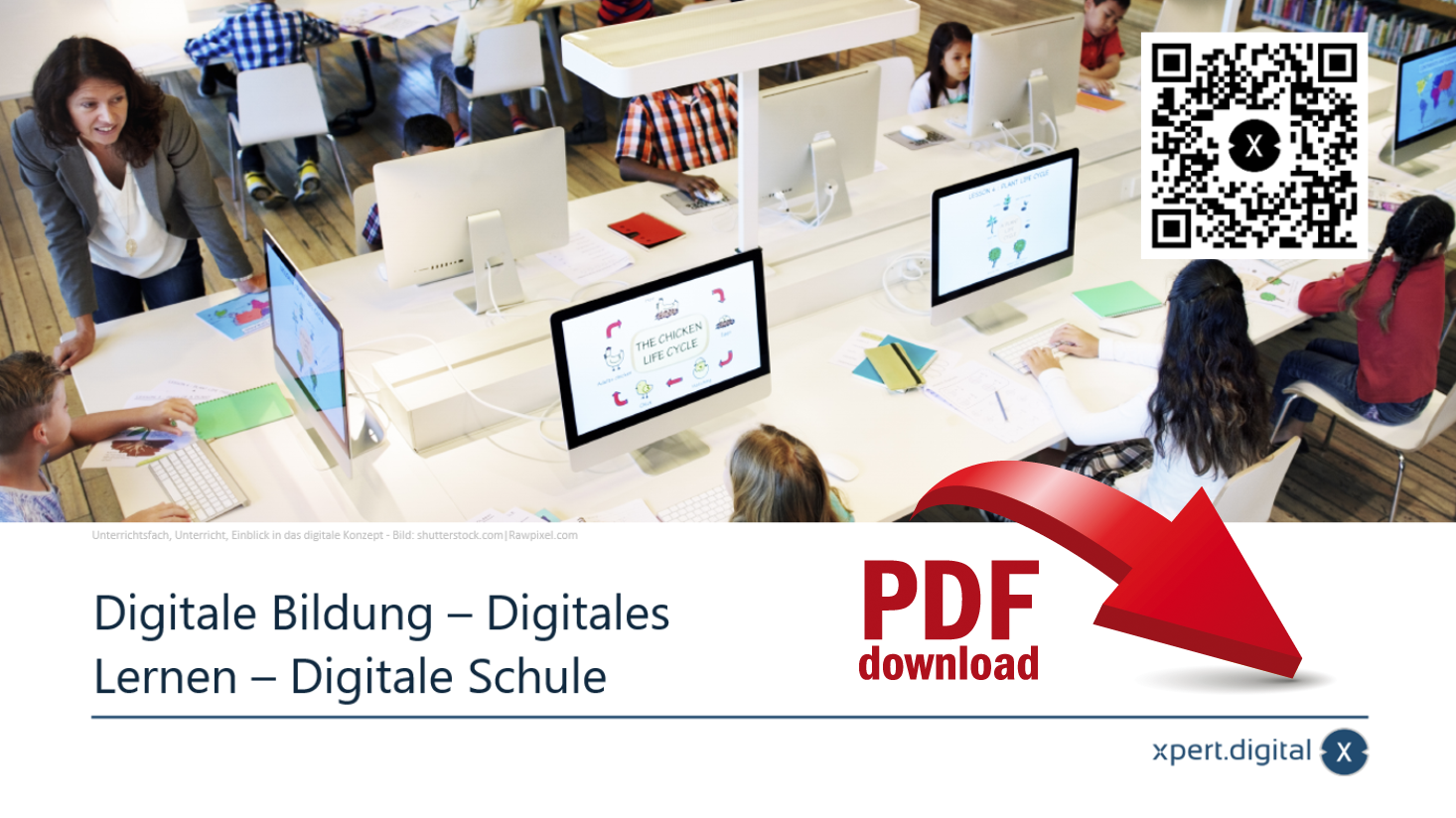
Interactive whiteboards and displays are increasingly being used in classrooms to make lessons more interactive. Teachers can present multimedia content and actively involve students in the learning process. This technology promotes collaboration and supports dynamic learning methods.
🛍️ Retail
Interactive kiosks are used in retail to enhance the customer experience. Customers can access product information, check stock levels, or even make purchases directly through the screen. This increases customer loyalty and provides retailers with data-driven opportunities to optimize their offerings.
🎨 Entertainment and presentation at trade fairs and exhibitions
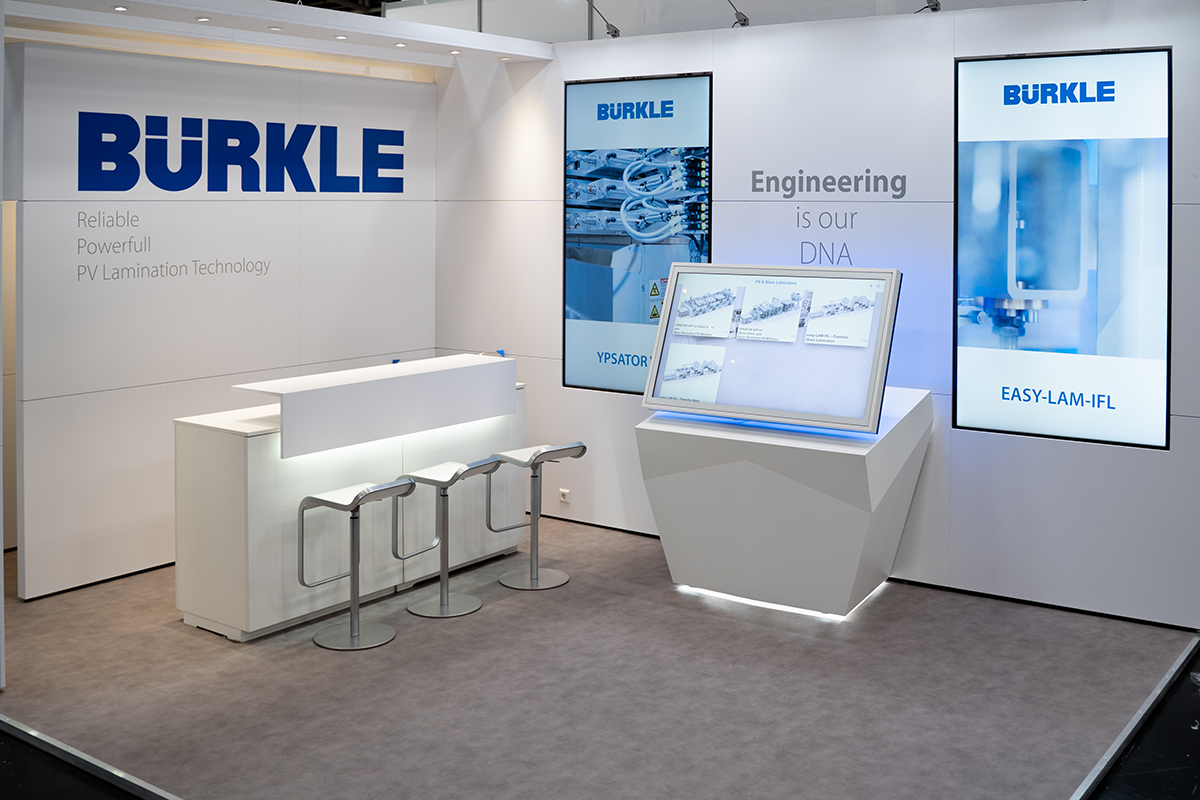
Interactive displays offer immersive experiences in museums, exhibitions, and theme parks. Visitors can access additional information or play interactive games through touch or gestures. This technology complements physical exhibits and fosters deeper engagement.
Related to this:
💼 Company
In business environments, interactive displays promote team collaboration. They are used for presentations, brainstorming sessions, and real-time data analysis. This improves the efficiency of decision-making processes and optimizes workflows.
🏭 Industry
In industry, robust touchscreen displays are used to control machines and production facilities. They enable intuitive operation even under challenging conditions such as dust or extreme temperatures. They are also used in warehouse management to track goods movements and optimize logistics processes.
🏥 Healthcare
In the medical field, touchscreens facilitate interaction between patients and medical devices. They are also used to visualize patient data or for self-service kiosks in hospitals.
🔬 Technological developments
The technology behind touchscreens is constantly evolving:
Capacitive touchscreens
These are particularly durable and offer high precision in touch recognition. They are frequently used in smartphones, tablets, and other consumer electronics devices.
Gesture recognition
Some modern touchscreens recognize gestures without physical contact. This allows for even more intuitive operation, especially in public areas or during presentations.
Augmented Reality (AR)
Some interactive displays integrate AR technologies to create even more immersive experiences, for example in museums or in the education sector.
🤖 Further developments in technology and AI
As technology advances and artificial intelligence (AI) opens up new markets, interactive displays are expected to become even more versatile. New features such as facial recognition and AI-based interactions could further enhance personalization. Flexible displays that can be bent or folded also offer new opportunities for innovative applications across various industries.
Interactive displays play a key role in the digital transformation of many industries. Their market is growing rapidly, driven by technological innovations and increasing acceptance in sectors such as education, retail, entertainment, and industry.

📱💼 The role of interactive screens in the modern workplace
🌟🖥️ Advantages of interactive screens
Interactive displays are a key element in the digital transformation of many industries. They are revolutionizing the way people work, learn, and communicate. This technology offers a multitude of benefits and applications that both increase efficiency and promote collaboration across various fields.
1. Promoting cooperation
Interactive displays enable teams to collaborate on projects regardless of their location. Features like real-time document sharing and the ability to annotate directly on the screen ensure seamless collaboration. Teams can instantly visualize ideas, provide feedback, and develop solutions together. This not only boosts productivity but also strengthens team spirit.
2. Increased efficiency
Companies can significantly optimize their work processes by using interactive displays. The digital display of content reduces the need for physical materials like paper, which not only saves costs but also minimizes administrative effort. Furthermore, interactive displays enable faster communication and decision-making, as information can be exchanged and processed in real time. This allows for more informed and faster decisions.
3. Adaptability and versatility
The flexibility of interactive displays makes them attractive to a wide range of industries. In manufacturing, they are used to monitor production processes, control machinery, and display complex data. Technicians, for example, can view and update maintenance schedules directly on the screen. In educational institutions, they enrich lessons through interactive learning methods. Teachers can present multimedia content while students actively participate in the learning process, whether by solving tasks on the screen or through interactive presentations.
4. Environmental friendliness and sustainability
Interactive displays significantly contribute to environmental protection by reducing paper consumption. Companies can shrink their ecological footprint by switching to digital processes. Furthermore, travel expenses are reduced, as meetings and presentations can take place virtually. This leads to a further reduction in CO₂ emissions and helps companies operate more sustainably.
🌟 New developments and trends in the field of interactive screens
🤖 Integration of Artificial Intelligence and Machine Learning
Artificial intelligence (AI) is making its way into interactive displays, enhancing their capabilities. AI-driven functions enable faster pattern recognition in data, the visualization of correlations, and the generation of forecasts. For businesses, this means their interactive displays can not only show information but also actively contribute to decision-making. Through machine learning, interactive displays can analyze user behavior and provide personalized content tailored to individual user needs and interests.
One example of this is intelligent digital assistants embedded in interactive screens. They can answer questions, prepare presentations, and even suggest ways to improve work processes. These advancements help companies increase their productivity and work more efficiently.
🌐 Augmented and virtual reality to support immersive experiences
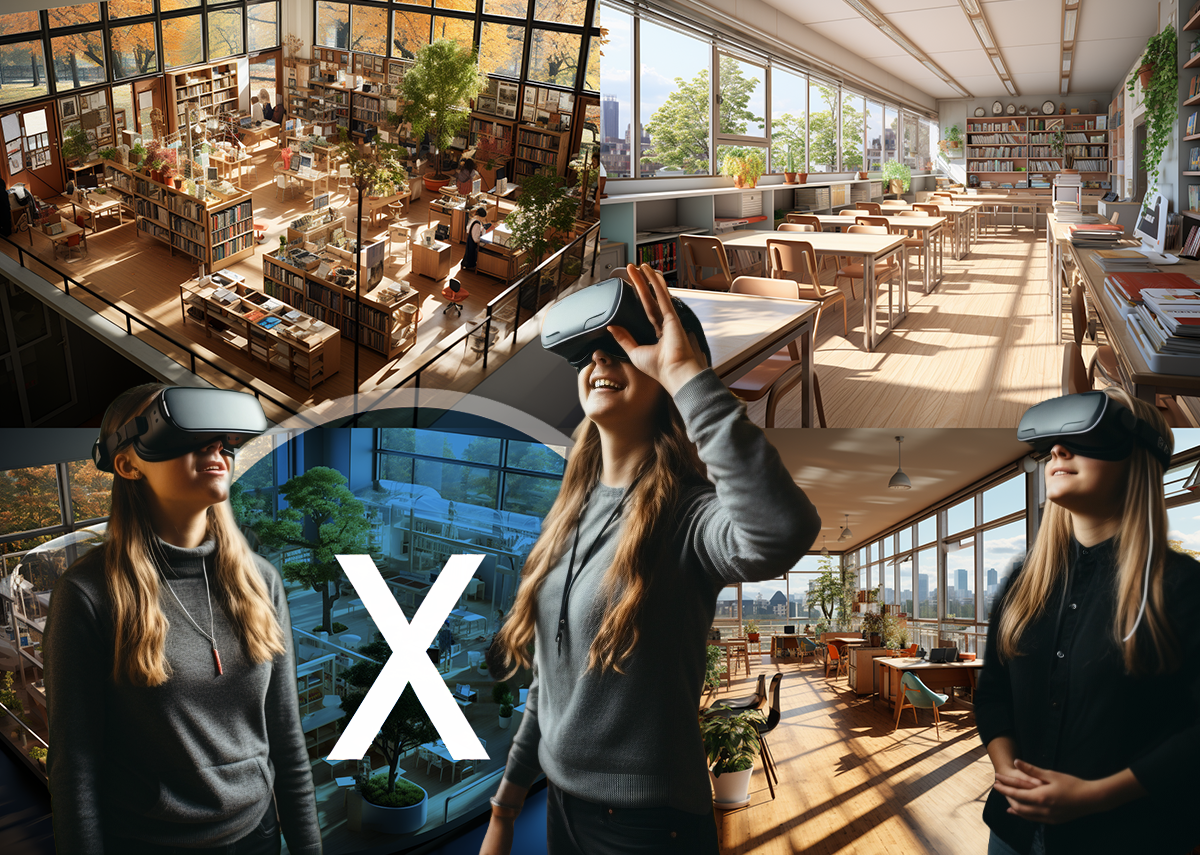
Another technological innovation is the integration of augmented reality (AR) and virtual reality (VR) into interactive displays. These technologies offer immersive experiences that create new opportunities, particularly in education, product development, and marketing. For example, users can view and interact with complex three-dimensional models directly on the screen without having to create physical prototypes.
In architecture and design, VR integration with interactive screens allows teams and clients to participate in virtual tours of future construction projects or to view products from all angles. This facilitates decision-making and reduces errors in the planning phase.
🖥️ Improved usability and accessibility
A key aspect of interactive screen development is improved usability and accessibility. Modern devices are increasingly designed to be intuitive, allowing people of all ages and with varying levels of technical expertise to use them easily. Special features are integrated for people with disabilities to enable barrier-free use, such as voice control or enlarged controls. In this way, interactive screens contribute to promoting inclusion and equality in the digital world.
♻️ Energy efficiency and durable materials
In light of increasing environmental requirements, manufacturers are working to make interactive displays more energy-efficient and to use durable materials. Energy-saving features such as automatic screen shutdown, adaptive brightness control, and the use of energy-saving LED displays contribute to reducing energy consumption and extending the lifespan of the devices.
Related to this: