Solar system with optional heat pump installation – Image: Xpert.Digital
Sustainable energy generation: The environmentally friendly solar system for building roofs
Solar systems: the efficient and cost-saving solution for sustainable energy. A smart combination: solar system with a heat pump for maximum energy efficiency
Installing a solar power system on the roof of a hall, house, or building is an environmentally friendly and sustainable way to utilize renewable energy and reduce CO2 emissions. Solar power systems harness the sun's energy and convert it into electricity, which can be used to meet the building's energy needs. Here are some important and interesting details about solar power systems and their potential integration with a heat pump:
1. How the solar system works
The solar power system consists of photovoltaic modules that convert sunlight into electricity. The photovoltaic cells are typically made of silicon, which is highly efficient at converting solar energy. The modules are installed on the roof in an optimal orientation to capture sunlight. The electricity generated is either used directly in the building or stored in batteries to maximize self-consumption.
2. Advantages of the solar system
- Sustainable energy source: The sun is an inexhaustible and renewable energy source that does not cause harmful emissions.
- Cost savings: By using solar energy, the energy demand from the public grid can be reduced, leading to lower electricity bills.
- Environmentally friendly: Solar power systems help to minimize the CO₂ footprint and reduce greenhouse gas emissions.
3. Location-dependent factors
The efficiency of a solar power system depends on various factors, such as its geographical location, roof orientation, module tilt angle, and potential shading from surrounding buildings or trees. A thorough site analysis is crucial to ensure optimal solar system performance.
4. Integration of storage systems
To optimize self-consumption, storage systems such as batteries can be installed to store the electricity generated during the day and use it later when needed, especially during peak consumption times or at night.
5. Installation of a heat pump
A sensible addition to a solar thermal system is the installation of a heat pump. The heat pump also uses electricity to extract heat from the ambient air, the ground, or groundwater and use it for heating and hot water in the building. Using renewable electricity from the solar thermal system makes the operation of the heat pump particularly sustainable and efficient.
6. Feeding in excess energy
If the solar system generates more electricity than is consumed in the building, the surplus electricity can be fed into the public grid. Many countries have legal regulations for feed-in tariffs, which further increase the incentive to install solar systems.
7. Long-term investment
Installing a solar power system is a long-term investment that pays off over time. Although the initial costs can be high, they are typically recouped over the years through savings on energy bills.
8. Funding programs and support
Many countries offer government subsidy programs and financial incentives to promote the expansion of solar power systems. Those interested should research such funding opportunities to reduce the financial burden.
Installing a solar system on a building's roof is a significant decision with the potential to make the building's energy supply more sustainable. Integrating a heat pump further expands the use of renewable energy, offering not only environmental benefits but also potential long-term cost savings. Thanks to the ongoing development of solar technology and support from governments and organizations, solar energy is becoming an increasingly attractive option for environmentally friendly and resource-efficient energy generation.
📣 Energy-efficient renovation and new construction, consulting, planning and implementation for industry, retail and municipalities
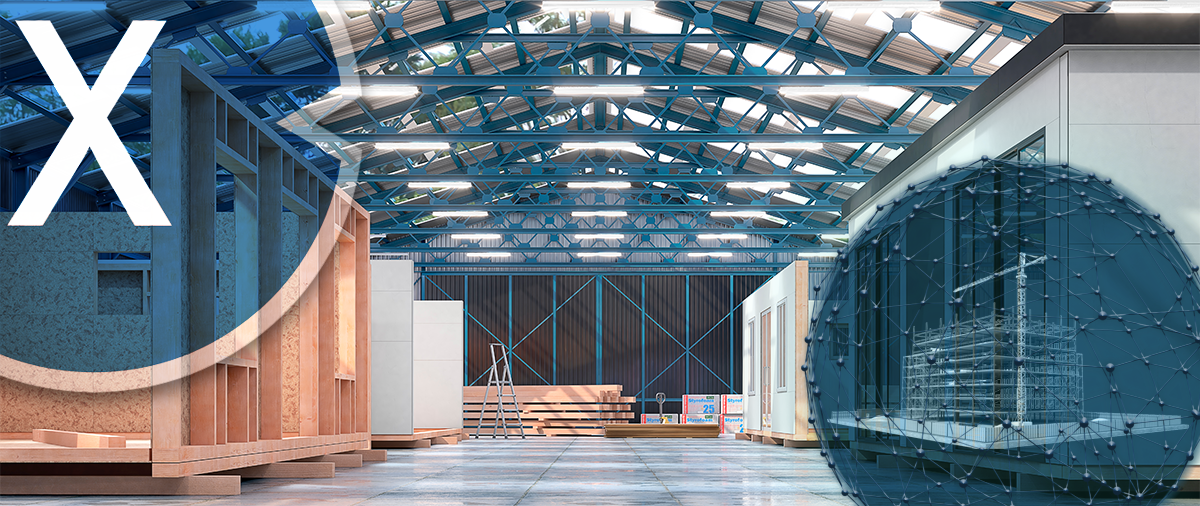
Our experienced team supports you in optimizing your buildings to reduce energy consumption and promote sustainable energy use with photovoltaics. We analyze your individual needs and develop customized concepts that are both economically and ecologically sound. Whether it's the energy-efficient renovation of existing buildings or the construction of new, energy-efficient structures, we are here to help. Industrial plants, retail buildings, and municipal facilities can reduce their energy costs, minimize their environmental impact, and simultaneously improve the comfort and efficiency of their buildings with our tailored solutions.
👨🏻 👩🏻 👴🏻 👵🏻 Energy-efficient renovation and new construction, consulting, planning and implementation for private households
We offer comprehensive support for private households in the energy-efficient renovation and new construction of buildings with photovoltaics. Our experienced team is at your side to assist you with consulting, planning, and implementing your sustainable energy solutions. We analyze your energy consumption, identify potential savings, and develop customized concepts to improve your energy efficiency. From improving building insulation and installing energy-efficient windows and doors to installing photovoltaic and solar thermal systems – we guide you step by step to make your home more energy-efficient and environmentally friendly. Trust in our expertise and benefit from the numerous advantages that energy-efficient renovation and the use of renewable energies offer. Together, we'll create a sustainable future for your home.
Plan your solar system for the most common applications conveniently online with our solar system planner!
With our user-friendly solar system planner, you can design your individual solar system online. Whether you need a solar system for your home, your business, or for agricultural purposes, our planner allows you to consider your specific requirements and develop a customized solution.
The planning process is simple and intuitive. You simply enter the relevant information. Our planner takes this information into account and creates a customized solar system that meets your needs. You can try out different options and configurations to find the optimal solar system for your application.
Furthermore, you can save your plan to review it later or share it with others. Our customer service team is also available to answer any questions and provide support to ensure your solar system is optimally planned.
Use our solar system planner to design your individual solar system for the most common applications and accelerate the transition to clean energy. Get started now and take an important step towards sustainability and energy independence!

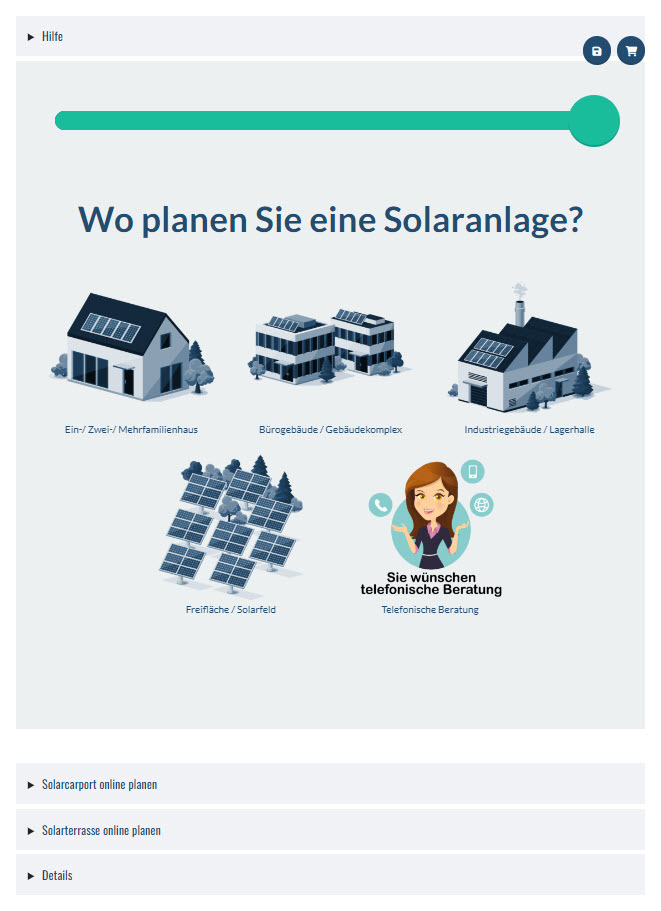
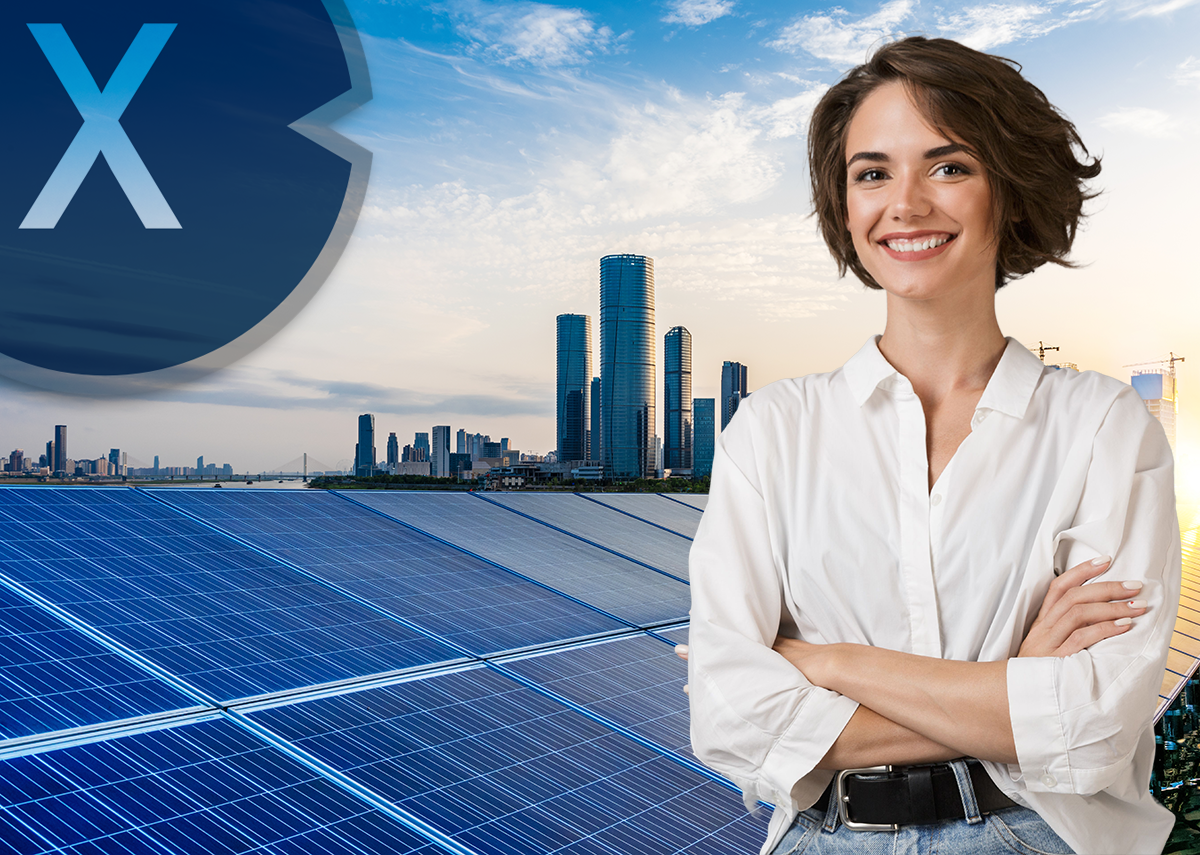
The solar system planner for the most common applications: Plan your solar system online here - Image: Xpert.Digital
More information here:
In short: Using renewable energies: Solar panels and heat pumps as an environmentally friendly solution 🔧🌞💡
Summary:
🌞 Solar power systems are an environmentally friendly and sustainable solution for generating renewable energy and reducing CO₂ emissions.
Important details about the solar system and heat pump:
- The solar power system uses photovoltaic modules, mostly made of silicon, to convert sunlight into electricity.
- The advantages of solar power systems are sustainable energy, cost savings and environmental friendliness.
- The efficiency of the system depends on site factors such as orientation, angle of inclination and shading.
- Storage systems such as batteries can optimize self-consumption.
- Adding a heat pump enables the use of renewable energy for heating and hot water preparation.
- Excess electricity can be fed into the public grid, which is financially supported in some countries.
- Installing a solar power system is a long-term investment with amortizing costs over time.
Hashtags:
#SolarSystems #SustainableEnergy #HeatPump #RenewableEnergy #FundingPrograms
5 tips to consider when installing a rooftop solar system
When installing a rooftop solar system, there are several important points to consider to ensure that the system operates efficiently and makes a positive contribution to environmentally friendly energy supply in the long term. Here are five tips to help you with the installation of your solar system on the roof:
1. Site selection and orientation
- Choosing the right location is crucial for the efficiency of your solar system. Ensure your roof is in a location with as little shading as possible and has optimal sun exposure. In Central Europe, a south-facing orientation is most effective, but a southwest or southeast orientation can also yield good results.
- Keep in mind that shading from surrounding buildings, trees, or other obstacles can significantly impair the performance of the solar panels. A thorough site analysis or professional consultation can help determine the ideal location.
2. Roof statics and load-bearing capacity
- Solar panels are not lightweight, so it's important to check your roof's load-bearing capacity. The system should be mounted securely and stably to withstand wind and snow loads. A structural engineer can advise you on your roof's load-bearing capacity and suggest any necessary reinforcements.
- Furthermore, the roof pitch should be taken into account. An optimal pitch of approximately 30 degrees allows for better utilization of solar radiation and thus a higher energy yield.
3. Choose high-quality components
- Invest in high-quality solar panels and inverters. Quality components have a longer lifespan and offer better performance. Compare different manufacturers and pay attention to warranty terms.
- Additionally, it is advisable to look for certifications such as the TÜV seal to ensure that the system meets applicable safety standards.
4. Assembly by professionals
- Installing a solar panel system on the roof is not a simple DIY task. It requires expertise, experience, and specialized tools to mount the system safely and professionally. Therefore, it is advisable to have the installation carried out by trained professionals.
- A certified solar installer can professionally install the system, make the electrical connection, and ensure the system's functionality.
5. Permits and feed-in tariff
- Inform yourself about local regulations and permitting procedures for building a solar power system. Depending on the region and the size of the system, various permits may be required.
- Many countries offer feed-in tariffs where surplus electricity generated is fed into the public grid and compensated. Find out about these options to take advantage of additional financial incentives.
➡️ Installing a rooftop solar system requires careful planning to achieve the best possible performance and efficiency. With a well-thought-out location, high-quality components, and professional installation, you can create your own environmentally friendly energy source and contribute to climate protection.
Expert advice on energy-efficient renovation and new construction with solar solutions and heat pumps/air conditioning systems

Konrad Wolfenstein
I would be happy to serve as your personal advisor.
You can contact me by filling out the contact form below or simply call me on +49 7348 4088 965 .
I'm looking forward to our joint project.
Write to me


Xpert.Digital – Konrad Wolfenstein
Xpert.Digital is a hub for industry focusing on digitalization, mechanical engineering, logistics/intralogistics and photovoltaics.
With our 360° Business Development solution, we support renowned companies from new business to after-sales.
Market intelligence, smarketing, marketing automation, content development, PR, mail campaigns, personalized social media and lead nurturing are part of our digital tools.
You can find more information at: www.xpert.digital – www.xpert.solar – www.xpert.plus
Keep in touch