

Published on: December 2, 2024 / Updated on: December 2, 2024 – Author: Konrad Wolfenstein
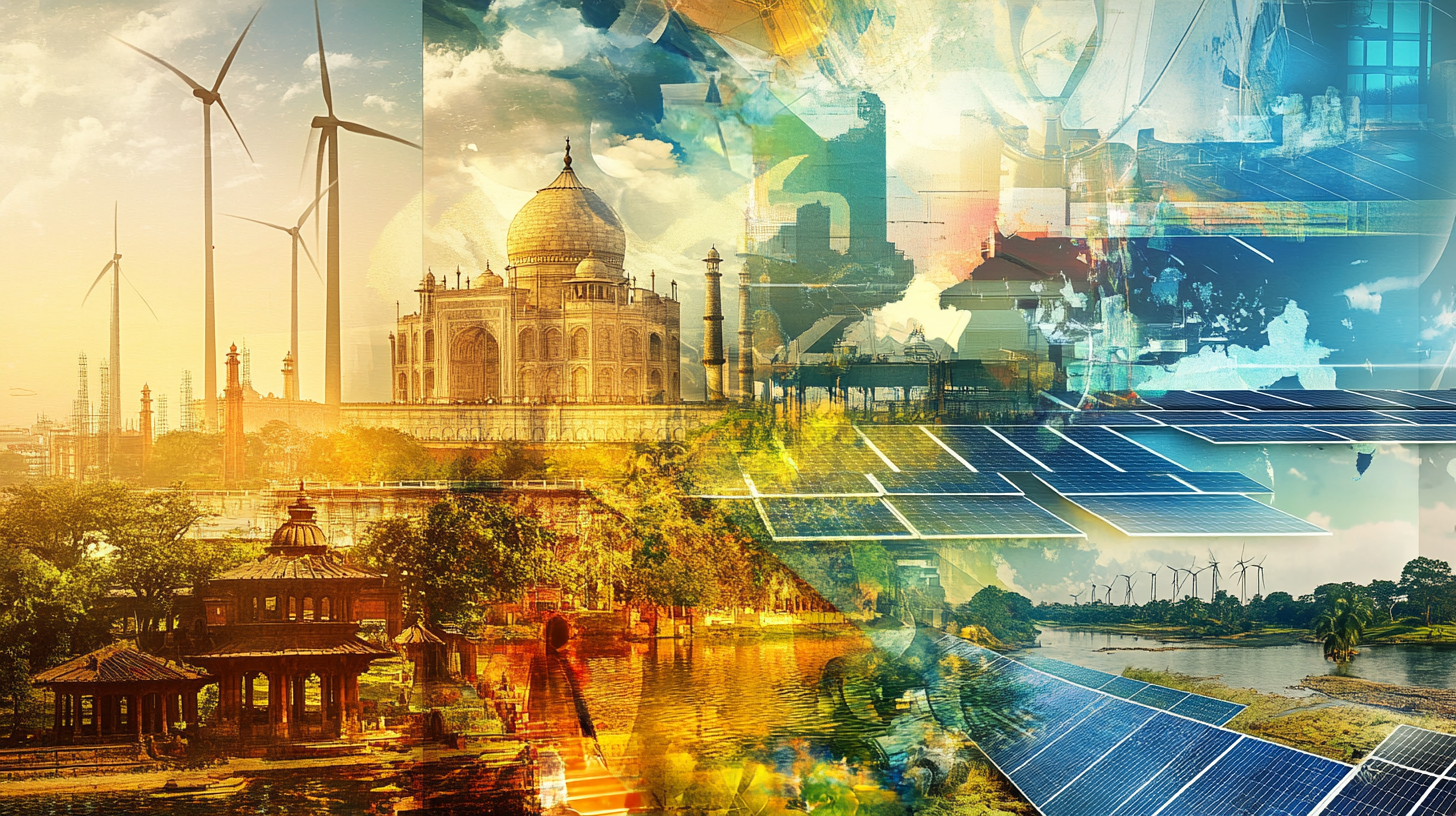
An insight into India's energy infrastructure and renewable energies with a comparison to China, the USA, Japan, Germany and Brazil – Creative image: Xpert.Digital
India's green progress: 416 GW of installed capacity and a clear plan for the future
Future-proof growth: India's impressive renewable energy record
Renewable energy sources are playing an increasingly important role in India's energy mix. As of October 2024, the country's total installed power plant capacity was approximately 416 gigawatts (GW), of which around 40% came from renewable energy sources, including large hydropower plants. These figures illustrate India's growing commitment to a sustainable energy future and reducing its dependence on fossil fuels.
India's global position in the energy sector
In international comparison, India occupies a prominent position, although it lags behind the world's leading nations, China and the USA. For better understanding, here is an overview of the installed capacities of some countries:
- China: Approximately 2,500 GW installed capacity
- USA: Approximately 1,200 GW
- Japan: Approximately 290 GW
- Germany: Approximately 230 GW
- Brazil: Approximately 190 GW
- Argentina: Approximately 40 GW
These comparative figures show that despite impressive capacities, India still has considerable growth potential, particularly in the field of renewable energies.
Breakdown of renewable energy capacities in India
India's renewable energy capacity is spread across various sources:
- Solar energy: Approximately 70 GW
- Wind energy: Approximately 42 GW
- Large hydropower plants: Approximately 45 GW
- Small hydropower: Approximately 5 GW
- Bioenergy: Approximately 10 GW
This diverse composition underlines the country's efforts to diversify its energy mix and make it more sustainable.
The role of hydropower
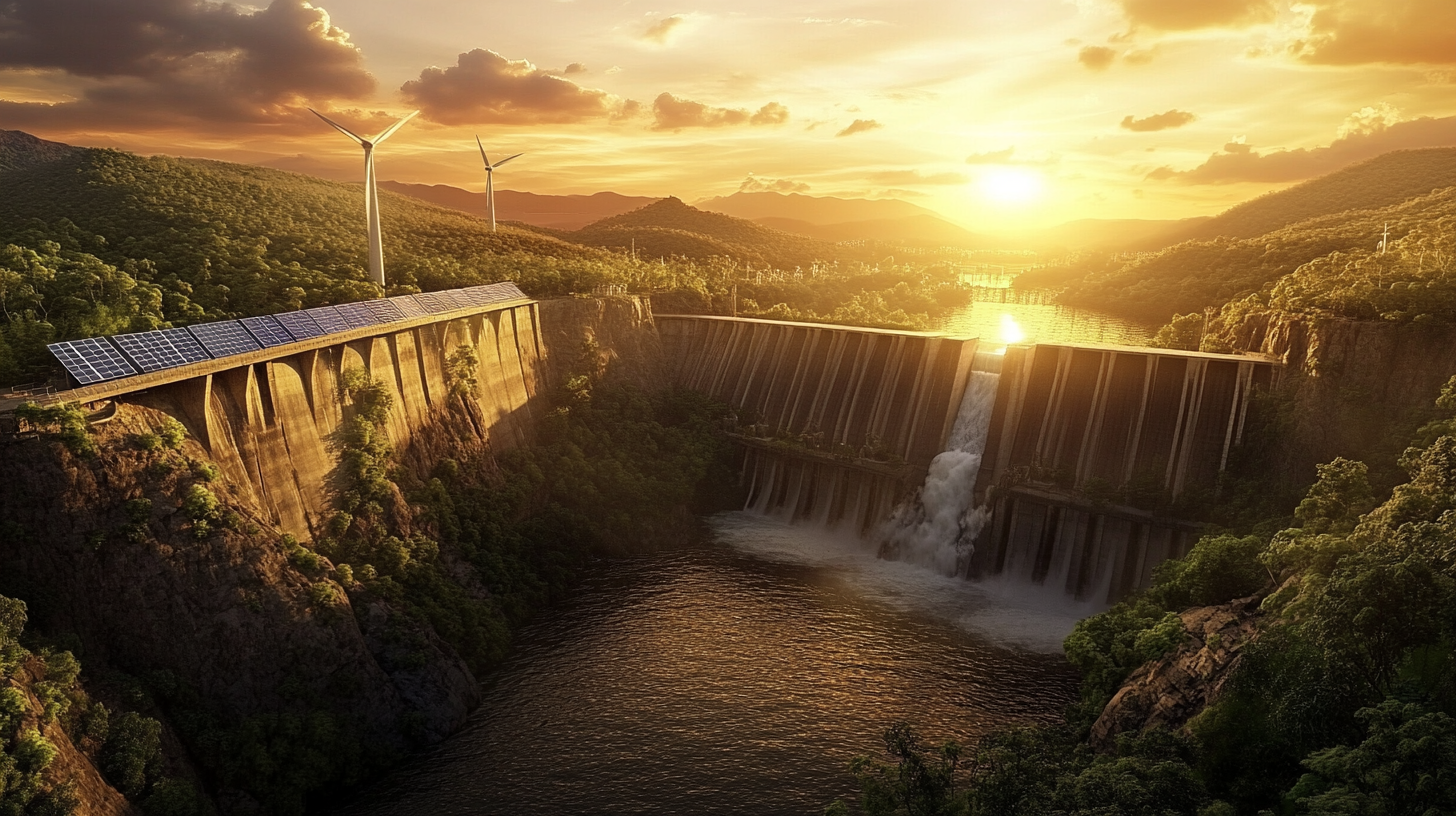
Hydropower is the second largest source of electricity generation in India after coal – Creative image: Xpert.Digital
Hydropower is the second largest source of electricity generation in India after coal. It plays a crucial role in meeting the growing energy demand and simultaneously contributes to reducing greenhouse gas emissions. The mountainous regions of northern and northeastern India offer enormous potential for hydropower projects.
However, large dam projects are often criticized because they can have significant environmental impacts, including the displacement of communities and the disruption of ecosystems. To address these challenges, the Indian government is increasingly promoting the development of small hydropower plants that use less invasive technologies and offer locally adapted solutions.
Expansion of solar energy
Solar energy has experienced impressive growth in recent years. From only about 4 GW in 2015, installed solar capacity rose to around 70 GW by 2023. This exponential growth is the result of targeted government initiatives, financial incentives, and technological advances.
Large-scale solar parks, such as the Bhadla Solar Park in Rajasthan, one of the world's largest, contribute significantly to electricity generation. At the same time, decentralized solar energy is gaining importance, particularly through the installation of rooftop solar panels in urban and rural areas. This development enables households and businesses to produce their own electricity and helps to relieve pressure on the power grid.
Wind energy as a stable pillar
With an installed capacity of approximately 42 GW, India is one of the world's leading producers of wind energy. Favorable wind conditions in the coastal regions and on the plateaus of states such as Tamil Nadu, Gujarat, and Karnataka have facilitated the installation of numerous wind farms.
The government is also investigating the potential of offshore wind energy to further increase capacity. Initial projects and studies are focused on the coastal areas of the Gulf of Khambhat and the Gulf of Mannar.
Bioenergy and its importance
The use of bioenergy offers two advantages: it contributes to energy production and simultaneously helps to address waste problems. Energy is generated by burning agricultural residues, animal waste, and organic matter, which is particularly important in rural areas.
Political measures and objectives
The Indian government has set ambitious targets to promote the expansion of renewable energy. By 2030, it aims for an installed capacity of 450 GW from renewable sources. This initiative is part of India's national contribution under the Paris Climate Agreement and reflects its commitment to reducing CO₂ emissions and promoting sustainable development.
To achieve these goals, various policy instruments were introduced:
- Feed-in tariffs for renewable energies
- Tax incentives and subsidies for investments in renewable energy projects
- Tenders for large solar and wind energy projects to promote competition and cost efficiency
- Promotion of research and development in the field of renewable technologies
Despite the positive developments, renewable energies in India face several challenges:
- Grid integration: The variable nature of solar and wind energy requires adjustments to the electricity grid, including investments in smart grids and energy storage solutions.
- Financing: Significant investments are needed to implement the planned projects. Mobilizing both domestic and international capital is crucial.
- Regulatory framework: Clear and stable policies are needed to give investors confidence and enable long-term planning.
- Social and environmental aspects: When implementing projects, the impact on local communities and the environment must be considered and minimized.
To meet these challenges, India is working closely with international organizations and other countries. Initiatives such as the **International Solar Alliance (ISA)** promote global cooperation in the field of solar energy and support technology transfer as well as access to financing.
The importance of electrification in rural areas
Another focus is the electrification of rural areas. Millions of people in India have long lacked access to a reliable electricity supply. Expanding renewable energy sources, particularly decentralized solutions such as solar power and small hydropower plants, improves the quality of life in these areas and promotes economic development.
Suitable for:
Innovations and future technologies
India is also investing in emerging technologies such as green hydrogen. This can be produced from surplus renewable energy and used as a clean fuel in various sectors, including transport and industry. The development of a hydrogen economy could make a significant contribution to decarbonization.
Education and awareness raising
Promoting education and awareness of renewable energies is also crucial. Training programs and public campaigns educate skilled workers and increase public acceptance of renewable technologies.
Impressive progress and ambitious goals
India's path towards a sustainable energy future is characterized by impressive progress and ambitious goals. The combination of political will, technological innovation, and international cooperation has made the country a key player in the global energy sector.
The continuous expansion of renewable energies not only offers solutions to environmental problems but also promotes economic growth and social development. India demonstrates that it is possible to meet the increasing energy needs of a growing country sustainably while simultaneously supporting global climate goals.
With continued commitment and strategic investment, India has the potential to take a leading role in the global energy transition and serve as a model for other nations embarking on the path to a greener future.
Suitable for: