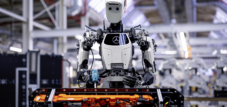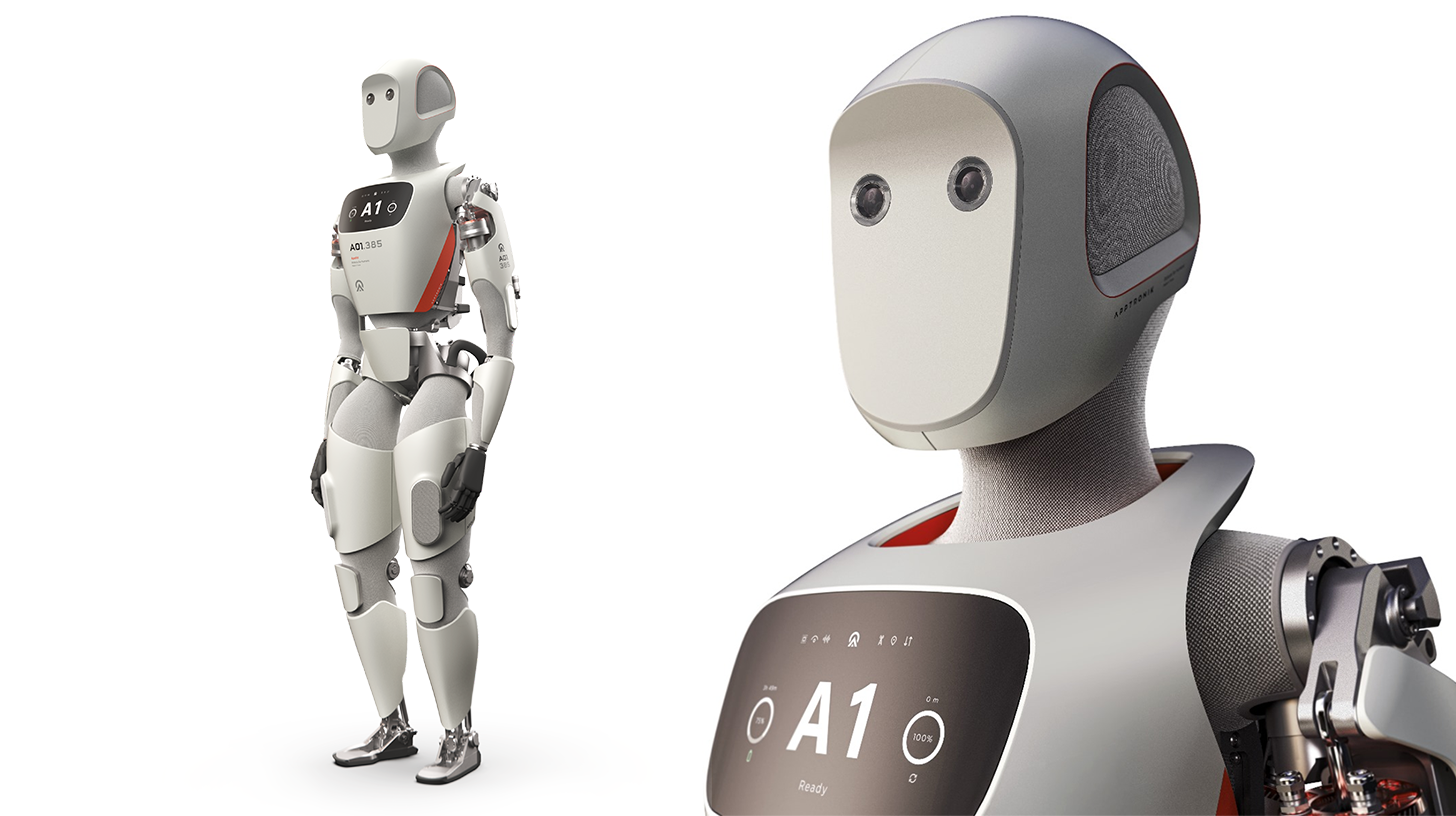
Humanoid warehouse robotics: Apptronik Apollo – The versatile humanoid robot pioneer for logistics and manufacturing – Image: Apptronik
The next stage of automation: Humanoid robots in industrial use (Reading time: 48 min / No advertising / No paywall)
The rise of humanoid robots in industry
In a world characterized by rapid technological advancements and an increasing focus on automation, a new generation of robots is entering the industrial arena: humanoid robots. These human-like machines, once the stuff of science fiction, are now becoming a reality and promise to fundamentally transform the world of work. At the forefront of this development is the Apptronik Apollo, a versatile humanoid robot specifically designed for the demanding tasks in logistics and manufacturing.
Apptronik, an innovative Texas startup, aims to redefine the boundaries of robotics. With Apollo, they present a robot that impresses not only with its technical capabilities but also with its human-centered design and its ability to be integrated into existing work environments. This report explores the fascinating details of the Apollo robot, its potential applications in logistics and manufacturing, the associated benefits and challenges, as well as the competitive landscape and future prospects of this exciting technology.
Apptronik and Apollo: A vision becomes reality
Apptronik: Founding and Mission – Humans and Machines in Harmony
Apptronik was founded in 2016 with a clear vision: to develop next-generation robots that are not only efficient and powerful, but also prioritize human-machine collaboration. The founding date, which is confirmed by various sources such as the company website, Pitchbook, and Tracxn, underscores the solid foundation of this young company.
Apptronik's origins lie in the renowned Human Centered Robotics Lab at the University of Texas at Austin. This academic foundation is crucial, as it provided the company with a strong research background and access to highly skilled talent from the very beginning. As a spin-off, Apptronik benefited from the university's resources and expertise, which significantly accelerated its technological development.
Apptronik's mission can be summarized in a concise sentence: "It's not man versus machine, but man + machine." This philosophy is at the heart of the company's ethos and emphasizes the collaborative role of robots. Instead of replacing human workers, robots are intended to serve as tools that augment and complement human capabilities. This human-centered approach distinguishes Apptronik from many other robotics companies and could be the key to the widespread acceptance of its technology across various industries. Companies concerned about the ethical implications of automation and the morale of their employees will find this philosophy to be an important point of reference.
Apptronik's overarching goal is to develop machines that enable people to reach their full potential. This ambitious objective goes far beyond simply automating tasks. Apptronik strives to blur the lines between art and technology and create a future where robots and humans work seamlessly together to achieve great things. This long-term vision points to a broad field of application that extends beyond logistics and manufacturing to include areas such as healthcare, elderly care, and many other sectors where humanoid robots can make a valuable contribution.
Apptronik's development to date is impressive. The company has already developed a wide range of robots, including exoskeletons to assist human workers, humanoid torsos for research purposes, bipedal mobility platforms for challenging environments, and unique robotic arms for precision tasks. This diverse experience in robotics has provided Apptronik with a solid foundation for the development of the humanoid robot Apollo. Working with various types of robots has yielded valuable insights in areas such as actuators, control systems, mobility, and human-robot interaction, all of which have been incorporated into Apollo's development.
Related to this:

The Genesis of Apollo: A Decade of Innovation
Apollo isn't simply a robot that appeared overnight. It's the result of nearly a decade of intensive research and development at Apptronik. The experience and insights gained from working on 15 previous robot models, including NASA's Valkyrie robot, significantly contributed to Apollo's development. This long development time and the impressive number of predecessor models demonstrate the maturity and expertise of the Apptronik team. Compared to companies new to the field of humanoid robotics, Apptronik has a considerable head start in experience.
The connection to NASA and the involvement in the development of the Valkyrie robot are particularly noteworthy. NASA is known for its expertise in demanding technological projects, and the collaboration on Valkyrie, a highly advanced humanoid robot for disaster relief and space missions, has provided Apptronik with invaluable knowledge and skills. Apptronik's founders first collaborated with NASA in 2015 as part of the DARPA Robotics Challenge. This involvement in one of the world's most prestigious robotics competitions underscores the company's focus on developing robots for real-world, challenging scenarios. The DARPA Robotics Challenge aimed to develop robots capable of operating in complex and hazardous environments, and participation in this competition has profoundly shaped Apptronik's development processes and design philosophy.
Apollo was officially unveiled in 2023. This marked a crucial milestone for Apptronik, as the humanoid robot transitioned from the development stage to the market launch phase. From the outset, Apollo was designed with a focus on human-friendly interaction, mass production, high performance, and safety. These design priorities reflect Apptronik's desire to create a humanoid robot that is not only technologically advanced but also practical and suitable for widespread acceptance in human-centered environments. The focus on "human-friendly interaction" considers ease of use and acceptance by human colleagues, while "mass production" aims for scalability and cost-effectiveness. "High performance" ensures that Apollo can reliably and efficiently perform its assigned tasks, and "safety" is paramount, especially in industrial environments where humans and robots work closely together.
Technical specifications of the Apollo robot: A look under the hood
Physical attributes: Human dimensions for optimal integration
Apollo, standing 1.73 meters (5 feet 8 inches) tall and weighing 72.6 kilograms (160 pounds), is sized to integrate seamlessly into workspaces designed for humans. This human-like size is a crucial advantage, as Apollo can utilize existing infrastructure, tools, and workflows without requiring extensive modifications. In warehouses, Apollo can easily navigate aisles designed for human workers and forklifts. In manufacturing facilities, it can be deployed at workstations optimized for human assembly workers.
Apollo's weight has also been carefully chosen. At 72.6 kilograms, it is robust and stable enough to lift and move heavy loads, yet light enough to be moved or repositioned by people when necessary. This balance between stability and mobility is essential for practical use in dynamic work environments.
Performance: Strength, endurance, and adaptability
Apollo boasts an impressive payload capacity of 25 kilograms (55 pounds), with some sources even citing a capacity of 29 kilograms. This lifting power allows Apollo to handle a wide variety of typical boxes, containers, and materials commonly found in logistics and manufacturing. Whether it's picking goods in a warehouse, stacking boxes on pallets, or loading machines in production, Apollo is capable of performing these tasks efficiently and reliably. The slight discrepancy between the payload figures (25 kg vs. 29 kg) could be due to different testing conditions or robot configurations, but it doesn't change the fact that Apollo delivers remarkable performance in this area.
Apollo's battery life is 4 hours per battery. In an industrial environment where productivity and continuous operation are critical, a long battery life is essential. Four hours of operation allows Apollo to work a full shift, or a significant portion thereof, before a battery change is required. To minimize downtime and ensure continuous operation, Apollo features hot-swappable batteries. This means the batteries can be replaced while the robot is running, without shutting it down. With a system of interchangeable batteries, it is potentially possible to achieve 22 hours of continuous operation. This capability is particularly important for applications requiring uninterrupted operation across multiple shifts. The claim of 22 hours of continuous operation suggests the need for multiple battery packs and efficient battery management, but the possibility of near-continuous operation is a major advantage for industrial applications.
Another important feature of Apollo is its force control architecture. This technology ensures safe operation in close proximity to people, making Apollo a type of collaborative robot (cobot). Unlike conventional industrial robots, which for safety reasons usually have to work in cages or segregated areas, Apollo can work side-by-side with human employees. The force control allows Apollo to react to unexpected collisions or resistance and immediately adjust its movements to prevent injuries. This safety feature is crucial for the acceptance and use of humanoid robots in human-centered work environments.
Apollo's modular design is another key aspect of its versatility. The robot can be mounted on various bases, including legs for navigating uneven terrain or narrow aisles, a wheeled base for faster transport in open areas, or a pedestal for stationary tasks. This modularity allows Apollo to be adapted to different tasks and environments within a logistics or production facility. By changing the base, Apollo can be optimized for a wide range of applications, increasing its potential range and return on investment. For example, Apollo could be used in a warehouse on legs to pick goods from shelves and then converted to a wheeled base for faster pallet transport.
Unique technology: Linear actuators and intuitive interaction
Apollo differs from many other humanoid robots in its use of linear actuators instead of conventional rotary actuators. This innovative technology is a key aspect of Apollo's design and offers a number of potential advantages. Linear actuators more accurately mimic the mechanics of human muscles than rotary actuators. They generate linear motion, much like a muscle contracting and relaxing. In contrast, rotary actuators generate rotational motion, which then has to be converted into linear motion via complex gears and mechanisms.
The use of linear actuators could offer Apollo advantages in terms of cost, simplicity, reliability, and supply chain. Linear actuators are generally simpler in design and less expensive to manufacture than sophisticated rotary actuators with gears. The simpler mechanics could also lead to greater reliability and lower maintenance costs. Furthermore, the use of linear actuators could simplify the supply chain, as they may be more readily available and less specialized than certain types of rotary actuators. It is important to note that this is a relatively unconventional approach in humanoid robotics, and it remains to be seen how this technology will perform in practice. However, Apptronik is strongly invested in the advantages of linear actuators and sees them as a significant competitive advantage.
For advanced perception of its surroundings, Apollo is equipped with stereo vision. Stereo vision allows the robot to perceive spatial depth and create a three-dimensional model of its environment. This is crucial for navigation, object recognition, and manipulation. By using two cameras positioned slightly offset from each other, Apollo can estimate distances and accurately determine the shape and position of objects.
To facilitate human interaction and make the robot more user-friendly, Apollo features intuitive communication capabilities. LEDs in its head, mouth, and chest visually indicate the robot's status and intentions. Digital panels on its face and chest can be used to display more complex information and messages. These features aim to make human-robot interaction more natural and intuitive, thereby increasing Apollo's acceptance in work environments. For example, the LEDs could be used to indicate whether Apollo is currently performing a task, awaiting instructions, or experiencing an error. The digital panels could be used to display more detailed information, such as the current task, battery level, or warning messages.
Apollo's brain, its main computing system, is based on integrated NVIDIA Jetson AGX Orin and Jetson Orin NX modules. NVIDIA Jetson platforms are widely used in robotics and AI research and are known for their high computing power combined with low power consumption. The use of these powerful modules suggests that Apollo possesses significant AI processing capabilities for autonomous operation, real-time image processing, machine learning, and complex decision-making. The NVIDIA Jetson platforms enable Apollo to run sophisticated AI algorithms required for navigating dynamic environments, object recognition, motion planning, and human interaction.
Related to this:
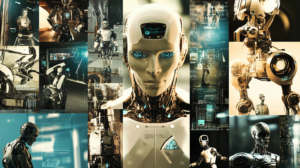
Apollo's applications in logistics: Increasing efficiency in the flow of goods
Specific logistics tasks: Versatility in the warehouse
Apollo was specifically designed for a wide range of common logistics tasks. Its versatility makes it a valuable tool in warehouses, distribution centers, and other logistics facilities. Tasks Apollo can perform include:
Picking boxes
Apollo can remove individual boxes or containers from shelves or pallets and prepare them for further processing or shipping.
Stacking and unloading trailers
Apollo can unload trucks or containers by taking boxes or packages and placing them on conveyor belts or pallets.
Palletizing
Apollo can systematically stack boxes or packages onto pallets to prepare them for transport or storage.
Sort
Apollo can sort items based on various criteria such as size, weight, destination, or product type.
Loading trailers
Apollo can load pallets or individual items into trucks or containers.
Material transport
Apollo can transport materials and goods within the warehouse or distribution center, e.g. between different work areas or to shipping areas.
order picking tasks
Apollo can help in assembling customer orders by finding and providing the required items in the warehouse.
Line delivery
Apollo can supply production lines with materials or components to ensure a smooth production flow.
inspection
Apollo can inspect goods or stock for damage or defects.
Order processing
Apollo can automate various steps of order processing, from picking to shipping.
Inventory management
Apollo can help with inventory management by scanning shelves and updating stock levels in real time.
In warehouse applications, Apollo can lift and transport payloads of up to 25 kg while efficiently navigating aisles. Its ability to operate in human-centric environments makes it ideal for integration into existing warehouse operations. Apollo can be used in both automated and traditional, manually operated warehouses.
Pilot programs and partnerships in logistics: Practical test at GXO Logistics
To validate Apollo's performance in real-world logistics environments, Apptronik is conducting an early proof-of-concept program with the renowned logistics provider GXO. GXO is a global player in the logistics industry, operating warehouses and distribution centers worldwide for a wide range of clients. As part of the pilot program, Apollo will initially be tested in a GXO laboratory environment to evaluate its capabilities and performance under controlled conditions. Following successful completion of the laboratory tests, a potential deployment of Apollo in a GXO distribution center in the US is planned.
This partnership with GXO is of great strategic importance to Apptronik. GXO offers Apollo the opportunity to demonstrate its capabilities in a demanding, real-world logistics environment. A successful pilot project with GXO could pave the way for wider adoption of Apollo in the logistics industry. Furthermore, Apptronik benefits from the expertise and feedback of GXO, an experienced logistics company, to further optimize Apollo and adapt it to the specific needs of the industry. For GXO, the partnership provides the opportunity to explore the latest advancements in robotics and assess the potential of humanoid robots to automate its operations and increase efficiency.
Impact on logistics processes: Labor shortage and efficiency improvements
Apollo has the potential to revolutionize logistics operations in many ways and address some of the industry's biggest challenges. One of the most pressing problems in logistics is the growing labor shortage. Demand for logistics services is constantly increasing, particularly due to the booming e-commerce sector, while the supply of labor is decreasing in many regions. Apollo can help combat this labor shortage by taking on repetitive, physically demanding, and unattractive tasks for which it is becoming increasingly difficult to find human employees.
By automating these tasks, Apollo can improve job satisfaction and retention among human employees. Relieving people of monotonous and physically demanding activities allows them to focus on more challenging and fulfilling tasks that better utilize their skills and expertise. This can lead to increased motivation, lower employee turnover, and an overall improved work environment.
Another key advantage of Apollo is its potential to increase efficiency and productivity in logistics operations. Robots can perform tasks faster, more accurately, and more consistently than humans, especially when it comes to repetitive activities. By deploying Apollo, companies can shorten their lead times, reduce error rates, and increase the overall capacity of their warehouses and distribution centers. Automation aims to boost production while potentially lowering long-term operating costs. This is a compelling argument for companies to invest in robotics, as it promises a clear economic benefit.
Apollo can also help reduce work-related injuries caused by overexertion and repetitive movements. In the logistics industry, physically demanding tasks such as lifting, carrying, and stacking heavy loads are common, which can lead to musculoskeletal disorders and other injuries. By taking over these tasks, Apollo can improve employee safety while simultaneously reducing insurance and absenteeism costs. This aligns with the growing focus on employee well-being and compliance with strict safety regulations.
Apollo's modular design offers added flexibility and adaptability for logistics operations. By changing its base, Apollo can be optimized for different tasks and environments. For example, Apollo could be used on legs to navigate narrow warehouse aisles and then converted to a wheeled base to transport pallets more quickly in open areas. This flexibility allows companies to tailor Apollo to their specific needs and optimize its performance for various logistics workflows.
Our recommendation: 🌍 Limitless reach 🔗 Connected 🌐 Multilingual 💪 Sales power: 💡 Authentic with strategy 🚀 Innovation meets 🧠 Intuition


From local to global: SMEs conquer the world market with a clever strategy - Image: Xpert.Digital
In an era where a company's digital presence determines its success, the challenge lies in creating an authentic, personalized, and far-reaching presence. Xpert.Digital offers an innovative solution that positions itself as the intersection of an industry hub, a blog, and a brand ambassador. It combines the advantages of communication and sales channels in a single platform and enables publication in 18 different languages. Cooperation with partner portals and the ability to publish articles on Google News and a press distribution list with approximately 8,000 journalists and readers maximize the reach and visibility of the content. This represents a crucial factor in external sales and marketing (SMarketing).
More information here:
Increasing efficiency: Apollo's application possibilities in automation
Apollo's applications in manufacturing: Shaping the factory of the future
Specific manufacturing tasks: The all-purpose robot for the factory
Similar to its role in logistics, Apollo is designed for a wide range of manufacturing tasks. Its versatility makes it a potential all-purpose robot for factory environments and underscores its potential to fundamentally change the way products are manufactured. Manufacturing tasks that Apollo can perform include:
Machine operation
Apollo can operate machines such as CNC machines, injection molding machines or presses by inserting workpieces, starting programs and monitoring the production process.
Line assembly
Apollo can supply production lines with components or workpieces, thus ensuring a continuous production flow.
workpiece movement
Apollo can transport workpieces between different workstations or production areas.
Assembly
Apollo can help with the assembly of products by joining components, tightening screws, or applying adhesives.
Machine loading
Apollo can insert heavy or bulky workpieces into or remove them from machines.
welding
Apollo can perform welding work on metal structures or components using special tools.
screws
Apollo can tighten screws or other fasteners to fix components.
Polishing and grinding
Apollo can polish or grind surfaces to smooth or refine them.
Gluing and dispensing
Apollo can precisely dose and apply adhesives or sealants.
Inspection and quality control
Apollo can inspect manufactured products for defects or deviations from quality standards.
Painting
Apollo can paint or coat surfaces using special spray tools.
Quality inspection
Apollo can perform various quality checks, such as dimensional checks, surface inspections or functional tests.
This broad applicability makes Apollo attractive to manufacturers with diverse automation requirements. Whether in the automotive industry, electronics manufacturing, food production, or other sectors, Apollo can be used in various areas to optimize processes and increase efficiency.
Related to this:
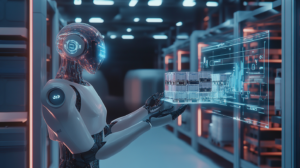
Cooperation and testing in manufacturing: Mercedes-Benz and Jabil as partners
Apptronik has established significant collaborations with leading companies in the manufacturing industry to test and implement Apollo in real-world production environments. A particularly important partnership exists with Mercedes-Benz, one of the world's most prestigious automotive manufacturers. Mercedes-Benz is piloting Apollo humanoids in its production facilities to automate low-skilled, physically demanding manual labor. The tests are taking place at plants in Germany and Hungary, underscoring the global relevance of this technology.
The partnership with Mercedes-Benz sends a strong signal about the acceptance and potential of humanoid robots in the automotive industry. The automotive industry has long been a pioneer in adopting advanced automation technologies, and Mercedes-Benz's decision to test Apollo demonstrates the company's confidence in the performance and reliability of this new generation of robots. For Apptronik, the collaboration with Mercedes-Benz provides valuable insights into the specific requirements and challenges of automotive production, enabling the company to further optimize Apollo and adapt it to the needs of this sector.
Another important collaboration exists with Jabil, a global manufacturing services provider. Apptronik and Jabil have entered into a pilot agreement and strategic partnership encompassing several aspects. Firstly, Jabil will assist in the production of Apollo humanoid robots and support their mass production. Secondly, Apollo will be integrated into Jabil's manufacturing processes to improve efficiency and automation in Jabil's own factories. A particularly ambitious goal of this collaboration is for Apollo robots to eventually build other Apollo robots. This vision of "robot self-replication" underscores the long-term potential of humanoid robots to fundamentally transform the manufacturing industry. The collaboration with Jabil is crucial for Apptronik, as it enables the company to scale Apollo production, reduce manufacturing costs, and accelerate time to market.
Integration into existing manufacturing systems: Simple implementation without factory modifications
A key advantage of Apollo is its ability to operate in environments designed for humans. This means companies can integrate Apollo into their existing manufacturing facilities without undertaking extensive and costly factory modifications. Unlike traditional industrial robots, which often require specialized safety devices, protective barriers, and adapted infrastructure, Apollo can typically be deployed directly at human workstations. This ease of integration significantly reduces initial investment and the potential disruptions associated with automation.
To ensure the safe and efficient operation of Apollo in manufacturing environments, Apptronik works closely with Texas Instruments (TI). Texas Instruments is a leading manufacturer of semiconductor solutions and possesses extensive expertise in functional safety, motor control, and power management. Through this collaboration with TI, Apptronik can ensure that Apollo meets the highest safety standards while delivering optimal performance and energy efficiency. TI's expertise is crucial for enhancing Apollo's core functionality and safety for demanding industrial applications.
Mercedes-Benz is using an innovative training method to prepare Apollo robots for their tasks in manufacturing. Through teleoperation, human operators will remotely control Apollo and teach it movements and workflows. This method allows Apollo to be trained quickly and efficiently for specific manufacturing tasks before it performs them autonomously. Teleoperation enables the direct transfer of human knowledge and skills to the robot, thus accelerating the learning process. Once Apollo has learned the basic movements and workflows, it can perform these tasks autonomously and repeatably. This training method could significantly accelerate the introduction of robots for specific manufacturing tasks and shorten the time to productive use.
Advantages of humanoid robots in logistics and manufacturing: More than just automation
General advantages: Flexibility, adaptability, and human-robot collaboration
Humanoid robots offer a multitude of advantages in logistics and manufacturing that extend beyond mere automation. Their unique combination of dexterity, adaptability, and human-like design opens up new possibilities for optimizing workflows and improving working conditions.
One of the greatest advantages of humanoid robots is their flexibility and adaptability. Unlike specialized robots designed for narrowly defined tasks, humanoid robots can perform a wider range of tasks and adapt to changing requirements. Their human-like form and ability to move in diverse environments allow them to assume dynamic roles in various fields. This flexibility is particularly valuable in modern warehouses and factories, where requirements can change rapidly and a high degree of adaptability is essential.
Humanoid robots are easier to integrate into existing, human-centered systems. Because they are designed to operate in human-made environments, they typically do not require extensive adjustments to infrastructure or workflows. This reduces implementation costs and time, enabling faster and simpler integration into existing work environments.
Compared to specialized robots, humanoid robots can perform a wider range of tasks. This makes them particularly suitable for modern warehouses and factories where a variety of different tasks arise. Their versatility allows companies to use their robotic resources more efficiently and automate a broader range of processes.
Their flexibility allows them to be deployed even during peak periods without significant operational changes. During times of high demand or seasonal fluctuations, companies can quickly and easily deploy humanoid robots to create additional capacity and avoid bottlenecks. This increases the responsiveness and flexibility of operations.
Humanoid robots can take over unpleasant and physically demanding tasks, freeing up human employees for more complex and value-added work. By automating monotonous, repetitive, and physically taxing activities, companies can improve working conditions for their employees and increase job satisfaction. People can then focus on tasks that require creativity, problem-solving skills, and human interaction.
Their mobility and dexterity enable them to handle a wide variety of objects of different shapes, sizes, and weights. Humanoid robots are capable of grasping, moving, and manipulating a broad range of items, making them suitable for various tasks in logistics and manufacturing.
Natural and intuitive interaction with humans is another important advantage of humanoid robots. Their human-like design and ability to communicate facilitate collaboration and interaction with human colleagues. This promotes the acceptance of robots in work environments and enables effective human-robot cooperation.
Humanoid robots can take over dangerous or repetitive tasks, thereby reducing the risk of injury to human employees and improving safety. In hazardous environments or for repetitive activities that could lead to strain injuries, robots can be used to ensure the safety and well-being of employees.
Overall, these capabilities lead to improved efficiency and productivity in logistics and manufacturing processes. By automating tasks, improving working conditions, and optimizing resource utilization, companies can use humanoid robots to increase their competitiveness and improve their business results.
Related to this:

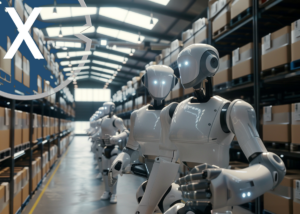
Specific advantages in manufacturing: precision, consistency, and quality improvement
In manufacturing, humanoid robots offer additional specific advantages that directly contribute to improving production quality, efficiency, and flexibility.
Humanoid robots offer improved accuracy and consistency in manufacturing processes. Their precise movements and ability to repeat tasks with high accuracy reduce errors and scrap in production. This leads to higher product quality and lower production costs.
They contribute to higher product quality through precision and repeatability. By automating tasks that require high precision, companies can ensure that products consistently meet quality standards and increase customer satisfaction.
Through continuous operation, humanoid robots can increase efficiency and output in manufacturing. Robots can work around the clock without breaks or fatigue, leading to higher production output and better utilization of production facilities.
Humanoid robots offer increased flexibility when switching between different production processes. Their versatility and adaptability allow companies to quickly and easily switch between different products or production lines without significant changeover times or adjustments. This increases the flexibility and responsiveness of manufacturing.
They can contribute to job creation and preservation by moving people into more highly skilled positions. By taking over repetitive and physically demanding tasks, humanoid robots enable companies to deploy their employees in more challenging and value-added areas, such as programming, maintenance, quality control, or process optimization. This can lead to job enhancement and greater employee satisfaction.
Humanoid robots can reduce employee turnover and recruitment difficulties in manufacturing. By automating unattractive and physically demanding tasks, companies can improve working conditions and increase the appeal of manufacturing jobs. This can help attract and retain staff and reduce recruitment and training costs.
Humanoid robots improve working conditions for people by taking over dangerous or unpleasant tasks. Manufacturing environments often involve hazardous or unhealthy tasks, such as welding, painting, or working with chemicals. By using robots for these tasks, companies can protect the safety and health of their employees.
Humanoid robots facilitate collaboration between humans and robots, providing direct support in manufacturing. By integrating robots into workflows, humans and robots can work side-by-side and complement each other. Robots can assist humans with physically demanding or repetitive tasks, while humans can utilize their skills in areas such as problem-solving, decision-making, and quality control.
Specific advantages in logistics: safety, productivity, and customer satisfaction
Humanoid robots also offer specific advantages in logistics, contributing to more efficient, safer and more customer-oriented goods movement.
Humanoid robots contribute to increased safety in logistics environments by reducing hazardous tasks for employees. Warehouses and distribution centers involve many dangerous activities, such as lifting heavy loads, working at heights, or operating forklifts. By using robots for these tasks, companies can significantly reduce the risk of injury to their employees.
They increase productivity in logistics by automating routine and repetitive tasks. Warehouses and distribution centers involve many repetitive tasks, such as order picking, packing, sorting, and palletizing. By automating these tasks, companies can shorten their lead times, reduce error rates, and increase the overall capacity of their logistics operations.
Humanoid robots offer improved flexibility to respond to changes in logistics demand. In the logistics industry, demand is often subject to fluctuations, such as seasonal variations or sudden spikes. Humanoid robots can be deployed flexibly and quickly adapted to changing requirements to ensure responsive and efficient logistics.
The use of human capital is optimized by deploying people for more strategic tasks in logistics. By using robots for operational tasks, companies can free up their human employees for more demanding and strategic roles, such as planning, process optimization, customer service, or management. This enables more efficient use of human resources and greater added value.
Improved accuracy and on-time delivery enhance customer service in logistics. Humanoid robots can perform tasks more precisely and reliably than humans, resulting in fewer errors in order processing and greater delivery accuracy. This improves customer satisfaction and strengthens customer loyalty.
Furthermore, humanoid robots enable improved inventory management in logistics. By using robots for inventory counting and management, companies can gain a more accurate and up-to-date overview of their stock levels. This allows for better planning, reduced storage costs, and minimized stockouts.
Humanoid robots optimize shipping and loading processes in logistics. By automating tasks such as loading trucks or containers, companies can accelerate their shipping processes, reduce lead times, and improve the efficiency of their logistics chains.
The ability of humanoid robots to operate in existing spaces designed for humans offers a significant advantage over traditional automation. Companies can avoid costly and time-consuming infrastructure modifications, accelerating and reducing the cost of robot implementation. This makes humanoid robots an attractive option for businesses looking to modernize their logistics and manufacturing operations.
Challenges in the implementation of humanoid robots: The path to widespread acceptance
Technical challenges: Stability, perception, and dexterity
Although humanoid robots like Apollo hold great promise, their development and implementation in logistics and manufacturing present significant technical challenges.
One of the biggest challenges is achieving a stable bipedal gait and dynamic balance. Walking on two legs is a complex task for robots, requiring precise control systems, sophisticated sensors, and robust mechanics. Maintaining balance in dynamic environments and during unexpected disturbances is a constant challenge for developers of humanoid robots.
Ensuring energy efficiency and battery life is another important technical challenge. Humanoid robots require a great deal of energy to perform their complex movements and operate their sensors and computing systems. The development of energy-efficient actuators, control systems, and batteries is crucial to extending battery life and enabling the practical use of humanoid robots in industrial environments.
The development of robust control systems is crucial to ensuring that humanoid robots can perform tasks reliably and safely. These control systems must be able to plan complex movements, react to unexpected events, and precisely control interaction with the environment.
Another challenge is robot-assisted perception, that is, the robot's ability to understand and interpret its environment. This includes processing sensor data such as images, depth information, and force measurements to recognize the position of objects, avoid obstacles, and map the environment. Advanced algorithms for image recognition, object detection, and environmental modeling are required to enable humanoid robots to operate in complex and dynamic environments.
The skillful manipulation of objects is another key technical challenge. Humanoid robots must be able to grasp, move, and manipulate a wide variety of objects of different shapes, sizes, and weights safely and precisely. The development of grippers and hands that mimic the dexterity and adaptability of human hands is an active area of research in robotics.
Real-time image recognition and processing are essential for enabling humanoid robots to react quickly and efficiently to changes in their environment. Processing large amounts of image data in real time requires powerful computing systems and efficient algorithms.
Predictive motor control for rapid maneuvers is essential for enabling humanoid robots to move quickly and agilely and to react to unexpected events. Developing control systems that predict future movements is crucial for the performance and safety of humanoid robots in dynamic work environments. Imagine a robot transporting a pallet in a warehouse aisle when a forklift suddenly turns the corner. A predictive control system would allow the robot to quickly assess the situation, correct its course, and avoid a collision without losing its balance or dropping the pallet.
Managing kinematic redundancy is another technical challenge. Humanoid robots have many degrees of freedom in their joints, which, while giving them high flexibility, also makes control more complex. Kinematic redundancy means that there are often multiple ways to move the robot arm or the entire system to achieve a specific goal. The control systems must be able to select the optimal solution from these many possibilities to ensure efficient and smooth movements. This requires sophisticated algorithms that take into account factors such as energy consumption, joint limits, and obstacle avoidance.
End-effector trajectory planning is crucial for precise manipulation tasks. The end effector is the tool at the end of the robot arm, such as a gripper or a welding torch. Trajectory planning addresses how the end effector can be moved along an optimal path to perform a specific task, such as picking up or placing an object, or forming a weld. This requires considering factors such as speed, acceleration, collision avoidance, and precision. For complex tasks, such as assembling delicate components, highly accurate trajectory planning is essential.
Finally, predicting wear and tear for longevity and reliability presents a long-term engineering challenge. Industrial robots must be able to operate reliably over extended periods, often under demanding conditions. Predicting the wear of components such as actuators, joints, and sensors is crucial for planning maintenance intervals, minimizing downtime, and maximizing the robot's lifespan. Advanced sensors and condition monitoring algorithms can be used to monitor the condition of robot components in real time and detect early signs of wear.
Related to this:
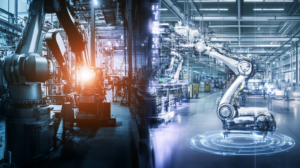
Integration challenges: Seamless integration into existing systems
Integrating humanoid robots into existing warehouse management systems (WMS) and other automation technologies presents a complex challenge. Warehouse management systems are the backbone of modern warehouses, managing all aspects of warehouse operations, from inventory management and order fulfillment to shipping. For the efficient use of humanoid robots, seamless data exchange and coordination between robots and WMS are essential. The robots must receive real-time information about orders, storage locations, inventory data, and routes, and report their progress and task status back to the WMS. Compatibility issues between robot interfaces and WMS systems can lead to delays, data loss, and increased integration costs. Developing standardized interfaces and communication protocols is crucial to simplifying the integration of humanoid robots into existing logistics infrastructures.
In production facilities, compatibility with existing machinery and software is equally important. Modern factories are often highly automated and utilize a variety of machines, control systems, and software applications. Humanoid robots must be able to interact seamlessly with these systems to be efficiently integrated into the production process. Older equipment may lack the necessary interfaces or communication protocols for working with advanced robots. This can necessitate retrofitting or upgrading existing machinery and systems, which can incur additional costs and effort. Developing retrofit solutions and standardized interfaces for older machines is crucial to facilitating the integration of humanoid robots into existing production environments.
In addition to technical integration into existing systems, organizational and procedural adjustments are also necessary. The introduction of humanoid robots can change existing workflows and responsibilities. Companies must analyze their processes to identify the optimal areas of application for robots and adapt workflows accordingly. This can include redesigning workplaces, training employees to work with robots, and adjusting management structures. Careful planning and preparation of the integration are crucial to ensure a smooth transition and the successful implementation of humanoid robots.
Economic and logistical challenges: costs, ROI and scalability
The high development and implementation costs pose a significant economic challenge to the widespread acceptance of humanoid robots. Developing sophisticated humanoid robots like Apollo requires substantial investments in research, development, design, material procurement, and manufacturing. The initial investment in a humanoid robot can represent a significant barrier to entry for many companies, particularly small and medium-sized enterprises (SMEs). To increase the economic appeal of humanoid robots, further technological advancements are needed that lead to cost reductions in development and production.
A thorough cost-benefit analysis and return on investment (ROI) calculation are therefore crucial before companies invest in humanoid robots. Companies must carefully weigh the acquisition costs, operating costs (e.g., energy consumption, maintenance, training), potential savings (e.g., labor costs, increased efficiency, reduction of errors and injuries), and long-term benefits (e.g., increased flexibility, improved competitiveness). The ROI of humanoid robots can vary depending on the use case, industry, and company size. Companies must identify specific use cases where the deployment of humanoid robots offers a clear economic advantage and a positive ROI can be expected.
The complex programming requirements and the need for trained personnel present a further economic and logistical challenge. Humanoid robots are highly sophisticated machines that require specialized programming skills and expertise for their setup, operation, maintenance, and troubleshooting. Companies must either invest in training their existing staff or hire new specialists with the necessary skills. The availability of qualified personnel, particularly in robotics, AI, and automation, is limited in many regions. Companies may need to invest in attractive working conditions and training programs to attract and retain qualified employees.
The scalability of humanoid robot production and deployment is another significant logistical challenge. Mass production of sophisticated humanoid robots at an affordable price requires substantial optimization of supply chains and manufacturing processes. Manufacturing complex robot components, assembly, and quality control in large quantities present considerable logistical challenges. Companies must invest in efficient production facilities, automated manufacturing processes, and robust supply chains to enable mass production of humanoid robots and reduce costs. The logistical challenge of globally deploying humanoid robots, including transportation, installation, maintenance, and support, must also be addressed.
Social and ethical considerations: acceptance, job losses and responsibility
Employee acceptance and potential resistance stemming from fears of job loss are crucial social considerations when introducing humanoid robots. The automation of tasks by robots can trigger fears of job loss and uncertainty about employees' professional futures. It is essential to take these fears seriously and communicate openly and transparently with employees about the role of robots in the workplace. Clear communication about the role of robots as collaborators, not simply as replacements, is of paramount importance. It should be emphasized that robots serve to support and relieve human workers by taking over repetitive, physically demanding, and dangerous tasks, allowing people to focus on more challenging and value-adding activities.
The need to manage the workforce transition through retraining and further education programs is also of paramount importance. The introduction of robots will lead to changes in job requirements and the necessary qualifications. Companies must invest in retraining and further education programs to prepare their employees for the new demands and open up new perspectives and career opportunities. These programs should aim to equip employees with new skills in areas such as robotics, automation, programming, maintenance, and data analysis. By actively shaping this change and investing in the development of their employees, companies can increase the acceptance of robots and ensure that the introduction of automation technologies becomes a win-win situation for all stakeholders.
Ethical guidelines and accountability for robot actions must be established, as the increasing autonomy of robots necessitates ethical frameworks for their behavior. As robots increasingly make independent decisions and perform actions, the question of ethical responsibility and accountability for their actions arises. Clear ethical guidelines and standards for the development, deployment, and interaction of humanoid robots must be established. These guidelines should address aspects such as safety, data protection, fairness, transparency, and accountability. It is crucial to initiate a societal discourse on the ethical implications of robotics and to reach a consensus on the ethical frameworks for the use of these technologies.
The variability of warehouse tasks presents a unique challenge, as humanoid robots require advanced AI and adaptive physical capabilities to handle a wide range of items and situations. Unlike production environments, which are often characterized by standardized processes and products, warehouse environments are typically more dynamic and diverse. Warehouse workers must handle a wide variety of items of different shapes, sizes, weights, and packaging. Humanoid robots must be able to adapt to this variability and respond flexibly to different situations. This requires advanced AI algorithms for object recognition, grasping motion planning, and adaptive control systems that enable the robot to handle even unknown or unexpected items and situations. Developing robust and versatile capabilities for task completion in variable environments is a key challenge for the widespread adoption of humanoid robots in logistics.
Competitive analysis: Apollo compared to its rivals
Key competitors: A growing market with strong players
The market for humanoid robots for industrial applications is becoming increasingly competitive and dynamic. More and more companies are recognizing the potential of this technology and investing in research, development, and market launch of humanoid robots. Apptronik's main competitors include some of the best-known and most innovative companies in the field of robotics and technology.
Tesla, under the leadership of Elon Musk, is a major competitor in the field of humanoid robotics with its Optimus robot. Tesla is known for its expertise in electric mobility, battery technology, AI, and autonomous driving. The Optimus robot benefits from Tesla's extensive resources and know-how in these areas. Tesla positions Optimus as a versatile humanoid robot for a wide range of applications, including manufacturing, logistics, and domestic tasks. Tesla particularly emphasizes Optimus's energy efficiency and suitability for manufacturing.
Figure AI is another emerging company in the field of humanoid robotics, attracting attention with its Figure 01 and Figure 02 models. Figure AI focuses on developing humanoid robots with advanced AI and human-like dexterity. The company places great emphasis on its robots' ability to perform complex tasks in human-centered environments. Figure AI has announced partnerships with companies like BMW to test its robots in automotive production.
Agility Robotics is a company specializing in the development of humanoid robots for logistics and warehousing applications. Their robot, Digit, is specifically optimized for use in warehouses and distribution centers. Digit is designed to automate tasks such as loading and unloading trucks, order picking, and material transport within the warehouse. Agility Robotics emphasizes Digit's mobility, robustness, and ease of integration into existing logistics processes.
Boston Dynamics, known for its impressive and dynamic robots like Atlas and SpotMini, is also a major player in the field of humanoid robotics. Historically, Boston Dynamics has primarily developed research and demonstration robots that push the boundaries of what's possible in robotics. Atlas is a highly advanced humanoid robot capable of performing complex movements, overcoming obstacles, and operating in challenging environments. SpotMini is a smaller, quadrupedal robot distinguished by its agility and versatility. While Boston Dynamics hasn't primarily focused on industrial applications to date, its technologies and expertise could play a significant role in this area in the future.
1X Technologies, with its robots EVE and NEO, is another company making strides in humanoid robotics. 1X Technologies focuses on developing humanoid robots for use in homes and healthcare settings, as well as for industrial applications. EVE is a humanoid robot designed for ease of use and interaction with humans. NEO is a more advanced humanoid robot developed for more demanding tasks and environments.
Sanctuary AI, with its robot Phoenix, is another company focused on developing generalist humanoid robots. Sanctuary AI takes an AI-centric approach and is developing an advanced AI platform called Carbon, which is designed to enable Phoenix to learn and perform a wide range of tasks. Sanctuary AI emphasizes Phoenix's ability to support and complement human work across various industries.
Unitree Robotics, with its humanoid robot H1, is a Chinese company that has rapidly become a major player in robotics. Unitree is known for its affordable and powerful robotic arms and quadrupedal robots. H1 is Unitree's first humanoid robot and aims to be competitive in terms of performance and price.
Neura Robotics, with its 4NE-1 robot, is a German company specializing in collaborative and humanoid robots. The 4NE-1 is a humanoid robot designed for use in various industries, including manufacturing, logistics, and services. Neura Robotics emphasizes the safety, user-friendliness, and flexibility of the 4NE-1.
Apollo's competitive advantages: strength, modularity, and safety
Apollo positions itself in this highly competitive market through its unique technical features and strategic focus. Compared to some competitors like the Figure 01 and Tesla Optimus, Apollo offers a higher payload capacity. With a payload of 25 kg (and potentially up to 29 kg), Apollo can handle heavier loads than some of its competitors, making it more attractive for certain logistics and manufacturing applications where lifting and moving heavy objects is crucial.
Apollo's modularity is another key competitive advantage. The modular design allows Apollo to be adapted to different tasks and environments by replacing the base (legs, wheels, base) and potentially other components as well. This flexibility increases Apollo's potential range of applications and maximizes the return on investment for businesses.
Apollo's unique force control architecture ensures safe human-robot interaction. This feature is crucial for deploying humanoid robots in human-centered work environments where employee safety is paramount. Force control allows Apollo to work alongside humans without the need for complex safety devices.
The use of linear actuators instead of rotary actuators could potentially give Apollo advantages in terms of cost, simplicity, and reliability. This innovative approach to actuator technology differentiates Apollo from many competitors and could lead to lower production costs, easier maintenance, and higher reliability.
Comparison of important humanoid robots for industrial applications
A comparison of key humanoid robots for industrial applications reveals significant differences between the Apptronik Apollo, Tesla Optimus, Figure AI (Figure 01), and Agility Robotics Digit models. In terms of height, the robots range from 1.68 m (Figure AI) to 1.75 m (Agility Robotics), while their weight varies between 60 kg (Figure AI) and 73 kg (Tesla Optimus). Regarding payload, Apollo has the highest capacity at 25 kg, while the other models can each carry 20 kg. Battery life varies from 3 hours (Digit) to 5 hours (Figure AI), although Tesla's Optimus does not provide specific information on this. Different actuator types, such as linear actuators in Apollo and electric actuators in Figure AI and Digit, highlight different technical approaches. The strategic priorities also vary considerably: Apollo focuses on modularity and force control, Tesla Optimus prioritizes energy efficiency and manufacturing, Figure AI emphasizes human dexterity and AI integration, while Digit is specifically optimized for logistics applications. These strategic differences are also reflected in the target applications: Apollo is primarily intended for logistics and manufacturing, while Tesla Optimus targets manufacturing and warehousing. Figure AI combines industrial applications with warehousing, and Digit also focuses on logistics and warehousing. Overall, the comparison underscores that the development of humanoid robots for industrial applications is driven by diverse priorities – from force and modularity to dexterity, energy efficiency, and specific application areas.
Expert opinions and analyst perspectives on Apollo: Promising technology facing a test of its capabilities
Experts and analysts view Apollo as a significant advancement in innovative technology, designed with adaptability and user-friendliness in mind. Apollo is perceived as a robot with the potential to redefine the capabilities of humanoid robots in practice. Experts consider Apollo well-suited for repetitive and physically demanding tasks and recognize its potential to address labor shortages in various industries. The user-friendly software and expressive LED displays are highlighted as positive features that enable intuitive operation and facilitate human-robot interaction.
The integration of Apollo with NVIDIA's Project GR00T, a platform for developing generalist robots, is considered by experts to be a significant step toward improving the robot's AI capabilities. The collaboration with Google DeepMind, a leading artificial intelligence company, aims to further develop AI for general-purpose humanoids and make Apollo even more intelligent and versatile in the future.
Mercedes-Benz, a key partner of Apptronik, sees transformative potential in Apollo for the manufacturing industry. The fact that an established automaker like Mercedes-Benz is investing in Apollo and testing it in its production facilities is a strong indicator of this technology's potential. Experts also emphasize Apptronik's focus on implementation in real-world environments with capital efficiency as unique and promising. The approach of developing humanoid robots for use in existing work environments without requiring major infrastructure modifications is considered a key factor in Apollo's practical applicability and economic viability.
However, concerns and skepticism also exist regarding Apollo and humanoid robots in general. Some experts express concerns about the operational reliability of humanoid robots in demanding industrial environments. The complex mechanics, advanced control systems, and sophisticated sensors of humanoid robots potentially make them more prone to failure and require more maintenance than simpler, specialized robots. Potential cost barriers are also seen as a challenge to widespread adoption. Although the costs of robotics and automation have decreased in recent years, humanoid robots remain a relatively expensive technology. Experts emphasize that the cost of humanoid robots would need to decrease significantly to become economically viable and attractive to a broad range of businesses.
There is also widespread skepticism regarding the practicality and profitability of humanoid robots in certain application areas. Some experts argue that specialized robots or other automation solutions could be more efficient, cost-effective, and reliable than humanoid robots in many cases. The question of whether humanoid robots will actually be able to meet the expectations placed upon them and deliver a clear return on investment remains open for many experts.
Overall, experts acknowledge Apollo's technological achievements and see it as a promising approach to industrial automation. At the same time, however, they emphasize the need to demonstrate its practicality, reliability, and cost-effectiveness in real-world industrial environments. Apollo's success will depend significantly on its ability to operate reliably, deliver the expected performance, and provide companies with a clear return on investment. The ongoing pilot programs and partnerships with companies like Mercedes-Benz and GXO Logistics will be crucial in passing this test and gaining industry confidence in humanoid robots.
Market potential and future prospects for humanoid robots in industry: A billion-dollar market in the making
Total market potential: Exponential growth is expected
The global market for humanoid robots holds enormous potential and is projected to reach a value of US$38 billion by 2035. This impressive forecast underscores the anticipated exponential growth of this market in the coming years. The primary drivers of this growth are the continuous advancements in artificial intelligence (AI) and autonomous systems, which are making humanoid robots increasingly intelligent, versatile, and capable. The rising demand for automation solutions across numerous industries, including manufacturing, logistics, healthcare, and personal assistance, is also a major contributor to market growth.
Apptronik's strategic positioning: Focus on logistics and manufacturing
Apptronik has strategically positioned itself to capitalize on this growing market. The company is initially focusing on logistics and manufacturing as the primary target markets for its Apollo robot. These industries face significant challenges such as labor shortages, increasing cost pressures, and the need for greater efficiency and flexibility. Apollo offers a promising solution by automating repetitive, physically demanding, and unappealing tasks while simultaneously enabling human-machine collaboration.
Apptronik places great emphasis on safety and collaborative human-robot interaction. This is reflected in Apollo's design and technical features, such as its force control architecture and intuitive communication capabilities. The company has established strategic partnerships with industry leaders like Mercedes-Benz, GXO Logistics, and Jabil, as well as technology providers like Google and NVIDIA. These partnerships are crucial for validating the technology, accessing new markets, and accelerating Apollo's market launch. Apptronik also focuses on capital efficiency and real-world implementation. The company takes a pragmatic approach, concentrating on use cases where Apollo offers a clear economic advantage and can be integrated into existing work environments without requiring significant infrastructure upgrades.
Expansion into new sectors and robots that build robots
The use of humanoid robots is expected to expand to other sectors in the future, such as elderly care, disaster relief, and healthcare. In elderly care, humanoid robots can support older people in their daily lives, provide companionship, and summon help when needed. In disaster relief, robots can be deployed in hazardous environments to conduct search and rescue operations, clear debris, and distribute aid supplies. In healthcare, humanoid robots can assist medical personnel with tasks such as patient care, medication administration, and surgical procedures.
There is potential for humanoid robots to become trusted employees in the future, seamlessly collaborating with humans and playing a vital role in many areas of life. Apptronik and Jabil's vision of robots building other robots is a fascinating outlook on the long-term development of robotics. If humanoid robots are capable of self-replication and automating their own production processes, this could lead to a massive acceleration of robotics development and a further reduction in costs.
The substantial funding Apptronik has received and the involvement of key industrial companies indicate strong confidence in the market potential of humanoid robots like Apollo. These investments will drive further development, production, and deployment efforts, contributing to humanoid robots playing an increasingly important role in industry and society in the future.
Apollo – A promising pioneer in humanoid robotics
Apptronik's Apollo robot represents a highly promising solution for automation in logistics and manufacturing. Its key strengths lie in its humanoid design, which enables seamless integration into existing work environments; its high payload capacity, which qualifies it for a wide range of tasks; its modular design, which offers flexibility and adaptability; and its advanced safety features, which ensure safe collaboration with human employees. Strategic partnerships with industry leaders such as Mercedes-Benz and GXO Logistics underscore the growing confidence in the potential of humanoid robots to address the increasing labor shortage and boost efficiency in these key industries.
Despite these promising prospects, several challenges must be addressed to achieve widespread acceptance of humanoid robots like Apollo. These include, in particular, reducing the currently high implementation costs, further simplifying integration into existing complex systems, and convincingly demonstrating long-term reliability and cost-effectiveness in demanding industrial environments. The social and ethical implications of robot deployment, especially regarding job security and employee acceptance, also require careful and responsible consideration and design.
Apptronik, with its Apollo robot, could undoubtedly play a significant role in the emerging future of industrial automation. Its unique technical features, coupled with a strategic focus on real-world, practical applications and strong partnerships, optimally position the company to benefit sustainably from the dynamically growing market for humanoid robots. Companies considering the introduction of humanoid robots should strategically focus on specific, clearly defined use cases, conduct thorough and comprehensive pilot programs, and invest in the training and development of their employees to ensure the successful and seamless integration of this advanced and transformative technology. Apollo is poised not only to change the world of work but also to usher in a new era of human-robot collaboration, where machines and humans can jointly realize their full potential.
We are here for you - Consulting - Planning - Implementation - Project Management
☑️ SME support in strategy, consulting, planning and implementation
☑️ Creation or realignment of the digital strategy and digitization
☑️ Expansion and optimization of international sales processes
☑️ Global & Digital B2B trading platforms
☑️ Pioneer Business Development

Konrad Wolfenstein
I would be happy to serve as your personal advisor.
You can contact me by filling out the contact form below or simply call me on +49 7348 4088 965 .
I'm looking forward to our joint project.
Write to me


Xpert.Digital - Konrad Wolfenstein
Xpert.Digital is a hub for industry focusing on digitalization, mechanical engineering, logistics/intralogistics and photovoltaics.
With our 360° Business Development solution, we support renowned companies from new business to after-sales.
Market intelligence, smarketing, marketing automation, content development, PR, mail campaigns, personalized social media and lead nurturing are part of our digital tools.
You can find more information at: www.xpert.digital - www.xpert.solar - www.xpert.plus
Keep in touch