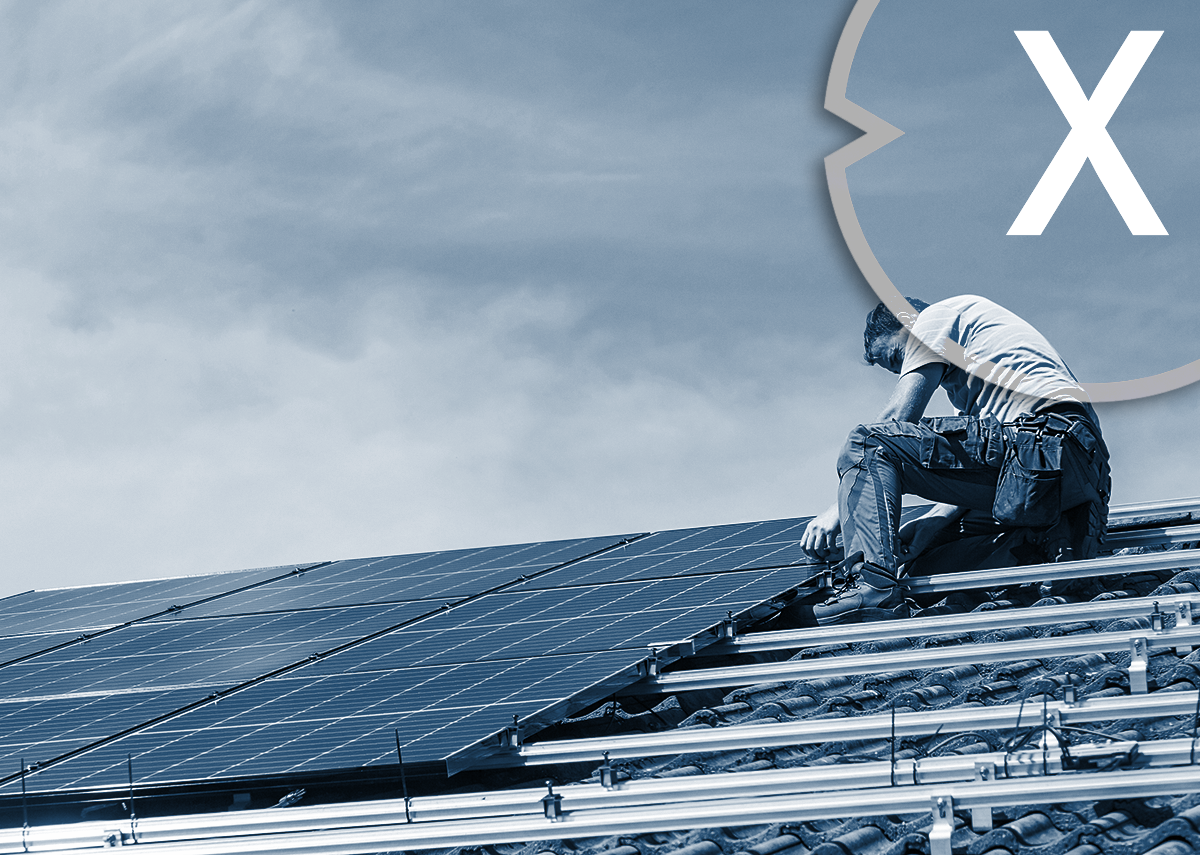
Does the decline in building permits in the residential construction market have an impact on the photovoltaic industry? – Image: Xpert.Digital / moreimages|Shutterstock.com
Does the decline in building permits in the residential construction market have an impact on the photovoltaic industry?
The downturn in the housing market could potentially impact the photovoltaic industry, although the exact extent and nature of the impact may depend on various factors. Here are some possible influences:
Demand for solar energy
If the housing market collapses, this could lead to a decline in demand for newly constructed residential buildings. Since the installation of solar energy systems often accompanies new construction or renovations, a decrease in construction activity could also lead to lower demand for photovoltaic installations.
Decline in installation orders
If fewer residential buildings are constructed or renovated, this could lead to a decline in orders for solar installers. Companies in the photovoltaic industry could face lower demand and more intense competition for available contracts.
Price war and margin pressure
A decline in demand can lead to increased competition among solar companies. This could result in a price war and put more pressure on margins. Companies might be forced to lower their prices to remain competitive, which could negatively impact their profitability.
However, it is important to note that the photovoltaic industry is influenced by many other factors, such as government incentives, environmental regulations, technological advancements, and the growing awareness of renewable energy. These factors may mitigate or offset the impact of the residential construction market downturn on the industry. More stable growth in other sectors, such as commercial or industrial solar energy, could also help to offset any potential losses.
Influence noticeable in the area of single-family and multi-family homes
➡️ Decline of 27.3%: Approved apartments from January to April 2023 significantly lower than in the previous year
➡️ Sharp declines in building permits for new construction from January to April 2023:
- Single-family homes (-33.5%)
- Two-family houses (-52.1%)
- Multi-family houses (-27.1%)
A recent brief survey we conducted among solar installers shows that demand for solar systems for single-family and multi-family homes is stagnating and customer purchasing behavior is hesitant. Many potential customers are postponing quotes they have already prepared, which will lead to increased price pressure and intensified competition in the industry.
The decline in building permits in the residential construction market has a direct impact on solar installers, as the installation of solar systems often goes hand in hand with new construction or renovations. The fact that demand for single-family and multi-family homes is stagnating directly affects installation orders and solar installers' revenue.
Customer reluctance to purchase solar systems can be attributed to various factors. The uncertain economic situation and reduced construction activity could lead to a lower willingness to invest. Furthermore, cost savings in the construction of new residential buildings could mean that solar systems are viewed as optional extras and neglected by builders and buyers.
The situation has already led to increased price pressure and intensified competition among solar installers. To remain competitive, some companies are forced to lower their prices, which can impact margins. Competition for available contracts is fierce, resulting in a surplus of installers on the market.
Solar installers are challenged to adapt their strategies and find innovative approaches to meet current challenges. This may include increased customer outreach, the development of customized offerings, and diversification of business activities into other market segments such as commercial and industrial installations.
Overall, the solar/photovoltaic industry remains dependent on developments in the residential construction market. A recovery in housing construction and increasing demand for solar systems could help overcome current difficulties and ensure the industry's long-term growth.
➡️ Nevertheless, it is important to consider the dynamics of the photovoltaic industry as a whole and not just focus on the residential construction market slump in order to obtain a more comprehensive assessment of the impact on oneself personally.
According to the media, the solar industry is booming, but the residential construction market is collapsing. How is that possible?
The apparent contradiction between the boom in the solar industry and the slump in the residential construction market can have various reasons. Here are some possible explanations:
Different market dynamics
The solar industry and the residential construction market are two separate sectors with different market dynamics. While the residential construction market is heavily dependent on factors such as supply and demand, construction costs, and financing conditions, the solar industry is driven by factors such as government incentive programs, environmental awareness, and the expansion of renewable energy. It is therefore possible that the solar industry will benefit from positive developments in its specific sector, while the residential construction market faces other challenges.
Demand shift
It's possible that consumer demand has shifted from traditional residential real estate to investments in renewable energy such as solar. Increased environmental awareness and the demand for sustainable solutions could contribute to the solar industry thriving more than the residential construction market.
Regulatory framework
Different political and regulatory frameworks can have different effects on the two markets. It is possible that government support and incentives for the expansion of renewable energies have increased the demand for solar energy, while at the same time restrictions or changes in building regulations are affecting the residential construction market.
Long-term perspective
The slump in the residential construction market may be a temporary phenomenon attributable to short-term factors such as economic uncertainty, rising building material costs, or changes in housing demand. The solar industry, on the other hand, could have long-term growth potential, as the transition to renewable energy and sustainability plays an increasingly important role.
➡️ It is important to note that these explanations represent general factors and the exact situation may vary from country to country. It is recommended to consider specific data and analyses to gain a comprehensive understanding of the relationship between the solar industry and the residential construction market in a particular region.
Significant decline of building permits for apartments in April 2023 compared to the previous year, by 31.9%
In April 2023, a total of 21,200 building permits were issued in Germany, according to the Federal Statistical Office (Destatis). This represents a decrease of 31.9%, or 9,900 building permits, compared to April 2022. This marks the sharpest year-on-year decline in Germany since March 2007 (-46.5% compared to March 2006). The number of building permits for apartments had already fallen by 29.6% in March 2023 compared to March 2022. Since May 2022, the number of newly approved apartments has consistently been lower than in the same month of the previous year, and since January 2023, the decline has been more than 20% each year.
A total of 89,900 building permits for residential properties were issued from January to April 2023, representing a decrease of 27.3% compared to the same period of the previous year (January to April 2022: 123,700 building permits). This decline is largely attributable to high costs for building materials and increasingly unfavorable financing conditions. The impact of these factors on residential construction is noticeable and is resulting in a decrease in building activity.
The results pertain to building permits for apartments in both new and existing buildings. From January to April 2023, a total of 74,900 apartments were approved in newly constructed residential buildings. This represents a decrease of 30.3%, or 32,600 apartments, compared to the same period of the previous year. The number of building permits for single-family homes fell by more than a third (-33.5%, or -9,200 apartments) to 18,300. For two-family homes, the number of permits fell by more than half (-52.1%, or -5,800) to 5,300. Even for multi-family homes, the most common type of building, the number of approved apartments decreased by more than a quarter (-27.1%, or -17,900) to 48,200.
These figures highlight the current challenges in housing construction and the downward trend in building activity. The ongoing difficulties with the cost of building materials and financing conditions are negatively impacting the construction of new homes. It is crucial that appropriate measures are taken to stimulate housing construction, promote investment, and improve the framework for building projects.
Plan your solar system for the most common applications conveniently online with our solar system planner!
With our user-friendly solar system planner, you can design your individual solar system online. Whether you need a solar system for your home, your business, or for agricultural purposes, our planner allows you to consider your specific requirements and develop a customized solution.
The planning process is simple and intuitive. You simply enter the relevant information. Our planner takes this information into account and creates a customized solar system that meets your needs. You can try out different options and configurations to find the optimal solar system for your application.
Furthermore, you can save your plan to review it later or share it with others. Our customer service team is also available to answer any questions and provide support to ensure your solar system is optimally planned.
Use our solar system planner to design your individual solar system for the most common applications and accelerate the transition to clean energy. Get started now and take an important step towards sustainability and energy independence!

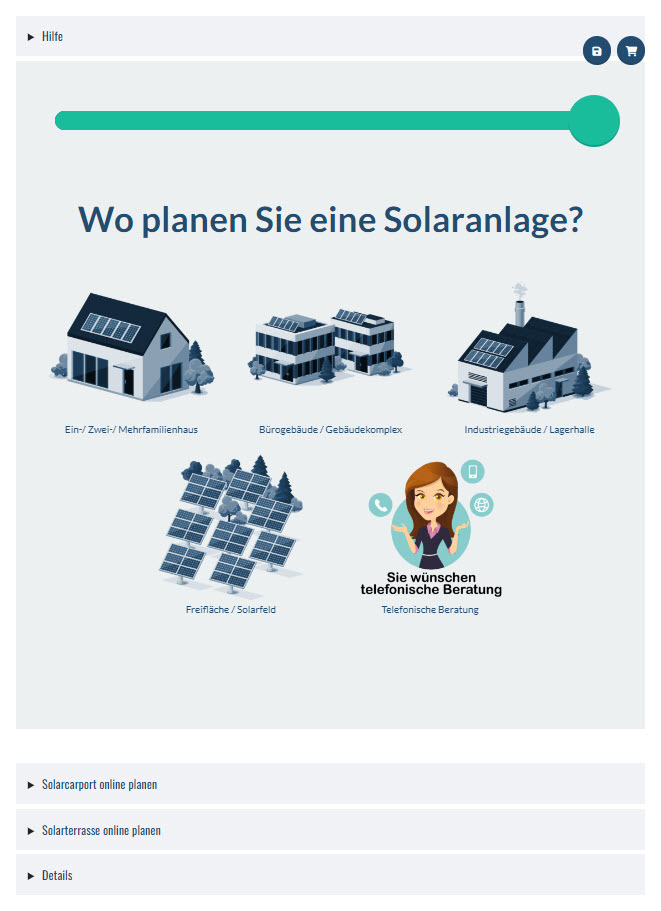
The solar system planner for the most common applications: Plan your solar system online here - Image: Xpert.Digital
More information here:
Decline in building permits for apartments (2022/2023)
The Federal Statistical Office (Destatis) has recorded a concerning decline in building permits for apartments in newly constructed residential buildings. From January to April 2023, a total of 74,900 building permits were issued, representing a decrease of 30.3 percent compared to the previous year. The number of permits for single-family homes fell particularly sharply, by 33.5 percent to 18,300 apartments. For two-family homes, the decline was even more dramatic, more than halving (-52.1 percent, or -5,800 apartments) to 5,300 apartments. Multi-family buildings also experienced a significant drop, with a decrease of 27.1 percent (-17,900 apartments) to 48,200 approved apartments.
This decline in building permits is expected to further exacerbate the housing shortage in Germany. The government's target of 400,000 completed apartments per year is already being significantly missed. This particularly affects low-income individuals and renters in large cities. According to Destatis, an average of 27.8 percent of income in Germany must be spent on rent, while in cities with 100,000 or more inhabitants, this figure rises to 28.9 percent. Households with a monthly net income of €1,500 or less are especially burdened, as they have to spend over 40 percent of their income on rent.
This development raises the urgent question of measures to promote affordable housing. To meet the growing demand, investments in housing construction, particularly social housing, are crucial. Creating incentives for private investors and fostering cooperation between the government, the construction industry, and other relevant stakeholders are necessary to address the housing shortage and ensure that adequate and affordable housing is available to all segments of the population.
Chart: Producer price indices of selected building materials 2022
Rate of change compared to the previous year in %, annual average
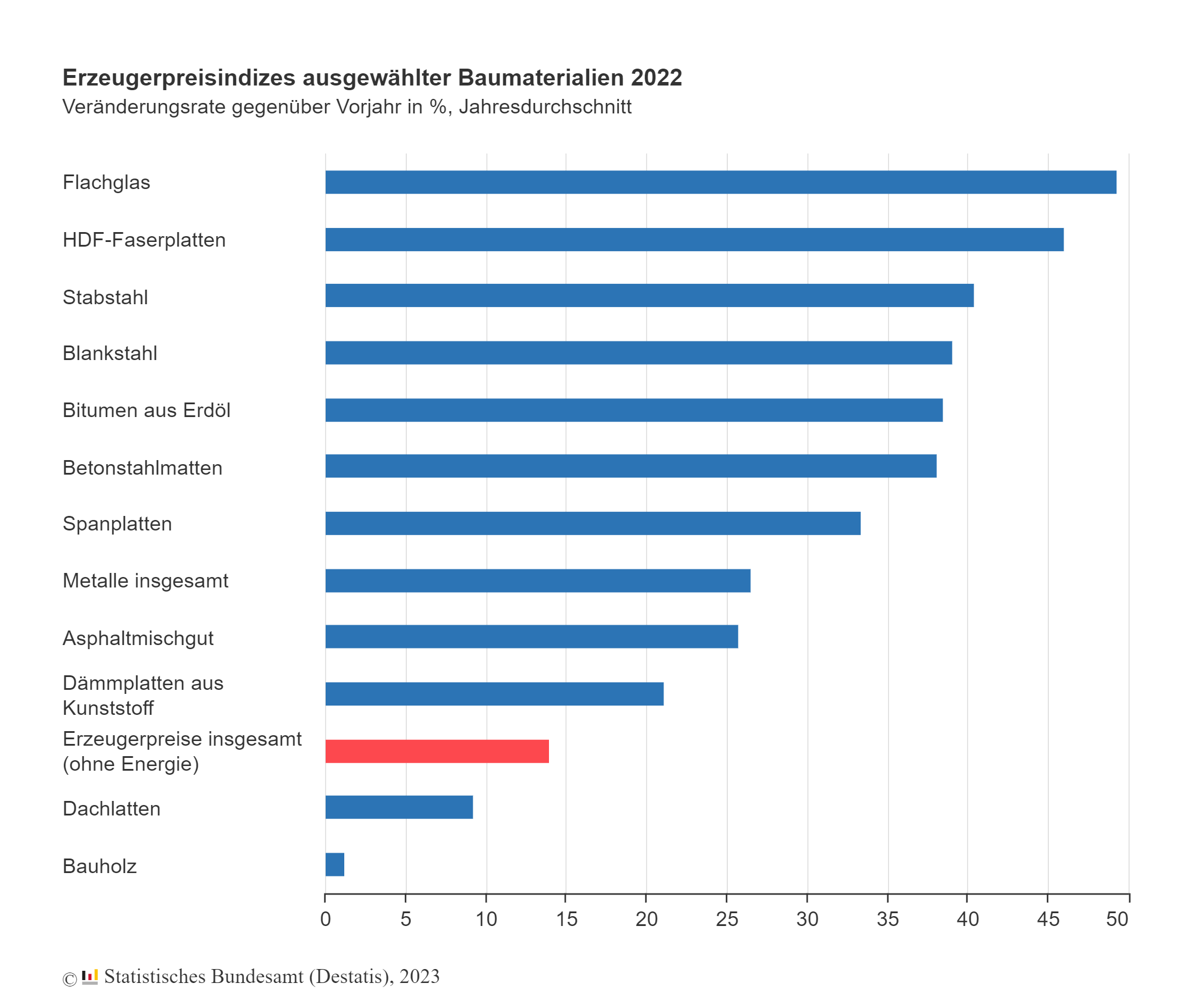
Building materials became significantly more expensive again in 2022 – Image: Federal Statistical Office / Destatis, 2023
Rising energy prices lead to price increases for steel, glass, bitumen and plastics
The effects of the coronavirus pandemic and the war in Ukraine have led to significant challenges in the construction sector, including supply bottlenecks, material shortages, and increased energy prices. According to the Federal Statistical Office (Destatis), almost all building materials were again significantly more expensive on average in 2022 than in the previous year, which had already seen substantial price increases.
Particularly significant for construction sites were the rising energy prices, which impacted various energy-intensive building materials. On average in 2022, prices for bar steel rose by 40.4%, for bright steel by 39.1%, for reinforcing steel mesh by 38.1%, and for steel pipes by 32.2% compared to the previous year. Steel is frequently used in conjunction with concrete in structural engineering to reinforce floor slabs, ceilings, or walls. Overall, metal prices increased by 26.5% in 2022 compared to the previous year.
The price of flat glass, commonly used for windows, glass doors, or walls, also rose by an average of 49.3% in 2022 compared to the previous year. By comparison, the producer price index for industrial products as a whole rose by an average of 32.9% in 2022 compared to 2021. Excluding energy prices, producer prices were 14.0% higher than the 2021 average.
These price increases have a significant impact on construction costs and represent an additional burden for the construction industry. They can affect the profitability of construction projects and lead to higher costs for developers. Given the ongoing challenges in the construction sector, it is important to explore alternative procurement channels, diversify supply chains, and consider sustainable material solutions to minimize the impact on the construction industry.
Price increases for petroleum-based building materials
In 2022, building materials saw significant price increases, particularly for petroleum-based products. Bitumen, a key material in road construction and building waterproofing, became 38.5% more expensive on average compared to 2021. Asphalt mixtures, which also contain bitumen, experienced a price increase of 25.8% compared to the previous year.
The overall high energy prices also impacted chemical products widely used in the construction sector. Producer prices for plastic insulation boards such as polystyrene rose by 21.1% compared to the previous year. Epoxy resin, an important binder for paints and varnishes, became 15.1% more expensive. Paints and varnishes based on epoxy resins cost an average of 24.0% more.
Prices for wood-based building materials developed unevenly. HDF fiberboard, particleboard, and wooden window and door frames saw significant price increases in 2022, averaging 46.0%, 33.4%, and 24.4% respectively compared to the previous year. However, prices for construction timber and roof battens rose at a below-average rate of 1.3% and 9.3% respectively during the same period. Prices for structural timber even fell by 11.9%. Particularly sharp price increases were observed in 2021 for structural timber, roof battens, and construction timber.
Furthermore, the price increase for diesel fuel is also significantly impacting the construction industry. Producer prices for diesel fuel rose by an average of 41.6% in 2022 compared to the previous year. Diesel fuel is needed for operating construction machinery and in the transport sector.
Rising prices for building materials and fuels pose a significant challenge to the construction industry. Companies must cope with higher costs and more intense competition for contracts. This can impact construction activity, investment decisions, and ultimately, the cost of construction projects. Careful planning, efficient resource utilization, and the search for alternative materials or solutions can help mitigate the effects of these price increases.
The price increases for building materials also have an impact on the costs of construction work
In 2022, prices for new residential construction rose by an average of 16.4% compared to the previous year. This represents the highest increase since data collection began in 1958. Nearly all sectors experienced significant price increases. The costs for insulation and fire protection work on technical systems rose by 27.2% compared to the 2021 annual average. Glazing work was 21.2% more expensive than the previous year, metalwork by 20.7%, and steelwork by 19.8%.
This significant increase in construction costs has several causes. Firstly, the rising prices of building materials such as steel, glass, and insulation play a role. The increasing global demand for these materials, limited production capacities, and supply bottlenecks have led to price increases in the market. Furthermore, labor costs have also risen, contributing to further price increases in construction work.
The effects of these price increases on the construction and real estate sectors are multifaceted. Construction companies face the challenge of managing rising costs while remaining competitive. For private homeowners, the higher costs can make building houses or undertaking renovation projects more financially burdensome. Overall, the creation of affordable housing is further complicated by increasing construction costs.
The development of construction prices and building materials is an important indicator of the economic situation and can have an impact on the entire construction sector. It is therefore crucial that governments, construction companies, and other stakeholders take appropriate measures to control the rise in construction costs and find sustainable solutions. This can include, among other things, promoting innovation, investing in infrastructure, and improving efficiency in the construction industry.
Rising energy prices and price increases for petroleum-based building materials = Fewer building applications and building permits
Rising prices are having a noticeable impact on housing construction in Germany. Between January and November 2022, the number of building permits issued for new residential and non-residential buildings fell by 5.7% compared to the same period of the previous year, to approximately 322,000 permits. For newly constructed residential buildings, permits were issued for around 276,000 apartments between January and November 2022, representing a decrease of 5.8% compared to the previous year. In particular, the number of building permits for single-family homes decreased by 15.9%, while permits for two-family homes fell by 10.1%. In contrast, permits for multi-family homes saw a slight increase of 1.2%. There was also a decline in permits for existing residential buildings: Around 38,000 construction projects were approved during the period, representing a decrease of 1.7% compared to the same period of the previous year.
The number of building permits is an important leading indicator of future construction activity, as it reflects planned construction projects. However, since 2008, the number of construction projects that have not yet started or been completed (the so-called construction backlog) has increased. In 2021, the backlog of approved but not yet completed dwellings amounted to approximately 846,000 units. The actual development of construction activity is illustrated by the number of completed units. Results regarding completions and the construction backlog for 2022 will be published by the Federal Statistical Office in May 2023.
These data highlight the challenges facing the housing construction sector in Germany. Rising prices for building materials and labor costs impact the profitability of construction projects and can lead to delays or reluctance to implement new projects. However, the high demand for housing, particularly in metropolitan areas, necessitates continuous construction activity to meet this demand and alleviate pressure on the housing market. It is therefore crucial to implement appropriate measures to promote housing construction, stimulate investment, and improve the framework conditions for building projects.
Economic cycles explained briefly
Economic cycles are periodic fluctuations in the economic activity of a country or region. They consist of phases of
- Upswing (boom),
- the weakening (recession),
- of the low (depression) and the
- Recovery (upturn).
These cycles are often considered normal and recurring features of a market economy.
A boom is generally defined as a period of strong economic growth and increased activity across various sectors of the economy. During a boom, companies typically experience rising demand for their products or services, leading to increased sales and profits. Simultaneously, employment rises, investment increases, and consumption rises. The economy grows beyond its long-term trend.
A boom is typically accompanied by several indicators. These include strong growth in gross domestic product (GDP), low unemployment, rising wages and salaries, high corporate profits, high capacity utilization in industries, and high demand for capital goods.
➡️ It is important to note that not all periods of growth are automatically considered booms. A true boom is characterized by above-average and sustainable growth that lasts over a longer period. Temporary periods of growth can also occur as part of a normal business cycle without being classified as a true boom.
However, a boom can also be associated with certain risks and challenges. Excessive demand can lead to shortages of resources and production capacity, which can result in rising prices and potential inflation. Furthermore, a boom can lead to excessive optimism and excessive investment, which may later result in overcapacity or economic imbalances.
It is also important to note that the duration and intensity of a boom can vary. Some booms can last for years, while others only last a few months. The length and intensity of a boom depend on various factors, including economic policy, central bank monetary policy, external influences such as geopolitical events, and the general sentiment of market participants.
An economic boom signifies a period of strong and sustained growth, accompanied by positive economic indicators such as higher GDP growth, low unemployment, and rising wages and profits. It is a phase of heightened economic optimism and activity, but it is important to consider the risks and challenges that can accompany a boom.
When a boom is a boom
A boom is generally considered a period of exceptionally strong and above-average economic growth. It is a time when various economic indicators point to a high level of activity and expansion. Here are some signs that may indicate a true boom:
- Strong increase in gross domestic product (GDP): GDP is an important measure of a country's overall economic performance. A boom is often characterized by a significant and sustained increase in GDP above the long-term trend.
- Low unemployment rate: A boom is generally accompanied by high employment, which leads to a low unemployment rate. Companies hire more workers to meet the increased demand.
- Rising corporate profits: During a boom, companies typically experience improved business conditions and higher profits. This can be attributed to increased demand, higher sales figures, and favorable market conditions.
- Increased investment: During a boom, companies are often willing to invest in new projects, expansion, and capacity increases. An increase in investment indicates economic confidence and optimistic expectations.
- High consumption: During a boom, consumers are generally confident and spend more money. Consumption increases, leading to higher sales in the retail and service sectors.
It's important to understand that a true boom isn't always uniform and doesn't affect all sectors of the economy equally. Some industries and regions may grow faster than others during a boom. It's also possible that an apparent boom is temporary and later turns out to be a short-term spike.
A true boom is characterized by a significant and sustained improvement in various economic indicators, including strong GDP growth, a low unemployment rate, rising corporate profits, increased investment, and high consumption. Such a boom signifies a period of exceptional growth and positive economic momentum.
Difference between an upward trend and a boom
An upward trend and a boom are both phases of economic growth, but they differ in their duration, intensity, and accompanying economic indicators.
An upward trend is a long-term development in which the economy exhibits continuous and moderate growth over an extended period. During this phase, gross domestic product (GDP) gradually increases, employment rises, corporate profits increase, and consumer demand is stable or slightly rising. An upward trend is generally characterized by slow but sustainable economic expansion without excessive fluctuations or extreme growth. It is a phase of positive economic growth, but one that is not associated with the spectacular increases and strong economic indicators of a boom.
A boom, on the other hand, is a period of strong and rapid economic growth that exceeds the normal upward trend. During a boom, the economy exhibits above-average growth over a specific period. This phase is characterized by high demand for products and services, leading to increases in investment, employment, corporate profits, and consumption. A boom is often marked by an optimistic market sentiment and can lead to increased risk appetite among investors. It is a period of overheated growth in which the economy can reach its capacity limits, and potential risks such as inflation and overinvestment can arise.
The main difference between an uptrend and a boom lies in the intensity, pace, and impact of the growth. An uptrend is a longer-term, moderate increase in economic output, while a boom represents a short-term, intense, and exceptional period of growth. An uptrend is more sustainable and stable, whereas a boom is a period of excessive growth that cannot be sustained.
It is important to note that the precise definition of a boom and an upward trend depends on various factors, including the specific economic indicators used for measurement and the economic situation of a country or region. The assessment of whether a particular period is considered an upward trend or a boom can vary depending on the context and interpretation.
A boom in one industry is not necessarily a nationwide boom; it can be viewed as a specific upward trend
A boom in an industry can be viewed as a specific upward trend within an economic cycle, indicating a strongly positive development in that industry.
Economic cycles describe the periodic fluctuations in the overall economic activity of a nation. These cycles comprise phases of expansion, during which the economy grows, followed by recessions, during which the economy shrinks. Within these cycles, individual industries can go through different phases.
A boom in an industry occurs when that industry experiences exceptionally strong demand and growth. This can be due to factors such as innovative technologies, rising consumer demand, favorable market conditions, or other economic influences. While other industries may be in a downturn, a booming industry can continue to thrive.
It is important to note that a boom in one industry does not necessarily coincide with a national or global economic boom. A boom in one industry may be limited to specific factors within that industry and may not reflect the overall economic environment.
Furthermore, boom periods in certain industries can be of limited duration and transition into a recession or a phase of slower growth. Economic cycles are dynamic and evolve over time, so the boom and bust phases of an industry can also change.
Overall, a boom in an industry can be seen as part of the broader economic cycle, however, it is important to distinguish between the dynamics of a single industry and the overall economic development.
Impact of the CO2 tax on petroleum-based building materials
The carbon tax can impact petroleum-based building materials, as it increases the price of using fossil fuels and the associated CO2 emissions. Building materials such as plastics, bitumen, and certain types of coatings are often made from petroleum and are therefore affected by rising energy and raw material costs.
The CO2 tax may result in higher costs for companies that produce or use these building materials. These costs could arise either directly through the purchase of emission allowances or indirectly through higher energy prices and production costs.
The effects of a carbon tax on petroleum-based building materials could be manifold. Firstly, it could lead to higher prices for these materials, as companies might pass on the additional costs to consumers. This could impact construction costs and ultimately the housing market.
On the other hand, a carbon tax can also incentivize companies to seek out alternative, more climate-friendly materials and invest in their development and production. This could lead to innovation and increased use of sustainable materials that are less dependent on petroleum and have a smaller carbon footprint.
The precise impact of the CO2 tax on petroleum-based building materials depends on various factors, such as the tax rate, market conditions, the availability of alternative materials, and companies' willingness to innovate. A comprehensive analysis of the CO2 tax's effects on the construction industry and the use of building materials is necessary to make concrete predictions.
The CO2 tax
The CO2 tax is a levy on the emission of carbon dioxide (CO2) and other greenhouse gases produced by burning fossil fuels. It is intended to create incentives to reduce greenhouse gas emissions and curb climate change.
The introduction of carbon tax measures varies from country to country. Some countries implemented carbon tax or emissions trading systems some time ago, while others have only recently introduced a carbon tax or have not yet done so at all.
The CO2 tax was introduced in Germany on January 1, 2021
The mechanism of the CO2 tax is that companies that use fossil fuels and thus cause CO2 emissions must pay for these emissions. This is done either by purchasing emission allowances or by directly paying a tax per ton of CO2 emitted.
The exact amount of the carbon tax also varies and is set by governments. Often, the tax rate increases over time to strengthen the incentive to reduce emissions.
The revenue from the carbon tax can be used by governments for various purposes. Part of the revenue can be used to finance climate-friendly projects and technologies to support the transition to a more sustainable economy. In some cases, the revenue is also used to reduce other taxes or to support low-income households to mitigate social impacts.
The introduction of a carbon tax is part of global efforts to combat climate change and reduce greenhouse gas emissions. It is a tool to make the consumption of fossil fuels more expensive and to encourage businesses and individuals to switch to more climate-friendly alternatives and implement energy efficiency measures.
What does the CO2 tax mean for consumers?
The CO2 tax can have various effects on consumers, depending on the type and amount of the tax, as well as the associated political measures and accompanying actions.
Price increases
A carbon tax often leads to higher costs for fossil fuels such as gasoline, diesel, heating oil, or natural gas. Energy suppliers and companies can pass these additional costs on to consumers, which can result in higher prices for fuels, energy, and heating-related products and services.
Changes in consumer behavior
Higher prices for energy-intensive goods could lead consumers to change their consumption habits. For example, they could choose more fuel-efficient vehicles, buy energy-efficient appliances, or adjust their energy consumption habits.
Promotion of energy saving measures
A carbon tax can also incentivize consumers to implement energy-efficient measures. By investing in insulation, efficient heating systems, or renewable energy, they can reduce their energy costs and their carbon footprint.
Impact on low-income households
Low-income households may be more severely affected by the carbon tax, as they may spend a larger proportion of their income on energy. To mitigate social impacts, governments can introduce financial support or tax relief for low-income households.
Promoting innovation and green technologies
Introducing a carbon tax can incentivize companies to invest in climate-friendly technologies and sustainable solutions. This could lead to a wider availability and selection of environmentally friendly products and services.
➡️ The precise impact of the carbon tax on consumers depends on the specific design of the measure, the accompanying policy decisions, and individual circumstances. The government can implement additional measures to mitigate the social impact and support consumers in managing the transition to a low-carbon economy.
This is what companies need to do to minimize the price increase of their products
The carbon tax aims to motivate companies to reduce their greenhouse gas emissions and promote the transition to a low-carbon economy. Companies should focus on adapting their business models and production processes to become more efficient and environmentally friendly.
Improve energy efficiency
Companies can increase their energy efficiency by investing in energy-efficient technologies and equipment. By using energy-efficient lighting, machinery, and processes, they can reduce their energy consumption and thus also their CO2 emissions.
Use of renewable energies
The transition to renewable energy sources such as solar energy, wind energy or biomass can help companies reduce their carbon footprint and their dependence on fossil fuels.
Supply chain optimization
Companies can analyze their supply chain and look for ways to optimize transport routes, reduce the consumption of packaging materials, and implement more sustainable procurement practices. This allows them to reduce CO2 emissions along the entire value chain.
Investments in research and development
Companies can invest in research and development to create innovative solutions that lead to a reduction in CO2 emissions. This could include the development of low-emission technologies, climate-friendly materials, or sustainable production processes.
Cooperation and collaboration
Companies can collaborate with other industry players, governments, and non-profit organizations to share knowledge and resources and find joint solutions for reducing CO2 emissions. Through collaboration, they can also benefit from economies of scale and increase their competitiveness.
➡️ It is important to emphasize that companies should recognize the long-term benefits of a sustainable business strategy. By focusing on reducing CO2 emissions, they can not only support environmental protection but also lower their costs, improve their reputation, and unlock new market opportunities.
The CO2 tax tiered model
The CO2 tax was introduced in Germany on January 1, 2021. As part of the German government's national climate protection program, it was decided that companies using fossil fuels such as natural gas, oil, and coal in transportation or the heating and cooling sector must pay a levy on their CO2 emissions. This levy, known as the CO2 tax, is intended to incentivize companies to reduce their emissions and switch to more climate-friendly alternatives.
The CO2 tax is being introduced in stages, with the price per ton of CO2 emissions increasing gradually. At its launch in 2021, the price was €25 per ton of CO2 and will be increased incrementally in subsequent years. The exact price level and the rate of increase are legally defined.
The revenue from the CO2 tax is used to finance climate protection measures and the promotion of renewable energies. In addition, it is partially used to provide relief to consumers and businesses in order to mitigate the social impacts of the CO2 tax.
The CO2 tax in Germany is just one of several measures within the framework of climate policy. In addition to the CO2 tax, there is also emissions trading at the European level, which applies to companies in energy-intensive industries and the fuel sector.
The CO2 tax tiered model concept
The tiered CO2 tax model is a concept that aims to gradually increase the cost of CO2 emissions in order to incentivize businesses and consumers to reduce their greenhouse gas emissions. It is a form of steering tax that taxes the consumption of CO2-emitting products or energy sources.
The tiered model typically consists of different CO2 price levels that are gradually increased over a specific period. The idea behind this approach is to provide long-term planning security and give businesses and consumers sufficient time to adjust to the rising costs and adapt their behavior.
Typically, the phased model begins with a low CO2 tax that gradually increases. This allows businesses and consumers to adapt to the new situation, invest in climate-friendly technologies, and implement more energy-efficient processes.
Increasing CO2 price levels raises the costs of using CO2-intensive products or energy sources. This is intended to create incentives to switch to more climate-friendly alternatives, reduce energy consumption, and lower greenhouse gas emissions.
The tiered model can also be linked to so-called climate bonuses or compensation payments to reward companies and consumers who keep their CO2 emissions below certain limits or reduce them. This can create incentives to implement further emission reduction measures and develop innovative solutions.
The exact design and implementation of the tiered carbon tax model can vary from country to country. Some countries have already introduced such models or are planning to do so in order to achieve their climate targets and promote the transition to a low-carbon economy.
The goal of the tiered CO2 tax model is to reduce CO2 emissions, combat climate change, and incentivize businesses and consumers to make more environmentally friendly choices. The gradual increase in CO2 prices is intended to support a long-term structural transformation towards a sustainable economy.
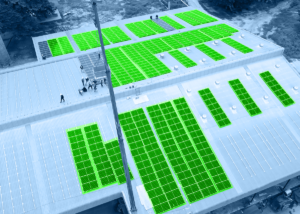

- Planning photovoltaics on warehouses, commercial buildings and industrial buildings
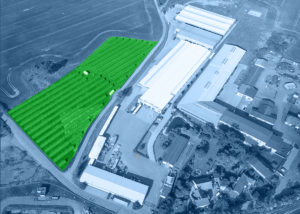
- Industrial plant: Planning a photovoltaic open-field system or open-area system
- Planning solar power systems with photovoltaic solutions for freight forwarding companies and contract logistics
- B2B Solar Systems and Photovoltaic Solutions & Consulting
From simple solar systems to large-scale installations: Xpert.Solar offers customized solar systems, as well as advice on manufacturers and suppliers

Konrad Wolfenstein
I would be happy to serve as your personal advisor.
You can contact me by filling out the contact form below or simply call me on +49 7348 4088 965 .
I'm looking forward to our joint project.
Write to me


Xpert.Digital – Konrad Wolfenstein
Xpert.Digital is a hub for industry focusing on digitalization, mechanical engineering, logistics/intralogistics and photovoltaics.
With our 360° Business Development solution, we support renowned companies from new business to after-sales.
Market intelligence, smarketing, marketing automation, content development, PR, mail campaigns, personalized social media and lead nurturing are part of our digital tools.
You can find more information at: www.xpert.digital – www.xpert.solar – www.xpert.plus
Keep in touch