
Heating market & heat pump industry – figures, data, facts and background information – Image: Xpert.Digital
📊 Heat pump industry in figures: Data 📈, facts ✔️ and background information 🤔 on the heating market 🔥

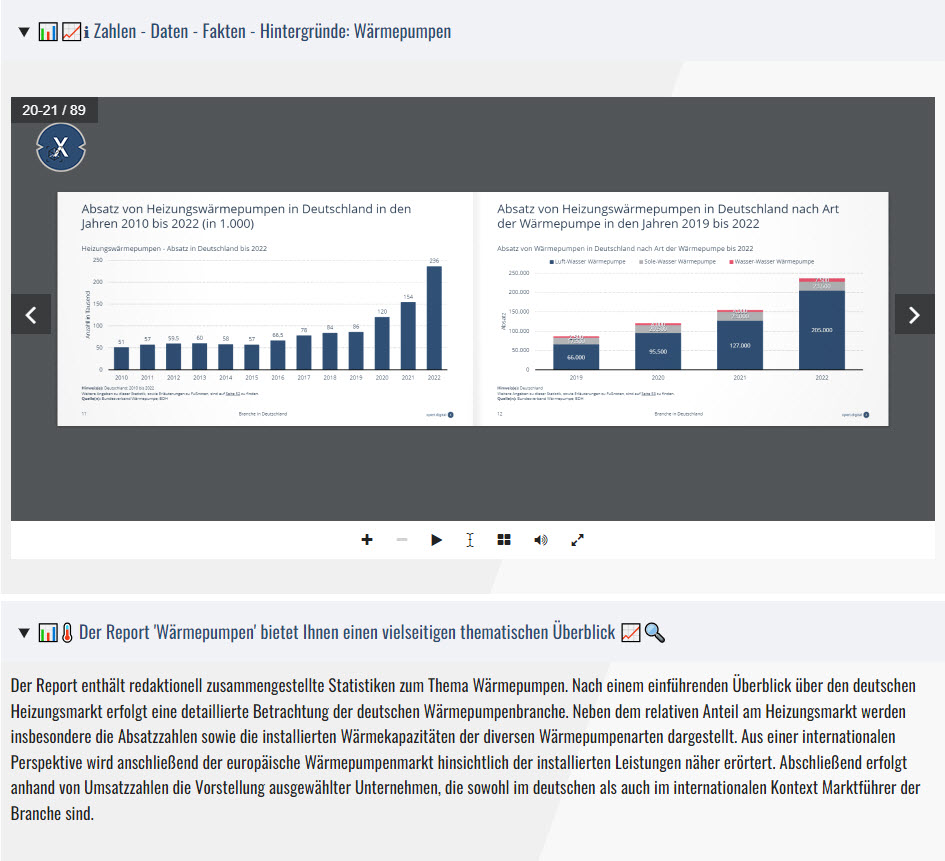
Heating market & heat pump industry – figures, data, facts and background information – Image: Xpert.Digital
We currently no longer offer our newer PDFs for download. These are only available upon direct request.
However, you can find the PDF "Heat Pumps" (89 pages) in our
📜🗺️ Infotainment portal 🌟 (e.xpert.digital)
under
https://xpert.digital/x/heatpump
with the password: xpumpe
view.

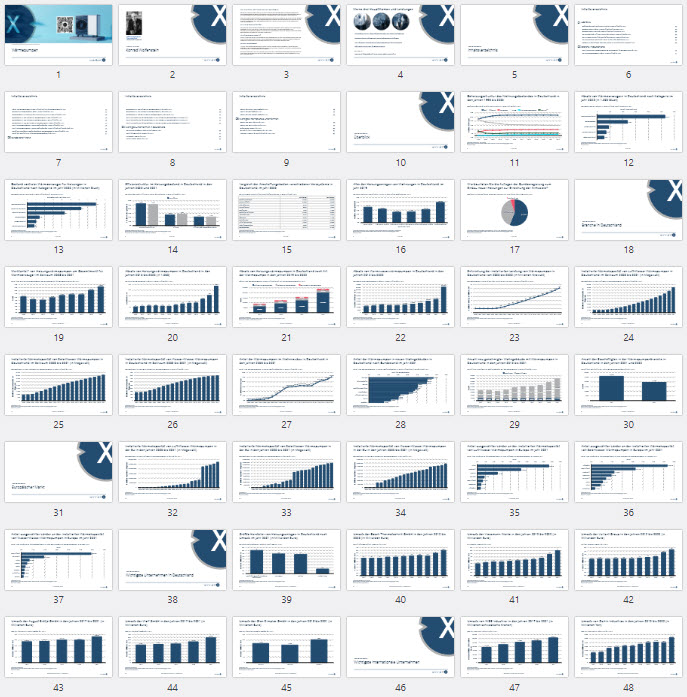
PDF: Heat pump industry in figures – data, facts and background information on the heating market – Image: Xpert.Digital
📊 The market for heating systems and heat pumps: An overview of key figures, trends and context
The heating market and the heat pump industry are key elements of the energy sector, especially in countries with cold climates. Due to global warming and increasing environmental awareness, energy-efficient heating systems are becoming ever more important. This article examines the current figures, data, and background information on these two important economic sectors.
📈 Market size and growth
The global heating market is estimated at several billion euros and shows steady growth. The main focus is on the development of energy-efficient and environmentally friendly heating systems, with heat pumps playing an increasingly important role.
💡 Technological developments
Technology has made significant progress in recent years. Previously, fossil fuels such as gas and oil dominated the heating market. Today, there are a variety of alternatives, including solar thermal energy, district heating, and of course heat pumps, which are considered particularly sustainable.
🌿 Heat pumps as trendsetters
Heat pumps utilize available energy from the environment – be it from the air, the ground, or the water. They are therefore a prime example of using renewable energy in the heating sector and are experiencing a real boom. Their energy efficiency and the possibility of integrating them into existing heating systems make them an increasingly popular choice for homeowners and businesses alike.
🌍 Environmental impact and sustainability
The transition to renewable energies and efficient heating systems is not only a matter of economics, but also an ecological necessity. The EU has enacted strict regulations limiting CO2 emissions from heating systems, and many countries are promoting the use of heat pumps and other green alternatives.
💰 Funding programs and subsidies
Many countries offer incentive programs to facilitate the switch to efficient heating systems. Homeowners can often benefit from grants, tax breaks, or low-interest loans when they invest in modern, energy-efficient heating technologies.
🚀 Challenges and future prospects
Despite the positive developments, challenges remain. High initial investments and the sometimes complex integration into existing systems can present obstacles. Furthermore, the global raw materials market is volatile, which can affect component prices.
In the future, the importance of intelligent, networked heating systems and the use of big data and artificial intelligence will increase. These technologies can help optimize energy consumption and thus reduce costs and emissions.
🌟 Exciting phase of upheaval
The heating market and the heat pump industry are in an exciting phase of transformation and innovation. The increasing demand for environmentally friendly and efficient solutions offers great opportunities, but also presents challenges that must be addressed. The industry is not only a significant economic factor, but also plays a crucial role in the fight against climate change.
📣 Similar topics
- 🌡️ The future of the heating market: Sustainability and innovation
- 🌍 Energy transition in the heating sector: Heat pumps in focus
- 💡 Technological revolution in the heating industry
- 🌱 Environmentally friendly heating systems: The role of heat pumps
- 💰 Funding programs and financial incentives for efficient heating technologies
- 🌏 Heating systems in the age of climate change: An inventory
- 🏡 Heating systems of the future: Intelligent and networked
- 📊 Market analysis: Trends and growth in the heating market
- 🌿 Sustainable heating: Challenges and opportunities
- 🌄 Heating industry in transition: Sustainability and innovation
#️⃣ Hashtags: #HeatingMarket #HeatPumps #Sustainability #Innovation #EnergyTransition
🌞 Renewable energies: Heat pump in combination with a solar system
In today's world, renewable energies are an increasingly important topic, as climate change and the finite nature of fossil fuels underscore the need for sustainable energy sources. A promising combination of renewable energies is the use of heat pumps in conjunction with solar thermal systems. This synergy not only reduces CO2 emissions but also enables significant savings on energy costs. In this article, we will examine the advantages and functionality of this solution in more detail.
🌡️ 1. The basics of the heat pump
Before we delve into the details of combining heat pumps and solar thermal systems, let's look at the basics of heat pump technology. A heat pump is a device that extracts thermal energy from a low-temperature source and raises it to a higher temperature level. This is achieved through the use of refrigerants and a compression process. The most common applications of heat pumps are heating buildings and providing hot water.
🌞 2. How solar power systems work
Solar power systems harness the sun's energy to generate electricity or heat. This is typically achieved using photovoltaic cells or solar thermal collectors. Photovoltaic cells convert sunlight directly into electrical energy, while solar thermal collectors capture solar heat and use it to produce hot water or space heating.
🔗 3. The advantages of the combination
💡 Maximum energy efficiency
The combination of heat pumps and solar thermal systems enables maximum energy efficiency. Solar thermal systems generate electricity or heat from solar energy, which is free and unlimited. The heat pump then uses this energy to heat buildings or provide hot water. Since no fossil fuels are burned, there are no harmful emissions, and operating costs are minimal.
📆 Year-round use
One of the challenges of using renewable energy sources like solar panels is the seasonal variation in solar radiation. Energy production can be limited during the winter months or on cloudy days. Heat pumps compensate for these fluctuations by efficiently utilizing the available energy and supplementing it as needed. This ensures a reliable energy supply throughout the year.
💵 Reduction of operating costs
The combination of heat pumps and solar panels leads to significant savings in operating costs. Since the primary energy source is the sun, the costs for fossil fuels or grid electricity are eliminated. This is not only good for the environment but also for consumers' wallets, as energy costs are significantly reduced.
🌍 Environmental friendliness
The environmental aspect is a key advantage of this combination. Using renewable energy drastically reduces CO2 emissions. This contributes to combating climate change and conserves natural resources. The transition to renewable energy is an important step towards a sustainable future.
🔧 4. Practical Implementation
The practical implementation of combining heat pumps and solar thermal systems requires careful planning and installation. Here are some steps to consider when integrating these systems:
🏠 Location selection
The location of the solar panels is crucial for their efficiency. They should be positioned to receive maximum sunlight, ideally on the roof of a building. The heat pump should be installed close to the heating or hot water system to minimize heat loss.
🔍 System sizing
The size of the solar thermal system and heat pump should be tailored to the building's energy needs. A system that is too small will not meet the energy requirements, while one that is too large will incur unnecessary costs. Professional sizing is recommended.
🎛️ Control system
An intelligent control system is crucial for optimally coordinating the two systems. It should enable solar energy prioritization, ensuring that the heat pump always uses free solar energy first before resorting to other energy sources.
🛠️ Maintenance and monitoring
Regular maintenance and monitoring are essential to ensure the system's efficiency. This includes cleaning the solar panels, checking the refrigerant level in the heat pump, and troubleshooting any malfunctions.
💰 5. Costs and Amortization
The initial costs for combining heat pumps and solar thermal systems can vary depending on the system size and local conditions. However, it's important to note that investing in renewable energy is profitable in the long run.
The payback period, meaning the time it takes to recoup the initial investment through energy cost savings, depends on various factors, including the building's energy consumption and local energy prices. Typically, the payback period is between five and ten years. After that, the savings begin to flow directly into the building owner's pocket.
🚀 6. Future Developments
Renewable energy technology is constantly evolving. In the future, advances in heat pump technology and the efficiency of solar panels could make combining these systems even more attractive. The integration of energy storage systems such as batteries could also further increase independence from external energy sources.
📝 7. The combination
The combination of heat pumps and solar thermal systems is an extremely efficient and environmentally friendly solution for supplying energy to buildings. It enables the sustainable use of renewable energies, reduces operating costs, and contributes to lowering greenhouse gas emissions. However, professional consultation and installation are advisable when planning and implementing this system to achieve the best possible results. Given the increasing importance of environmental protection and energy efficiency, the combination of heat pumps and solar thermal systems is an investment in a greener and more sustainable future
📣 Similar topics
- ☀️ Sustainable energy: The synergy of heat pumps and solar systems
- 💡 Renewable energies in focus: Heat pumps and solar energy
- 🏡 Increase energy efficiency: Combine heat pumps and solar systems
- 🌿 Green energy: Heat pumps and solar energy in harmony
- 💰 Save money and protect the environment: Heat pumps and solar systems
- 🔥 Heating with solar power: Heat pumps and solar energy
- 🌞 Sun and warmth: The ideal combination
- 🏢 Building energy optimization: Heat pumps and solar energy
- 🌱 Sustainable heating: Heat pumps and solar systems in detail
- 🏠 The future of energy: Heat pumps and solar systems
#️⃣ Hashtags: #SustainableEnergy #RenewableEnergies #EnergyEfficiency #GreenEnergy #Savings #HeatingWithSolarPower
Plan your solar system for the most common applications conveniently online with our solar system planner!
With our user-friendly solar system planner, you can design your individual solar system online. Whether you need a solar system for your home, your business, or for agricultural purposes, our planner allows you to consider your specific requirements and develop a customized solution.
The planning process is simple and intuitive. You simply enter the relevant information. Our planner takes this information into account and creates a customized solar system that meets your needs. You can try out different options and configurations to find the optimal solar system for your application.
Furthermore, you can save your plan to review it later or share it with others. Our customer service team is also available to answer any questions and provide support to ensure your solar system is optimally planned.
Use our solar system planner to design your individual solar system for the most common applications and accelerate the transition to clean energy. Get started now and take an important step towards sustainability and energy independence!

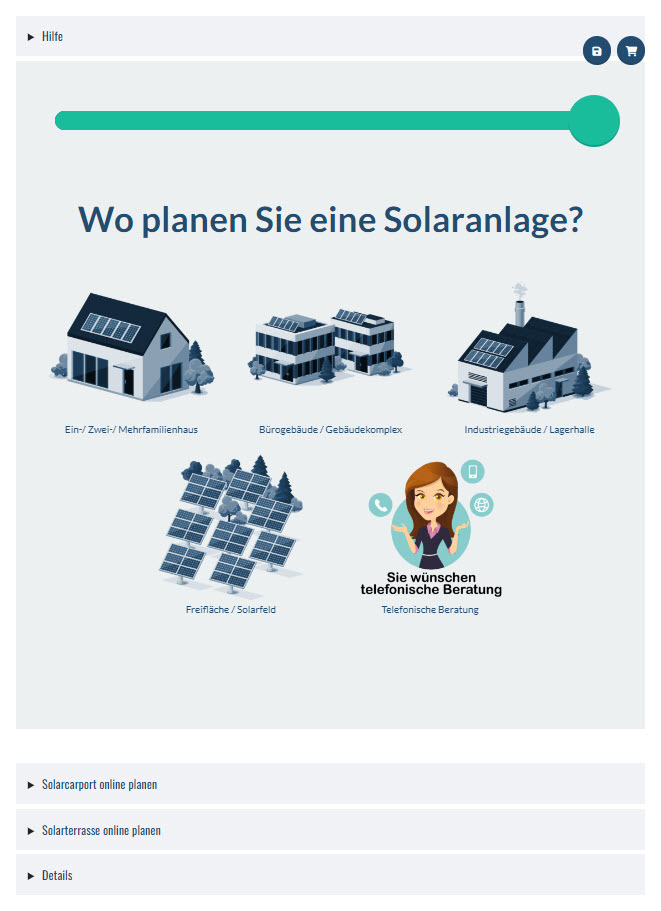
The solar system planner for the most common applications: Plan your solar system online here - Image: Xpert.Digital
More information here:
We are here for you - Consulting - Planning - Implementation - Project Management
☑️ Expert advice on energy-efficient renovation and new construction
☑️ with solar solutions and heat pumps/air conditioners

Konrad Wolfenstein
I would be happy to serve as your personal advisor.
You can contact me by filling out the contact form below or simply call me on +49 157 30 44 9 555 .
I'm looking forward to our joint project.
Write to me



Xpert.Digital - Konrad Wolfenstein
Xpert.Digital is a hub for industry focusing on digitalization, mechanical engineering, logistics/intralogistics and photovoltaics.
With our 360° Business Development solution, we support renowned companies from new business to after-sales.
Market intelligence, smarketing, marketing automation, content development, PR, mail campaigns, personalized social media and lead nurturing are part of our digital tools.
You can find more information at: www.xpert.digital - www.xpert.solar - www.xpert.plus
Keep in touch