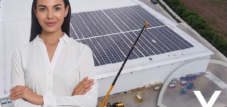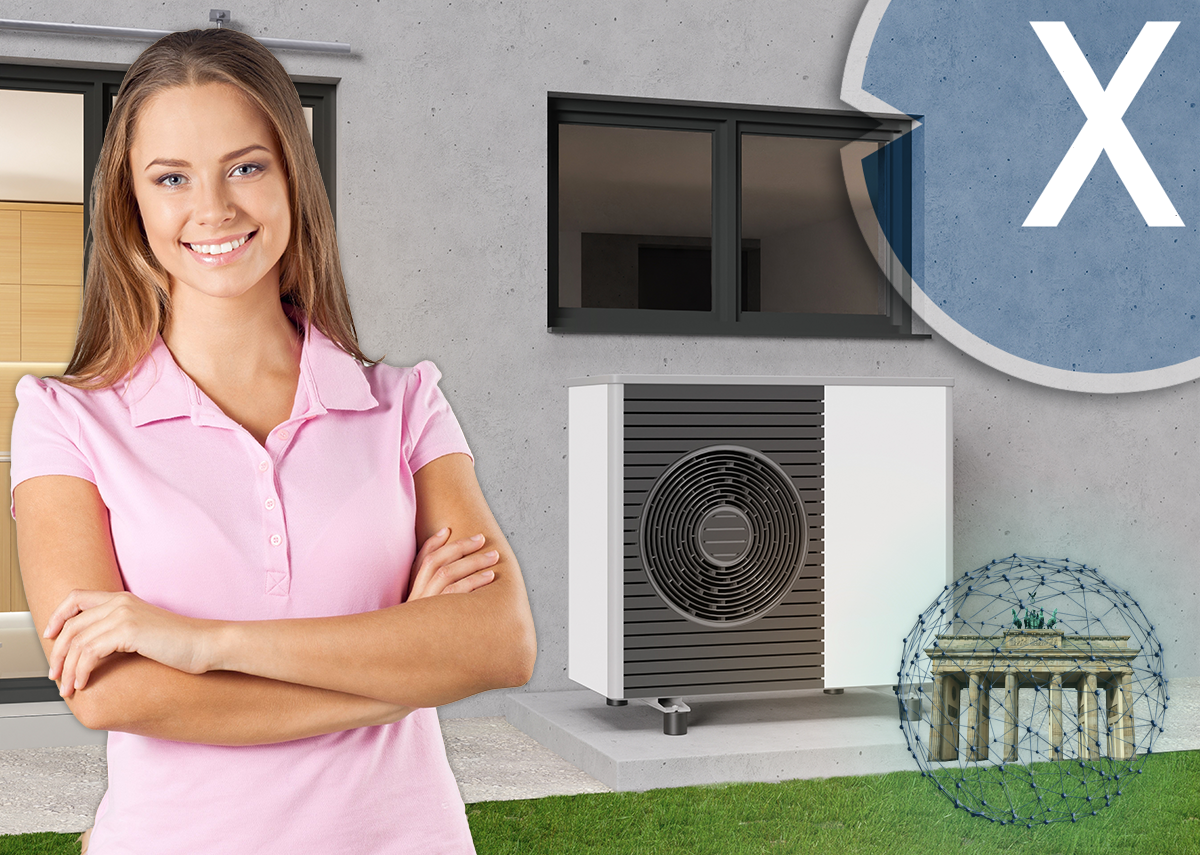
Heat pump: BAFA funding for heat pumps in Berlin and Brandenburg – Image: Xpert.Digital
BAFA funding for heat pumps: Financial support for environmentally friendly heating and cooling in Berlin and Brandenburg
The German Federal Office for Economic Affairs and Export Control (BAFA) has led to growing interest in heat pumps, an efficient heating and cooling technology, in the Berlin and Brandenburg regions. BAFA funding offers financial support for the purchase, installation, and assembly of heat pumps. This comprehensive text addresses the important details surrounding BAFA funding for heat pumps in Berlin and Brandenburg, highlighting the advantages, conditions, and procedures that homeowners should consider when taking advantage of this funding opportunity.
The use of heat pumps for heating and cooling buildings has become increasingly popular in recent years, not least because of their environmental friendliness and energy efficiency. To promote the installation and use of heat pumps, the German Federal Government has created various incentives, including the BAFA (Federal Office for Economic Affairs and Export Control) subsidy program.
BAFA funding for heat pumps includes several subsidy programs that enable homeowners to receive financial support for the purchase and installation of a heat pump. Funding can be applied for for various types of heat pumps, including air-to-water, ground-source, and water-source heat pumps.
To qualify for BAFA funding, certain requirements must be met. An important condition is that the heat pump complies with the requirements of the Renewable Energy Heat Act (EEWärmeG). This law regulates the share of renewable energy in the heating of buildings. Furthermore, the heat pump must be professionally installed, which is why installation should be carried out by a qualified specialist company.
Once the heat pump has been professionally installed and commissioned, an application for BAFA funding can be submitted. Various documents must be submitted for this purpose, including the purchase contract for the heat pump, proof of professional installation, and proof of compliance with the requirements of the German Renewable Energy Heat Act (EEWärmeG).
The amount of BAFA funding varies depending on the type of heat pump and its output. Generally, you can expect funding of several thousand euros. However, it's important to note that funding is limited and allocated on a first-come, first-served basis. Therefore, it's advisable to submit your application as soon as possible after the heat pump is installed.
➡️ BAFA funding for heat pumps is an attractive way to reduce the investment costs for purchasing and installing a heat pump. It contributes to advancing the energy transition and reducing CO2 emissions. Therefore, homeowners in Berlin and Brandenburg who are considering installing a heat pump should explore the BAFA funding options and seek advice from specialist companies if needed.
📣 Energy-efficient renovation and new construction, consulting, planning and implementation for industry, retail and municipalities
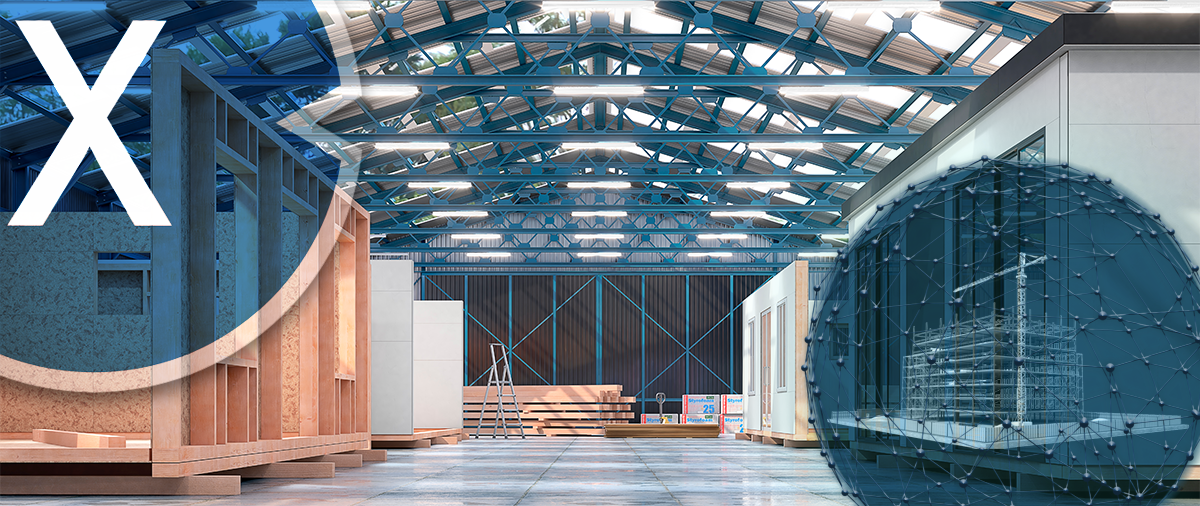
Our experienced team supports you in optimizing your buildings to reduce energy consumption and promote sustainable energy use with photovoltaics. We analyze your individual needs and develop customized concepts that are both economically and ecologically sound. Whether it's the energy-efficient renovation of existing buildings or the construction of new, energy-efficient structures, we are here to help. Industrial plants, retail buildings, and municipal facilities can reduce their energy costs, minimize their environmental impact, and simultaneously improve the comfort and efficiency of their buildings with our tailored solutions.
👨🏻 👩🏻 👴🏻 👵🏻 Energy-efficient renovation and new construction, consulting, planning and implementation for private households
We offer comprehensive support for private households in the energy-efficient renovation and new construction of buildings with photovoltaics. Our experienced team is at your side to assist you with consulting, planning, and implementing your sustainable energy solutions. We analyze your energy consumption, identify potential savings, and develop customized concepts to improve your energy efficiency. From improving building insulation and installing energy-efficient windows and doors to installing photovoltaic and solar thermal systems – we guide you step by step to make your home more energy-efficient and environmentally friendly. Trust in our expertise and benefit from the numerous advantages that energy-efficient renovation and the use of renewable energies offer. Together, we'll create a sustainable future for your home.
Leveraging synergies: Increasing energy efficiency with heat pumps and solar systems
Combining a heat pump with a solar thermal system offers excellent potential for significantly increasing the energy efficiency of buildings. These synergistic effects make it possible to both meet heating demands and maximize the self-consumption of renewable energy.
A heat pump uses energy from the environment, such as the earth, air, or groundwater, to generate heat for heating and hot water. Compared to conventional heating systems, a heat pump can reduce energy consumption by up to 50 percent. By using a solar thermal system, the heat pump is powered by environmentally friendly electricity generated from solar energy. This further contributes to CO₂ reduction and the use of renewable energy.
The solar system typically consists of photovoltaic modules that convert sunlight into electrical energy. The electricity generated can be used directly to power the heat pump. This means that the heat pump operates with clean electricity, resulting in a significant reduction in CO₂ emissions.
An interesting way to combine a heat pump and solar panels is through so-called "self-consumption of electricity." This means that the electricity produced is primarily used within the building itself, rather than being fed into the grid. By using this self-generated electricity, self-consumption is increased, which in turn reduces the need to purchase expensive grid electricity. This can result in significant savings on energy costs.
Another advantage of combining a heat pump and solar thermal system is the possibility of seasonal energy storage. Excess electricity generated during sunny periods that cannot be used immediately can power the heat pump or be stored in an energy storage system, such as a battery. This stored energy can then be used during periods of low sunlight to ensure the continued efficient operation of the heat pump.
Furthermore, the solar thermal system can also be used to support the heat pump in hot water preparation. By using solar thermal collectors, solar energy is used directly to heat water. This reduces the load on the heat pump and increases the efficiency of the entire system.
➡️ The combination of a heat pump and solar thermal system offers an efficient and sustainable solution for heating and hot water in buildings. By using renewable energy, CO₂ emissions are reduced, dependence on fossil fuels decreases, and energy costs are lowered. In Berlin and Brandenburg, homeowners have access to various funding programs that provide financial support for installing such a system. It is worthwhile to explore these options and seek advice from qualified specialists to fully exploit the synergistic potential between a heat pump and a solar thermal system.
Sustainable solutions for new construction and renovation: Heat pumps and solar systems as the key to energy efficiency in Berlin and Brandenburg
In Berlin and Brandenburg, sustainability is becoming increasingly important in new construction and building renovation. One effective way to increase energy efficiency and simultaneously utilize renewable energy is to combine a heat pump with a solar thermal system.
New construction and building renovations offer ideal opportunities to integrate energy-efficient technologies. A heat pump is one such technology that utilizes ambient heat to provide heating and hot water. It employs a refrigerant that circulates in a closed loop, absorbing heat from the surrounding environment. This heat is then raised to a higher temperature level and used to heat the building. This technology allows a heat pump to achieve significant energy savings compared to conventional heating systems.
Combining a heat pump with a solar thermal system further enhances the building's sustainability and efficiency. The solar thermal system consists of photovoltaic modules that convert sunlight into electrical energy. The generated electricity can be used directly to power the heat pump, thus enabling its operation with renewable energy. This leads to a significant reduction in CO2 emissions and maximizes the use of renewable energy.
An interesting aspect of this combination is the possibility of using self-generated electricity. By installing a solar power system, the electricity produced can be primarily used within the building itself. This means that the heat pump's electricity needs are met with self-generated clean energy instead of drawing power from the grid. This maximizes the self-consumption of renewable energy and reduces the need to purchase expensive grid electricity.
Another advantage of combining a heat pump and solar panels is seasonal energy storage. Excess electricity generated during sunny periods that cannot be used immediately can either be stored in a battery storage system or used to support the heat pump. This allows for efficient use of the generated energy even during periods of low sunlight.
The combination of a heat pump and solar thermal system is suitable for both new builds and renovation projects. In new builds, the systems can be optimally planned and integrated from the outset to achieve maximum benefit. For renovations, heat pumps and solar thermal systems offer an effective way to make older buildings more energy-efficient and significantly reduce energy consumption.
In Berlin and Brandenburg, homeowners have access to various funding programs that financially support the installation of such a combination. These include, for example, the KfW Bank's funding programs or regional subsidies. It is advisable to find out about current funding opportunities and consult experts to fully exploit the potential of combining a heat pump and solar thermal system.
➡️ The use of sustainable solutions such as heat pumps and solar panels in new construction and building renovations in Berlin and Brandenburg is an important step towards a climate-friendly future. By increasing energy efficiency and the greater use of renewable energies, homeowners can not only reduce their energy costs but also make a valuable contribution to climate protection.
Plan your solar system for the most common applications conveniently online with our solar system planner!
With our user-friendly solar system planner, you can design your individual solar system online. Whether you need a solar system for your home, your business, or for agricultural purposes, our planner allows you to consider your specific requirements and develop a customized solution.
The planning process is simple and intuitive. You simply enter the relevant information. Our planner takes this information into account and creates a customized solar system that meets your needs. You can try out different options and configurations to find the optimal solar system for your application.
Furthermore, you can save your plan to review it later or share it with others. Our customer service team is also available to answer any questions and provide support to ensure your solar system is optimally planned.
Use our solar system planner to design your individual solar system for the most common applications and accelerate the transition to clean energy. Get started now and take an important step towards sustainability and energy independence!

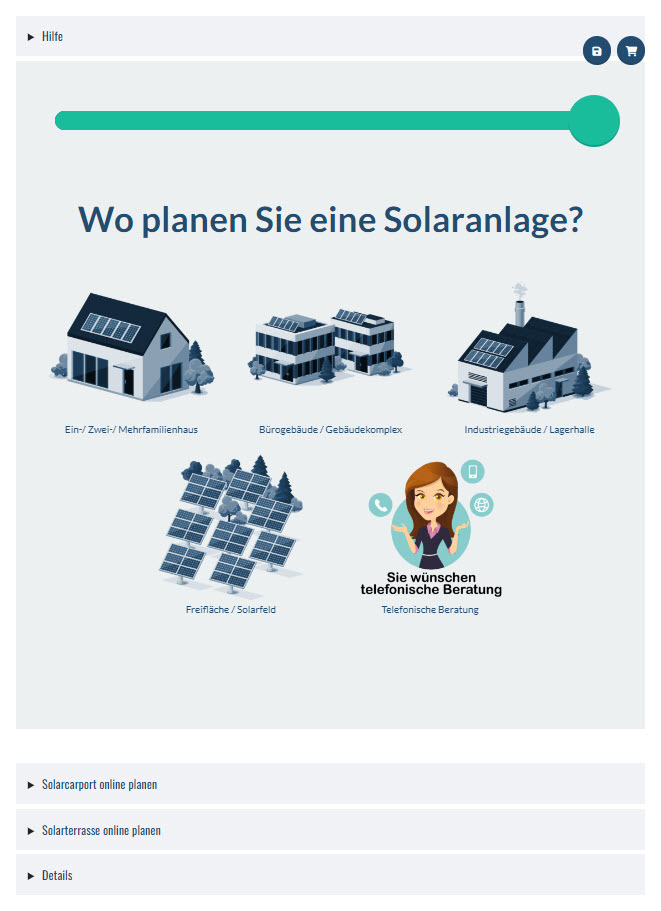
The solar system planner for the most common applications: Plan your solar system online here - Image: Xpert.Digital
More information here:
Green heat for smart cities: The synergy of heat pumps and solar systems for energy-efficient buildings
The implementation of smart city solutions is more important than ever. A key challenge is creating energy-efficient buildings that utilize sustainable heat sources. One effective way to generate green heat is by combining a heat pump with a solar thermal system. The following sections explain important and interesting details about this innovative solution.
Combining a heat pump with a solar thermal system allows you to utilize both solar energy and ambient heat to heat buildings and provide hot water. A heat pump extracts heat from the air, ground, or groundwater and raises it to a higher temperature level to meet heating requirements. Simultaneously, photovoltaic modules in the solar thermal system convert sunlight into electrical energy, which powers the heat pump.
The combination of a heat pump and solar thermal system offers numerous advantages for energy-efficient buildings in smart cities. The use of renewable energy reduces dependence on fossil fuels, leading to a significant reduction in CO2 emissions and thus contributing to climate protection. Furthermore, the combination of a heat pump and solar thermal system can result in substantial energy savings, as both heat supply and electricity generation become more efficient.
An interesting feature of this combination is the possibility of energy optimization through the use of intelligent control systems. Smart home solutions make it possible to link the heat pump and the solar system and control the energy flow according to demand. For example, excess solar power can be used to operate the heat pump or stored in an energy storage system. This energy optimization contributes to further increasing efficiency and enables flexible use of the generated energy.
Another interesting aspect is the application of combining heat pumps and solar panels in smart cities. By networking buildings and infrastructure, energy production and demand can be intelligently controlled and optimized. For example, weather forecast and energy consumption data can be used to optimally adjust the operating times of heat pumps and the electricity generation of solar panels. This allows for the harmonization of local energy consumption and reduces strain on the electricity grid.
With regard to the development of smart cities, it is important that planners and decision-makers recognize and actively promote the potential of combining heat pumps and solar thermal systems. Many cities and regions already offer financial incentives and funding programs to support the use of these sustainable solutions. It is advisable to learn about these opportunities and seek expert advice to fully realize the potential of combining heat pumps and solar thermal systems for energy-efficient buildings in smart cities.
➡️ Green heat from the sun and the earth, generated through the combination of heat pumps and solar panels, is a key component of sustainable smart city solutions. By utilizing renewable energies, optimizing energy use, and intelligently networking, energy-efficient buildings can be created that make a significant contribution to achieving climate goals.
Energy efficiency in rural areas: Heat pumps and solar systems as a key to the sustainable development of smart rural areas
Smart Rural Areas or Smart Villages are rural regions that strive for sustainable development through the use of modern technologies and sustainable concepts. In this context, energy efficiency plays a crucial role in the planning and construction of new buildings. A heat pump is an efficient technology that uses ambient heat to heat buildings and provide hot water. It can reduce heating costs by up to 50 percent compared to conventional heating systems.
Combining a heat pump with a solar thermal system offers numerous advantages for energy-efficient buildings in smart rural areas or smart villages. The solar thermal system consists of photovoltaic modules that convert sunlight into electrical energy. The electricity generated can be used directly to power the heat pump, thus operating it with renewable energy. This contributes to reducing CO2 emissions and maximizes the use of renewable energy.
The possibility of self-consumption of electricity in Smart Rural Areas or Smart Villages is particularly interesting. The solar power produced can be primarily used within the building itself, instead of being fed into the grid. This maximizes the self-consumption of renewable energy and reduces the need to draw electricity from the grid. This leads to further reductions in energy costs and strengthens independence from external energy sources.
Another advantage of combining a heat pump and solar thermal system lies in the possibility of seasonal energy storage. Excess solar power generated during sunny periods that cannot be used immediately can either be stored in a battery storage system or used to support the heat pump. This allows the generated energy to be used efficiently even during periods of low solar irradiance.
The combination of a heat pump and solar thermal system is suitable not only for new buildings but also for the energy-efficient renovation of existing buildings in smart rural areas or smart villages. By using these sustainable technologies, older buildings can be made more energy-efficient and energy consumption can be significantly reduced.
For developers and owners in Smart Rural Areas or Smart Villages, various funding programs are available to financially support the installation of heat pumps and solar systems. It is advisable to research these funding opportunities and consult experts to fully realize the potential of these sustainable solutions.
➡️ The construction of energy-efficient buildings with heat pumps and solar panels in Smart Rural Areas or Smart Villages is an important step towards the sustainable development of rural regions. By using renewable energy, reducing CO2 emissions, and lowering energy costs, not only is the environment protected, but the quality of life in rural areas is also improved. The combination of heat pumps and solar panels thus offers a future-oriented solution for forward-looking new construction in Smart Rural Areas or Smart Villages.
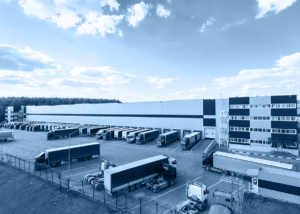
- Planning photovoltaics on warehouses, commercial buildings and industrial buildings
- Industrial plant: Planning a photovoltaic open-field system or open-area system
- Planning solar power systems with photovoltaic solutions for freight forwarding companies and contract logistics
- B2B Solar Systems and Photovoltaic Solutions & Consulting
Expert advice on energy-efficient renovation and new construction with Xpert.Plus

Konrad Wolfenstein
I would be happy to serve as your personal advisor.
You can contact me by filling out the contact form below or simply call me on +49 7348 4088 965 .
I'm looking forward to our joint project.
Write to me


Xpert.Digital – Konrad Wolfenstein
Xpert.Digital is a hub for industry focusing on digitalization, mechanical engineering, logistics/intralogistics and photovoltaics.
With our 360° Business Development solution, we support renowned companies from new business to after-sales.
Market intelligence, smarketing, marketing automation, content development, PR, mail campaigns, personalized social media and lead nurturing are part of our digital tools.
You can find more information at: www.xpert.digital – www.xpert.solar – www.xpert.plus
Keep in touch