

Published on: November 10, 2024 / Updated on: November 10, 2024 – Author: Konrad Wolfenstein
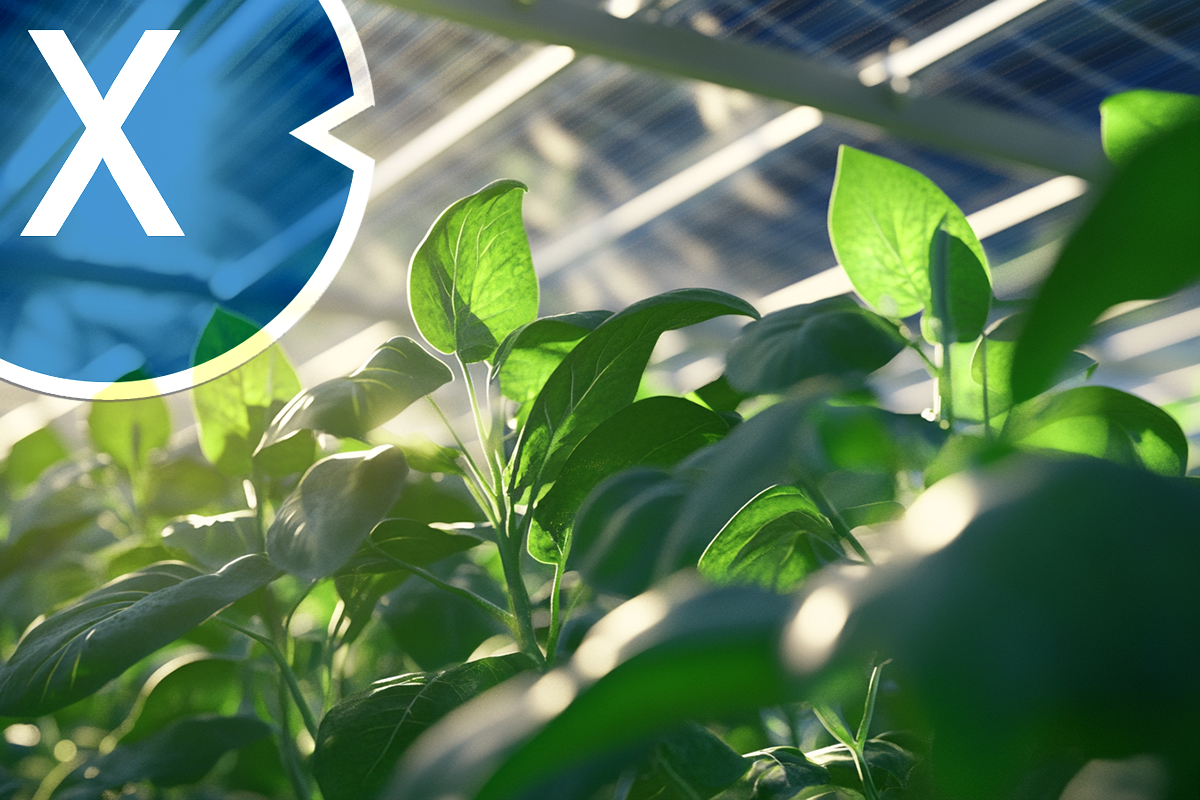
Handbook for Agri-Photovoltaics (AgriPV) Projects – Up to 60 Percent Higher Crop Yields – Image: Xpert.Digital
Handbook for agri-photovoltaic projects: Opportunities and challenges of the agricultural solar industry
The potential of agri-photovoltaics (AgriPV) projects has gained increasing attention in recent years. AgriPV combines agricultural use with solar energy generation, which can not only increase agricultural yields but also contribute to the global energy transition. SolarPower Europe, a solar energy association in Europe, has developed a comprehensive handbook in collaboration with the agricultural sector, detailing the opportunities, benefits, and challenges of this technology for agriculture.
Advantages and opportunities of agri-photovoltaics
Increased crop yields and soil quality
AgriPV offers the potential to increase crop yields by up to 60 percent – an impressive figure that depends on the type of crop, the season, the regional climate, and the specific conditions of the PV systems. The solar panels protect plants from extreme weather conditions, which can lead to more stable crop yields. A microclimate exists beneath the solar panels, protecting the soil from excessive sunlight and regulating soil temperature. During cold periods, soil temperatures can rise by up to 7 degrees Celsius, while during warmer periods they can fall by up to 6 degrees Celsius. This temperature regulation has a positive effect on soil quality and can promote plant vitality.
Increased carbon storage and water retention
Another advantage of agri-PV is the up to 80 percent increase in soil carbon storage, particularly in projects on pastureland. This actively contributes to climate protection, as the carbon bound in the soil is removed from the cycle in the long term. Water retention also benefits from agri-PV projects. Inter-row and elevated PV systems can increase water retention by 20 to 30 percent, which is a crucial factor in times of increasing water scarcity.
Promoting biodiversity and pollinator populations
Another positive side effect is the increased presence of pollinators in the vicinity of PV systems. Studies show an increase of up to 60 percent in pollinator activity in AgriPV projects. This not only supports plant production but also contributes to the preservation of biodiversity.
Additional sources of income for farmers
Agri-PV offers farmers attractive additional sources of income. These include lease payments from project developers and the direct provision of agricultural infrastructure. In many cases, Agri-PV systems also reduce electricity costs for farms. By installing solar panels on arable land, greenhouses, or pasture, farmers can generate sustainable additional income and lower their operating costs.
Furthermore, the handbook presents various business models and revenue streams. These include leasing models, operating models, and hybrid structures that combine the interests of farmers and investors. The farmer can either act as the owner of the system or lease their land to companies that operate the PV systems and market the electricity produced.
Prototypes and application examples
The handbook describes ten prototypes of agri-PV systems tailored to various agricultural areas and land-use types. These prototypes include applications on arable and permanent crops, permanent grassland, in greenhouses, and on covered areas with elevated photovoltaic systems. Each prototype is accompanied by a business case outlining the economic benefits, the impact on agriculture and the environment, and a case study. The diversity of these prototypes makes it possible to implement agri-PV in virtually all agricultural contexts, from intensive farming to extensive grazing.
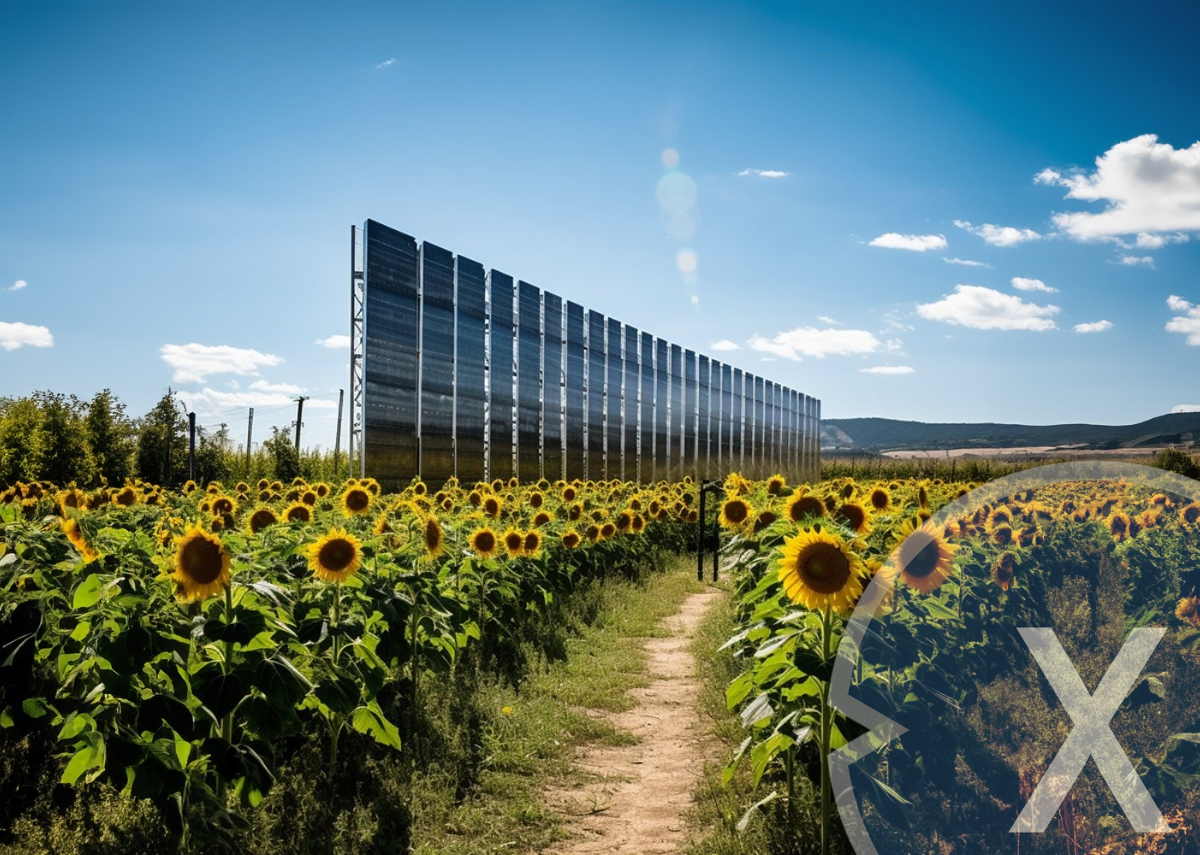
One example of such a prototype is the integration of photovoltaic (PV) systems into greenhouses. These systems protect the plants from extreme weather conditions while simultaneously providing an efficient way to meet the greenhouse's own energy needs. Another prototype involves elevated systems on pastureland, allowing animals to cool off in the shade of the modules, while the farmer benefits from the additional income.
Framework conditions and political support
For the widespread adoption of agri-PV, appropriate political support is necessary. The handbook points out that agri-PV can only be successful across the board if clear legal frameworks are established that promote the integration of agriculture and renewable energies. These include, among other things, simplifications in grid connection and permitting procedures. Increased cooperation between the ministries of agriculture and energy could contribute to the development of a suitable framework.
Solarpower Europe is appealing to policymakers to ensure that farmers operating agri-PV systems continue to have access to direct payments under the Common Agricultural Policy (CAP). These payments are a vital source of income for many farmers, and their provision should not be jeopardized by the integration of photovoltaic systems on agricultural land.
Another important point is the introduction of specific incentives for farmers participating in AgriPV projects. These could take the form of tax breaks, subsidies for the installation of PV systems, or special support programs. Improving data collection and analysis for assessing the environmental impact of AgriPV is also crucial. This includes the systematic collection of data on carbon sequestration, water retention, and biodiversity in AgriPV projects.
Challenges and solutions
Despite the numerous advantages and opportunities of agrivoltaics, there are also challenges that must not be ignored. A key challenge is land use. In densely populated countries like Germany, access to suitable agricultural land is limited. Comprehensive planning and a careful assessment of agricultural and energy use are therefore essential.
Another problem area is the high initial investment required for installing photovoltaic systems. Even though the long-term economic benefits are promising, many farmers lack the necessary start-up capital to implement AgriPV projects independently. Public funding programs and financing options could help address this.
Future prospects and potential of AgriPV
Agri-PV has the potential to become a key technology for the sustainable agriculture of the future. The technology not only offers the opportunity to make farms more resilient to climate fluctuations, but can also make a significant contribution to the energy transition. With the growing demand for renewable energies and the simultaneous need to optimize the use of agricultural land, Agri-PV faces a promising future.
To fully realize the potential of AgriPV, it is crucial that farms are equipped with the necessary information and tools. Farmers should receive clear information about the technical and economic aspects of AgriPV projects and have access to advice and support. Providing a comprehensive handbook like the one from Solarpower Europe makes a significant contribution to educating farmers about the possibilities of AgriPV and facilitating their entry into this innovative technology.
Solar energy on agricultural land
Agri-PV is more than just a technology for generating solar energy on agricultural land – it's an approach that innovatively combines agriculture and energy production, thereby making a crucial contribution to sustainable development. By giving farmers the opportunity to use their land for both agriculture and energy production, they can diversify their income sources while simultaneously reducing the environmental impact of their operations.
However, the future of agri-photovoltaics depends significantly on political frameworks, economic incentives, and farmers' willingness to embrace this new form of agriculture. If these conditions are met, agri-photovoltaics could become a crucial pillar of sustainable agriculture and the energy transition.
Related to this:

- Economic efficiency meets ecology: Agri-PV as a future model for resilient farms – Image: Xpert.Digital
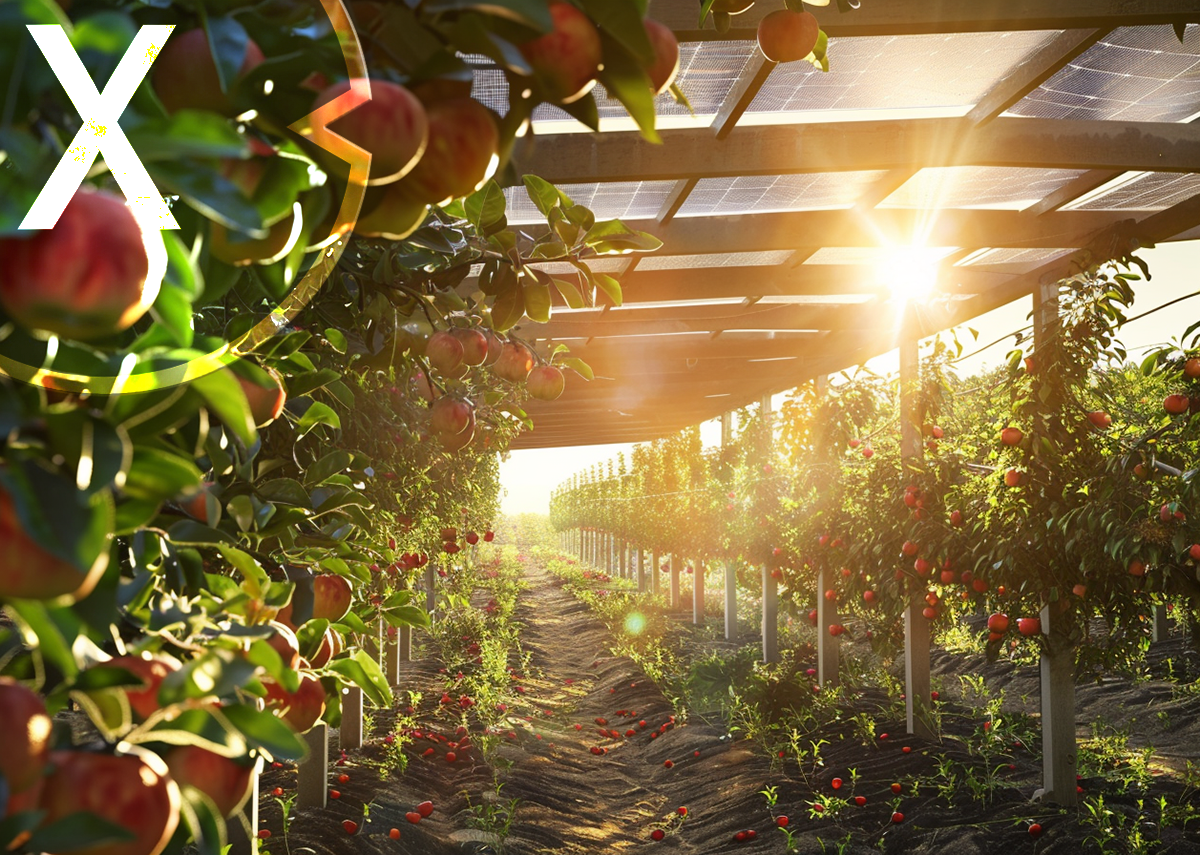
- Agri-photovoltaics (Agri-PV or AgriPV) – Image: Xpert.Digital / Astrid Demeillier
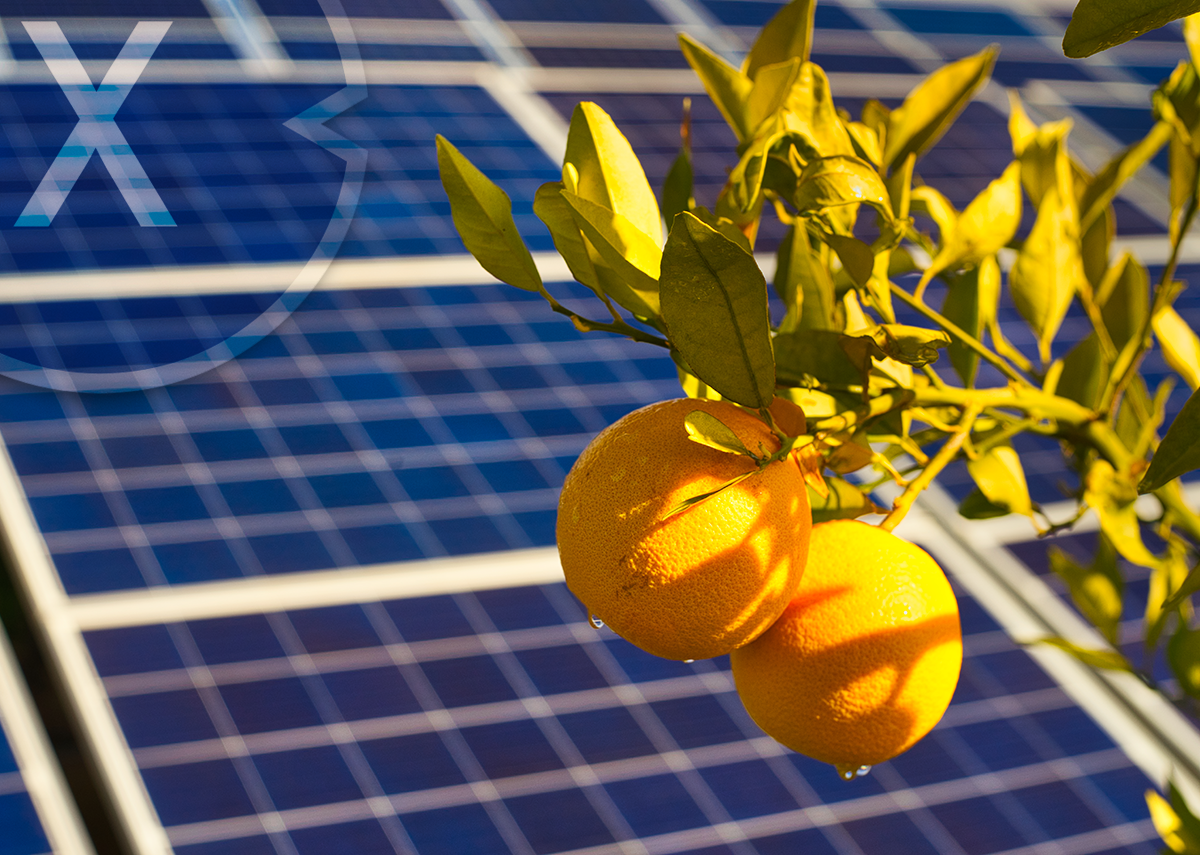
- Agri-photovoltaics: Agriculture and energy production in harmony – State Secretary Gisela Splett – Image: © Fraunhofer ISE / Oliver Hörnle
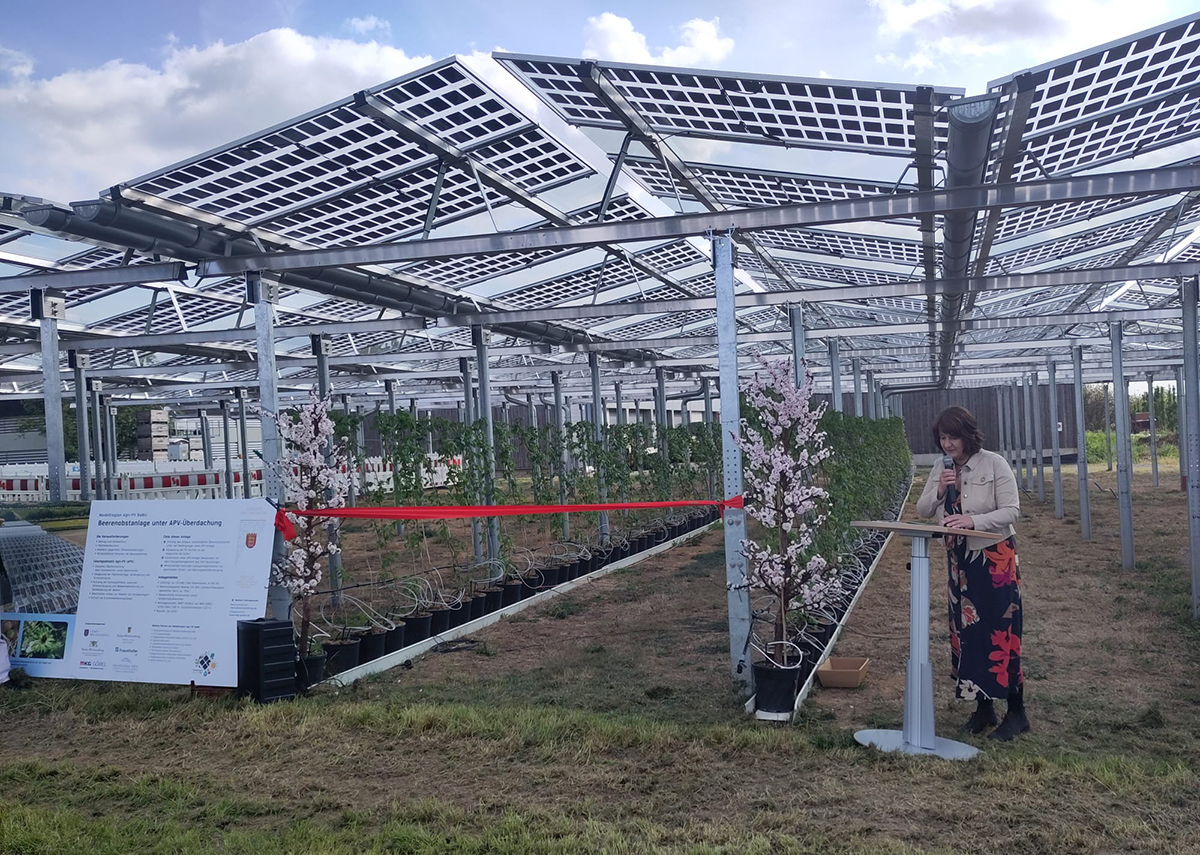
- AI & XR 3D Rendering Machine: Great potential with agri-PV: Agri-photovoltaics hardly used in Germany – Image: Xpert.Digital
- Harvesting robot for strawberries (symbolic image) in a solar greenhouse with semi-transparent solar panels as a roof – Image: Xpert.Digital

- Looking for an agri-PV construction and solar company in Berlin? Agri-photovoltaics or agricultural solar in agriculture – Image: Xpert.Digital
Agri-photovoltaics (AgriPV) projects: Opportunities and challenges for agriculture
Agri-photovoltaics (AgriPV) represents a promising innovation that combines renewable energy generation with agricultural production. This technology makes it possible to use agricultural land for both food production and solar power generation. SolarPower Europe, in collaboration with the agricultural sector, has developed a comprehensive handbook outlining the advantages, challenges, and potential of this technology. This article takes a closer look at the handbook and presents additional information and perspectives on AgriPV.
Advantages of agri-photovoltaics
One of the most significant advantages of AgriPV is the potential to substantially increase crop yields. The handbook highlights that yield increases of up to 60 percent are possible under certain conditions. These increases depend on a variety of factors, including the type of crops being grown, the season, the regional climate, and the specific photovoltaic system. For example, the photovoltaic modules can provide shade, protecting plants from extreme heat, which is particularly beneficial during hot summer months. At the same time, the soil temperature can rise by up to 7 degrees Celsius during colder periods, promoting growth in cooler months. Conversely, during warmer periods, the soil temperature can drop by up to 6 degrees Celsius due to the modules' shade, which can also have a positive impact on plant growth.
Another significant advantage is the improvement in soil quality. According to the handbook, photovoltaic projects on pastureland can lead to an increase in soil carbon storage of up to 80 percent. This increased carbon storage not only contributes to improved soil fertility but also plays an important role in combating climate change, as more carbon is bound in the soil.
Furthermore, a 20 to 30 percent increase in water retention is observed in inter-row and elevated photovoltaic systems. These systems allow the soil to store more water, which is particularly beneficial in regions with irregular rainfall or prolonged dry periods. Additionally, one project observed a 60 percent increase in pollinator presence. Pollinators such as bees are essential for many agricultural crops, and their increased presence can also lead to higher crop yields.
Economic benefits for farmers
In addition to its ecological benefits, agri-photovoltaics (AgriPV) also offers significant economic opportunities for farmers. This handbook describes various ways in which farmers can generate additional income through agri-photovoltaic projects. One possibility is receiving lease payments from developers who want to install photovoltaic systems on their land. These lease payments can provide a stable source of income and help farmers diversify their financial risks.
A further economic advantage arises from the direct provision of agricultural infrastructure by the developers of the photovoltaic systems. This can include, for example, the construction of irrigation systems or storage facilities, which benefit farmers and reduce their production costs.
Last but not least, farmers can reduce their own energy costs by using the solar power they generate, or even feed surplus electricity into the grid and thereby generate additional income. This represents a significant advantage, especially in times of rising energy prices.
Various models and prototypes
The handbook presents various ownership models, business structures, and revenue streams for agrivoltaics. It describes ten different prototypes tailored to various types of agricultural land. These prototypes include projects on arable land, permanent crops such as orchards or vineyards, and permanent grassland. Covered areas with elevated photovoltaic systems or interstitial systems with or without livestock grazing are also considered.
Particular attention is paid to ecological photovoltaic initiatives and the installation of photovoltaic systems in greenhouses or on agricultural buildings such as barns or stables. This diversity of models demonstrates that agri-PV can be flexibly adapted to different agricultural conditions.
The report presents a detailed business case for each prototype, analyzing both its economic and environmental impacts on agriculture. Furthermore, the handbook includes case studies of successful projects from various regions of Europe to provide practical examples.
Challenges and necessary framework conditions
Despite the numerous advantages, implementing AgriPV projects also presents challenges. A key challenge is ensuring that farmers have the necessary tools and incentives to participate in such projects. This includes, among other things, simplifying grid connection for solar power systems and streamlining planning and permitting procedures.
Another important point is the introduction of remuneration schemes designed to promote close cooperation between agriculture and renewable energies. "To fully exploit the potential of agri-solar," the handbook states, "we must ensure that farmers have the tools and incentives to participate." This requires clear regulations and support from policymakers.
SolarPower Europe is therefore calling on policymakers to clarify that farmers operating AgriPV systems will continue to have access to direct payments under the Common Agricultural Policy (CAP). This is a crucial point for many farmers in Europe, as these payments often constitute a significant portion of their income.
Furthermore, SolarPower Europe is calling for specific incentives for farmers to participate in agri-PV projects, as well as improved data collection on their impacts on carbon sequestration, water retention, and biodiversity. A sound data foundation is crucial for evaluating and optimizing the long-term success of such projects.
A win-win situation for agriculture and the energy sector
With increasing pressure on agricultural land due to growing populations and climate change, this technology offers a way to sustainably intensify agriculture without additional land consumption.
Agri-PV could play a key role, particularly in regions with intense solar radiation such as Southern Europe or Africa. Here, solar power plants could not only contribute to electricity generation but also help alleviate water scarcity while simultaneously achieving higher crop yields.
Overall, the SolarPower Europe handbook impressively demonstrates that AgriPV represents a win-win situation for agriculture and the energy sector – provided that suitable political frameworks are created and farmers receive sufficient support in implementing such projects.
The combination of ecological benefits such as improved water retention and carbon storage, as well as economic benefits such as additional revenue streams, makes AgriPV a promising solution for a more sustainable future in agriculture.
Suitable for: