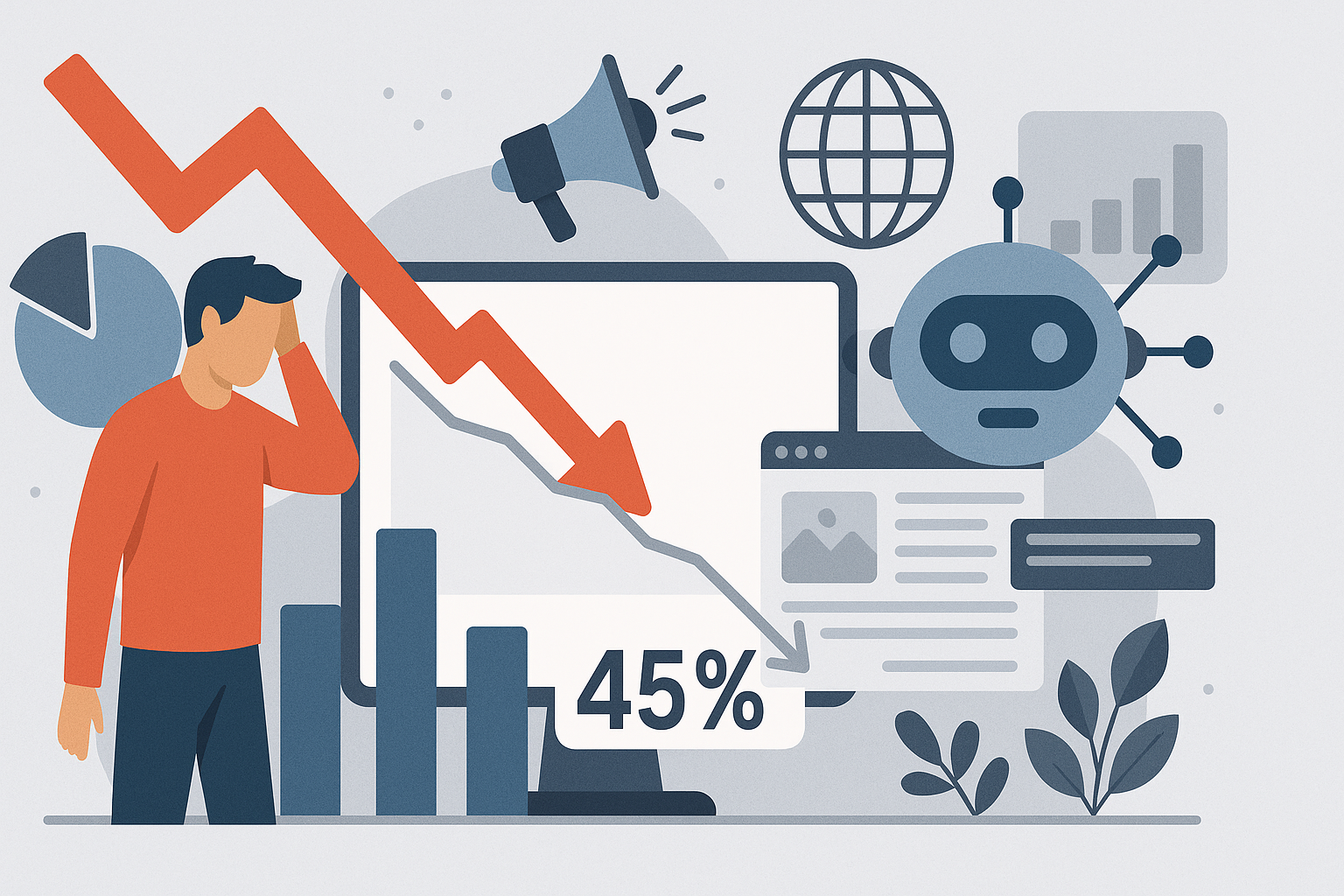
Die Diskrepanz zwischen Traffic-Zahlen in verschiedenen Analysetools und ihre versteckten Ursachen – Bild: Xpert.Digital
Sind Ihre Besucher echt – sind es alle? Die überraschende Wahrheit über fehlerhafte Bot-Erkennung
### Vertrauen Sie Google Analytics? Dieser teure Fehler verzerrt Ihre gesamte Strategie ### Warum Ihre Analysetools die wahren Besucherzahlen nicht kennen ### Von Bots bis DSGVO: Die unsichtbaren Feinde, die Ihre Web-Analyse sabotieren ### Analytics-Chaos: Die versteckten Gründe, warum Ihre Traffic-Zahlen nie übereinstimmen ###
Mehr als nur Zahlen: Was Ihre Web-Analyse Ihnen wirklich verschweigt
Jeder, der eine Website betreibt, kennt das frustrierende Gefühl: Ein Blick in Google Analytics zeigt eine Zahl, das Server-Log eine andere, und das Marketing-Tool eine dritte. Was wie ein technischer Fehler oder eine simple Ungenauigkeit aussieht, ist in Wahrheit die Spitze eines komplexen Eisbergs. Die Diskrepanz zwischen Traffic-Zahlen ist kein Bug, sondern ein systematisches Problem, das tief in der Architektur des modernen Internets verwurzelt ist. Die einfache Frage „Wie viele Besucher habe ich?“ hat keine einfache Antwort mehr.
Die Ursachen sind so vielfältig wie unsichtbar. Sie reichen von aggressiven Bot-Erkennungssystemen, die echte Menschen fälschlicherweise aussortieren, über strenge Datenschutzgesetze wie die DSGVO, die durch Cookie-Banner riesige Datenlücken reißen, bis hin zu modernen Browsern, die aus Privatsphäre-Gründen das Tracking aktiv blockieren. Hinzu kommen technische Fallstricke wie fehlerhaftes Cross-Domain-Tracking, die statistischen Tücken des Datensamplings und die unsichtbare Rolle von Caching-Systemen, die einen Teil Ihrer Besucher für Ihre Server unsichtbar machen.
Diese Ungenauigkeiten sind mehr als nur Schönheitsfehler in einem Report. Sie führen zu falschen Schlussfolgerungen, fehlgeleiteten Marketing-Investitionen und einem fundamental verzerrten Bild des Nutzerverhaltens. Wenn Sie nicht verstehen, warum Ihre Zahlen voneinander abweichen, treffen Sie Entscheidungen im Blindflug. Dieser Artikel taucht tief in die versteckten Ursachen dieser Diskrepanzen ein, entschlüsselt die Komplexität hinter den Kulissen und zeigt Ihnen, wie Sie in einer Welt unvollständiger Daten dennoch zu fundierten und strategisch klugen Entscheidungen gelangen können.
Passend dazu:


Warum Traffic nicht gleich Traffic ist
Die Messung von Website-Traffic scheint auf den ersten Blick eine einfache Angelegenheit zu sein. Doch die Realität zeigt ein komplexeres Bild, bei dem verschiedene Analysetools unterschiedliche Zahlen für dieselbe Website liefern können. Diese Diskrepanzen entstehen nicht durch Zufälle oder technische Fehler, sondern durch grundlegende Unterschiede in der Art und Weise, wie Traffic erfasst, verarbeitet und interpretiert wird.
Das Problem beginnt bereits bei der Definition dessen, was als gültiger Traffic gezählt werden soll. Während ein Tool jeden Seitenaufruf als Besuch wertet, filtert ein anderes automatisierte Zugriffe heraus oder berücksichtigt nur Besucher, die JavaScript aktiviert haben. Diese unterschiedlichen Ansätze führen zu Zahlen, die auf den ersten Blick widersprüchlich erscheinen, aber alle ihre Berechtigung haben.
Die Herausforderung wird noch komplexer, wenn man bedenkt, dass moderne Websites nicht mehr nur einfache HTML-Seiten sind, sondern komplexe Anwendungen mit verschiedenen Domänen, Subdomänen und integrierten Diensten. Ein Benutzer kann seine Reise auf der Hauptwebsite beginnen, zu einem externen Zahlungsdienstleister wechseln und dann zu einer Bestätigungsseite zurückkehren. Jeder dieser Schritte kann unterschiedlich getrackt werden, je nachdem, welches Tool verwendet wird und wie es konfiguriert ist.
Die versteckten Fallstricke der Bot-Erkennung
Wenn Menschen zu Bots werden
Die automatische Erkennung von Bot-Traffic ist eine der komplexesten Aufgaben in der Web-Analytik. Moderne Bot-Erkennungssysteme verwenden ausgeklügelte Algorithmen, die auf verschiedenen Signalen basieren: Mausbewegungen, Scrollverhalten, Verweildauer auf Seiten, Browser-Fingerprinting und viele weitere Parameter. Diese Systeme sind darauf ausgelegt, automatisierte Zugriffe zu identifizieren und auszufiltern, um ein realistischeres Bild der menschlichen Nutzer zu erhalten.
Das Problem liegt jedoch in der Unperfektion dieser Erkennungssysteme. False Positives, also die fälschliche Identifizierung echter Benutzer als Bots, sind ein weit verbreitetes Problem. Ein Benutzer, der sehr schnell durch eine Website navigiert, möglicherweise mit deaktivierten Cookies oder JavaScript, kann leicht als Bot eingestuft werden. Besonders betroffen sind Nutzer mit besonderen Browsing-Gewohnheiten: Menschen, die Barrierefreiheitstechnologien verwenden, Power-User, die Tastaturkürzel bevorzugen, oder Nutzer aus Regionen mit langsamen Internetverbindungen, die zu ungewöhnlichen Lademustern führen.
Die Auswirkungen sind erheblich. Studien zeigen, dass bei der Verwendung populärer Bot-Erkennungstools wie Botometer die Fehlerquote bei der Klassifizierung zwischen 15 und 85 Prozent liegen kann, abhängig von der verwendeten Schwelle und dem analysierten Datensatz. Das bedeutet, dass ein beträchtlicher Anteil der als „Bot-Traffic“ gefilterten Besuche tatsächlich echte Menschen waren, deren Verhalten vom System missverstanden wurde.
Die Entwicklung der Bot-Landschaft
Die Bot-Landschaft hat sich dramatisch verändert. Während frühe Bots leicht durch einfache Parameter wie User-Agent-Strings oder IP-Adressen identifiziert werden konnten, sind moderne Bots deutlich ausgefeilter. Sie verwenden echte Browser-Engines, simulieren menschliche Verhaltensmuster und nutzen residential IP-Adressen. Gleichzeitig sind KI-gestützte Agents entstehen, die komplexe Aufgaben ausführen und dabei menschliches Verhalten nahezu perfekt nachahmen können.
Diese Entwicklung stellt Erkennungssysteme vor neue Herausforderungen. Traditionelle Methoden wie die Analyse von Browser-Fingerprints oder Verhaltensmustern werden weniger zuverlässig, je sophistischer die Bots werden. Das führt dazu, dass Erkennungssysteme entweder zu konservativ eingestellt werden und viele Bots durchlassen, oder zu aggressiv konfiguriert sind und legitime Benutzer fälschlicherweise blockieren.
Die unsichtbare Welt der Intranet- und geschlossenen Netzwerke
Messung hinter Firewalls
Ein großer Teil des Internet-Traffics findet in geschlossenen Netzwerken statt, die für herkömmliche Analysetools unsichtbar sind. Unternehmensintranet, private Netzwerke und geschlossene Gruppen generieren erhebliche Mengen an Traffic, der in den gängigen Statistiken nicht erfasst wird. Diese Netzwerke verwenden oft eigene Analyselösungen oder verzichten ganz auf umfassendes Tracking, um Sicherheit und Datenschutz zu gewährleisten.
Die Herausforderungen bei der Messung von Intranet-Traffic sind vielfältig. Firewalls können aktive Sondierungsversuche blockieren, Network Address Translation versteckt die tatsächliche Anzahl und Struktur der Hosts, und administrative Richtlinien beschränken oft die Sichtbarkeit von Netzwerkkomponenten. Viele Organisationen implementieren zusätzliche Sicherheitsmaßnahmen wie Proxy-Server oder Traffic-Shaping-Tools, die die Analyse des Datenverkehrs weiter erschweren.
Interne Analysemethoden
Unternehmen, die ihren internen Traffic messen wollen, müssen auf spezialisierte Methoden zurückgreifen. Packet Sniffing und Network Flow Analysis sind gängige Techniken, aber sie erfassen Traffic auf einer anderen Ebene als webbasierte Analysetools. Während JavaScript-basierte Tools individuelle Benutzersitzungen und Seitenaufrufe verfolgen, analysieren Netzwerk-Monitoring-Tools den gesamten Datenverkehr auf Paketebene.
Diese unterschiedlichen Ansätze führen zu fundamental verschiedenen Metriken. Ein Netzwerk-Monitoring-Tool kann beispielsweise zeigen, dass zwischen zwei Servern ein hohes Datenvolumen übertragen wird, aber es kann nicht unterscheiden, ob diese Daten von einem Benutzer stammen, der ein großes Video ansieht, oder von hundert Benutzern, die gleichzeitig kleine Dateien herunterladen.
Unsere Empfehlung: 🌍 Grenzenlose Reichweite 🔗 Vernetzt 🌐 Vielsprachig 💪 Verkaufsstark: 💡 Authentisch mit Strategie 🚀 Innovation trifft 🧠 Intuition


Vom Lokalen zum Globalen: KMUs erobern den Weltmarkt mit cleverer Strategie - Bild: Xpert.Digital
In einer Zeit, in der die digitale Präsenz eines Unternehmens über seinen Erfolg entscheidet, stellt sich die Herausforderung, wie diese Präsenz authentisch, individuell und weitreichend gestaltet werden kann. Xpert.Digital bietet eine innovative Lösung an, die sich als Schnittpunkt zwischen einem Industrie-Hub, einem Blog und einem Markenbotschafter positioniert. Dabei vereint es die Vorteile von Kommunikations- und Vertriebskanälen in einer einzigen Plattform und ermöglicht eine Veröffentlichung in 18 verschiedenen Sprachen. Die Kooperation mit Partnerportalen und die Möglichkeit, Beiträge bei Google News und einem Presseverteiler mit etwa 8.000 Journalisten und Lesern zu veröffentlichen, maximieren die Reichweite und Sichtbarkeit der Inhalte. Dies stellt einen wesentlichen Faktor im externen Sales & Marketing (SMarketing) dar.
Mehr dazu hier:
Datenqualität retten: Strategien gegen GDPR und Privacy-Tools
Datenschutzregulierung als Traffic-Killer
Der GDPR-Effekt auf die Datenerfassung
Die Einführung der Datenschutz-Grundverordnung und ähnlicher Gesetze hat die Landschaft der Web-Analytik grundlegend verändert. Websites sind nun verpflichtet, explizite Einwilligung für das Tracking von Benutzern einzuholen, was zu einem dramatischen Rückgang der verfügbaren Daten geführt hat. Studien zeigen, dass nur ein Bruchteil der Besucher den Tracking-Cookies zustimmt, wodurch große Lücken in den Analysedaten entstehen.
Das Problem geht über die reine Datensammlung hinaus. Die GDPR erfordert, dass die Einwilligung spezifisch und informiert ist, was bei iterativen Datenanalysen schwer zu gewährleisten ist. Unternehmen können nicht mehr pauschal um Erlaubnis für „alle zukünftigen Analysezwecke“ bitten, sondern müssen konkret beschreiben, wie die Daten verwendet werden. Diese Anforderung macht es praktisch unmöglich, umfassende Analysen durchzuführen, ohne die rechtlichen Grenzen zu überschreiten.
Cookie-Blocking und Privacy-Tools
Moderne Browser haben umfangreiche Privacy-Schutzmaßnahmen implementiert, die weit über die gesetzlichen Anforderungen hinausgehen. Safari und Firefox blockieren standardmäßig Third-Party-Cookies, Chrome hat angekündigt, diesem Beispiel zu folgen, und Privacy-fokussierte Browser wie Brave gehen noch weiter in ihren Schutzmaßnahmen.
Die Auswirkungen auf die Datenqualität sind erheblich. Websites erleben eine Reduzierung ihrer erfassbaren Daten um 30-70 Prozent, abhängig von der Zielgruppe und den verwendeten Tracking-Methoden. Besonders problematisch ist, dass diese Reduktion nicht gleichmäßig über alle Nutzergruppen verteilt ist. Tech-affine Nutzer verwenden häufiger Privacy-Tools, was zu einer systematischen Verzerrung der Daten führt.
Passend dazu:


Die Tücken der Datensampling
Wenn aus dem Ganzen ein Teil wird
Datensampling ist eine statistische Technik, die von vielen Analysetools verwendet wird, um mit großen Datenmengen umzugehen. Anstatt alle verfügbaren Daten zu analysieren, wird nur ein repräsentativer Anteil ausgewertet und die Ergebnisse hochgerechnet. Google Analytics beginnt beispielsweise bei komplexen Berichten oder großen Datenmengen automatisch mit dem Sampling, um die Berechnungszeit zu reduzieren.
Das Problem liegt in der Annahme, dass die Stichprobe repräsentativ ist. In der Web-Analytik ist es jedoch schwierig sicherzustellen, dass alle Arten von Besuchern und alle Arten von Traffic gleichmäßig in der Stichprobe vertreten sind. Ein Sampling-Algorithmus könnte beispielsweise überproportional viele Besuche aus einer bestimmten Werbekampagne erfassen, was zu verzerrten Ergebnissen führt.
Die Fehlermargen beim Sampling können erheblich sein. Während die Genauigkeit bei großen Stichproben relativ hoch ist, können bei kleineren Segmenten oder spezifischen Zeiträumen Abweichungen von bis zu 30 Prozent auftreten. Für Unternehmen, die auf präzise Daten für Geschäftsentscheidungen angewiesen sind, können diese Ungenauigkeiten kostspielige Fehlentscheidungen zur Folge haben.
Die Grenzen des Samplings
Die Probleme des Samplings werden besonders deutlich, wenn mehrere Filter oder Segmente gleichzeitig angewendet werden. Ein Bericht, der nach Region, Gerätetype und Kampagne segmentiert ist, kann am Ende nur noch auf einem sehr kleinen Anteil der ursprünglichen Daten basieren. Diese stark reduzierten Datensätze sind anfällig für statistische Schwankungen und können irreführende Trends suggerieren.
Moderne Analysetools bieten zwar Möglichkeiten, das Sampling zu reduzieren oder zu vermeiden, aber diese sind oft mit höheren Kosten oder längeren Verarbeitungszeiten verbunden. Viele Unternehmen sind sich nicht bewusst, dass ihre Berichte auf gesampelten Daten basieren, da die entsprechenden Hinweise oft übersehen werden oder nicht prominent genug angezeigt werden.
Cross-Domain-Tracking und die Fragmentierung der Benutzererfahrung
Die Herausforderung der Domain-übergreifenden Verfolgung
Moderne Websites bestehen selten aus einer einzigen Domain. E-Commerce-Seiten nutzen separate Domains für Produktkataloge und Zahlungsabwicklung, Unternehmen haben verschiedene Subdomains für verschiedene Geschäftsbereiche, und viele Services sind auf Content Delivery Networks oder Cloud-Plattformen ausgelagert. Jeder Wechsel zwischen diesen Domains kann zu einem Bruch in der Benutzerverfolgung führen.
Das Problem liegt in den Sicherheitsrichtlinien der Browser. Cookies und andere Tracking-Mechanismen sind standardmäßig auf die Domain beschränkt, auf der sie gesetzt wurden. Wenn ein Benutzer von shop.beispiel.com zu zahlung.beispiel.com wechselt, behandeln Analysetools dies als zwei separate Besuche, obwohl es sich um dieselbe Benutzersitzung handelt.
Die Implementierung von Cross-Domain-Tracking ist technisch anspruchsvoll und fehleranfällig. Häufige Probleme sind falsch konfigurierte Referrer-Ausschlusslisten, unvollständige Domain-Konfigurationen oder Probleme bei der Übertragung von Client-IDs zwischen Domains. Diese technischen Hürden führen dazu, dass viele Websites unvollständige oder verzerrte Daten über ihre Benutzerreisen sammeln.
Die Auswirkungen auf die Datenqualität
Wenn Cross-Domain-Tracking nicht korrekt funktioniert, entstehen systematische Verzerrungen in den Analysedaten. Direct Traffic wird typischerweise überrepräsentiert, da Benutzer, die von einer Domain zur anderen wechseln, als neue Direktbesucher gezählt werden. Gleichzeitig werden andere Traffic-Quellen unterrepräsentiert, da die ursprüngliche Referrer-Information verloren geht.
Diese Verzerrungen können zu falschen Schlussfolgerungen über die Effektivität von Marketingkampagnen führen. Eine Werbekampagne, die Benutzer zunächst auf eine Landing Page und dann zu einem Checkout-System auf einer anderen Domain führt, kann in den Analysen schlechter abschneiden, als sie tatsächlich ist, weil die Conversion dem direkten Traffic zugeordnet wird.
Server-Logs versus Client-side Analytics
Zwei Welten der Datensammlung
Die Art der Datensammlung beeinflusst fundamental, welcher Traffic erfasst wird. Server-Log-Analysen und JavaScript-basierte Tracking-Systeme messen grundsätzlich verschiedene Aspekte der Website-Nutzung. Server-Logs erfassen jeden HTTP-Request, der den Server erreicht, unabhängig davon, ob er von einem Menschen oder einem Bot stammt. JavaScript-basierte Tools hingegen messen nur Interaktionen, bei denen der Browser-Code ausgeführt wird.
Diese Unterschiede führen zu verschiedenen Blind Spots in den jeweiligen Systemen. Server-Logs erfassen auch Zugriffe von Benutzern, die JavaScript deaktiviert haben, Werbeblocker verwenden oder sehr schnell durch die Seite navigieren. JavaScript-basierte Tools hingegen können detailliertere Informationen über Benutzerinteraktionen sammeln, wie Scrolltiefe, Klicks auf bestimmte Elemente oder die Zeit, die mit dem Betrachten bestimmter Inhalte verbracht wird.
Die Bot-Problematik in verschiedenen Systemen
Die Behandlung von Bot-Traffic unterscheidet sich erheblich zwischen Server-Log-Analyse und client-seitigen Tools. Server-Logs enthalten naturgemäß viel mehr Bot-Traffic, da jeder automatisierte Request erfasst wird. Das Filtern von Bots aus Server-Logs ist eine komplexe und zeitaufwändige Aufgabe, die spezialisierte Kenntnisse erfordert.
Client-seitige Analysetools haben den Vorteil, dass viele einfache Bots bereits automatisch ausgefiltert werden, da sie kein JavaScript ausführen. Allerdings werden dadurch auch legitime Benutzer ausgeschlossen, deren Browser kein JavaScript unterstützen oder bei denen es deaktiviert ist. Moderne, sophisticated Bots, die vollständige Browser-Engines verwenden, werden hingegen von beiden Systemen als normale Benutzer erfasst.
Die Rolle von Content Delivery Networks und Caching
Unsichtbare Infrastruktur
Content Delivery Networks und Caching-Systeme sind zu einem integralen Bestandteil des modernen Internets geworden, aber sie schaffen zusätzliche Komplexität bei der Traffic-Messung. Wenn Inhalte aus dem Cache ausgeliefert werden, erreichen die entsprechenden Requests möglicherweise nie den ursprünglichen Server, auf dem das Tracking-System installiert ist.
Edge-Caching und CDN-Services können dazu führen, dass ein erheblicher Teil der tatsächlichen Seitenaufrufe in den Server-Logs nicht erscheint. Gleichzeitig können JavaScript-basierte Tracking-Codes, die auf gecachten Seiten ausgeführt werden, diese Zugriffe erfassen, was zu Diskrepanzen zwischen verschiedenen Messmethoden führt.
Geografische Verteilung und Messprobleme
CDNs verteilen Inhalte geografisch, um die Ladezeiten zu optimieren. Diese Verteilung kann jedoch dazu führen, dass Traffic-Muster regional unterschiedlich erfasst werden. Ein Benutzer in Europa könnte auf einen CDN-Server in Deutschland zugreifen, während sein Besuch in den Logs des ursprünglichen Servers in den USA möglicherweise gar nicht erscheint.
Diese geografische Fragmentierung erschwert die genaue Messung der tatsächlichen Reichweite und des Einflusses einer Website. Analysetools, die sich ausschließlich auf Server-Logs stützen, können systematisch Traffic aus bestimmten Regionen unterschätzen, während tools mit globaler Infrastruktur möglicherweise ein vollständigeres Bild liefern.
Neue Dimension der digitalen Transformation mit der 'Managed KI' (Künstliche Intelligenz) - Plattform & B2B Lösung | Xpert Beratung

Neue Dimension der digitalen Transformation mit der 'Managed KI' (Künstliche Intelligenz) – Plattform & B2B Lösung | Xpert Beratung - Bild: Xpert.Digital
Hier erfahren Sie, wie Ihr Unternehmen maßgeschneiderte KI-Lösungen schnell, sicher und ohne hohe Einstiegshürden realisieren kann.
Eine Managed AI Platform ist Ihr Rundum-Sorglos-Paket für künstliche Intelligenz. Anstatt sich mit komplexer Technik, teurer Infrastruktur und langwierigen Entwicklungsprozessen zu befassen, erhalten Sie von einem spezialisierten Partner eine fertige, auf Ihre Bedürfnisse zugeschnittene Lösung – oft innerhalb weniger Tage.
Die zentralen Vorteile auf einen Blick:
⚡ Schnelle Umsetzung: Von der Idee zur einsatzbereiten Anwendung in Tagen, nicht Monaten. Wir liefern praxisnahe Lösungen, die sofort Mehrwert schaffen.
🔒 Maximale Datensicherheit: Ihre sensiblen Daten bleiben bei Ihnen. Wir garantieren eine sichere und konforme Verarbeitung ohne Datenweitergabe an Dritte.
💸 Kein finanzielles Risiko: Sie zahlen nur für Ergebnisse. Hohe Vorabinvestitionen in Hardware, Software oder Personal entfallen komplett.
🎯 Fokus auf Ihr Kerngeschäft: Konzentrieren Sie sich auf das, was Sie am besten können. Wir übernehmen die gesamte technische Umsetzung, den Betrieb und die Wartung Ihrer KI-Lösung.
📈 Zukunftssicher & Skalierbar: Ihre KI wächst mit Ihnen. Wir sorgen für die laufende Optimierung, Skalierbarkeit und passen die Modelle flexibel an neue Anforderungen an.
Mehr dazu hier:
Server‑Side Tracking: Lösung oder neue Komplexität?
Privacy-First Tracking und seine GrenzeServer‑Side Tracking: Lösung oder neue Komplexität?n
Der Wandel zu First-Party-Daten
Als Reaktion auf Privacy-Regulierungen und Browser-Änderungen versuchen viele Unternehmen, auf First-Party-Datensammlung umzustellen. Dieser Ansatz sammelt nur Daten direkt von der eigenen Website, ohne Abhängigkeit von Third-Party-Services. Während dieser Ansatz privacy-konformer ist, bringt er neue Herausforderungen mit sich.
First-Party-Tracking ist typischerweise weniger umfassend als Third-Party-Lösungen. Es kann keine Benutzer über verschiedene Websites hinweg verfolgen, was die Möglichkeiten für Attribution und Zielgruppen-Analyse einschränkt. Außerdem erfordert es erhebliche technische Expertise und Infrastruktur-Investitionen, die nicht alle Unternehmen aufbringen können.
Server-Side Tracking als Alternative
Server-Side Tracking wird zunehmend als Lösung für Privacy- und Blocking-Probleme propagiert. Bei diesem Ansatz werden Daten serverseitig gesammelt und verarbeitet, wodurch sie weniger anfällig für Browser-basierte Blocking-Mechanismen sind. Allerdings bringt auch dieser Ansatz Komplexitäten mit sich.
Die Implementierung von Server-Side Tracking erfordert erhebliche technische Ressourcen und Expertise. Unternehmen müssen ihre eigene Infrastruktur für die Datensammlung und -verarbeitung aufbauen, was mit Kosten und Wartungsaufwand verbunden ist. Außerdem können Server-Side-Systeme bestimmte client-seitige Interaktionen nicht erfassen, die für eine vollständige Analyse wichtig sind.
Passend dazu:

Technische Infrastruktur und ihre Auswirkungen
Single Points of Failure
Viele Websites sind von externen Services für ihr Analytics abhängig. Wenn diese Services ausfallen oder blockiert werden, entstehen Lücken in den Daten, die oft erst im Nachhinein bemerkt werden. Der Ausfall kann verschiedene Ursachen haben: technische Probleme beim Anbieter, Netzwerk-Issues oder Blockierung durch Firewalls oder Privacy-Tools.
Diese Abhängigkeiten schaffen Risiken für die Datenintegrität. Ein kurzer Ausfall von Google Analytics während einer wichtigen Marketingkampagne kann dazu führen, dass die Performance der Kampagne systematisch unterschätzt wird. Unternehmen, die sich ausschließlich auf ein einziges Analysetool verlassen, sind besonders vulnerabel für solche Datenverluste.
Implementierungsfehler und ihre Konsequenzen
Fehler bei der Implementation von Tracking-Codes sind weit verbreitet und können zu erheblichen Datenverlusten führen. Häufige Probleme sind fehlende Tracking-Codes auf bestimmten Seiten, doppelte Implementierungen oder fehlerhafte Konfigurationen. Diese Fehler können lange Zeit unbemerkt bleiben, da die Auswirkungen oft nicht sofort sichtbar sind.
Die Qualitätssicherung von Analytics-Implementierungen ist eine oft unterschätzte Aufgabe. Viele Unternehmen implementieren Tracking-Codes ohne ausreichende Tests und Validierung. Änderungen an der Website-Struktur, neue Seiten oder Updates von Content-Management-Systemen können bestehende Tracking-Implementierungen brechen, ohne dass dies sofort bemerkt wird.
Die Zukunft der Traffic-Messung
Neue Technologien und Ansätze
Die Traffic-Messung entwickelt sich ständig weiter, um den neuen Herausforderungen zu begegnen. Machine Learning und künstliche Intelligenz werden zunehmend eingesetzt, um Bot-Traffic zu identifizieren und Datenlücken zu schließen. Diese Technologien können Muster in großen Datenmengen erkennen, die für Menschen schwer zu identifizieren sind.
Gleichzeitig entstehen neue Privacy-konforme Messtechnologien. Differential Privacy, Federated Learning und andere Ansätze versuchen, nützliche Insights zu liefern, ohne individuelle Benutzer zu identifizieren. Diese Technologien sind noch in der Entwicklung, könnten aber die Zukunft der Web-Analytik prägen.
Regulatorische Entwicklungen
Die regulatorische Landschaft für Datenschutz entwickelt sich weiter. Neue Gesetze in verschiedenen Ländern und Regionen schaffen zusätzliche Anforderungen für die Datensammlung und -verarbeitung. Unternehmen müssen ihre Analytics-Strategien kontinuierlich anpassen, um compliant zu bleiben.
Diese regulatorischen Änderungen werden wahrscheinlich zu einer weiteren Fragmentierung der verfügbaren Daten führen. Die Zeiten, in denen umfassende, detaillierte Traffic-Daten selbstverständlich verfügbar waren, gehören möglicherweise der Vergangenheit an. Unternehmen müssen lernen, mit partiellen und unvollständigen Daten zu arbeiten und ihre Entscheidungsprozesse entsprechend anzupassen.
Praktische Auswirkungen für Unternehmen
Strategien für den Umgang mit Datenungewissheit
Angesichts der verschiedenen Quellen für Datendiskrepanzen müssen Unternehmen neue Ansätze für die Interpretation ihrer Analytics-Daten entwickeln. Die Zeiten, in denen eine einzige „Wahrheit“ aus einem Analysetool abgelesen werden konnte, sind vorbei. Stattdessen müssen multiple Datenquellen korreliert und interpretiert werden.
Ein robuster Ansatz umfasst die Verwendung mehrerer Analytics-Tools und die regelmäßige Validierung der Daten gegen andere Metriken wie Server-Logs, Sales-Daten oder Customer-Feedback. Unternehmen sollten auch verstehen, welche Limitierungen ihre Tools haben und wie sich diese auf die Interpretation der Daten auswirken.
Die Bedeutung von Datenqualität
Die Qualität der Analytics-Daten wird zunehmend wichtiger als die reine Quantität. Unternehmen müssen in die Infrastruktur und Prozesse investieren, die sicherstellen, dass ihre Daten korrekt erfasst und interpretiert werden. Das beinhaltet regelmäßige Audits der Tracking-Implementation, Schulungen für die Teams, die mit den Daten arbeiten, und die Entwicklung von Prozessen für die Qualitätssicherung.
Die Investition in Datenqualität zahlt sich langfristig aus, da bessere Daten zu besseren Entscheidungen führen. Unternehmen, die die Limitierungen ihrer Analytics-Daten verstehen und entsprechend handeln, haben einen Wettbewerbsvorteil gegenüber solchen, die sich auf oberflächliche oder ungenaue Metriken verlassen.
Warum Website‑Traffic nie eine einzige Wahrheit hat
Die scheinbar einfache Frage nach der Anzahl der Website-Besucher entpuppt sich als komplexes Thema mit vielen Facetten. Traffic ist nicht gleich Traffic, und die Zahlen in verschiedenen Analysetools können aus guten Gründen unterschiedlich sein. Die Herausforderungen reichen von technischen Aspekten wie Bot-Erkennung und Cross-Domain-Tracking bis hin zu rechtlichen Anforderungen durch Datenschutzgesetze.
Für Unternehmen bedeutet dies, dass sie ihre Analytics-Strategien überdenken und diversifizieren müssen. Die Abhängigkeit von einem einzigen Tool oder einer einzigen Datenquelle ist riskant und kann zu fehlerhaften Geschäftsentscheidungen führen. Stattdessen sollten multiple Datenquellen verwendet und die Limitierungen jeder Quelle verstanden werden.
Die Zukunft der Web-Analytik wird wahrscheinlich von noch größerer Komplexität geprägt sein. Privacy-Regulierungen werden strenger, Browser implementieren mehr Schutzmaßnahmen, und Benutzer werden sich ihrer digitalen Privacy bewusster. Gleichzeitig entwickeln sich neue Technologien und Methoden, die neue Möglichkeiten für die Datensammlung und -analyse bieten.
Unternehmen, die diese Entwicklungen verstehen und sich darauf vorbereiten, werden besser positioniert sein, um auch in einer Welt mit fragmentierten und eingeschränkten Analytics-Daten erfolgreich zu sein. Der Schlüssel liegt nicht darin, perfekte Daten zu erwarten, sondern darin, die verfügbaren Daten richtig zu interpretieren und die richtigen Schlüsse daraus zu ziehen.
Die Diskrepanz zwischen verschiedenen Traffic-Zahlen ist kein Bug, sondern ein Feature des modernen Internets. Sie spiegelt die Komplexität und Vielfalt der digitalen Landschaft wider. Unternehmen, die diese Komplexität als Chance begreifen und entsprechende Strategien entwickeln, werden langfristig erfolgreicher sein als solche, die nach einfachen Antworten auf komplexe Fragen suchen.
Wir sind für Sie da - Beratung - Planung - Umsetzung - Projektmanagement
☑️ KMU Support in der Strategie, Beratung, Planung und Umsetzung
☑️ Erstellung oder Neuausrichtung der Digitalstrategie und Digitalisierung
☑️ Ausbau und Optimierung der internationalen Vertriebsprozesse
☑️ Globale & Digitale B2B-Handelsplattformen
☑️ Pioneer Business Development

Konrad Wolfenstein
Gerne stehe ich Ihnen als persönlicher Berater zur Verfügung.
Sie können mit mir Kontakt aufnehmen, indem Sie unten das Kontaktformular ausfüllen oder rufen Sie mich einfach unter +49 7348 4088 965 an.
Ich freue mich auf unser gemeinsames Projekt.
Schreiben Sie mir


Xpert.Digital - Konrad Wolfenstein
Xpert.Digital ist ein Hub für die Industrie mit den Schwerpunkten, Digitalisierung, Maschinenbau, Logistik/Intralogistik und Photovoltaik.
Mit unserer 360° Business Development Lösung unterstützen wir namhafte Unternehmen vom New Business bis After Sales.
Market Intelligence, Smarketing, Marketing Automation, Content Development, PR, Mail Campaigns, Personalized Social Media und Lead Nurturing sind ein Teil unserer digitalen Werkzeuge.
Mehr finden Sie unter: www.xpert.digital - www.xpert.solar - www.xpert.plus
In Kontakt bleiben