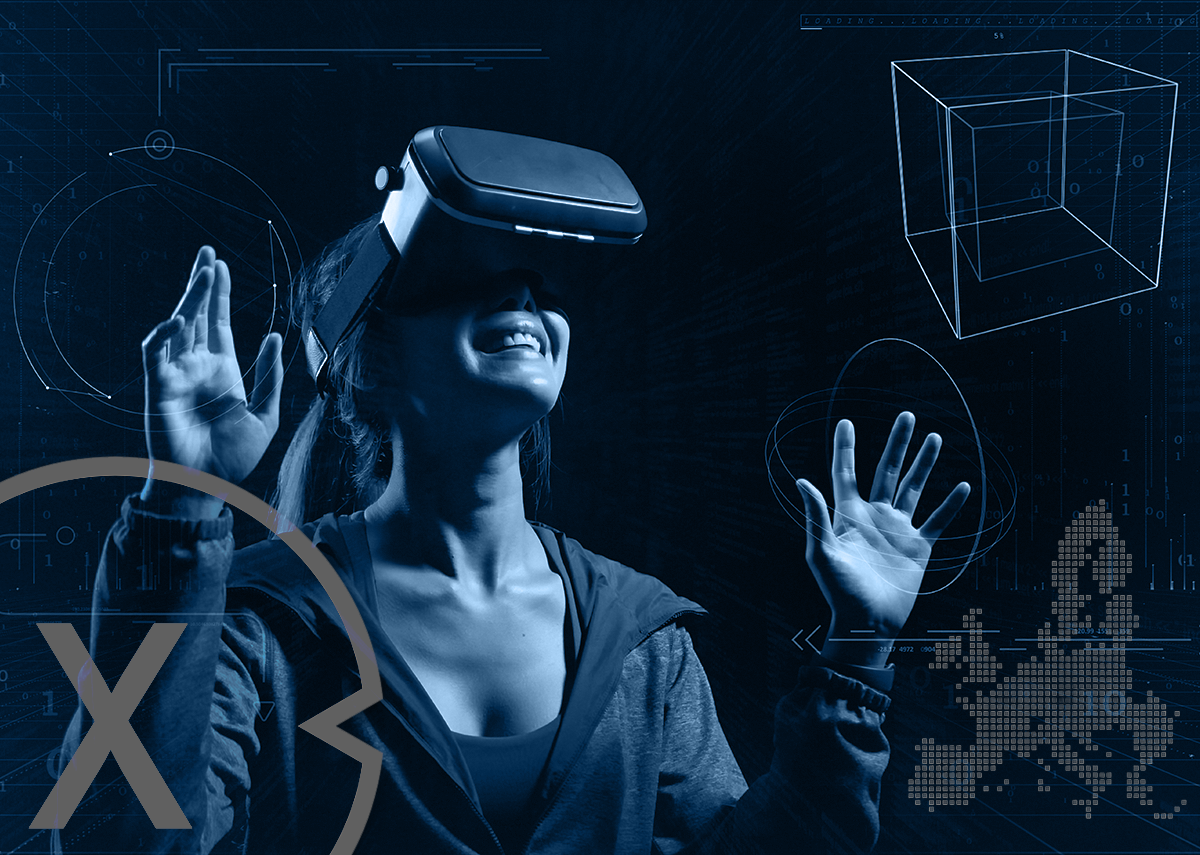
Metaverse in the EU – Insights into Augmented, Extended, Virtual and Mixed Reality – Image: Xpert.Digital
🌐 The Metaverse and the EU
The metaverse represents an emerging and rapidly developing field in the world of technology. The significance of this concept is also undeniable in the European Union. From startups to established companies, and from scientific research institutions to government initiatives, the continent is intensively engaged with the various forms of Extended Reality (XR) that enable the metaverse. Below, we offer a comprehensive overview of developments in Augmented Reality (AR), Extended Reality (ER), Virtual Reality (VR), and Mixed Reality (MR) within the EU.
🔍 Augmented Reality (AR)
AR applications have become firmly established in industry. They are used for training, maintenance, and even in medicine. A good example is the use of AR glasses to assist surgeons during operations. A digital overlay displays important information directly in the user's field of vision, eliminating the need for the surgeon to look at an external monitor. There are also public AR initiatives, such as guided city tours where tourists receive information about landmarks directly in their field of vision.
🎮 Virtual Reality (VR)
VR is not only used for entertainment purposes in the EU. Rather, it has found applications in many other fields. From architecture to medicine, VR enables a new dimension of interaction and simulation. In education, VR is used to convey complex topics in a vivid way. For example, students can take a virtual journey through the human heart or visit ancient ruins without having to leave the classroom.
🌌 Extended Reality (ER)
Extended Reality (ER) serves as an umbrella term for all immersive technologies, including AR, VR, and MR. ER is being intensively researched in the EU to further explore the boundaries of these technologies. The main goal is to create a fully immersive environment where the physical and digital worlds seamlessly merge. This often involves the use of multiple sensors and artificial intelligence technologies to create a believable simulation of reality.
🔗 Mixed Reality (MR)
MR is a fusion of AR and VR, offering the best of both worlds. It allows real and virtual elements to interact within a shared space. This is highly significant in fields like telemedicine, where MR glasses enable doctors and patients to simultaneously access medical data and the physical patient. MR applications are also used in the automotive industry to assist developers in designing new models.
⚙️ Industrial applications and societal impacts
XR technologies are not just a trend, but a significant economic factor in the EU. They offer enormous opportunities for industry, from improving production processes to creating new business models. At the same time, the technology raises ethical and societal questions, for example, regarding data protection and human interaction. Therefore, it is important that regulatory authorities and ethics committees address these technologies to promote their responsible use.
🎯 XR technologies in the EU
The metaverse and its associated XR technologies are gaining ground in the EU. Applications are diverse, ranging from medicine to the entertainment industry. However, to fully realize the potential of these technologies, it is essential to invest in research and development and to address ethical and regulatory issues. The EU has the potential to take a leading role in this exciting and future-oriented technological field, provided that both the opportunities and challenges are addressed.
📣 Similar topics
- 🌐 The EU's role in the metaverse
- 🏥 Medical applications of AR and VR
- 📚 Education in the Age of Extended Reality
- 🚗 Extended Reality in the automotive industry
- 🎭 Entertainment meets Virtual Reality
- 🛠️ Industrial use of XR technologies
- 🏛️ Regulation and Ethics in the Metaverse
- 🎓 Training and further education through AR
- 📊 Business models in the XR sector
- 🌍 Global Trends in Augmented and Virtual Reality
#️⃣ Hashtags: #Metaverse #ExtendedReality #AugmentedReality #VirtualReality #EUinTech
EU Commission Web 4.0 Strategy and Concept for Virtual Multiverse Worlds Standards (Cityverse Marketing)

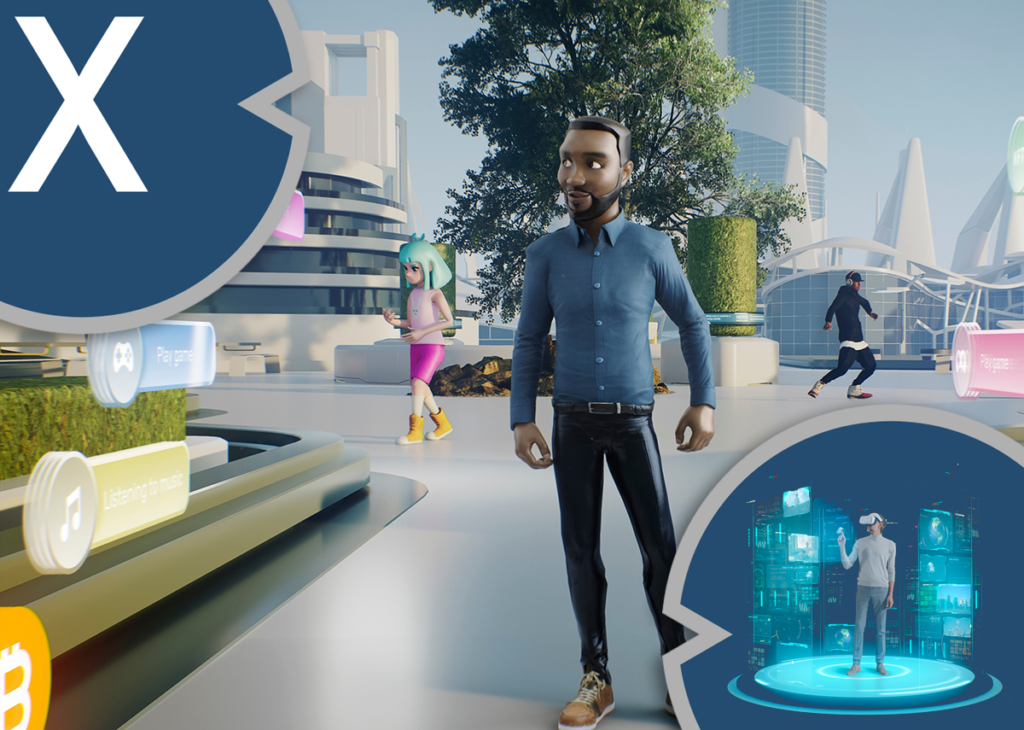
EU Commission Web 4.0 Strategy and Concept for Virtual Worlds such as Metaverse or Citiverse Standards – Image: Xpert.Digital
More information here:
🌍🤖 Augmented reality and information about XR technology in various European countries
XR technology, encompassing Augmented Reality (AR), Virtual Reality (VR), and Mixed Reality (MR), has become an integral part of the European technology landscape. Different countries have each developed their own specific strengths and areas of focus within this innovative sector.
🇩🇪🔬 Germany: A beacon of research and industrial application
Germany plays a leading role in the research and development of XR technologies. AR and VR applications are particularly widespread in industry, ranging from the automotive sector, where virtual prototypes are tested, to medical technology, where AR-assisted surgeries are increasingly used. Furthermore, numerous research institutes and universities are working intensively on the further development of this technology.
🇬🇧💡 Great Britain: A breeding ground for start-ups and academic excellence
A vibrant XR technology startup scene has developed in the UK. Furthermore, British universities are leaders in research and teaching in the field of augmented reality. From game development to applications in architecture, the country offers a wide range of application and research opportunities. London, in particular, has a high concentration of companies and research institutions focused on this sector.
🇫🇷🎨 France: Art meets technology
France is known not only for its art and culture, but also for its innovative use of XR technologies in these fields. Numerous museums offer virtual tours or AR experiences that immerse visitors in the art. Furthermore, the startup scene is growing, actively supported by the French government through various funding programs. A technology and innovation cluster has developed, particularly in Paris.
🇸🇪💻 Sweden: Technology-integrated innovation center
Sweden is considered one of the most innovative countries in Europe and is consistently committed to the use of XR technologies in a wide variety of sectors. Whether in education, where virtual classrooms are increasingly common, or in industry, such as manufacturing automation: XR is firmly established in Sweden. Stockholm has established itself as a hotspot for the technology, with a number of companies and research institutes driving its development.
🇫🇮🎮 Finland: Playfully into the XR world
Finland is internationally renowned for its strong gaming industry. Companies like Supercell and Rovio are just two of the prominent names. This strength in gaming has also enabled Finland to make significant progress in the development of VR and AR applications. From gaming applications to serious industrial applications, the country offers a wide range of innovative solutions.
🇪🇺🤝 EU-wide support and partnerships
The European Union as a whole has recognized the potential of XR technologies and actively promotes their development and application. Through various funding programs and the creation of partnerships between member states, a favorable ecosystem for the development of these technologies is being established. These initiatives contribute to Europe being seen as a serious player in this field on a global scale.
📝🌟 Applications of XR in Europe
The European XR landscape is diverse and dynamic. Each country contributes its own strengths and areas of expertise, enriching the overall picture. From industrial powerhouse Germany to startup-friendly Great Britain and culturally innovative France, the diverse applications of XR in Europe are evident. With EU support and cross-border collaboration, Europe has the opportunity to play a leading role in the global XR sector.
📣 Similar topics
- 🇩🇪 Germany's role in XR technology: Research and industry
- 🇬🇧 Britain's vibrant XR start-up scene
- 🇫🇷 Art and XR technology: France's innovative approach
- 🇸🇪 Sweden's influence on XR technology in education and industry
- 🇫🇮 Finland: From Gaming to XR Innovation
- 🎮 Use of XR technology in the European gaming industry
- 🏥 Medical applications of XR technology in Europe
- 🇪🇺 EU initiatives to promote XR technology
- 🌐 Europe's position in the global XR market
- 🤝 European partnerships in XR technology
#️⃣ Hashtags: #XRinEurope #GermanyXR #GB_XRStartups #FrenchXRArt #EU_XRInitiatives
Smart City Metaverse & Web 4.0: From the Industrial, Business and E-Commerce Metaverse to the EU Citiverse?

From the industrial, business, and e-commerce metaverse to the Citiverse? – Image: Xpert.Digital
More information here:
🌐 The further development of the internet: Web 4.0 and the EU strategy
The European Commission has ambitious plans to actively shape the next phase of technological evolution through a comprehensive strategy for Web 4.0 and virtual worlds. The aim is to create a digital landscape that is not only open and secure, but also inclusive.
🤔 What is Web 4.0?
The term Web 4.0 lacks a universally accepted definition, as the internet is constantly evolving. Nevertheless, the term denotes a future stage of internet development that goes far beyond the previously known semantic web or Web 3.0. While Web 3.0 primarily focuses on machine-readable information and the networking of knowledge, Web 4.0 emphasizes the integration of advanced technologies. These include artificial intelligence (AI), augmented reality (AR), virtual reality (VR), and the Internet of Things (IoT).
👤 People at the center
Margrethe Vestager, Executive Vice-President of the European Commission, emphasized the need to put people at the forefront of Web 4.0 development. She explained that Web 4.0 and virtual worlds not only offer health benefits but can also contribute to combating climate change and improving the prediction of natural disasters. In this context, it is crucial to safeguard the digital rights and fundamental principles of the European Union, particularly with regard to privacy and the spread of misinformation.
🛠️ Examples of technological integration and application areas
🩺 Healthcare
One area where Web 4.0 could have a significant impact is healthcare. By integrating AI into diagnostic procedures and using AR/VR for medical training, doctors could work more effectively and patients could receive better care.
🌿 Environmental protection
In the context of the green transition, advanced technology could be used to monitor environmental conditions. For example, IoT sensors could contribute to the early detection of forest fires, while AI models could optimize energy consumption in smart cities.
🚨 Disaster forecast
The ability to better predict natural disasters would be another potential application. By using advanced algorithms and massive data analysis, early warnings of earthquakes, floods, or storms could be provided, thus enabling the saving of lives.
⚠️ Challenges and Risks
However, there are also serious concerns regarding the risks associated with the further development of Web 4.0. The potential threat to privacy and the possibility of spreading disinformation are just two examples. Therefore, ethical frameworks and data protection guidelines are essential.
🔒 Privacy and data sovereignty
The use of IoT devices and AI algorithms raises serious questions about data privacy. Therefore, the development of data privacy policies and technologies is crucial to prevent the misuse of personal information.
🌟 Great potential from healthcare to environmental protection
Web 4.0 offers enormous potential for progress in various fields, from healthcare to environmental protection. But these technologies are not without their challenges and risks. It is crucial that development takes place in accordance with the EU's digital rights and fundamental principles in order to create a balanced and sustainable digital ecosystem for all. Only in this way can the EU ensure that Web 4.0 provides an open, safe, and inclusive environment for everyone.
📣 Similar topics
1️⃣ What is Web 4.0? 🌐
2️⃣ EU Strategy for the Digital Future 🇪🇺💡
3️⃣ Technologies in Web 4.0: AI, AR, VR and IoT 🤖🔗
4️⃣ People at the Heart of Web 4.0 Development 👨💻🌟
5️⃣ Healthcare 4.0: How Web 4.0 is Changing Medicine 🏥👨⚕️
6️⃣ Environmental Protection through Web 4.0 🌳🌍
7️⃣ Disaster Prediction with Web 4.0 🌪️⚠️
8️⃣ Risks and Ethical Challenges of Web 4.0 ⚖️🚫
9️⃣ Data Privacy in the Web Era 4.0 🔒📊
🔟 Inclusivity and Digital Rights in Web 4.0 🌈📜
#️⃣ Hashtags: #Web4 #EUStrategy #DigitalFuture #TechnologyIntegration #DigitalEthics
🗒️ Xpert.Digital: A pioneer in the field of Extended and Augmented Reality
Finding the right Metaverse agency, planning office, or consulting firm - Image: Xpert.Digital
🗒️ Finding the right Metaverse agency, planning office, or consulting firm – Search and search: Top Ten Tips for Consulting & Planning
In the age of digitalization, where technologies such as Extended Reality (XR) and the metaverse are constantly gaining in relevance, Xpert.Digital is positioning itself as a thought leader and pioneer. With over 1,500 specialist articles, Xpert.Digital is establishing itself as a central point of contact for the industry.
🌌 Extended Reality (XR): The best of both worlds
Extended Reality is an umbrella term encompassing Virtual Reality (VR), Mixed Reality (MR), and Augmented Reality (AR). Xpert.Digital is dedicated to creating impressive XR experiences that are both informative and entertaining.
- Interactive experiences: XR allows users to immerse themselves in virtual worlds and interact with their environment in ways that were previously unimaginable.
- Education and training: XR can be used for educational purposes to convey complex topics and concepts in an understandable and tangible way.
- Entertainment: Whether games, films or art – XR opens up new horizons in digital entertainment.
🔮 Augmented Reality (AR): Seeing the world with digital eyes
Augmented Reality, a particular focus of Xpert.Digital, makes it possible to integrate digital information or graphics into the real world. The possibilities are virtually limitless.
- Marketing and advertising: AR can be used to create interactive advertising campaigns that engage customers in a completely new way.
- Everyday assistance: From navigation apps that project the route directly onto the street, to furniture apps that show what a new sofa would look like in the living room – AR makes it possible.
🌐 The Metaverse: The Next Big Thing
The metaverse is a virtual world where people can interact through avatars and create shared experiences. Xpert.Digital recognizes the enormous potential of the metaverse and is working to translate this potential into usable products and services.
- Social interaction: The Metaverse offers the opportunity to connect with people from all over the world and share common experiences.
- Economy and trade: In the Metaverse, virtual goods and services can be traded, opening up completely new business models and sources of income.
- Creative freedom: From building your own worlds to designing individual avatars – the metaverse is a place of endless creative possibilities.
🚀 Xpert.Digital at the forefront of innovation
Xpert.Digital demonstrates how a company can be at the forefront of the technological revolution. With their focus on XR, AR, and the metaverse, they are well-positioned to shape and define the future of digital interaction.
More information here:
🌐 The importance of digitalization and Web 4.0 for the EU economy in the 21st century
The report on the economic future of the European Union beyond 2030, published in March 2023, places great emphasis on the role of digitalization. In particular, it highlights the potential of Web 4.0, which promises an intelligent, immersive, and seamlessly connected world. In concrete terms, the global market volume for virtual worlds is projected to grow from €27 billion in 2022 to a staggering €800 billion by 2030.
💼 The Digital Revolution as an Economic Engine
Digitalization is no longer a thing of the future, but the soundtrack of the here and now. It has revolutionized the way business is conducted, products are developed, and services are delivered. Companies that adapt to digital trends early on can benefit from enormous economic growth. It's not just about automating processes, but also about using big data, artificial intelligence, and other advanced technologies to better meet consumer needs.
🌐 Web 4.0: The next stage of digital development
Web 4.0 is often referred to as the "smart web" or "semantic web." It enables deeper interaction between humans and machines and is expected to integrate the Internet of Things (IoT), virtual reality (VR), and augmented reality (AR). The impact of these technologies will be felt in many industries, from healthcare to the automotive sector.
🎮 Virtual worlds as an emerging market
One particularly striking aspect is the rapid increase in the market volume for virtual worlds. It's no longer just the gaming industry that benefits from this development. Virtual conference rooms, digital museums, and interactive learning platforms are just a few examples of how virtual worlds are becoming an increasingly integral part of our everyday lives.
🇪🇺 European strategies for promoting Web 4.0
The European Union has recognized the need to invest in these emerging technologies. The development of strategies to promote Web 4.0 demonstrates the EU's commitment to being at the forefront of technological change. Through legislation, subsidies, and educational programs, efforts are being made to create a favorable environment for innovation.
⚠️ Challenges and Risks
Of course, the rapid development of Web 4.0 and general digitalization also presents challenges and risks. These include issues of data security, data protection, and ethical responsibility. It is crucial that these topics are adequately addressed during strategy development.
🔮 Digitalization and Web 4.0
Digitalization and the rise of Web 4.0 are more than just technological advances; they are the driving forces that will shape the economy and society of the 21st century. With a projected global market volume of €800 billion for virtual worlds by 2030, the stakes are high. The European Union has already taken concrete steps not only to follow these trends but to actively shape them. It is an exciting time full of opportunities, but also a time in which responsible action and sustainable planning will be crucial.
📣 Similar topics
1️⃣ Digitalization: The Pace-Setter of the EU Economy
2️⃣ Web 4.0: The Intelligent Web of the Future
3️⃣ The Role of Big Data and AI in the EU Economy
4️⃣ Virtual Worlds: From Games to Business Models
5️⃣ Europe's Strategy for Web 4.0: A Plan for the Future
6️⃣ Internet of Things: The Impact on the EU Economy
7️⃣ The Economic Impact of VR and AR in the EU
8️⃣ Data Protection in the Era of Web 4.0
9️⃣ Challenges of Digitalization: Ethics and Security
🔟 Economic Growth Through Digitalization: Facts and Forecasts
#️⃣ Hashtags: #Digitalization #Web4.0 #EUEconomy #VirtualWorlds #TechnologicalChallenges
🛒 V-Commerce: The ingenious hybrid shopping model 🛍️ Also applicable to hybrid trade fairs 🎪🤝 and events 🌐🎉
XR (Extended Reality) & Metaverse Gateway Technologies 2024 – Image: Xpert.Digital
V-Commerce, a combination of "virtual" and "commerce," is a novel hybrid model for retail that can also be easily implemented at hybrid trade fairs and events. Imagine how the boundaries between online and offline shopping blur, opening up countless opportunities for both buyers and sellers. This model is also applicable as a cross-border solution, making it particularly interesting for internationally operating companies.
More information here:
🌐 Virtual realities and their societal significance: A further development of the EU strategy
In the advancing era of digitalization, virtual worlds are transforming from a niche phenomenon into an integral part of our society. This transformation presents both immense opportunities and serious challenges. The European Union has developed a comprehensive strategy to guide this dynamic development. At its core is the creation of a "Web 4.0" that embodies the Union's fundamental values and principles. This framework aims to fully respect human rights and promote European companies.
🛠️ Main components of the EU strategy
The direction of this strategy is closely linked to the existing political program for the "Digital Decade" up to 2030. The main pillars of this program can be divided into four categories: skills development, support for businesses, modernization of public services, and infrastructure development. The latter, in particular, represented by the EU's efforts in the areas of data centers, cloud technologies, and edge computing, forms the basis for the implementation of the strategy.
🎓 Skills development
The need to promote digital skills across the entire population cannot be overstated. This is not just about training IT specialists, but about empowering all citizens to navigate virtual worlds safely and efficiently. Specialized training programs could contribute to achieving a high level of digital literacy.
🏢 Business support
Another important aspect is creating a business-friendly climate. European companies, especially tech startups, should be supported through tax incentives, funding, and networking opportunities. The goal is to establish Europe as a global leader in the development and application of Web 4.0 technologies.
🏛️ Public Services
Modernizing public services through the integration of digital technologies can lead to significant efficiency gains and cost savings. Whether it's online government services, telemedicine, or digital education, the possibilities are diverse and promising.
🌍 Global Governance and Openness
In addition to promoting internal developments, the EU strategy addresses the international dimension of virtual worlds. The aim is to establish standards and guidelines that enable ethical use worldwide. This also includes creating a framework for fair global governance.
⚖️ Opportunities and Risks
It is essential to consider both the positive and negative aspects of integrating virtual worlds into our daily lives.
🌈 Chances
Social inclusion
Virtual worlds can help overcome barriers and connect people regardless of geographical location or physical limitations.
Economic growth
Creating new business models and jobs in this sector can significantly contribute to economic prosperity.
innovation
Rapid technological development is fostering innovation in a wide range of sectors, from medicine to space travel.
⚠️ Risks
Data protection
The question of how to protect personal data in the digital world is becoming increasingly urgent.
Digital divide
Without appropriate support programs, the technology could exacerbate social inequalities.
Ethics and Morality
Issues such as cyberbullying or the spread of hate speech in virtual spaces urgently require attention.
🌟 The challenges are complex
The challenges are complex, but the EU strategy offers a comprehensive approach to navigating this new landscape. Through a combination of education, economic support, and ethical regulation, the European Union aims for an inclusive and sustainable development of virtual worlds, in line with its core values and principles.
📣 Similar topics
- 🌐 Web 4.0: The Vision of the European Union
- 🛠️ The four pillars of the EU digital strategy
- 🎓 Digital literacy for all: Why skills development is important
- 🚀 Start-ups in the EU: Funding and opportunities
- 🏛️ Digital transformation of public services in the EU
- 🌍 Global standards for virtual worlds: The EU as a pioneer
- 🤝 Social inclusion through virtual reality
- 📈 Economic perspectives of digitalization in Europe
- 🛡️ Data protection in a digital world: EU guidelines
- 🧭 Ethics and morality in virtual spaces: An EU approach
#️⃣ Hashtags: #Web4_0 #EUDigitalStrategy #DigitalLiteracy #BusinessSupport #DataProtection
Our Industrial Metaverse Configurator
Simply try out our universally applicable (B2B/Business/Industrial) Metaverse Configurator for all CAD / 3D demo options:
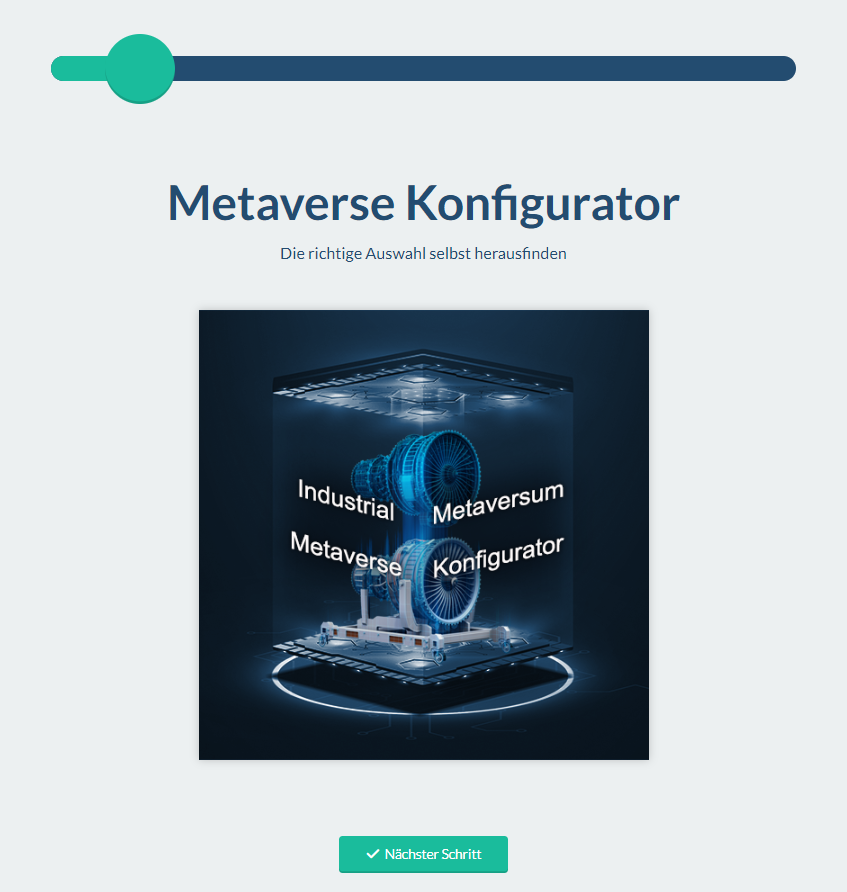

Xpert (B2B/Business/Industrial) Metaverse Configurator for all CAD / 3D data, usable on all end devices, one platform!
Related to this:
🌐 EU Strategy for Web 4.0 and Virtual Worlds
The European Union plans to develop an industrial ecosystem for Web 4.0 that combats fragmentation and unites all relevant actors in the value chain. This is intended to help expand excellence in this field.
🔬 Research and Partnerships
This includes not only the promotion of research and development, but also the practical application of these technologies. Therefore, the EU plans to establish a partnership for virtual worlds within the framework of the Horizon Europe program, which could become operational from 2025 onwards.
🌐 Current state of the EU ecosystem
Currently, there is no coherent EU ecosystem that connects the various actors in the areas of Web 4.0 and virtual worlds.
📋 Key points of the strategy
Horizon Europe Partnership
A partnership within the framework of Horizon Europe is proposed starting in 2025. This partnership aims to promote research and development and to develop a roadmap for virtual worlds.
Support for creative professionals and media companies
The EU plans to support creative professionals and media companies by testing new creative tools and connecting developers with industrial users.
Real-world laboratories for Web 4.0 and virtual worlds
In cooperation with the member states, “real-world laboratories” are to be established to promote innovation.
🎯 Strategy Goals
The goal is to create a strong European ecosystem for Web 4.0 and virtual worlds, aiming for excellence in research, technology and innovation.
🌐 Commission and its role
The European Union pursues ambitious goals in the area of digital transformation, particularly regarding the development of a strong industrial ecosystem for Web 4.0. The need for a coordinated approach is undeniable, as Europe must remain competitive in a world of digital change and technological innovation. The lack of an integrated EU ecosystem that unites all relevant actors in the value chain of virtual worlds and Web 4.0 is a pressing issue. This is where the Commission's strategy comes in.
🤝 Partnership for virtual worlds
The idea of a virtual worlds partnership within the Horizon Europe program, which could become operational from 2025, is an important step in this direction. The aim of this partnership would not only be to promote excellence in research, but also to create a comprehensive industrial and technological roadmap for the development of virtual worlds. This would ensure a coordinated approach and help to combat the fragmentation of efforts at EU level.
💡 Practical application
However, it is not only important to create a strong ecosystem for research and development, but also to promote the practical application of these technologies. Therefore, the Commission plans to actively support creative professionals and media companies in the EU. Particular emphasis will be placed on developing new creative tools that these companies can test. This provides an ideal platform for collaboration between developers, industrial users, and creative professionals to jointly find solutions to real-world challenges.
🔬 Real-world laboratories and innovation
Furthermore, the Commission will work with Member States to develop “real-world laboratories for Web 4.0 and virtual worlds.” These laboratories could serve as testing grounds for innovative ideas and products and foster collaboration between different sectors such as healthcare, education, transport, and energy. Such real-world laboratories could act as incubators for start-ups and SMEs that want to test the latest technologies in real-world application scenarios.
🛡️ Security and data protection
It is also crucial that the EU recognizes the importance of data and cybersecurity in the context of Web 4.0. A secure digital space is not only important for protecting citizens' privacy, but also for the trustworthiness and reliability of the entire ecosystem. Therefore, another aspect of the partnership could be the development of security protocols and standards that ensure the integrity of virtual worlds and Web 4.0.
🏗️ Infrastructure and Education
Furthermore, EU member states should be encouraged to invest in the necessary infrastructure. This includes not only technical infrastructure such as high-speed internet and data centers, but also the training and further education of the workforce, who must be able to use the new technologies effectively.
📜 Ethical aspects
Furthermore, the EU must consider the ethical aspects of the development and application of these technologies. Integrating ethical considerations into the development process is essential to ensure that the technologies are used in a way that aligns with European values.
🌟 The European Commission's vision
The European Commission has outlined a vision for a thriving, integrated, and innovative European ecosystem for Web 4.0 and virtual worlds. By combining research excellence, entrepreneurial application, cross-sectoral collaboration, and a strong emphasis on security and ethics, the EU can take a leading role in the next phase of the digital revolution.
📣 Similar topics
1️⃣ The EU's Vision for Web 4.0: A Guide
2️⃣ Horizon Europe Partnership and Virtual Worlds: What Awaits Us in 2025?
3️⃣ Real-World Labs in Focus: Test Environments for Web 4.0 and Virtual Worlds
4️⃣ Creative and Media Companies: How the EU Provides Support
5️⃣ Integrated EU Ecosystem: A Urgent Issue
6️⃣ Supporting Research and Development in Web 4.0
7️⃣ Cybersecurity and Data Protection in the EU's Web 4.0 Plan
8️⃣ Technological Roadmaps: The EU Strategy for the Development of Virtual Worlds
9️⃣ Investing in the Future: Infrastructure and Education for Web 4.0
🔟 Ethics in Technology: An EU Approach
#️⃣ Hashtags: #Web4_0 #HorizonEurope #EUStrategy #VirtualWorlds #RealLaboratories
🗒️ If you don't understand something or need advice, we also offer training courses and workshops
Metaverse & Extended Reality training, lecture or workshop for Augmented, Mixed and Virtual Reality – Xpert.Digital
In today's digital age, technology is evolving at a rapid pace. New terms and technologies are constantly emerging, requiring understanding and mastery. If you're struggling to keep up with topics like the metaverse, XR technologies, or immersive 3D, you're not alone.
More information here:
🌐 A future-proof metaverse: More than just virtual reality
The metaverse is often described as a boundless virtual world where people can interact and express themselves creatively. But it is much more than just a technological innovation; it is an ecosystem with potential that extends far beyond purely economic interests. To be truly successful and beneficial to humanity, this ecosystem must be managed sustainably.
🇪🇺 The European Perspective: Green Growth and Net Zero
Sustainable growth is a key priority in the European Union. The European Green Deal is a comprehensive strategy aimed at transforming the EU into a modern, resource-efficient, and competitive economy. This includes the transition to a climate-neutral economy to minimize the massive economic losses caused by climate-related events, which have amounted to approximately €487 billion over the past 30 years.
♻️ Sustainability in the design of the metaverse
When we think about the metaverse and its associated technologies, we mustn't just focus on entertainment value and new business models. Rather, we must integrate the reduction of greenhouse gas emissions, increased energy efficiency, and the use of big data for decision-making in crucial areas such as climate change, agriculture, and waste management.
✈️ The replacement for physical travel
One interesting approach is to reduce business and leisure travel. Before the COVID-19 pandemic, air travel accounted for approximately 2.5% of global CO2 emissions. By using the Metaverse, in-person meetings and the associated travel could be significantly reduced. This not only saves time and money but also considerably reduces the carbon footprint.
🤖 The role of digital twins
Digital twins are another innovation that could improve both efficiency and sustainability. They combine the advantages of artificial intelligence and virtual reality to enable a better understanding of complex systems such as supply chain management and waste management. For example, the use of predictive technologies could minimize crop failures or optimize recycling processes.
🍃 Renewable energies and technology
The energy requirements of the metaverse must also be considered. Operating massive server farms and providing the necessary computing power consumes a significant amount of energy. A switch to renewable energy sources is essential to ensure both economic and environmental sustainability.
👥 Social and ethical considerations
Beyond the ecological aspects, we must also consider the social and ethical implications. The metaverse offers the opportunity for global networking and social inclusion, but also entails risks such as cyberbullying, data misuse, and the exacerbation of social inequalities. It is therefore important to consider these aspects in the planning and implementation of the metaverse in order to create an inclusive and ethically responsible space.
🌟 Opportunities for the Metaverse
A metaverse driven solely by profit will not be sustainable and could even have harmful consequences. A responsible and sustainably designed metaverse, on the other hand, has the potential to solve not only economic, but also social and environmental problems. The key to success lies in the inclusion of all stakeholders: from politicians and business leaders to scientists and civil society. Only in this way can the metaverse become a genuine opportunity for humanity and help overcome the multitude of challenges we face.
📣 Similar topics
- 🌍 Sustainable Metaverse: Beyond the Limits of Technology
- 🇪🇺 European Green Perspective: Net Zero and the Metaverse
- 🌱 Ecology meets metaverse: Reducing CO2 through virtual worlds
- 💼 The metaverse as a replacement for business trips
- 🤖 Digital Twins: AI and VR in a sustainable metaverse
- 🔄 Circular Economy: Waste Management in the Metaverse
- ⚡ Renewable energies in the metaverse: A green revolution
- 🤝 Social Inclusion and Ethics in the Metaverse
- 📊 Big Data and decision-making in the green metaverse
- 🗝️ Key to success: Involving all stakeholders in the metaverse
#️⃣ Hashtags: #Metaverse #Sustainability #EuropeanUnion #DigitalTwins #RenewableEnergies
🗒️ New territory for newcomers: What you should know now about blockchain, tokens, NFTs, wallets, cryptocurrency and the metaverse
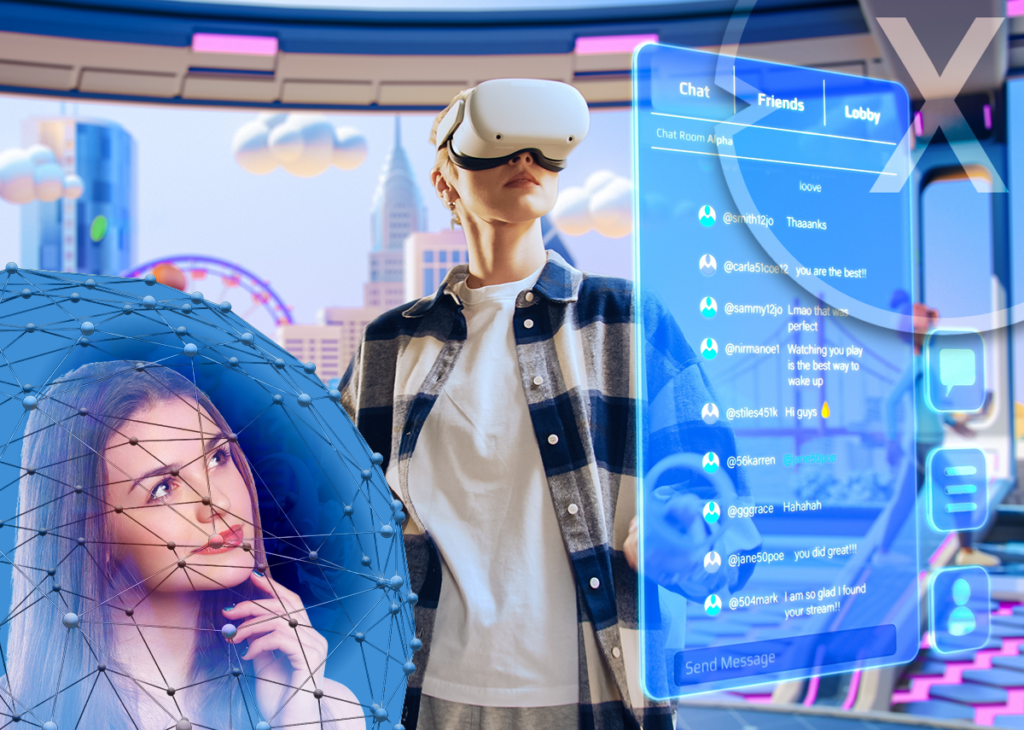
(Consumer) Metaverse: New territory for newcomers – What you should know now – Image: Xpert.Digital
In today's digital world, terms like blockchain, NFTs, wallets, cryptocurrencies, and the metaverse have become increasingly prevalent. For newcomers, these terms can initially seem confusing and complex. Here, we attempt to explain these concepts clearly and provide you with important and interesting details.
More information here:
🌐 The economic potential of the metaverse for the European Union
🚀 A promising future
It is not yet clear when the metaverse will reach its full development stage, but forecasts indicate enormous economic potential. Estimates suggest that the metaverse's annual economic contribution to the European Union could amount to between €259 and €489 billion in gross domestic product (GDP) by 2035. While these figures are speculative, they illustrate the metaverse's significance for the future economic landscape.
🔄 Sectors in transition
The metaverse is not just an area of entertainment; it has the potential to fundamentally transform a wide range of economic sectors. From services and tourism to the automotive industry, energy production, and agriculture – the possibilities are manifold. For example, virtual meetings and conferences could revolutionize the service sector, while in the automotive industry, metaverse technologies could be used to develop and test prototypes.
⚖️ Risks and opportunities
It is important to consider both the risks and the opportunities. On the one hand, the shift of activities into the metaverse could lead to certain traditional sectors losing importance. On the other hand, this development could also create new professions and sources of income that we cannot yet imagine.
🌍 Global impact and EU focus
Research shows that the global market potential for the metaverse is enormous. Estimates range from €570 billion annually to an incredible €11 trillion by 2030. However, such figures should be interpreted with caution, as they represent only one aspect of the economic impact. Furthermore, they cannot yet accurately reflect the shift of economic activity from other sectors.
🌏 Country-specific outlooks
By 2035, the economic impact of the metaverse could be substantial in EU member states. Estimates suggest the potential impact could range from €5 to €9 billion in the Czech Republic, €55 to €105 billion in France, €35 to €66 billion in Germany, €28 to €52 billion in Italy, €23 to €43 billion in the Netherlands, €5 to €10 billion in Poland, €28 to €53 billion in Spain, and €20 to €38 billion in Sweden. Each country will face specific challenges and opportunities that need to be addressed.
By comparison, global growth is estimated at €800 billion by 2030, with a potential 860,000 new jobs.
⚖️🔐 Legislative Challenges
The rise of the metaverse will also present new challenges for legislators. Issues of data security, intellectual property, and the regulation of virtual goods and services must be addressed to ensure smooth and fair operation.
🤖 Transformative technology
The metaverse represents a transformative technology with the potential to significantly impact the European Union's economy in the coming years. While risks and uncertainties exist, the economic opportunities it offers outweigh them. For the EU, this could be an opportunity to take a leading role in a growing and dynamic sector, while simultaneously promoting economic diversification and innovation.
📣 Similar topics
1️⃣ 🌐 The Metaverse as a Future Model for the EU Economy
2️⃣ 💼 Sectors in Transition: The Metaverse as an Engine of Innovation
3️⃣ ⚖️ Legislative Challenges in the Metaverse
4️⃣ 📈 Forecasts and Figures: The Economic Potential of the Metaverse for the EU
5️⃣ 🌍 Global Impact of the Metaverse: An EU Focus
6️⃣ 🚀 The Metaverse as a Transformative Technology
7️⃣ ⚠️ Risks and Opportunities: A Dual Perspective on the Metaverse
8️⃣ 🌱 Economic Diversification and Innovation through the Metaverse
9️⃣ 🌦 Country-Specific Outlooks: The EU Member States and the Metaverse
🔟 🌟 A A promising future: The metaverse and the EU
#️⃣ Hashtags: #Metaverse #EUEconomy #Innovation #Legislation #GlobalImpact

We are here for you - Consulting - Planning - Implementation - Project Management
Xpert.Digital - Pioneer Business Development
Smart Glasses & AI - XR/AR/VR/MR industry expert
Consumer Metaverse or Metaverse in general
If you have any questions, require further information or advice, please feel free to contact me at any time.

Konrad Wolfenstein
I would be happy to serve as your personal advisor.
You can contact me by filling out the contact form below or simply call me on +49 7348 4088 965 .
I'm looking forward to our joint project.
Write to me


Xpert.Digital - Konrad Wolfenstein
Xpert.Digital is a hub for industry focusing on digitalization, mechanical engineering, logistics/intralogistics and photovoltaics.
With our 360° Business Development solution, we support renowned companies from new business to after-sales.
Market intelligence, smarketing, marketing automation, content development, PR, mail campaigns, personalized social media and lead nurturing are part of our digital tools.
You can find more information at: www.xpert.digital - www.xpert.solar - www.xpert.plus
Keep in touch