Interesting figures, data and facts can be found at the end of this article as a downloadable PDF.
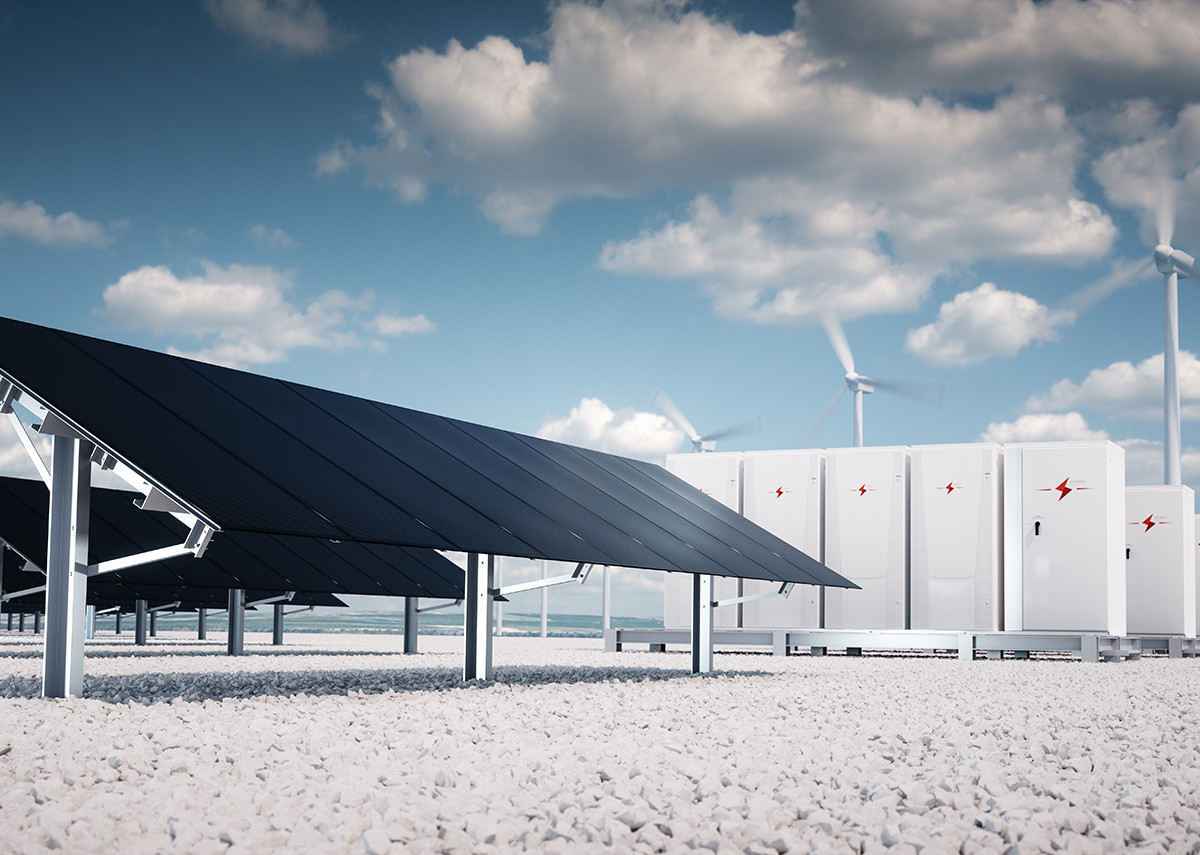
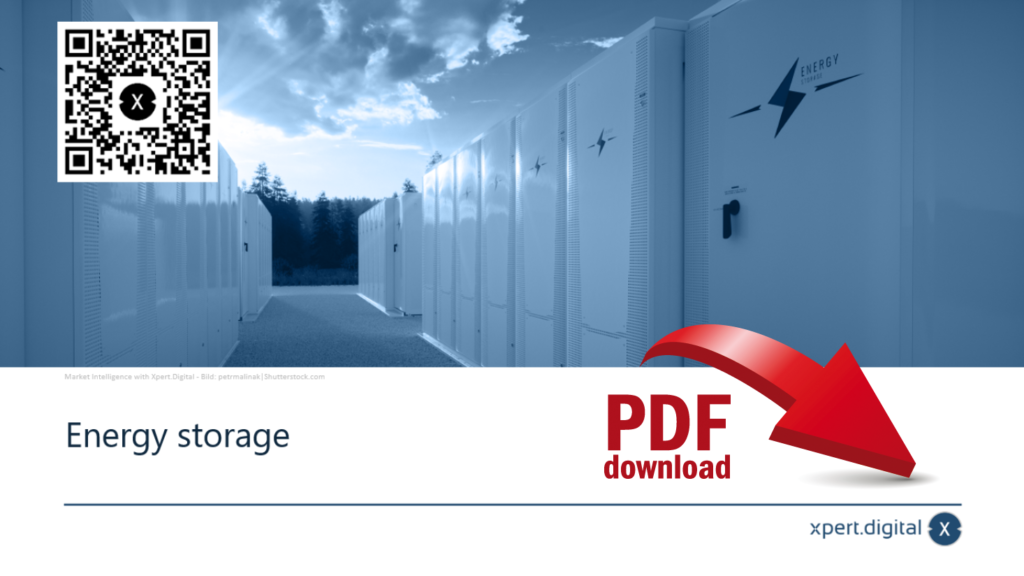
Energy storage for renewable energies – Image: petrmalinak|Shutterstock.com
Energy storage systems serve to store currently available but not needed energy for later use. This storage often involves converting the energy form, for example, from electrical to chemical energy (accumulator) or from electrical to potential energy (pumped-storage hydroelectric plant). When needed, the energy is then converted back into the desired form.
There are many different forms of energy storage that allow us to better manage our energy supply and reduce costs for both suppliers and consumers.
Storage technologies are divided into six main categories:
- Solid-state batteries
- Flow batteries
- flywheels
- Compressed air storage
- thermal hydropower
- pumped hydropower
In the United States, electrochemical projects are among the most common, and their markets and applications continue to grow.
The technical components of battery storage systems can differ significantly, either in providing greater power capacity (maximum instantaneous power output of the battery) or greater energy capacity (total amount of electricity that can be stored or discharged). Power-oriented systems are designed to generate large amounts of instantaneous power and can maintain this output over extended periods. Energy-oriented systems are intended for longer periods and are used, for example, in situations where power is supplied during peak electricity demand.
Energy storage can play a vital role in maintaining the balance between electricity supply and demand, thereby creating greater flexibility in the power grid. When supply exceeds demand, surplus electricity can be stored, and when demand is high, these technologies can be used to feed more energy into the grid. Storage technologies can also improve the quality of electricity by allowing companies to provide energy when it is cheapest and most efficient, while maintaining a consistent energy source for critical infrastructure and services. Many renewable energy technologies have more variable output, and energy storage has the potential to contribute to maintaining a more stable power supply. Despite its benefits, the energy storage market remains relatively small, so the cost of energy storage may need to decrease significantly for the market to become viable.
Energy storage
Important note: The PDF is password protected. Please contact me. The PDF is, of course, free of charge
.
German version – To view the PDF, please click on the image below.
German version – To view the PDF, please click on the image below.

Energy storage – PDF download
Energy storage – Energy Storage
Important note: The PDF is password protected. Please contact me. The PDF is, of course, free of charge
.
English version – To view the PDF, please click on the image below
.
Energy storage PDF Download
Keep in touch