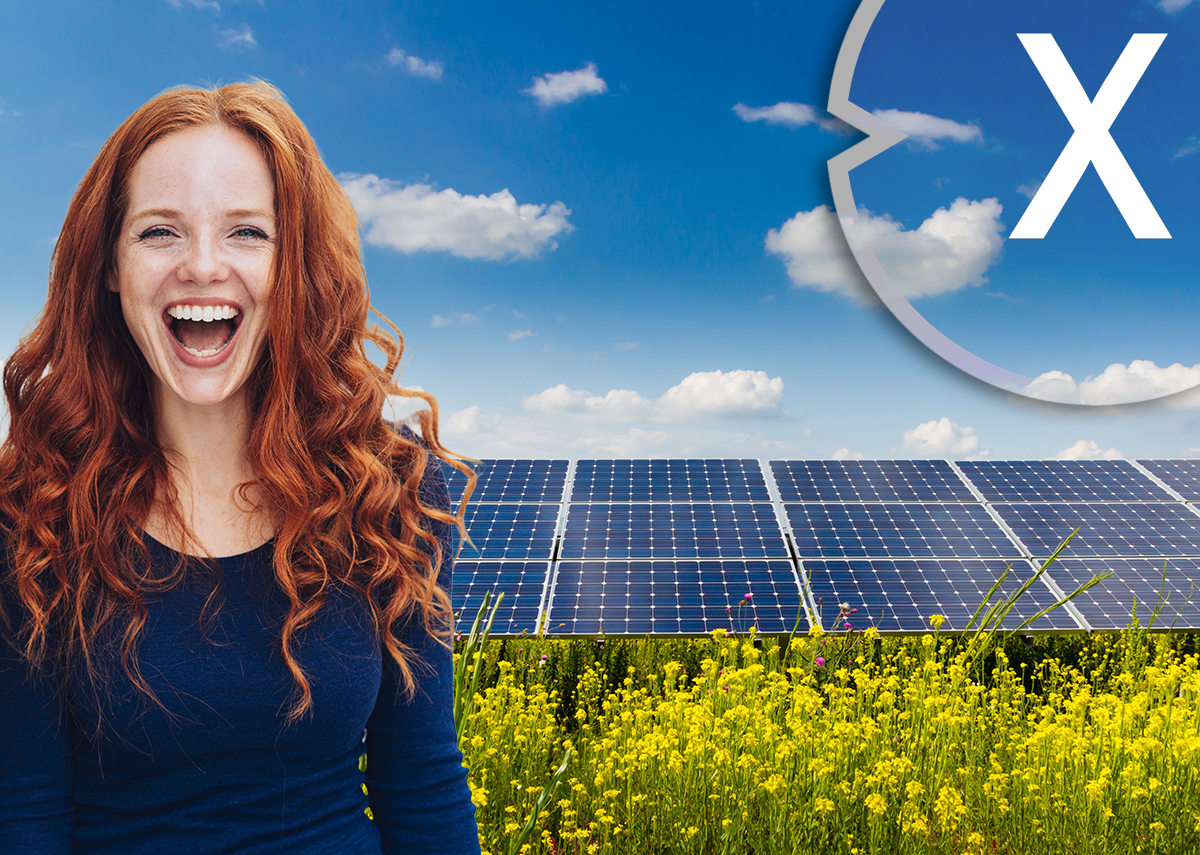
The future of energy generation – solar power systems as the key to sustainable energy supply – Image: Xpert.Digital
The future of energy generation: Solar power plants as the key to sustainable energy supply
The energy transition is one of the central issues of our time. Faced with the pressing challenges of climate change and limited resources, more and more people are focusing on renewable energies. In this context, solar energy is gaining increasing importance. Solar power systems offer a clean and sustainable way to generate energy and meet growing energy demand. In this comprehensive text, we will examine the most important aspects and interesting details surrounding solar power systems.
How solar power systems work
Solar power systems use solar radiation to convert sunlight into electrical energy. The central components of a solar power system are the photovoltaic modules, which consist of solar cells. These cells are made of semiconductor materials such as silicon, which generate an electrical charge when exposed to sunlight. The direct current (DC) energy produced in this way is converted into alternating current (AC) by inverters, which can then be used directly or fed into the power grid.
Types of solar power systems
There are various types of solar power systems that can be used depending on the application and needs. The most common types include:
- Photovoltaic systems: These systems convert sunlight directly into electrical energy.
- Solar thermal systems: Here, the heat from solar radiation is used to heat water or supply space heating.
- Solar thermochemical plants: These use solar energy to generate chemical reactions for electricity or fuel production.
- Concentrating solar systems: These systems use mirrors or lenses to concentrate solar radiation onto a single point and generate high temperatures.
Advantages of solar energy
The use of solar panels offers numerous advantages, both for individuals and for society as a whole. These include:
– Clean and renewable energy: Solar energy produces no harmful emissions and is inexhaustible.
– Cost savings: By installing solar panels, consumers can reduce their electricity bills and achieve long-term cost savings.
– Independence from energy suppliers: Solar panels allow users to generate their own energy and be less dependent on conventional energy suppliers.
– Reduction of greenhouse gas emissions: The use of solar energy helps to reduce the carbon footprint and combat climate change.
– Job creation: The growing solar industry offers numerous employment opportunities and supports economic development.
Challenges and Innovations
Although solar energy offers great potential, there are also challenges that need to be overcome. These include:
- Fluctuating availability: Solar radiation varies depending on location, time of day, and weather conditions. Energy storage technologies such as batteries therefore play an important role in ensuring a continuous energy supply.
- Cost: Although the cost of solar panels has decreased in recent years, the initial investment remains a hurdle for some consumers and businesses. However, technological advances and economies of scale will lead to further cost reductions.
- Integration into the power grid: Integrating large amounts of solar energy into the power grid requires improved grid infrastructure and intelligent grid solutions to ensure the stability and reliability of the power supply.
Future developments
The future of solar energy looks promising. Innovations and research efforts are focused on improving the efficiency of solar cells, developing new materials and technologies, and integrating solar energy into smart grids. Furthermore, trends such as decentralized energy generation and the integration of solar energy with energy storage and electromobility are opening up new possibilities for a sustainable energy supply.
Solar power systems are playing an increasingly important role in the transition to a sustainable energy supply. They offer numerous advantages, from clean energy generation to cost reduction and independence from traditional energy sources. By overcoming challenges and advancing in research and development, solar energy will continue to gain importance and significantly influence the future of energy production. Investing in solar power systems, whether for small or large-scale projects, is not only ecologically sound but also economically attractive and contributes to the global energy transition.
Plan your solar system for the most common applications conveniently online with our solar system planner!
With our user-friendly solar system planner, you can design your individual solar system online. Whether you need a solar system for your home, your business, or for agricultural purposes, our planner allows you to consider your specific requirements and develop a customized solution.
The planning process is simple and intuitive. You simply enter the relevant information. Our planner takes this information into account and creates a customized solar system that meets your needs. You can try out different options and configurations to find the optimal solar system for your application.
Furthermore, you can save your plan to review it later or share it with others. Our customer service team is also available to answer any questions and provide support to ensure your solar system is optimally planned.
Use our solar system planner to design your individual solar system for the most common applications and accelerate the transition to clean energy. Get started now and take an important step towards sustainability and energy independence!

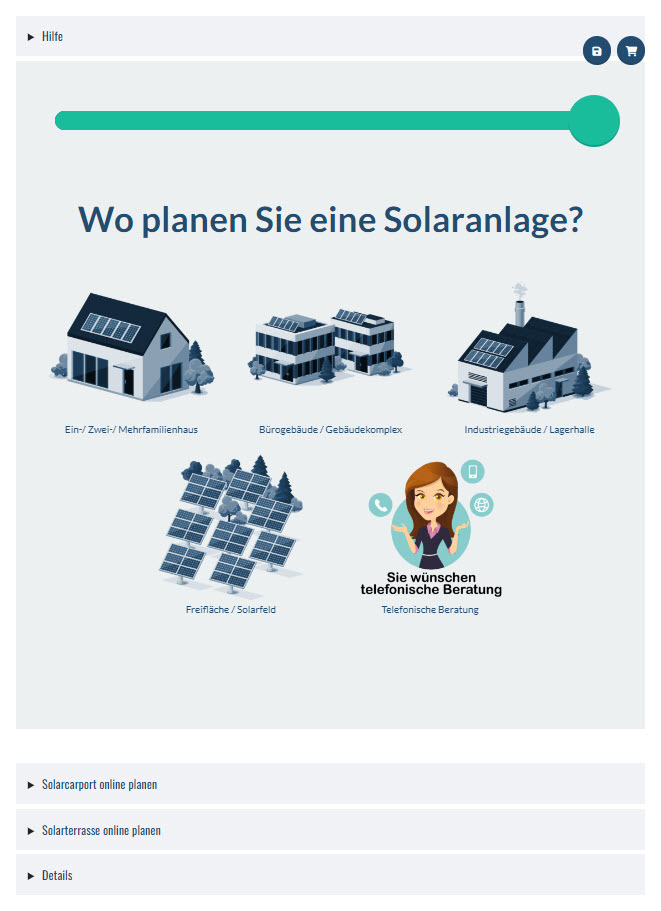
The solar system planner for the most common applications: Plan your solar system online here - Image: Xpert.Digital
More information here:
Renewable energies: Drivers of new professions and solutions for the decline of jobs in the 'old economy'
The increased use of renewable energies has the potential to create new professions while simultaneously reducing waste in the so-called "old economy." The transition to renewable energies opens up various opportunities for innovative and sustainable jobs that can complement or even replace traditional sectors.
One sector that benefits from renewable energies is the energy industry itself. The expansion of renewable energy requires skilled workers in areas such as solar and wind power plant installation, maintenance and repair, energy efficiency consulting and management, and grid integration of renewable energies. These jobs are often locally based and can contribute to job creation in rural areas.
Furthermore, renewable energies also open up new opportunities in research and development. The development of more efficient and cost-effective solar cells, battery technologies, geothermal plants, and other renewable energy technologies requires highly qualified scientists, engineers, and technicians. This area of research and development can lead to technological breakthroughs that can influence not only the energy sector but also other industries.
Another sector impacted by renewable energy is the construction industry. The expansion of renewable energy requires the construction of solar parks, wind farms, biomass plants, and other infrastructure. This creates jobs for architects, civil engineers, construction workers, and other skilled workers in the building industry.
New career opportunities are also emerging in the field of energy efficiency. Energy consultants and managers can help companies and households optimize their energy consumption and achieve energy savings. This can have both financial benefits and environmental impacts.
An interesting aspect of renewable energies is their connection to the circular economy and waste management in the "old economy." Renewable energies enable the use of energy sources such as solar, wind, and biomass, which are available in unlimited quantities and, unlike fossil fuels, produce no emissions or waste. The use of renewable energies can reduce dependence on non-renewable resources such as coal, oil, and gas.
Furthermore, renewable energies, combined with circular economy approaches, can form the basis for new business models. For example, waste products from agriculture or food production can be used to generate biogas. This not only creates new energy sources but also reduces the amount of waste and offers opportunities for job creation in the bioenergy sector.
➡️ The opportunities for new professions arising from renewable energies are promising. The global energy transition and the increasing demand for sustainable energy sources are opening up a wide range of job opportunities. However, it is crucial that appropriate education and training systems are developed to impart the necessary skills and competencies for these professions. Only in this way can the benefits of renewable energies be fully realized while simultaneously reducing waste in the "old economy.".
What new jobs will be created by renewable energies, and which jobs will disappear as a result of the energy transition?
The increasing use of renewable energies and the associated energy transition will create many new professions, while other professions may disappear or change drastically.
New jobs through renewable energies
- Solar technician: Specializing in the installation, maintenance, and repair of solar power systems.
- Wind energy technician: Responsible for the installation and maintenance of wind turbines.
- Energy consultant: Advice to private households and companies regarding energy efficiency and renewable energies.
- Battery storage expert: Develops and implements systems for energy storage and distribution.
- Electromobility specialist: Maintenance and repair of electric vehicles and charging systems.
- Smart Grid Analyst: Analyzes and optimizes intelligent power grids for efficient energy distribution.
- Green Building Architect: Designs energy-efficient and sustainable buildings.
- Biomass technician: Expertise in the use of biomass as a renewable energy source.
- Geothermal engineer: Researches and implements technologies for the use of geothermal energy.
- Sustainability manager: Responsible for the development and implementation of sustainable business strategies in companies.
Occupations that could be affected by the energy transition
- Coal miners: With the decline in coal-fired power generation, jobs in the coal industry could decrease.
- Oil and gas power plant engineers: The transition to renewable energies could reduce the demand for oil and gas power plants.
- Traditional chimney sweep: With the reduction of fossil fuels, fewer chimney sweeps might be needed.
- Nuclear power plant engineer: The expansion of renewable energies could reduce the demand for nuclear power plants.
- Gas station employees: With the increasing use of electric vehicles, gas station employees may be in less demand.
- Energy-intensive industries: Industries that consume a lot of energy may need to adjust their production or operating methods.
- Fossil fuel suppliers: Companies that supply fossil fuels could reduce their business activities.
- Heating engineers for oil and gas heating systems: Demand for oil and gas heating systems could decrease, while heat pumps and other renewable heating technologies are increasing.
- Waste disposal companies for fossil fuels: With less fossil fuel, there could also be less waste that needs to be disposed of.
- Traditional energy suppliers: Traditional energy suppliers may need to adapt to include renewable energies in their portfolio and change their business models.
➡️ The transition to renewable energies also offers new opportunities for retraining and the realignment of skilled workers. Many jobs could be transformed and adapted through the energy transition to meet the demand for skilled workers in the green economy.
What matters when building solar power plants, both small and large-scale
The use of solar energy is gaining increasing importance worldwide, as it represents an environmentally friendly and sustainable energy source. For both small-scale systems for private households and large-scale systems for businesses and industrial plants, various factors play a crucial role in harnessing the full potential of solar power and maximizing the efficiency of solar installations.
Site selection
The choice of location is crucial for the success of a solar power system. Ideally, the site should be free of shade and receive the highest possible amount of sunlight. For large-scale systems, sufficient space must also be available to ensure optimal utilization of solar energy.
Solar panels
The choice of solar modules is a crucial factor in the performance of a solar power system. There are various types of solar modules, including monocrystalline, polycrystalline, and thin-film modules. The efficiency and cost of the modules can vary depending on the technology, which is why careful selection is essential.
inverter
The inverter is an essential component of every solar power system, as it converts the generated direct current (DC) into alternating current (AC) suitable for household use or feeding into the power grid. Selecting a high-quality and efficient inverter is crucial to minimize energy losses and optimize system performance.
Mounting system
The mounting system securely holds the solar panels in place and ensures optimal alignment with the sun. Various mounting systems exist, such as flat roof mounting, pitched roof mounting, or ground-mounted systems. The choice of the right system depends on the location and spatial conditions.
Financing and funding
For large-scale projects, sound financing is crucial, as investment costs can be high. Government funding programs and incentives can contribute to financing and improve the project's profitability.
Maintenance and servicing
For both small and large systems, regular maintenance is essential to ensure long-term performance and efficiency. Dirty modules or defective components can impair performance and should therefore be regularly inspected and, if necessary, cleaned or replaced.
Integration into the power grid
For large-scale installations, integration into the power grid is a significant challenge. Grid connection requirements must be met, and implementing energy storage or intelligent control systems can be beneficial to ensure grid stability and optimize self-consumption.
Monitoring and data analysis
Modern solar power plants can be equipped with monitoring systems that provide operators with real-time data on the plant's performance and efficiency. Analyzing this data allows for the identification of potential problems, optimization of performance, and planning of maintenance measures.
Environmental impacts and permits
For large-scale facilities, it is important to consider the potential environmental impacts and obtain all necessary permits. This can include the protection of flora and fauna, landscape conservation, or the management of waste heat.
Legal and regulatory aspects
Legal and regulatory aspects must also be considered when planning and implementing solar power systems. This can include compliance with building regulations, grid feed-in rules, environmental requirements, or tax considerations.
➡️ The construction of solar power systems, whether small or large, requires a holistic approach and planning to ensure the best possible use of solar energy. Careful site selection, the choice of high-quality components, efficient grid integration, and regular maintenance enable solar power systems to generate energy reliably and efficiently, thus making a significant contribution to a sustainable energy supply.
Planning security with solar power in focus: Solar power plants as the key to sustainable energy supply and their expansion for a secure and predictable future
Solar power systems as the key to sustainable energy supply: From perceived security to planning security for the coming years and decades.
The use of solar power to generate clean and renewable energy is playing an increasingly important role in a sustainable energy supply. Solar power systems offer numerous advantages, ranging from reducing CO2 emissions to achieving independence from fossil fuels. They represent an investment in a sustainable and clean future. The following highlights key aspects that underscore the importance of solar power as a key to a sustainable energy supply and how it can be further expanded.
Perceived safety
Installing their own solar power system offers homeowners a sense of energy independence and security. By producing their own electricity, they are less dependent on external energy sources and can protect themselves against rising energy prices.
Environmental friendliness
Solar power systems produce clean energy without causing harmful emissions. Operating a solar power system therefore contributes to reducing greenhouse gas emissions and helps in the fight against climate change.
Cost savings
Although the initial investment costs for solar power systems can be high, they lead to significant cost savings in the long run. Generating your own electricity can reduce or even eliminate the costs of purchasing electricity from the public grid. Furthermore, government subsidy programs and feed-in tariffs can provide additional financial benefits.
Long-term planning security
Solar power systems offer long-term planning security for the coming years and decades. Unlike fossil fuels, solar energy sources are virtually inexhaustible. The sun will continue to be available as an energy source in the future, making investments in solar power systems a safe and sustainable decision.
Technological advancement
Solar energy technology is constantly evolving. New developments such as more efficient solar modules, improved energy storage, and intelligent control systems enable even more effective use of solar energy. Expanding solar power plants therefore offers the opportunity to benefit from future technological advances.
Decentralized energy generation
Solar power systems enable decentralized energy generation. By installing solar panels on the roofs of houses, businesses, or public buildings, energy can be generated where it is needed. This reduces the need for long transmission lines and increases security of supply.
Energy transition and social engagement
The expansion of solar power contributes to the energy transition and enables individuals, businesses, and communities to actively contribute to climate protection. By using solar energy, renewable resources are utilized and dependence on fossil fuels is reduced.
To further expand the importance of solar power systems as a key to sustainable energy supply, various measures are possible:
- Funding programs: Governments and organizations can offer financial incentives and funding programs for the expansion of solar power plants to reduce investment costs and support the use of renewable energy.
- Education and awareness-raising: Comprehensive education about the advantages and possibilities of solar power systems can help to raise awareness of renewable energies in society and increase the acceptance and demand for solar energy.
- Infrastructure development: Expanding the infrastructure for integrating solar power plants, such as installing charging stations for electric vehicles, can further stimulate demand for renewable energy.
- Research and development: Investments in research and development in the field of solar technology can help to further improve the efficiency of solar power plants and reduce costs.
- Partnerships and collaborations: Through cooperation between governments, companies and research institutions, innovative solutions and new business models can be developed to promote the expansion of solar power plants.
- Solar power systems play a crucial role in a sustainable energy supply and offer numerous advantages, ranging from reducing environmental impact to providing security and planning certainty for the future. Targeted measures to promote and further develop solar energy can strengthen their contribution to a sustainable energy supply even more.
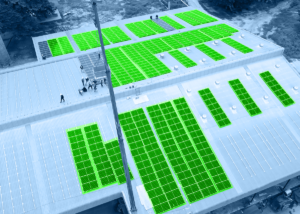
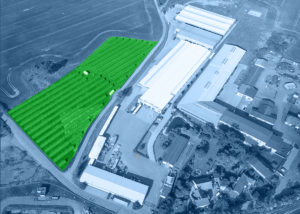

- Planning photovoltaics on warehouses, commercial buildings and industrial buildings
- Industrial plant: Planning a photovoltaic open-field system or open-area system
- Planning solar power systems with photovoltaic solutions for freight forwarding companies and contract logistics
- B2B Solar Systems and Photovoltaic Solutions & Consulting
Xpert.Solar offers your individual solar system solution

Konrad Wolfenstein
I would be happy to serve as your personal advisor.
You can contact me by filling out the contact form below or simply call me on +49 7348 4088 965 .
I'm looking forward to our joint project.
Write to me


Xpert.Digital – Konrad Wolfenstein
Xpert.Digital is a hub for industry focusing on digitalization, mechanical engineering, logistics/intralogistics and photovoltaics.
With our 360° Business Development solution, we support renowned companies from new business to after-sales.
Market intelligence, smarketing, marketing automation, content development, PR, mail campaigns, personalized social media and lead nurturing are part of our digital tools.
You can find more information at: www.xpert.digital – www.xpert.solar – www.xpert.plus
Keep in touch