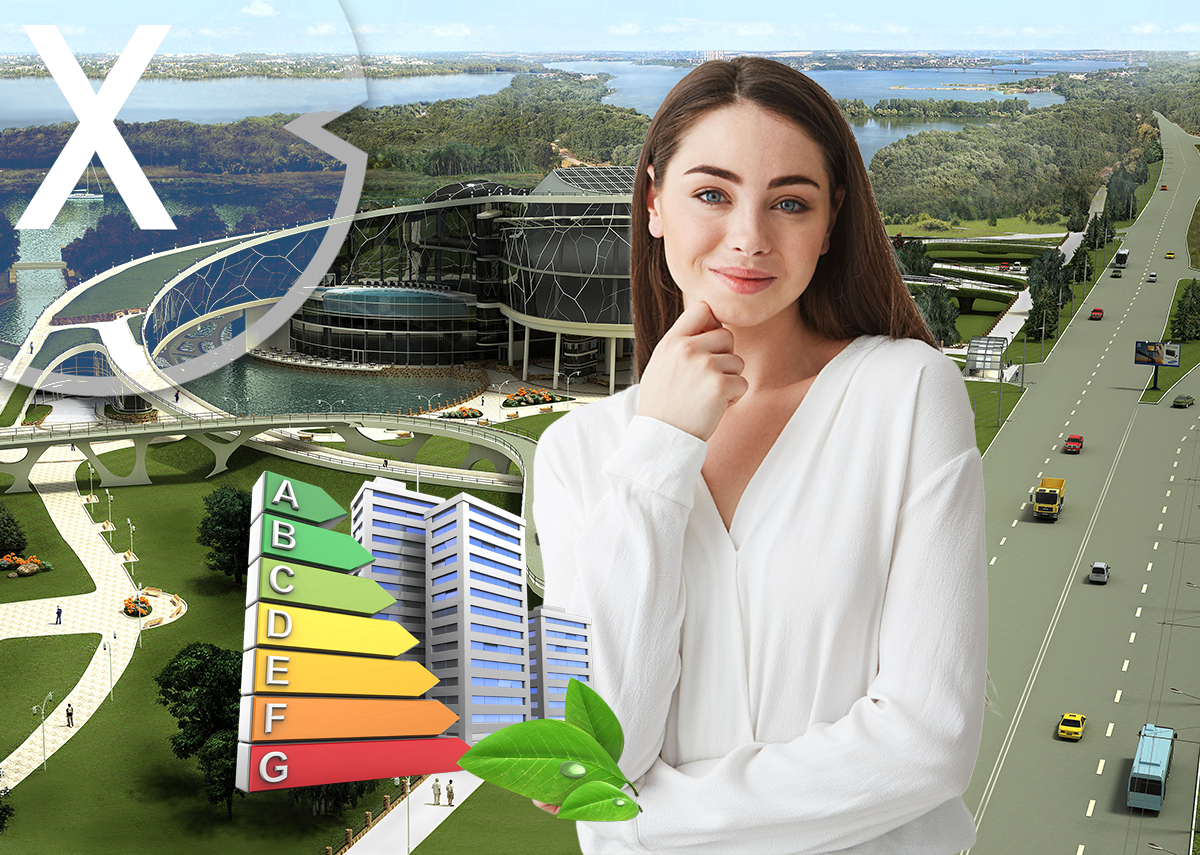
Energy-efficient and sustainable city, municipality, community or company – Image: Xpert.Digital
Energy efficiency in urban areas: Measures for a liveable city
From idea to reality: An energy efficiency revolution in cities and municipalities
An energy-efficient city, town, or municipality is characterized by a sustainable, resource-conserving, and environmentally friendly energy supply and use. Here are some measures and approaches that can contribute to this:
Renewable energy
The promotion and use of renewable energies such as solar energy, wind power, biomass, and geothermal energy plays a crucial role. Solar energy, for example, can be generated through photovoltaic systems on roofs and solar parks, while wind turbines can be erected on suitable sites.
Energy-efficient buildings
The construction or renovation of energy-efficient buildings is essential. This includes well-insulated buildings, energy-saving heating and cooling systems, LED lighting, and the use of natural light sources.
Sustainable Mobility
Promoting environmentally friendly means of transport such as bicycles, electric cars, public transport and pedestrian zones can make the transport sector significantly less polluting.
Energy saving and awareness raising
Campaigns to save energy and raise public awareness about the responsible use of energy are important. Energy-saving measures in households and businesses can reduce energy consumption.
Smart Grids
The introduction of smart grids enables a more efficient distribution and use of energy, as supply and demand can be better matched.
Circular economy
Effective waste management and a focus on recycling and reuse help to minimize resource consumption and reduce environmental impact.
Green spaces and urban agriculture
The creation of green spaces and urban gardens not only improves the quality of life, but can also contribute to local food production.
Energy and climate protection concepts
Developing long-term energy and climate protection concepts that are tailored to the specific needs and circumstances of the city or municipality helps to set clear goals and manage implementation.
Promoting research and innovation
Supporting research and innovation in the field of sustainable energy supply and use can lead to new technologies and solutions that further improve efficiency.
Cooperation and networking
Exchanging experiences and best practices with other cities, towns and municipalities can lead to effective knowledge transfer and drive implementation forward.
Combination of these measures
A combination of these measures can help a city, town or municipality become more energy-efficient, which not only has positive effects on the environment, but also saves costs in the long term and improves the quality of life for residents.
Interesting solutions that we at Xpert offer to cities, municipalities, communities and companies
➡️ City solar carport modules for photovoltaic parking spaces with translucent solar modules
➡️ City Pergolas: The ideal concept for the green smart city of the future
➡️ Smart Columarium - up to 90% green spaces in city centers for well-being and a green city
The "Smart Columbarium" as an innovative solution for space saving and urban development
A novel and exciting solution is the "Smart Columbarium." This concept offers the possibility of saving up to 90% of cemetery space and using the freed-up green space for other purposes. This energy-efficient and space-optimized burial site was developed by logistics experts from Japan and Germany. The "Smart Columbarium" is an innovative form of burial where urns are stored in a space-saving and technologically advanced manner. This reduces the space required for traditional graves and frees up valuable green space. This space can then be used to make a valuable contribution to improving the living environment and quality of life for local residents.
The combination of protecting and promoting existing green spaces, thoughtful inner-city densification, and innovative concepts like the "Smart Columbarium" could help cities and municipalities find a balanced approach between urban development and environmental protection. By strategically investing in green infrastructure and exploring new land-use options, cities can preserve positive bioclimatic conditions in residential areas while simultaneously improving the climate in densely populated regions.
Learning from the Japanese: Already 91% of the population lives in urbanized areas
More information here:
The Smart Park or Smart Columbarium concept

Smart Park: New green parks thanks to the Smart Columbarium - Image: Xpert.Digital
The Smart Columbarium concept describes the possibility of reducing the space required for cemeteries by an impressive 90%. This innovative solution creates valuable space that can be used to develop green leisure and recreational parks. This measure aims to enhance the sense of well-being in the community and provide residents with an attractive environment for their leisure activities.
More information here:
- Smart Park: New green parks thanks to the Smart Columbarium.
Access code/password: daifuku

Here is more information about an energy-efficient city, town or municipality
Energy-efficient infrastructure
A modern and efficient infrastructure is crucial. This includes optimizing water supply and disposal, efficient sewage systems, street lighting with LED technology, and intelligent traffic light control to optimize traffic flow.
Incentives and subsidies
The introduction of incentives and support programs can accelerate the transition to energy-efficient technologies and practices. This could include tax breaks for companies switching to renewable energy or grants for installing energy-saving measures in private homes.
Energy-efficient industry
Industry is often a significant energy consumer. By promoting energy efficiency measures in companies and supporting the transition to more environmentally friendly production processes, substantial energy savings can be achieved.
Urban planning and development
Well-thought-out urban planning can help ensure that energy efficiency is considered from the outset. Designing neighborhoods near public transportation, promoting mixed-use residential and commercial areas, and creating green spaces all contribute to reducing energy consumption and increasing quality of life.
Energy monitoring and management
The introduction of smart technologies to monitor energy consumption in buildings, street lighting and other urban facilities enables better control and identification of potential savings.
Citizen participation and cooperation
A successful transition to an energy-efficient city requires the active participation of its citizens. Public discussions, workshops, and campaigns can raise awareness of the importance of energy efficiency and promote public engagement.
Long-term planning and continuity
Implementing energy-efficient measures often requires long-term investments and a consistent policy. Therefore, long-term planning and the establishment of a municipal unit or energy officer are crucial for the continuity and effectiveness of these measures.
Partnerships with industry and research
Collaboration with companies and research institutions can help develop innovative solutions and technologies that support the city or municipality on its path to greater energy efficiency.
Cooperation is important!
The transition to an energy-efficient city requires a holistic approach that considers political, economic, social, and technical aspects. It is essential that the city administration, businesses, residents, and other stakeholders collaborate to achieve the set goals and shape a sustainable future.
From vision to reality: How companies can become more energy-efficient and shape the future
An energy-efficient company is characterized by a resource-conserving and sustainable energy supply and use. Here are some steps and measures a company can take to become more energy-efficient:
Energy audit and management
An energy audit enables a precise analysis of a company's energy consumption and demand. Based on this analysis, targeted measures for increasing efficiency can be developed and implemented. Continuous energy management helps to monitor and optimize energy consumption within the company.
Investment in energy efficiency technologies
The use of modern and energy-efficient technologies such as LED lighting, energy-efficient heating and cooling systems, heat recovery or smart control systems can significantly reduce energy consumption.
Raising awareness and employee engagement
Employees play a key role in implementing energy efficiency measures. Training and awareness campaigns can raise awareness of energy consumption and promote employee engagement.
Use of renewable energies
Companies can integrate renewable energy sources such as solar, wind, or biomass into their energy supply. Examples include installing photovoltaic systems on company roofs or purchasing green electricity from renewable sources.
Optimization of production and processes
Efficient design of production processes and workflows can reduce energy consumption. Energy can be saved by using energy-efficient machines and equipment and by reducing idle times.
Circular economy and resource management
Implementing a circular economy within a company can help conserve resources and reduce energy consumption. The reuse and recycling of materials should be encouraged.
Supplier and partner management
Companies can ensure that their suppliers and partners also operate according to energy-efficient principles. A joint effort can reduce overall energy consumption in the value chain.
Monitoring and Benchmarking
Regular monitoring of energy consumption and energy efficiency allows the company to evaluate the success of its measures. Benchmarking with other companies in the same industry can reveal additional potential savings.
Certifications and awards
Companies can position themselves and serve as role models for other companies by participating in energy efficiency programs or by obtaining certificates and awards for their commitment in this area.
Awareness of energy efficiency
The transition to an energy-efficient company requires a systematic and long-term approach. Investing in energy efficiency not only pays off in cost savings, but also demonstrates the company's social and environmental commitment, which can positively impact its image and reputation.
Energy-efficient new construction or energy-efficient renovation of halls and buildings
The decision between constructing a new energy-efficient building and renovating existing buildings and halls depends on various factors, including the existing building structure, costs, available resources, the planned use of the building, and the desired energy efficiency goals. Here are some aspects to consider when making this choice:
1. Condition of the building
The condition of the existing building is a crucial factor. If the building is in very poor condition, it may be more cost-effective to demolish it and replace it with an energy-efficient new building, rather than undertaking a costly renovation.
2. Energy efficiency potential
A thorough energy efficiency analysis of the existing building can reveal the potential savings from renovation. Sometimes, even minor measures such as insulation, replacing windows, or modernizing the heating system are sufficient to significantly reduce energy consumption.
3. Economic efficiency
The costs of an energy-efficient renovation should be compared with the costs of a new building. In some cases, a new building may be more expensive, but in the long run, due to lower energy costs and potential government subsidies, it may represent a better investment.
4. Sustainability and environmental impact
The ecological aspect should also be considered in the decision. An energy-efficient new building allows for the integration of state-of-the-art technologies and sustainable building materials from the outset.
5. Time frame
Renovating an existing building can often be time-consuming, especially if the work has to be carried out while the building is in operation. A new building can be completed more quickly.
6. Location and use
The building's location and its intended use play a role. Sometimes, due to site regulations or specific usage requirements, it may be more practical to construct a new building.
7. Monument or historical protection
If the building is a listed or historic building, there may be restrictions regarding structural alterations, making renovation the preferred option.
8. Combination of both approaches
In many cases, a combination of both approaches can be beneficial. For example, an existing building can be brought up to a certain level of energy efficiency through energy-efficient renovation, while an additional new building is constructed for specific purposes or additional space requirements.
9. Bring in experts like Xpert
Ultimately, the choice between energy-efficient new construction and energy-efficient renovation should be carefully considered and tailored to the individual needs and goals of the company. It is advisable to consult professionals such as architects, energy consultants, and civil engineers to make an informed decision and achieve the best results.
📣 Energy-efficient renovation and new construction, consulting, planning and implementation for industry, retail and municipalities
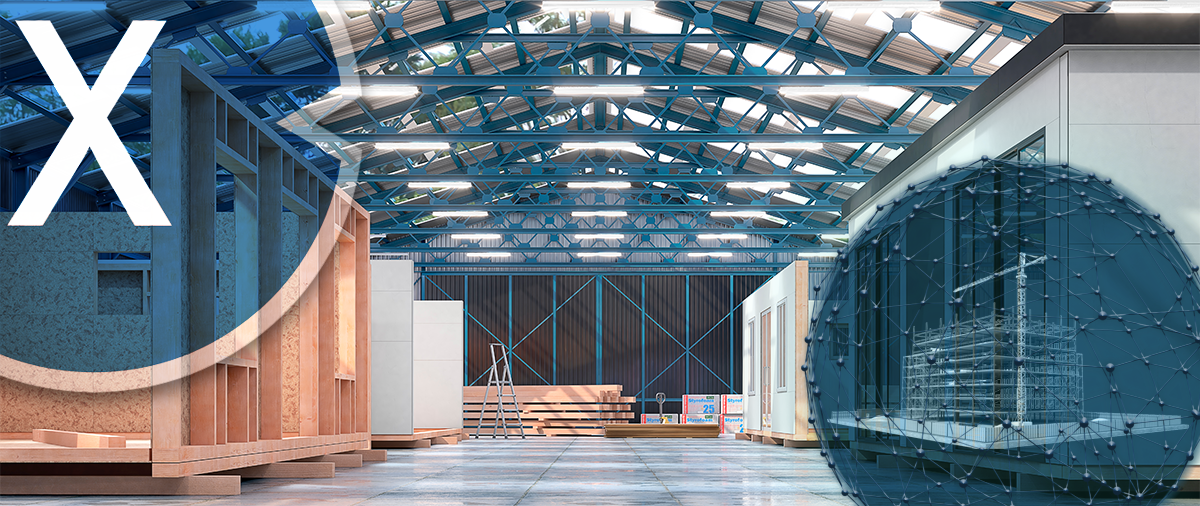
Our experienced team supports you in optimizing your buildings to reduce energy consumption and promote sustainable energy use with photovoltaics. We analyze your individual needs and develop customized concepts that are both economically and ecologically sound. Whether it's the energy-efficient renovation of existing buildings or the construction of new, energy-efficient structures, we are here to help. Industrial plants, retail buildings, and municipal facilities can reduce their energy costs, minimize their environmental impact, and simultaneously improve the comfort and efficiency of their buildings with our tailored solutions.
👨🏻 👩🏻 👴🏻 👵🏻 Energy-efficient renovation and new construction, consulting, planning and implementation for private households
We offer comprehensive support for private households in the energy-efficient renovation and new construction of buildings with photovoltaics. Our experienced team is at your side to assist you with consulting, planning, and implementing your sustainable energy solutions. We analyze your energy consumption, identify potential savings, and develop customized concepts to improve your energy efficiency. From improving building insulation and installing energy-efficient windows and doors to installing photovoltaic and solar thermal systems – we guide you step by step to make your home more energy-efficient and environmentally friendly. Trust in our expertise and benefit from the numerous advantages that energy-efficient renovation and the use of renewable energies offer. Together, we'll create a sustainable future for your home.
Plan your solar system for the most common applications conveniently online with our solar system planner!
With our user-friendly solar system planner, you can design your individual solar system online. Whether you need a solar system for your home, your business, or for agricultural purposes, our planner allows you to consider your specific requirements and develop a customized solution.
The planning process is simple and intuitive. You simply enter the relevant information. Our planner takes this information into account and creates a customized solar system that meets your needs. You can try out different options and configurations to find the optimal solar system for your application.
Furthermore, you can save your plan to review it later or share it with others. Our customer service team is also available to answer any questions and provide support to ensure your solar system is optimally planned.
Use our solar system planner to design your individual solar system for the most common applications and accelerate the transition to clean energy. Get started now and take an important step towards sustainability and energy independence!

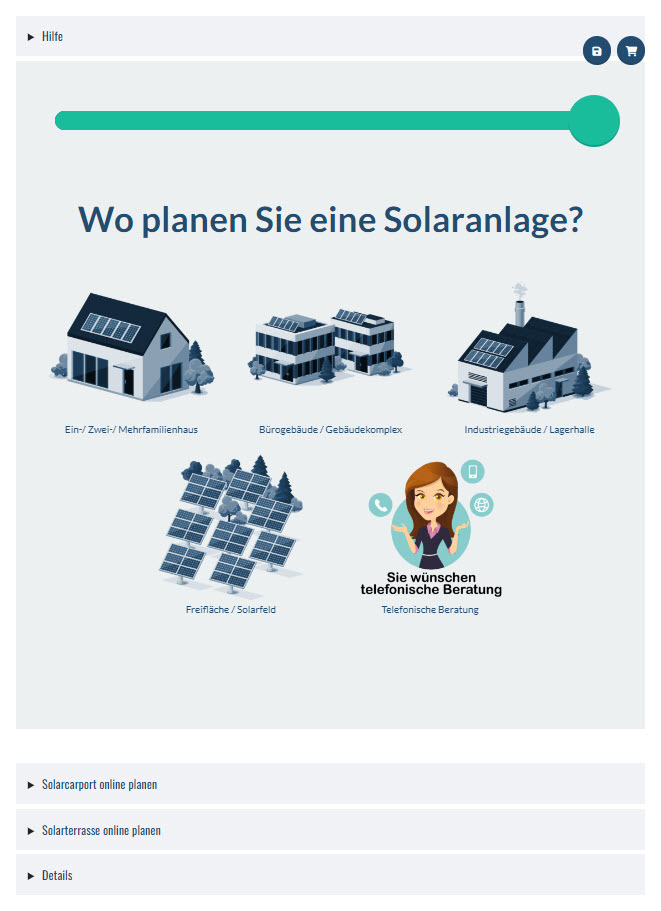
The solar system planner for the most common applications: Plan your solar system online here - Image: Xpert.Digital
More information here:
Xpert.Plus Smart City & Urban Logistics Consulting with Konrad Wolfenstein
Xpert.Plus is a project by Xpert.Digital.

Konrad Wolfenstein
I would be happy to serve as your personal advisor.
You can contact me by filling out the contact form below or simply call me on +49 7348 4088 965 (Munich) .
I'm looking forward to our joint project.
Write to me



Xpert.Digital – Konrad Wolfenstein
Xpert.Digital is a hub for industry focusing on digitalization, mechanical engineering, logistics/intralogistics and photovoltaics.
With our 360° Business Development solution, we support renowned companies from new business to after-sales.
Market intelligence, smarketing, marketing automation, content development, PR, mail campaigns, personalized social media and lead nurturing are part of our digital tools.
You can find more information at: www.xpert.digital – www.xpert.solar – www.xpert.plus
Keep in touch