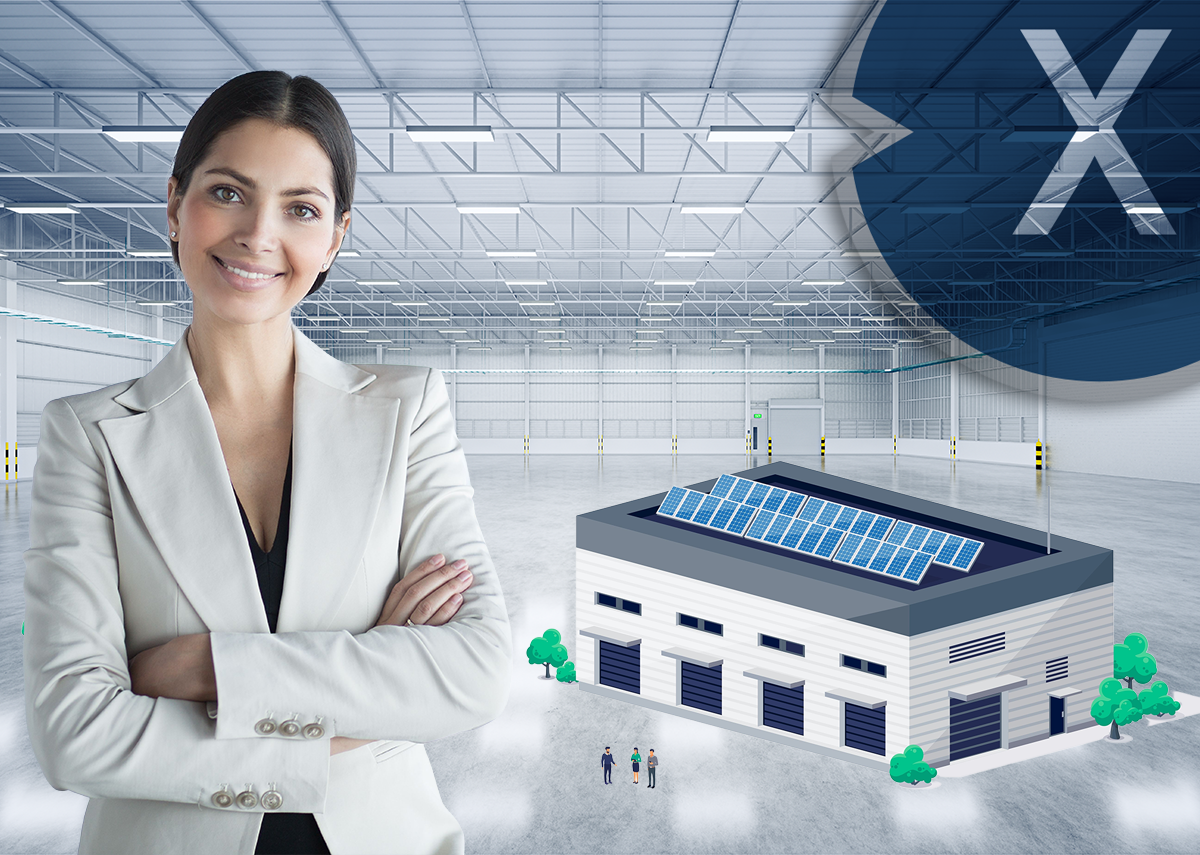
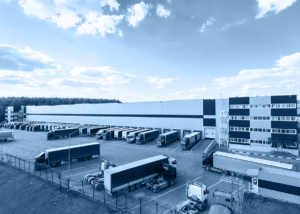
Gewerbehallen und Industriehallen mit Photovoltaik und Wärmepumpen – Bild: Xpert.Digital
Zukunftsorientierte Hallenarchitektur: Photovoltaik und Wärmepumpen für nachhaltige Gewerbe- und Industriebauten in Berlin und Brandenburg
Energetisch nachhaltige Bau- und Montagekonzepte von Gewerbehallen und Industriehallen haben in den letzten Jahren in Berlin und Brandenburg an Bedeutung gewonnen. Angesichts des steigenden Umweltbewusstseins und der Notwendigkeit, den ökologischen Fußabdruck zu reduzieren, suchen Unternehmen vermehrt nach nachhaltigen Lösungen für ihre Geschäftsgebäude. Die Integration von Photovoltaik- und Wärmepumpensystemen in Gewerbe- und Industriehallen bietet hier eine effektive Möglichkeit, erneuerbare Energien zu nutzen und gleichzeitig die Betriebskosten zu senken.
Eine der wichtigsten Komponenten eines energetischen Hallenbaus ist die Photovoltaik-Anlage. Berlin und Brandenburg bieten aufgrund ihrer günstigen geografischen Lage und ihres hohen Sonneneinstrahlungspotenzials ideale Bedingungen für solche Anlagen. Die PV-Module werden auf dem Dach der Hallen installiert und wandeln Sonnenlicht direkt in elektrische Energie um. Diese Energie kann entweder direkt vor Ort genutzt oder in das öffentliche Stromnetz eingespeist werden. Durch den Einsatz von leistungsfähigen Solaranlagen können Unternehmen einen erheblichen Teil ihres Strombedarfs selbst decken und somit ihre Abhängigkeit von fossilen Brennstoffen reduzieren.
Darüber hinaus können Gewerbe- und Industriehallen in Berlin und Brandenburg auch mit Wärmepumpensystemen ausgestattet werden. Diese nutzen die Umgebungswärme aus Luft, Wasser oder Erde, um die Räume effizient zu heizen und zu kühlen. Wärmepumpen arbeiten nach dem Prinzip der Wärmekompression und bieten eine hohe Effizienz bei der Energieumwandlung. Indem sie die vorhandene Umweltwärme nutzen, reduzieren sie den Bedarf an konventionellen Heiz- und Kühlsystemen erheblich. Dies führt zu einer deutlichen Senkung der Energiekosten und trägt zur Verringerung des CO₂-Ausstoßes bei.
Bei der Planung und Montage von Gewerbe- und Industriehallen in Berlin und Brandenburg stehen Nachhaltigkeit und Energieeffizienz im Fokus. Die Gebäude werden so konzipiert, dass sie eine optimale Nutzung der natürlichen Ressourcen ermöglichen. Dies umfasst beispielsweise die Ausrichtung der Gebäude, um eine maximale Sonneneinstrahlung auf die Photovoltaik-Module zu gewährleisten, sowie die Integration von Wärmedämmung und energieeffizienten Fenstern, um den Wärmeverlust zu minimieren.
Des Weiteren spielen auch Baustoffe eine entscheidende Rolle. Bei der Konstruktion von Gewerbe- und Industriehallen werden nachhaltige Materialien verwendet, die umweltfreundlich und ressourcenschonend sind. Dies kann den Einsatz von recyceltem Stahl oder Beton mit einem niedrigen CO₂-Fußabdruck umfassen. Darüber hinaus werden bei der Montage der Hallen innovative Bautechniken eingesetzt, um den Energieverbrauch während des Baus zu minimieren. Dies beinhaltet beispielsweise den Einsatz von effizienten Baumaschinen und die Implementierung von energieeffizienten Beleuchtungssystemen.
In Berlin und Brandenburg gibt es zahlreiche Unternehmen und Experten, die auf den energetischen Bau und die Montage von Gewerbe- und Industriehallen spezialisiert sind. Diese Unternehmen bieten maßgeschneiderte Lösungen an, die den spezifischen Anforderungen und Bedürfnissen der Kunden gerecht werden. Sie kümmern sich um die Planung, Genehmigung und Umsetzung der Projekte und stehen den Kunden mit ihrem Fachwissen zur Seite.
➡️ Der energetische Bau und die Montage von Gewerbe- und Industriehallen mit Photovoltaik und Wärmepumpen in Berlin und Brandenburg sind nicht nur umweltfreundlich, sondern bieten auch langfristige wirtschaftliche Vorteile. Unternehmen können ihre Energiekosten senken, ihre CO₂-Emissionen reduzieren und gleichzeitig von staatlichen Förderprogrammen profitieren. Darüber hinaus können sie ihr Image als umweltbewusstes Unternehmen stärken und einen positiven Beitrag zur nachhaltigen Entwicklung der Region leisten.
📣 Energetische Sanierung und Neubau, Beratung, Planung und Umsetzung für Industrie, Einzelhandel und Kommunen
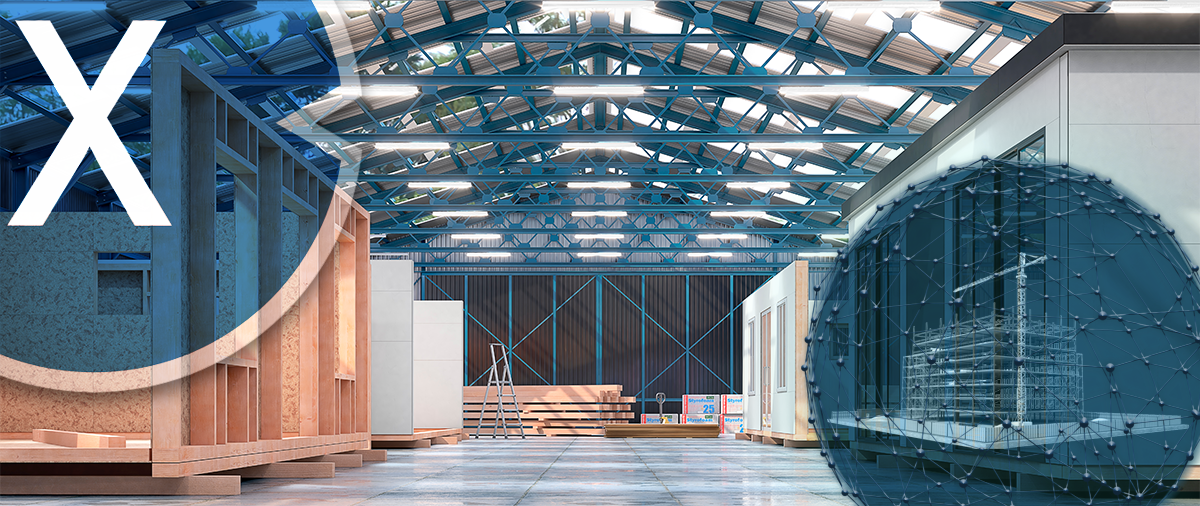
Unser erfahrenes Team unterstützt Sie bei der Optimierung Ihrer Gebäude, um den Energieverbrauch zu reduzieren und nachhaltige Energienutzung mit Photovoltaik zu fördern. Wir analysieren Ihre individuellen Bedürfnisse und erstellen maßgeschneiderte Konzepte, die sowohl wirtschaftlich als auch ökologisch sinnvoll sind. Egal, ob es um die energetische Sanierung bestehender Gebäude oder den Neubau energieeffizienter Strukturen geht, wir stehen Ihnen zur Seite. Industrieanlagen, Einzelhandelsgebäude und kommunale Einrichtungen können durch unsere maßgeschneiderten Lösungen ihre Energiekosten senken, die Umweltbelastung reduzieren und gleichzeitig den Komfort und die Effizienz ihrer Gebäude verbessern.
👨🏻 👩🏻 👴🏻 👵🏻 Energetische Sanierung und Neubau, Beratung, Planung und Umsetzung für Privathaushalte
Wir bieten umfassende Unterstützung für Privathaushalte bei der energetischen Sanierung und dem Neubau von Gebäuden mit Photovoltaik. Unser erfahrenes Team steht Ihnen zur Seite, um Ihnen bei der Beratung, Planung und Umsetzung Ihrer nachhaltigen Energielösungen zu helfen. Wir analysieren Ihren Energieverbrauch, identifizieren Einsparpotenziale und entwickeln maßgeschneiderte Konzepte, um Ihre Energieeffizienz zu verbessern. Von der Verbesserung der Gebäudedämmung über den Einbau energieeffizienter Fenster und Türen bis hin zur Installation von Photovoltaik- und Solaranlagen - wir begleiten Sie Schritt für Schritt, um Ihr Zuhause energieeffizienter und umweltfreundlicher zu machen. Vertrauen Sie auf unsere Expertise und profitieren Sie von den zahlreichen Vorteilen, die Ihnen eine energetische Sanierung und der Einsatz erneuerbarer Energien bieten. Gemeinsam gestalten wir eine nachhaltige Zukunft für Ihr Zuhause.
Warum der energetische Bau von Gewerbehallen und Industriehallen wichtig ist
Der Bau von energieeffizienten Gewerbehallen und Industriehallen spielt eine wichtige Rolle im Kontext der nachhaltigen Entwicklung. Diese Hallen haben oft einen hohen Energiebedarf für Beleuchtung, Heizung, Kühlung und Produktionsprozesse. Durch den Einsatz von erneuerbaren Energien wie Photovoltaik und Wärmepumpen kann dieser Energiebedarf auf umweltfreundliche Weise gedeckt werden. Ein energetisch optimierter Hallenbau trägt nicht nur zur Reduzierung der CO2-Emissionen bei, sondern ermöglicht auch langfristige Kosteneinsparungen.
Planen Sie Ihre Solaranlage für die häufigsten Anwendungen ganz bequem online mit unserem Solaranlagen-Planer!
Mit unserem benutzerfreundlichen Solaranlagen-Planer können Sie Ihre individuelle Solaranlage online planen. Egal, ob Sie eine Solaranlage für Ihr Eigenheim, Ihr Unternehmen oder für landwirtschaftliche Zwecke benötigen, unser Planer bietet Ihnen die Möglichkeit, Ihre spezifischen Anforderungen zu berücksichtigen und eine maßgeschneiderte Lösung zu entwickeln.
Der Planungsprozess ist einfach und intuitiv. Sie geben einfach relevante Informationen ein. Unser Planer berücksichtigt diese Angaben und erstellt eine maßgeschneiderte Solaranlage, die Ihren Bedürfnissen entspricht. Sie können verschiedene Optionen und Konfigurationen ausprobieren, um die optimale Solaranlage für Ihre Anwendung zu finden.
Darüber hinaus können Sie Ihren Plan speichern, um ihn später zu überprüfen oder mit anderen zu teilen. Unser Kundenservice-Team steht Ihnen auch für Fragen und Unterstützung zur Verfügung, um sicherzustellen, dass Ihre Solaranlage optimal geplant wird.
Nutzen Sie unseren Solaranlagen-Planer, um Ihre individuelle Solaranlage für die häufigsten Anwendungen zu planen und den Übergang zu sauberer Energie voranzutreiben. Starten Sie jetzt und machen Sie einen wichtigen Schritt in Richtung Nachhaltigkeit und Energieunabhängigkeit!

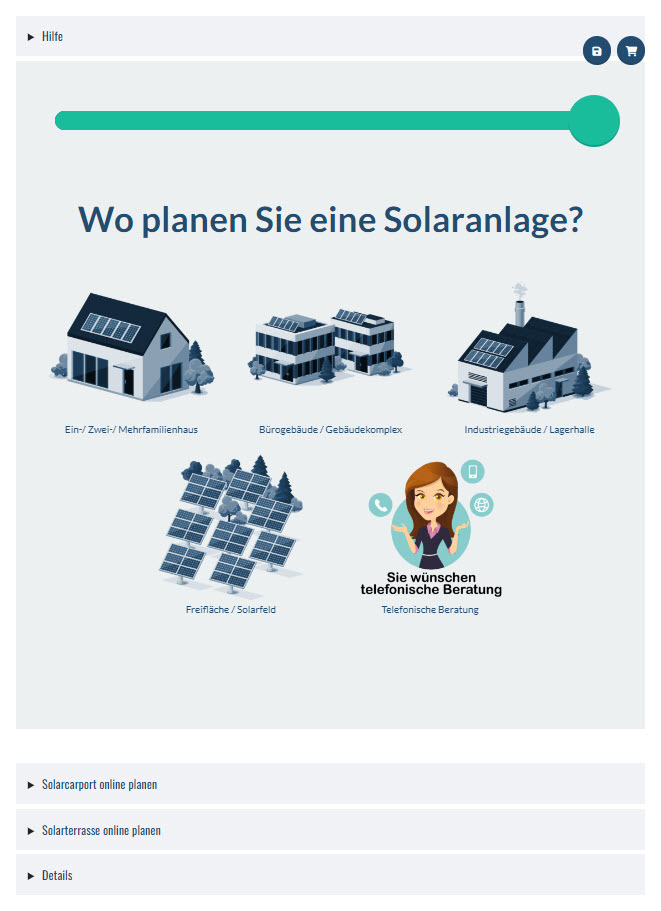
Der Solaranlagen-Planer für die häufigsten Anwendungen: Die Solaranlage hier online planen - Bild: Xpert.Digital
Mehr dazu hier:
Photovoltaik: Die Kraft der Sonne nutzen
Vorteile der Photovoltaik in Gewerbe- und Industriehallen
Die Photovoltaiktechnologie wandelt Sonnenlicht direkt in elektrische Energie um. Der Einsatz von Photovoltaikanlagen in Gewerbe- und Industriehallen bietet zahlreiche Vorteile. Zum einen ermöglicht sie eine unabhängige Stromversorgung und reduziert die Abhängigkeit von konventionellen Energiequellen. Zum anderen können Unternehmen durch den Verkauf des überschüssigen Solarstroms ins Netz zusätzliche Einnahmen generieren. Darüber hinaus verbessert die Installation von Photovoltaikanlagen das Unternehmensimage, da umweltbewusstes Handeln zunehmend an Bedeutung gewinnt.
Funktion und Aufbau einer Photovoltaikanlage
Eine Photovoltaikanlage besteht aus mehreren Komponenten, darunter Photovoltaikmodule, Wechselrichter, Montagesysteme und Verkabelungen. Die Photovoltaikmodule bestehen aus Solarzellen, die das Sonnenlicht absorbieren und in Gleichstrom umwandeln. Der Wechselrichter wandelt den Gleichstrom in Wechselstrom um, der für den Betrieb elektrischer Geräte benötigt wird. Das Montagesystem sorgt für die sichere Befestigung der Module auf dem Dach oder der Fassade der Halle.
Auswahl der richtigen Photovoltaikmodule
Die Auswahl der richtigen Photovoltaikmodule ist entscheidend für die Leistung und Langlebigkeit der Anlage. Verschiedene Faktoren wie die Effizienz der Module, die Qualität der Materialien und die Garantiebedingungen sollten berücksichtigt werden. Es ist ratsam, sich von einem Fachmann beraten zu lassen, um die optimale Lösung für die spezifischen Anforderungen der Gewerbe- oder Industriehalle zu finden.
Integration der Photovoltaikanlage in die Gebäudestruktur
Die Integration der Photovoltaikanlage in die Gebäudestruktur spielt eine wichtige Rolle für die Ästhetik und Effizienz des Hallenbaus. Die Ausrichtung der Module, die Neigungswinkel und die Platzierung sollten sorgfältig geplant werden, um eine maximale Sonneneinstrahlung zu gewährleisten. Bei der Integration in die Fassade kann die Photovoltaiktechnologie sogar als gestalterisches Element genutzt werden, um architektonisch ansprechende Lösungen zu schaffen.
Wärmepumpen: Effiziente Heiztechnologie und Kühltechnologie
Vorteile von Wärmepumpen in Gewerbe- und Industriehallen
Wärmepumpen sind eine effiziente Alternative zu konventionellen Heiz- und Kühltechnologien. Sie nutzen die natürliche Wärmeenergie aus der Umgebung, wie zum Beispiel der Erde, dem Wasser oder der Luft, und wandeln sie in nutzbare Wärme für die Hallenheizung oder -kühlung um. Der Einsatz von Wärmepumpen führt zu erheblichen Energieeinsparungen und ermöglicht eine Reduzierung der Betriebskosten. Zudem sind sie umweltfreundlich, da sie keine fossilen Brennstoffe benötigen.
Funktionsweise einer Wärmepumpe
Eine Wärmepumpe besteht aus einem Verdampfer, einem Kompressor, einem Kondensator und einem Expansionsventil. Der Verdampfer entzieht der Umgebungswärme Energie und verdampft ein Kältemittel. Der Kompressor erhöht den Druck und die Temperatur des Kältemittels, bevor es in den Kondensator gelangt. Im Kondensator gibt das Kältemittel die aufgenommene Wärmeenergie ab und wird wieder verflüssigt. Das Expansionsventil reguliert den Durchfluss des Kältemittels und senkt seinen Druck, um den Kreislauf erneut zu beginnen.
Arten von Wärmepumpen und ihre Einsatzmöglichkeiten
Es gibt verschiedene Arten von Wärmepumpen, darunter Luft-Wasser-Wärmepumpen, Erd-Wasser-Wärmepumpen und Wasser-Wasser-Wärmepumpen. Die Wahl der richtigen Art hängt von den geologischen Gegebenheiten des Standorts sowie den Anforderungen an die Hallenheizung und -kühlung ab. Ein Fachmann kann bei der Auswahl der optimalen Wärmepumpenlösung helfen.
Einbindung von Wärmepumpen in die Hallenheizung und -kühlung
Die Einbindung von Wärmepumpen in die Hallenheizung und -kühlung erfordert eine sorgfältige Planung und Dimensionierung. Es ist wichtig, die Wärme- und Kältebedarfe der Halle zu analysieren und die Wärmepumpen entsprechend auszulegen. Die Nutzung von Fußbodenheizungen oder Deckenkühlungen kann eine effiziente Verteilung der erzeugten Wärme oder Kälte gewährleisten.
Synergieeffekte zwischen Photovoltaik und Wärmepumpen
Gegenseitige Unterstützung der beiden Technologien
Photovoltaik und Wärmepumpen ergänzen sich hervorragend und können gemeinsam einen hohen energetischen Nutzen bieten. Während Photovoltaikanlagen elektrische Energie erzeugen, benötigen Wärmepumpen elektrische Energie für den Betrieb. Durch die Kombination dieser Technologien kann der erzeugte Solarstrom direkt für die Stromversorgung der Wärmepumpen genutzt werden, wodurch der Bedarf an externem Netzstrom reduziert wird.
Maximierung der Energieeffizienz durch intelligente Steuerungssysteme
Die maximale Energieeffizienz kann durch den Einsatz intelligenter Steuerungssysteme erreicht werden. Solche Systeme können den Energiefluss zwischen Photovoltaikanlage, Wärmepumpe und dem internen Stromnetz der Halle optimieren. Sie ermöglichen eine zeitliche Abstimmung von Energieerzeugung und -verbrauch und berücksichtigen dabei auch die aktuellen Wetterbedingungen und den Hallenbetrieb. Dadurch wird eine effiziente Nutzung der erzeugten Energie gewährleistet.
Energetischer Bau von Gewerbehallen und Industriehallen mit Photovoltaik und Wärmepumpen in Berlin und Brandenburg
Fördermöglichkeiten und Unterstützung durch öffentliche Programme
Für den energetischen Bau von Gewerbehallen und Industriehallen mit Photovoltaik und Wärmepumpen stehen in Berlin und Brandenburg verschiedene Fördermöglichkeiten und öffentliche Programme zur Verfügung. Diese Programme bieten finanzielle Anreize und Beratungsdienste, um Unternehmen bei der Umsetzung nachhaltiger Projekte zu unterstützen. Es lohnt sich, sich über die aktuellen Fördermöglichkeiten zu informieren und diese in die Planung einzubeziehen.
Auswahl des geeigneten Standorts für maximale Energieausbeute
Die Auswahl des geeigneten Standorts ist entscheidend für die maximale Energieausbeute der Photovoltaikanlage und die Effizienz der Wärmepumpen. Eine ausreichende Sonneneinstrahlung und eine gute Zugänglichkeit zur Wärmequelle sind wichtige Kriterien bei der Standortwahl. Zudem sollten baurechtliche und städtebauliche Aspekte berücksichtigt werden, um eine reibungslose Genehmigung und Umsetzung des Projekts zu gewährleisten.
Planung und Design des Hallenbaus unter Berücksichtigung der Energietechnologien
Die Planung und das Design des Hallenbaus sollten von Anfang an unter Berücksichtigung der Energietechnologien erfolgen. Eine enge Zusammenarbeit zwischen Architekten, Ingenieuren und Energieexperten ist entscheidend, um optimale Lösungen zu finden. Die Gebäudeisolierung, die Ausrichtung der Halle, die Dachstruktur und weitere bauliche Aspekte sollten so gestaltet sein, dass sie den Einsatz von Photovoltaik und Wärmepumpen unterstützen.
Montage und Installation der Photovoltaikanlage und Wärmepumpen
Die Montage und Installation der Photovoltaikanlage und Wärmepumpen erfordert Fachkenntnisse und Erfahrung. Es ist ratsam, erfahrene und zertifizierte Unternehmen für die Durchführung dieser Arbeiten zu beauftragen. Sie gewährleisten eine fachgerechte Installation gemäß den geltenden Standards und Vorschriften. Die Inbetriebnahme und Überprüfung der Anlagen sollte ebenfalls von Experten durchgeführt werden.
Überwachung und Wartung der Anlagen für optimale Leistung
Um eine optimale Leistung der Photovoltaikanlage und Wärmepumpen sicherzustellen, ist eine regelmäßige Überwachung und Wartung erforderlich. Dies umfasst die Überprüfung der Solarmodule, der Wechselrichter, der Pumpen und anderer Komponenten. Etwaige Störungen oder Leistungsabfälle sollten frühzeitig erkannt und behoben werden, um eine unterbrechungsfreie und effiziente Energieversorgung zu gewährleisten.
Die Vorteile von Photovoltaik und Wärmepumpen für Unternehmen
Photovoltaik und Wärmepumpen sind zwei Technologien, die Unternehmen dabei unterstützen können, ihren Energieverbrauch zu senken und nachhaltiger zu werden.
Kostenersparnis
Der Einsatz von Photovoltaik und Wärmepumpen ermöglicht Unternehmen eine erhebliche Reduzierung ihrer Energiekosten. Durch die Erzeugung von eigenem Solarstrom können Unternehmen ihre Abhängigkeit von teuren Netzstrom reduzieren. Wärmepumpen wiederum nutzen die kostenlose Umweltenergie, um Heiz- und Kühlbedarf effizient abzudecken.
Nachhaltigkeit
Photovoltaik und Wärmepumpen sind umweltfreundliche Technologien, die erneuerbare Energiequellen nutzen. Der Einsatz dieser Technologien hilft Unternehmen, ihre CO2-Emissionen zu reduzieren und einen Beitrag zum Klimaschutz zu leisten. Durch die Integration von Photovoltaik und Wärmepumpen können Unternehmen ihre Nachhaltigkeitsziele erreichen und sich als umweltbewusste Akteure positionieren.
Energieunabhängigkeit
Durch den Einsatz von Photovoltaik und Wärmepumpen können Unternehmen ihre Energieunabhängigkeit steigern. Mit einer Photovoltaikanlage auf dem Dach der Gewerbehalle können Unternehmen ihren eigenen Strom erzeugen und nutzen. Dies ermöglicht eine größere Flexibilität und reduziert die Abhängigkeit von Stromlieferanten. Gleichzeitig können Wärmepumpen den Wärme- und Kühlbedarf eines Unternehmens abdecken und die Notwendigkeit externer Energiequellen verringern.
Photovoltaik in Gewerbehallen
Die Installation von Photovoltaikanlagen auf Gewerbehallen bietet Unternehmen eine Vielzahl von Möglichkeiten zur Nutzung erneuerbarer Energien. Hier sind einige wichtige Aspekte der Photovoltaik in Gewerbehallen:
Dachflächen optimal nutzen
Gewerbehallen verfügen oft über große Dachflächen, die sich ideal für die Installation von Photovoltaikanlagen eignen. Die Solarzellen auf den Dächern können Sonnenlicht in elektrische Energie umwandeln und so zur Stromversorgung des Unternehmens beitragen.
Eigenverbrauch optimieren
Unternehmen können den erzeugten Solarstrom direkt vor Ort nutzen und so ihre Abhängigkeit vom Netzstrom reduzieren. Mit intelligenten Energiemanagementsystemen können Unternehmen den Eigenverbrauch optimieren, indem sie den Strombedarf mit der Solarstromproduktion abstimmen.
Einspeisung ins Netz
Überschüssiger Solarstrom kann ins öffentliche Netz eingespeist werden. Unternehmen haben die Möglichkeit, diesen Strom zu verkaufen und so zusätzliche Einnahmen zu generieren. Die Einspeisevergütungen bieten Unternehmen eine attraktive Möglichkeit zur Monetarisierung ihrer Photovoltaikanlagen.
Wärmepumpen in Gewerbehallen
Wärmepumpen sind eine weitere Schlüsseltechnologie, um die Energieeffizienz von Gewerbehallen zu verbessern. Hier sind einige Aspekte, die die Rolle von Wärmepumpen verdeutlichen:
Heizen und Kühlen
Gewerbehallen haben oft einen erheblichen Bedarf an Heizung und Kühlung. Wärmepumpen nutzen die Umweltwärme aus der Luft, dem Wasser oder dem Erdreich, um diese Bedürfnisse effizient zu erfüllen. Die Nutzung der natürlichen Wärmequellen ermöglicht es Unternehmen, ihre Heizungs- und Kühlkosten erheblich zu senken.
Energieeffizienz
Wärmepumpen arbeiten nach dem Prinzip der Wärmeverdichtung und sind daher äußerst energieeffizient. Für jede eingesetzte Energieeinheit können Wärmepumpen mehrere Einheiten Wärme oder Kälte erzeugen. Dies führt zu einer deutlichen Reduzierung des Energieverbrauchs und ermöglicht es Unternehmen, ihre Energieeffizienz zu steigern.
Fördermöglichkeiten
Der Einsatz von Wärmepumpen in Gewerbehallen wird durch verschiedene staatliche Förderprogramme unterstützt. Unternehmen können von finanziellen Anreizen profitieren, die die Investitionskosten reduzieren und den Einsatz von Wärmepumpen attraktiv machen.
Häufig gestellte Fragen (FAQs)
Hier sind einige häufig gestellte Fragen zur Energieunabhängigkeit für Unternehmen und der Rolle von Photovoltaik und Wärmepumpen in Gewerbehallen:
Kann mein Unternehmen wirklich energieunabhängig werden?
Ja, der Einsatz von Photovoltaik und Wärmepumpen kann dazu beitragen, die Energieunabhängigkeit Ihres Unternehmens zu steigern. Durch die Kombination dieser Technologien können Sie Ihren eigenen Strom erzeugen und Ihren Wärme- und Kühlbedarf effizient abdecken.
Wie hoch sind die Kosten für die Installation von Photovoltaik und Wärmepumpen?
Die Kosten für die Installation hängen von verschiedenen Faktoren wie der Größe der Anlagen und den individuellen Anforderungen ab. Allerdings bieten staatliche Förderprogramme und die langfristigen Einsparungen bei den Energiekosten eine attraktive Rendite für Ihre Investition.
Wie lange dauert es, bis sich die Investition in Photovoltaik und Wärmepumpen amortisiert?
Die Amortisationszeit variiert je nach Größe der Anlagen, den Einsparungen bei den Energiekosten und den staatlichen Förderungen. In der Regel können sich Investitionen in Photovoltaik und Wärmepumpen innerhalb von 5-10 Jahren amortisieren.
➡️ Photovoltaik und Wärmepumpen spielen eine entscheidende Rolle bei der Erreichung der Energieunabhängigkeit für Unternehmen. Die Integration dieser Technologien in Gewerbehallen ermöglicht es Unternehmen, ihre Energiekosten zu senken, nachhaltiger zu werden und ihre Abhängigkeit von traditionellen Energiequellen zu reduzieren. Mit staatlichen Förderprogrammen und attraktiven Renditen für Investitionen bieten Photovoltaik und Wärmepumpen Unternehmen eine Win-Win-Situation.
Investieren Sie in die Zukunft Ihres Unternehmens und nutzen Sie die Vorteile von Photovoltaik und Wärmepumpen, um energieunabhängig zu werden. Ihre Umwelt und Ihr Geldbeutel werden es Ihnen danken!
Energieunabhängigkeit für Unternehmen: Die Rolle von Photovoltaik und Wärmepumpen in Gewerbehallen – eine grüne und wirtschaftlich vorteilhafte Lösung für Ihr Unternehmen!
- Photovoltaik auf Lagerhallen, Gewerbehallen und Industriehallen planen
- Industrieanlage: Photovoltaik Freilandanlage bzw. Freiflächenanlage planen
- Solaranlagen mit Photovoltaik Lösungen für Speditionen und Kontraktlogistik planen
- B2B Solaranlagen und Photovoltaik Lösungen & Beratung
Fachliche Beratung zur energetischen Sanierung und Neubau mit Xpert.Plus

Konrad Wolfenstein
Gerne stehe ich Ihnen als persönlicher Berater zur Verfügung.
Sie können mit mir Kontakt aufnehmen, indem Sie unten das Kontaktformular ausfüllen oder rufen Sie mich einfach unter +49 7348 4088 965 an.
Ich freue mich auf unser gemeinsames Projekt.
Schreiben Sie mir


Xpert.Digital – Konrad Wolfenstein
Xpert.Digital ist ein Hub für die Industrie mit den Schwerpunkten, Digitalisierung, Maschinenbau, Logistik/Intralogistik und Photovoltaik.
Mit unserer 360° Business Development Lösung unterstützen wir namhafte Unternehmen vom New Business bis After Sales.
Market Intelligence, Smarketing, Marketing Automation, Content Development, PR, Mail Campaigns, Personalized Social Media und Lead Nurturing sind ein Teil unserer digitalen Werkzeuge.
Mehr finden Sie unter: www.xpert.digital – www.xpert.solar – www.xpert.plus
In Kontakt bleiben