

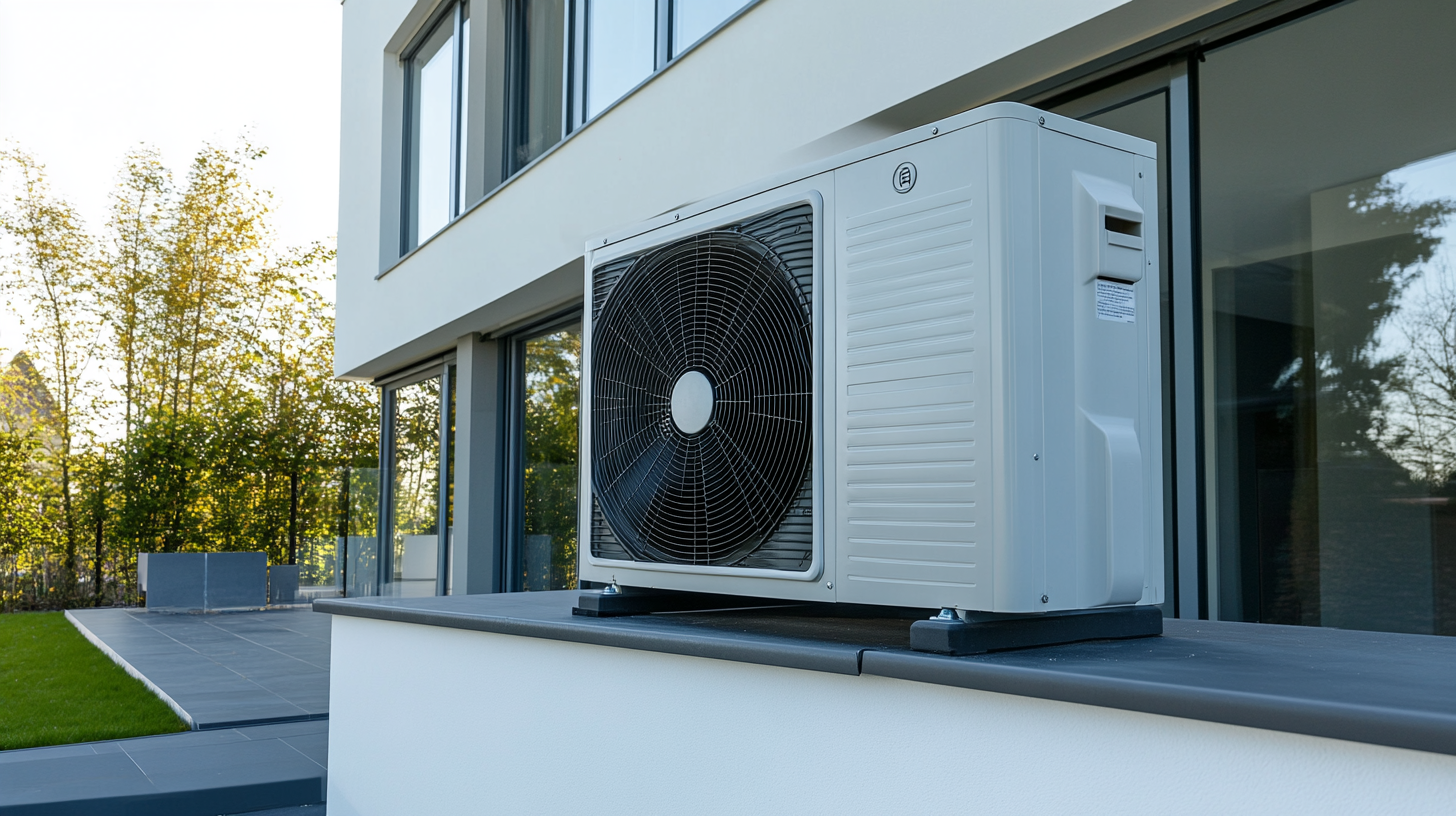
The efficiency of heat pumps: Expert opinions and key aspects – It can't be said often enough! – Image: Xpert.Digital
The silent revolution: Why heat pumps should have a place in every home
Heating without compromise: How efficient and climate-friendly modern heat pumps are
Heat pumps have established themselves in recent years as one of the most advanced technologies for heating and cooling buildings. Their ability to efficiently utilize ambient energy makes them an attractive alternative to conventional heating systems based on fossil fuels. Experts worldwide emphasize the outstanding performance and high efficiency of heat pumps, making them a central element in the discussion about sustainable energy solutions.
Basic principle and efficiency
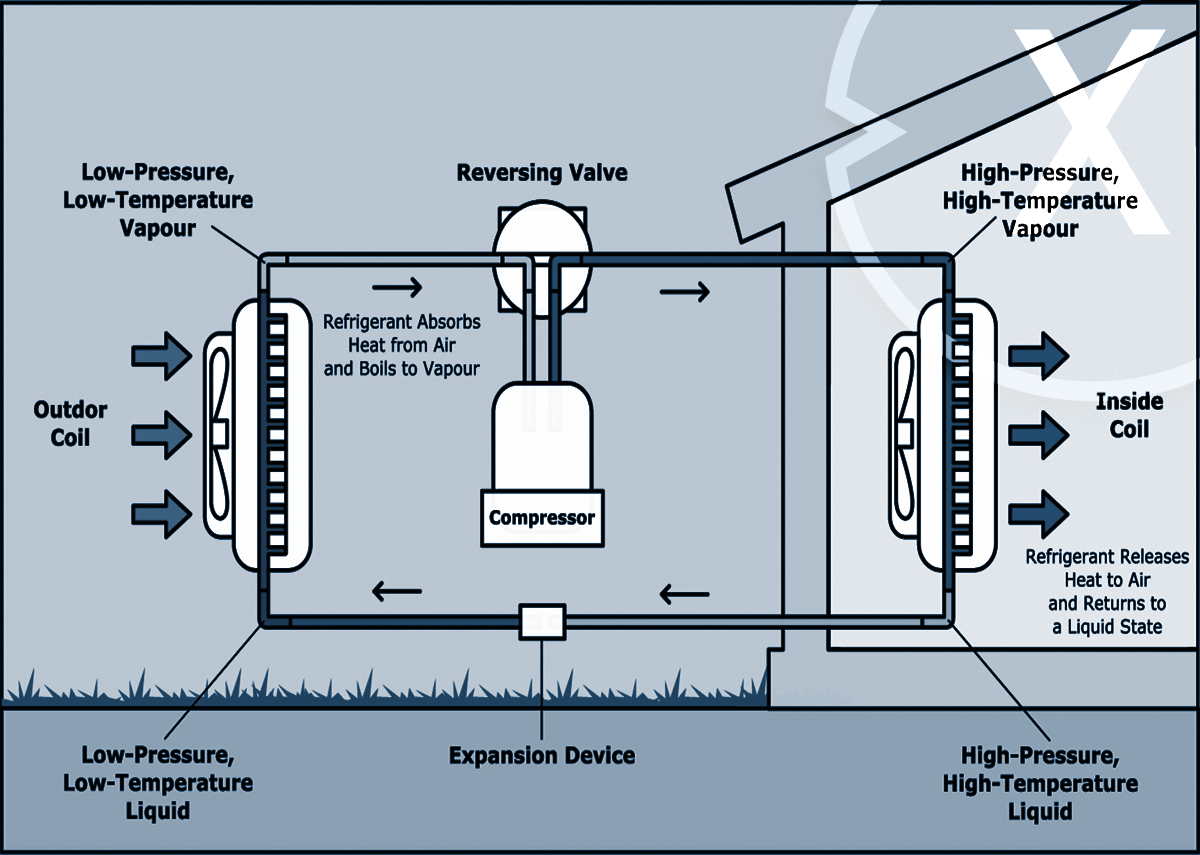
The operating principle of a heat pump is based on the transfer of thermal energy from a lower temperature source to a higher temperature level. In this process, ambient energy is extracted from the air, ground, or water and converted into usable heat for heating and hot water. Heat pumps can generate 2.5 to 5 times the amount of thermal energy from one kilowatt-hour of electricity, corresponding to an efficiency of 250 to 500 percent. In comparison, modern oil or gas heating systems achieve efficiencies of around 80 to 90 percent. This significant difference results from heat pumps' use of free and virtually inexhaustible ambient energy.
Types of heat pumps
There are different types of heat pumps, which vary depending on the heat source and area of application:
- Air-to-water heat pumps: They use the outside air as a heat source and are particularly easy to install, as no drilling or earthworks are required.
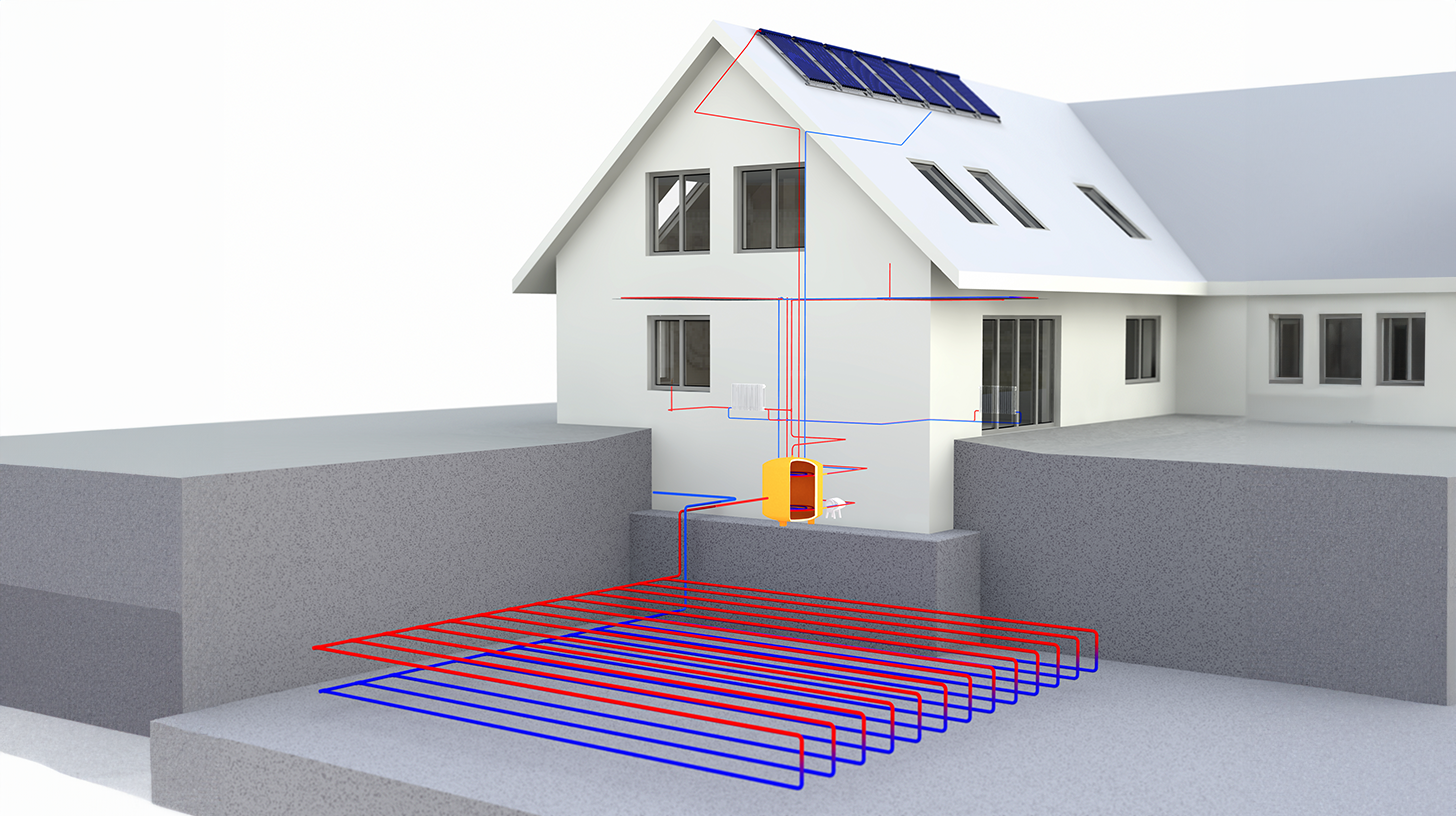
- Ground-source heat pumps: These extract thermal energy from the ground. They require the installation of ground collectors or geothermal probes, but offer higher efficiency due to the constant ground temperature.
- Water-to-water heat pumps: These use groundwater as a heat source, which allows for very high efficiency. However, installation is more complex due to legal and technical requirements.
The meaning of the seasonal performance factor (SPF)
The seasonal performance factor (SPF) is a crucial indicator of a heat pump's efficiency over an entire year. An SPF of 4.0 means that the heat pump generates 4 kilowatt-hours of heat from 1 kilowatt-hour of electricity. The higher the SPF, the more efficiently the heat pump operates. Factors influencing the SPF include the quality of the installation, the type of heating system (e.g., underfloor heating vs. radiators), and the building's energy efficiency. A well-insulated house allows for a higher SPF because the heat pump can operate with lower flow temperatures.
Efficiency in cold regions
A frequently expressed concern is the performance of heat pumps in cold climates. However, Scandinavian countries such as Sweden, Norway, and Finland have demonstrated that heat pumps can operate efficiently even at low outdoor temperatures. Modern heat pumps are designed to extract heat from the environment even at temperatures as low as -20°C. The widespread use of heat pumps in these countries underscores their reliability and efficiency under extreme conditions.
Environmental friendliness and CO₂ reduction
The use of heat pumps contributes significantly to reducing CO₂ emissions. Since they primarily utilize ambient energy and require only a small amount of electrical energy, they considerably reduce the demand for fossil fuels. If the required electricity comes from renewable sources, operating a heat pump can be virtually climate-neutral. This supports the goals of the energy transition and makes an important contribution to climate protection.




Economic aspects and funding opportunities
Although the initial investment for heat pumps may be higher than for conventional heating systems, this investment often pays for itself through lower operating costs and the long lifespan of the systems. Furthermore, many countries offer government subsidy programs, low-interest loans, or tax breaks to facilitate the switch to heat pump technology. These financial incentives reduce the initial investment and increase the attractiveness of heat pumps for homeowners and businesses.
Integration into intelligent energy systems
Heat pumps can be seamlessly integrated into intelligent energy systems and smart grids. Combined with photovoltaic systems, buildings can operate almost entirely energy self-sufficiently. Excess solar energy can be used to power the heat pump, optimizing self-consumption and reducing grid load. Furthermore, intelligent control systems allow operation to be adapted to variable electricity tariffs, which can lead to further cost savings.
Technological advancements
Continuous research and development in heat pump technology is leading to increasingly efficient and powerful systems. Advances in refrigerants, the use of more environmentally friendly substances with lower global warming potential, and improved compressor technologies are contributing to increased efficiency and environmental compatibility of heat pumps. Noise levels have also been significantly reduced in modern models, making them suitable for use in densely populated areas.
Challenges and solutions
Despite the many advantages, there are also challenges in the implementation of heat pumps:
- Space requirements: Some heat pump systems, especially those with geothermal probes, require sufficient space for installation and drilling.
- Initial costs: The higher acquisition costs can pose a hurdle, although savings are possible in the long term.
- Professional installation: The efficiency of a heat pump depends heavily on professional planning and installation.
These challenges can be overcome through careful planning, consultation, and the use of subsidies. Furthermore, the training of skilled personnel helps to ensure the quality of installations and maximize the efficiency of the systems.
Heating market & heat pump industry – figures, data, facts and background information
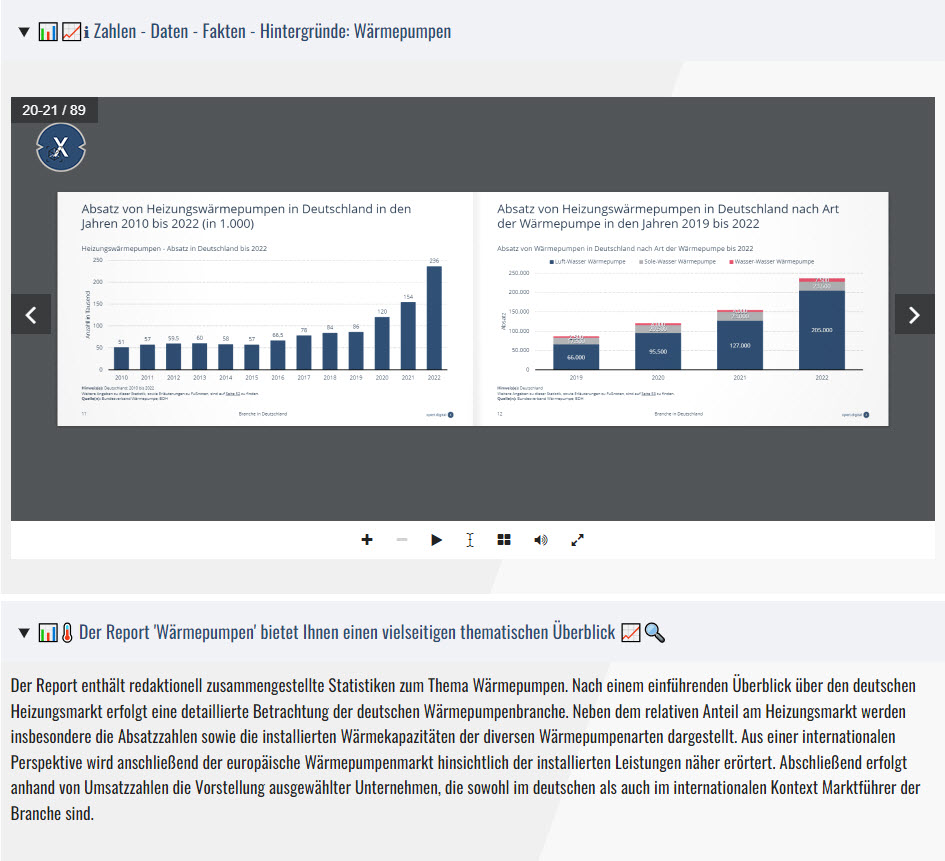

Heating market & heat pump industry – figures, data, facts and background information – Image: Xpert.Digital
Application examples and success stories
Heat pumps have proven their effectiveness in numerous projects worldwide. From single-family homes and apartment complexes to commercial and industrial applications, heat pumps are being used successfully. For example, some municipalities in Germany have equipped entire residential areas with heat pumps, resulting in significant energy savings and improved air quality.
Given rising energy costs and the global focus on climate protection, heat pumps will play an even greater role in the future. The technology offers the potential to sustainably transform the building sector and reduce dependence on fossil fuels. With further innovations and increased political support, heat pumps could become standard in new buildings and renovations.
The high efficiency of heat pumps makes them a key technology for a sustainable energy future. Their ability to effectively utilize ambient energy while reducing energy consumption and CO₂ emissions represents a significant advantage over traditional heating systems. Through integration into smart energy systems and continuous technological advancements, heat pumps offer solutions to the challenges of climate change and energy supply. With increasing acceptance and support from policymakers and society, heat pumps face a promising future in which they will make a significant contribution to the global energy transition.
Related to this: