
Wirtschaftsfairness = Vertrauen: Europas heimlicher Trumpf – Warum das Silicon Valley gerade seinen wichtigsten Rohstoff verspielt – Bild: Xpert.Digital
Unterschätzte Supermacht: Wie Europas „Bürokratie“ plötzlich zum Albtraum für Big Tech wird
Token-Explosion & Spionage-Gesetze: Das bittere Erwachen der deutschen Wirtschaft in der Cloud
Die große KI-Kostenfalle: Warum Unternehmen massiv aus der US-Cloud fliehen
Europa gilt im globalen Tech-Rennen oft als der langsame, überregulierte Beobachter, während die USA und China mit Künstlicher Intelligenz und gigantischen Cloud-Infrastrukturen die Märkte dominieren. Doch dieser oberflächliche Blick täuscht. Hinter der Kulisse der rasenden Innovation bröckelt das Fundament der Tech-Giganten aus dem Silicon Valley: Sie verspielen den wichtigsten Rohstoff der digitalen Wirtschaft – das Vertrauen. Explodierende Kosten durch undurchsichtige KI-Token-Modelle, der umstrittene US-CLOUD-Act und eklatante Datenschutzrisiken treiben Unternehmen zunehmend in die Enge. Plötzlich erweist sich Europas viel gescholtene Regulierungswut nicht als Innovationsbremse, sondern als mächtiger strategischer Wettbewerbsvorteil. Dieser Text beleuchtet, warum Rechtssicherheit, Datensouveränität und Wirtschaftsfairness die wahren Währungen der kommenden Dekade sind – und wie Europa sich still und leise für ein historisches Comeback positioniert.
Passend dazu:


Warum Europas vermeintliche Schwäche zum strategischen Joker wird – und warum das Silicon Valley gerade seinen wichtigsten Rohstoff verspielt
Vertrauen als unsichtbare Währung der digitalen Wirtschaft
Die Welt staunt. Die USA und China rasen mit atemberaubendem Tempo durch die digitale Revolution — Cloud-Infrastrukturen im Petabyte-Maßstab, Sprachmodelle, die menschliche Intelligenz imitieren, Elektrofahrzeuge, die ganze Industriezweige auf den Kopf stellen. Europa? Schaut zu, reguliert, mahnt. Die Erzählung vom bürokratischen, innovationsfeindlichen Kontinent hat sich in vielen Analysten-Köpfen festgesetzt wie ein geölter Türstopper. Doch diese Erzählung ignoriert systematisch den entscheidenden Faktor jeder nachhaltigen Wirtschaftsordnung: Vertrauen. Nicht als Soft Skill oder moralische Kategorie, sondern als harter ökonomischer Produktionsfaktor, der Transaktionskosten senkt, Investitionsentscheidungen ermöglicht und Lieferketten zusammenhält. Und genau in dieser Währung sind die USA und China strukturell bankrott — während Europa still und leise seinen Kontostand aufbaut.
Turbo auf der Überholspur — aber wohin führt die Fahrt?
Wenn man die schiere Innovationsdichte der letzten Jahre betrachtet, ist das Staunen berechtigt. Die großen US-amerikanischen Technologiekonzerne haben in einer historisch beispiellosen Zeitspanne digitale Infrastrukturen errichtet, die buchstäblich das Rückgrat der modernen Weltwirtschaft bilden. Microsoft Azure, Amazon Web Services und Google Cloud kontrollieren gemeinsam rund 70 Prozent des europäischen Cloud-Marktes, der 2024 ein Volumen von rund 61 Milliarden Euro erreicht hat. Das ist keine Marktposition — das ist Marktdominanz. Chinas Ambitionen in Halbleitern, erneuerbaren Energien und KI-Infrastruktur sind ebenfalls von einer Entschlossenheit getragen, die europäische Industrieplaner nachts wachhält.
Doch Geschwindigkeit und Marktmacht allein sind noch keine wirtschaftliche Überlegenheit. Jede Technologie, so brillant sie auch konstruiert sein mag, existiert nicht im Vakuum. Sie braucht Partner, die sie einsetzen. Vertriebskanäle, die sie verbreiten. Netzwerke, die sie integrieren. Und vor allem Kunden, die ihr vertrauen — die bereit sind, ihre sensibelsten Daten, ihre Geschäftsgeheimnisse, ihre strategischen Entscheidungsprozesse in die Hände dieser Systeme zu legen. Genau hier beginnt die eigentliche Analyse — und genau hier beginnen die Risse im Fundament des amerikanischen wie chinesischen Dominanzanspruchs sichtbar zu werden.
Der US-CLOUD-Act: Ein Gesetz, das mehr schadet als nützt
Kaum ein Regulierungsakt der letzten Dekade hat die transatlantischen Wirtschaftsbeziehungen so tiefgreifend und so nachhaltig erschüttert wie der Clarifying Lawful Overseas Use of Data Act — kurz: der CLOUD Act. Seit seiner Verabschiedung im Jahr 2018 verpflichtet dieses US-Bundesgesetz amerikanische Unternehmen, auf Anforderung von US-Behörden Daten herauszugeben — unabhängig davon, wo diese Daten physisch gespeichert sind. Ein Rechenzentrum in Frankfurt, ein Server in Paris, ein Datensilo in Amsterdam: Wenn der Betreiber US-amerikanischem Recht unterliegt, können US-Ermittlungsbehörden ohne Einbindung europäischer Gerichte und ohne Benachrichtigung der betroffenen Unternehmen oder Personen Zugriff verlangen.
Die rechtliche Kollision mit der europäischen Datenschutz-Grundverordnung (DSGVO) ist dabei keine akademische Spitzfindigkeit, sondern ein praktisches Compliance-Desaster. Nach Artikel 48 DSGVO ist die Übermittlung personenbezogener Daten in Drittstaaten nur auf klar definierter rechtlicher Grundlage erlaubt — in der Regel über bilaterale Rechtshilfeabkommen, sogenannte MLATs. Der CLOUD Act umgeht genau diese Mechanismen und schafft damit eine Situation, in der europäische Unternehmen strukturell zwischen zwei unvereinbaren Rechtsordnungen gefangen sind: Entweder sie erfüllen US-Vorladungen und verstoßen möglicherweise gegen die DSGVO, oder sie verweigern die Herausgabe und riskieren rechtliche Konsequenzen in den USA.
Der Europäische Gerichtshof hat diese Grundproblematik in seinen wegweisenden Urteilen Schrems I (2015) und Schrems II (2020) bereits klar benannt und die entsprechenden transatlantischen Datenübertragungsabkommen Safe Harbor sowie Privacy Shield für ungültig erklärt, weil US-Gesetze wie FISA Section 702 einen wirksamen Datenschutz für europäische Bürger verhindern. Das dritte potenzielle Abkommen, das EU-US Transatlantic Data Privacy Framework, ist vor dem Europäischen Gerichtshof angefochten und könnte dasselbe Schicksal erleiden — eine rechtliche Dauerkrise, die Planungssicherheit systematisch unterminiert.
Microsofts Bekenntnis unter Eid: Der Tropfen, der das Fass zum Überlaufen brachte
Im Juli 2025 ereignete sich, was viele schon lange ahnten, aber niemand offiziell bestätigt hatte: Ein Manager von Microsoft erklärte, dass nicht garantiert werden könne, dass keine Daten an US-Behörden weitergegeben werden. Noch gravierender: Der Chefjustiziar von Microsoft Frankreich sagte unter Eid aus, dass Zugriffe aus den USA auf die EU-Cloud nicht verhindert werden können. Technische Konstruktionen wie Microsofts sogenannte EU-Datengrenze — mit der ausschließlichen Verarbeitung in der EU, Betreuung durch EU-Personal und Kontrolle über kryptografische Schlüssel — sind damit als Sicherheitsversprechen entkräftet, denn die rechtliche Zugriffsmöglichkeit aus den USA besteht weiterhin und unverändert.
Die Stiftung Datenschutz in Deutschland beschreibt die Tragweite dieser Enthüllung präzise: Die Herausgabepflicht gemäß dem CLOUD Act betrifft alle Unternehmen, die an der US-Börse gelistet sind — und damit selbst die Deutsche Telekom. Das bedeutet: Die Vorstellung, man könne durch die Wahl eines deutschen oder europäischen Tochterunternehmens eines börsennotierten US-Konzerns Datensicherheit im rechtlichen Sinne gewährleisten, ist schlicht falsch. Für Behörden, kritische Infrastrukturen, Gesundheitseinrichtungen und Unternehmen mit sensiblen Geschäftsgeheimnissen ist diese Erkenntnis keine theoretische Bedrohung, sondern ein operatives Risiko erster Ordnung.
Die Reaktion in der deutschen Wirtschaft ist entsprechend. Laut dem Bitkom Cloud Report 2025 achten 97 Prozent der befragten Unternehmen auf die Herkunft ihres Cloud-Anbieters, und 67 Prozent halten das Herkunftsland sogar für zwingend relevant. 82 Prozent wünschen sich starke europäische Cloud-Anbieter. Eine Deloitte-Erhebung aus dem April 2026 zeigt, dass 63 Prozent der Deutschen eine wachsende Abhängigkeit von ausländischen Anbietern sehen und europäische Cloud-Dienste klar favorisiert werden. Das Bewusstsein ist angekommen — der Markt beginnt, daraus Konsequenzen zu ziehen.
Die Token-Falle: Wenn der KI-Hype zur Kostenfalle wird
Neben dem strukturellen Vertrauensproblem formiert sich ein weiteres, höchst handfestes ökonomisches Risiko: die explodierende Kostendynamik rund um KI-Dienste, die auf tokenbasierter Abrechnung beruhen. Was lange Zeit als günstige, skalierbare Lösung vermarktet wurde, entpuppt sich für viele Unternehmen als finanzieller Albtraum.
Vier US-Technologiekonzerne kontrollieren derzeit den globalen Markt für KI-Infrastruktur, was Verhandlungsmacht und Planbarkeit für alle anderen Marktteilnehmer massiv einschränkt. Token-Kosten bei Cloud-KI-Diensten sind kein Fixkostenpunkt mehr, sondern skalieren mit jeder Anfrage, jedem verarbeiteten Dokument, jeder automatisierten Workflow-Stufe. In manchen Unternehmensszenarien haben sich diese Kosten bereits verzehn- oder verzwanzigfacht gegenüber frühen Pilotphasen. Was im internen Proof of Concept noch wirtschaftlich erschien, erweist sich im produktiven Betrieb als nichtlineares Kostenwachstum, das kein klassisches Jahresbudget abbilden kann.
Die FinOps Foundation berichtete, dass 73 Prozent aller Unternehmen im Jahr 2026 mit ihren KI-Ausgaben die ursprünglichen Projektionen überschritten. J.R. Storment, Geschäftsführer der FinOps Foundation, beschrieb gegenüber TechCrunch Szenarien, in denen Unternehmen bereits im April 2026 ihr gesamtes Jahresbudget für Token aufgebraucht hatten. Agentic Workflows — also KI-Systeme, die autonom mehrere Schritte ohne menschlichen Eingriff ausführen — verbrauchen laut Studien fünf- bis dreißigmal mehr Token als einfache Chat-Interaktionen. Wer KI-Budgets auf Basis von Pilotprojekten geplant hat und dann auf produktive Agentensysteme umstellt, multipliziert seine Kosten auf eine Weise, die strukturell nicht planbar ist.
Goldman Sachs prognostiziert, dass der globale Token-Konsum bis 2030 um das 24-Fache auf 120 Billiarden Token pro Monat steigen wird. Das ist keine Wachstumsgeschichte — das ist eine tickende Kosten-Zeitbombe für jeden Betrieb, der seine kritischen Prozesse auf proprietäre Plattformen von vier US-Konzernen aufgebaut hat. Der Wechsel auf andere Modelle ist durch Lock-in-Effekte systematisch erschwert: proprietäre APIs, inkompatible Modellarchitekturen, fehlende Datenportabilität. Die klassische Abzocke durch Abhängigkeit, nur diesmal mit dem Anstrich von Innovation.
Meta, Grok & Co.: Kein ernsthaftes Fundament für die Unternehmensinfrastruktur
Die Frage, welche Unternehmen ernsthaft und dauerhaft auf Plattformen wie Meta AI oder Grok setzen können, beantwortet sich bei näherer Betrachtung weitgehend von selbst. Meta trainiert seine KI-Modelle standardmäßig auf Nutzerdaten aus Instagram, Facebook und WhatsApp — oft ohne explizite Einwilligung und mit Opt-out-Mechanismen, die kaum auffindbar sind. Die irische Datenschutzbehörde hat gegen X (ehemals Twitter) Klage eingereicht, weil Grok mit EU-Nutzerdaten trainiert wurde, ohne deren rechtlich wirksame Zustimmung einzuholen. Ermittlungen laufen in beiden Fällen noch.
Für ein mittelständisches Unternehmen, das seine Vertragskorrespondenz, seine Kundendaten oder seine strategischen Planungsdokumente in solche Ökosysteme einbringt, entsteht eine rechtliche Grauzone mit potenziell erheblichen DSGVO-Konsequenzen. Besonders kritisch: Wenn Mitarbeiter Meta-Dienste beruflich nutzen, können vertrauliche Informationen unbeabsichtigt über KI-Analysemechanismen in Echtzeit weitergeleitet werden — ohne bewusste Zustimmung und ohne transparente Dokumentation. Die Frage ist also nicht ideologischer, sondern schlicht betriebswirtschaftlicher Natur: Kann ich Risikomanagement betreiben, wenn mein Werkzeugkasten aus Blackboxes besteht, die US-Behörden auf Abruf offenstehen und deren Betreiber Datenschutzrechte instrumentalisieren, solange niemand klagt?
Kein seriöses Unternehmen mit Haftungsverantwortung, Compliance-Anforderungen und echten Geschäftsgeheimnissen kann diese Frage mit Ja beantworten. Der Hype um diese Tools speist sich aus Abteilungen, die schnelle Effizienz suchen, nicht aus Unternehmensleitungen, die langfristige Risiken abwägen. Wenn der Hype sich setzt — und das tut er, sobald die Rechnungen eingehen —, wird die Rechnung auch in der Governance-Etage ankommen.
Unsere EU- und Deutschland-Expertise in Business Development, Vertrieb und Marketing


Unsere EU- und Deutschland-Expertise in Business Development, Vertrieb und Marketing - Bild: Xpert.Digital
Branchenschwerpunkte: B2B, Digitalisierung (von KI bis XR), Maschinenbau, Logistik, Erneuerbare Energien und Industrie
Mehr dazu hier:
Ein Themenhub mit Einblicken und Fachwissen:
- Wissensplattform rund um die globale wie regionale Wirtschaft, Innovation und branchenspezifische Trends
- Sammlung von Analysen, Impulsen und Hintergründen aus unseren Schwerpunktbereichen
- Ein Ort für Expertise und Informationen zu aktuellen Entwicklungen in Wirtschaft und Technologie
- Themenhub für Unternehmen, die sich zu Märkten, Digitalisierung und Brancheninnovationen informieren möchten
Vertrauen statt Tempo: Wie Regulierung die digitale Zukunft sichert
Europas regulatorische Bürokratie als unterschätzter Wettbewerbsvorteil
Es ist ein reflexartiges Muster in der Tech-Debatte: Wenn Europa reguliert, wird von Innovationsbremse gesprochen. Wenn die USA regulieren, spricht man von Order und Governance. Diese Asymmetrie verdeckt eine fundamentale ökonomische Wahrheit: Regelwerke, die Verhalten vorhersehbar machen, sind kein Feind der Wirtschaft — sie sind ihre Voraussetzung.
Die DSGVO, so oft als Hemmnis dargestellt, schafft im globalen Kontext etwas von unschätzbarem Wert: ein klares, durchsetzbares Recht auf informationelle Selbstbestimmung, das Unternehmen einen verlässlichen Rahmen für Datenhaltung und -verarbeitung gibt. Der Digital Markets Act (DMA), der seit 2023 in seiner vollen Anwendungsphase ist, untersagt großen Digitalplattformen als sogenannten Gatekeepern spezifische Verhaltensweisen — etwa die bevorzugte Behandlung eigener Dienste beim Ranking, das Erzwingen von gekoppelten Diensten oder die Verweigerung von Datenportabilität. Verstöße können mit bis zu zehn Prozent des weltweiten Jahresumsatzes, bei Wiederholung mit bis zu zwanzig Prozent bestraft werden.
Was wie eine Belastung wirkt, ist in Wirklichkeit die Grundlage für einen Markt, in dem kleine und mittlere Unternehmen faire Bedingungen vorfinden, Kunden nicht in Plattform-Ökosysteme eingesperrt werden und Geschäftspartner einander vertrauen können, weil ein gemeinsames Rechtsverständnis existiert. Das Edelman Trust Barometer 2025 zeigt, dass Vertrauen als Wirtschaftsfaktor in B2B-Beziehungen kaufentscheidend ist: 77 Prozent der Befragten finden Unternehmen mit einem seriösen Servicesiegel vertrauenswürdiger, und eine klare Mehrheit bevorzugt Produkte und Partner, bei denen Regeln und Zertifizierungen nachvollziehbar sind. Europa liefert genau diese Grundlage — strukturell, rechtlich und kulturell.
Passend dazu:

Die Marktanteil-Paradoxie und das strategische Fenster
Es wäre unredlich, die derzeitige Schwäche europäischer Cloud-Anbieter kleinzureden. AWS, Microsoft Azure und Google Cloud kontrollieren zusammen rund 70 Prozent des europäischen Marktes. Europäische Anbieter halten nur noch etwa 15 Prozent — ein dramatischer Rückgang gegenüber 29 Prozent im Jahr 2017. Gaia-X, Europas Vorzeigeprojekt für eine souveräne Cloud-Infrastruktur, steckt operativ noch in den Kinderschuhen — konzeptionell vielversprechend, praktisch aber noch weit entfernt von echter Konkurrenzfähigkeit gegenüber den US-Hyperscalern.
Aber: Der Markt verschiebt sich, und zwar strukturell und nicht nur stimmungsmäßig. Eine Deloitte-Studie aus dem Juni 2026 zeigt eine wachsende Nachfrage nach europäischen Cloud-Diensten, angetrieben durch regulatorische Risiken, geopolitische Unsicherheit und verschärfte Compliance-Anforderungen. 73 Prozent der Deutschen sehen laut derselben Studie sichere digitale Infrastruktur als staatliche Aufgabe. Europäische Anbieter wie IONOS und OVHcloud wachsen in einem Marktumfeld, das ihnen zuvor nicht zugänglich schien. Das strategische Fenster, das sich durch die Vertrauenskrise der US-Plattformen öffnet, ist real — die Frage ist, ob Europa schnell genug investiert, um es zu nutzen.
Dabei geht es nicht nur um Cloud-Infrastruktur. Der Vertrauensbonus erstreckt sich auf jedes Segment der digitalen Wirtschaft, in dem Datensouveränität, Rechtssicherheit und langfristige Verlässlichkeit entscheidend sind: Gesundheitsdaten, Finanztransaktionen, Produktionssteuerung in kritischen Infrastrukturen, KI-gestützte Entscheidungssysteme in der öffentlichen Verwaltung. In all diesen Bereichen ist der Anbieter, der unter europäischem Recht operiert, strukturell im Vorteil — nicht weil er billiger oder schneller ist, sondern weil er der einzige ist, dem gegenüber eine echte Rechenschaftspflicht besteht.
Das arrogante Missverständnis von Big Tech: Marktmacht als Beziehungsersatz
Der tiefste strategische Fehler von Google, Amazon und Microsoft besteht nicht in schlechter Produktqualität. Ihre Produkte sind technisch oft exzellent. Der Fehler besteht im Glauben, dass technische Überlegenheit und Marktmacht dauerhaft Vertrauensdefizite kompensieren können. Das ist wirtschaftshistorisch naiv.
Vertrauen in Geschäftsbeziehungen ist nicht symmetrisch zu Abhängigkeit. Man kann von einem Anbieter abhängig sein und ihm trotzdem misstrauen — und genau das ist die Lage, in der sich Millionen europäische Unternehmen befinden, wenn sie US-Cloud-Dienste nutzen. Sie nutzen sie, weil der Wechsel teuer ist, weil die Alternativen noch nicht vollständig konkurrenzfähig sind, weil der Betrieb nicht unterbrochen werden kann. Aber sie vertrauen ihnen nicht. Und dieses erzwungene Abhängigkeitsverhältnis ist kein stabiles Geschäftsmodell — es ist ein aufgestauter Wechselwille, der sich entlädt, sobald Alternativen greifbar werden.
Die Reaktion der großen Anbieter auf diese Realität war bisher wenig überzeugend. Technische Fassaden wie EU-Datengrenzen, souveräne Cloud-Labels oder DSGVO-Compliance-Versprechen wurden konsequent durch Gerichtsurteile und Aussagen unter Eid demontiert. Gleichzeitig verschärft sich das Pricing-Regime: nutzungsbasierte Abrechnung bei KI, steigende Lizenzkosten bei Unternehmensprodukten, erzwungene Bundle-Käufe — das Gefühl, ständig abgezockt zu werden, ist keine Einbildung, sondern Marktstruktur. Und an dem Tag, an dem Unternehmen ihr Lock-in durchbrechen können, werden sie es tun.
Passend dazu:


Wirtschaftsfairness: Der Begriff, der die digitale Wirtschaft der nächsten Dekade prägen wird
Es braucht keinen großen prophetischen Instinkt, um zu erkennen, dass der Begriff Wirtschaftsfairness in den nächsten Jahren in der digitalen Wirtschaft dieselbe Durchschlagskraft entwickeln wird, die Nachhaltigkeit vor zwanzig Jahren in der Konsumgüterwirtschaft hatte. Der Mechanismus ist identisch: Zuerst marginalisierte Forderungen von Regulierern und Aktivisten, dann wachsendes Medienecho, dann Verschiebung in der öffentlichen Wahrnehmung, dann veränderte Einkaufsentscheidungen, dann schließlich die Neukonfiguration von Lieferketten und Investitionsströmen.
Der Digital Markets Act ist der erste systematische legislative Versuch, Wirtschaftsfairness auf digitalen Märkten rechtlich zu verankern. Seine Gatekeeper-Regeln — sechs Konzerne wurden zunächst identifiziert: Alphabet, Amazon, Apple, ByteDance, Meta und Microsoft — definieren ein Grundgerüst fairer Verhaltensweisen, das Marktmacht nicht verbietet, aber deren Missbrauch strukturell verhindert. Das ist kein sozialistischer Eingriff in freie Märkte, sondern die marktwirtschaftliche Erkenntnis, dass Wettbewerb eine Voraussetzung für Märkte ist, keine Selbstverständlichkeit.
Die ökonomische Logik dahinter ist bestechend: Auf einem Markt, auf dem vier Anbieter die Infrastruktur kontrollieren, die Preise festlegen und die Wechselkosten bestimmen, hört Wettbewerb faktisch auf zu existieren. Was bleibt, ist ein Oligopol, das sich als Markt verkleidet. Die europäische Regulierung greift genau diesen Mechanismus an — nicht perfekt, nicht ohne Vollzugsprobleme, aber im Grundansatz richtig. Und während US-amerikanische Regulierer jahrzehntelang nach der Devise handelten, dass Marktkonzentration durch Innovation selbst behoben wird, zeigt die Realität der letzten fünfzehn Jahre das Gegenteil: Konzentration schützt Konzentration, Netzwerkeffekte stärken Monopole, und Lock-in verhindert den kreativen Zerstörungsmechanismus, den Schumpeter noch für selbstverständlich hielt.
Die Zukunft gehört dem, dem vertraut wird
Es wäre falsch, aus dieser Analyse eine naive Triumphbotschaft für Europa zu destillieren. Europa hat echte strukturelle Defizite: zu wenig Venture Capital, zu fragmentierte Märkte, zu langsame Verwaltungsprozesse, zu wenig eigene Hardware-Souveränität. Die Aufholjagd in Cloud-Infrastruktur, KI-Modellentwicklung und Halbleitertechnologie ist real und darf nicht schöngeredet werden.
Aber die wirtschaftshistorische Analyse zeigt ein wiederkehrendes Muster: In Perioden technologischer Disruption dominieren zunächst die Schnellen. Dann, wenn die Technologie Einzug in die Breite der Wirtschaft hält, dominieren die Verlässlichen. Das Internet-Boom-Zeitalter der späten 1990er Jahre wurde von Dot-com-Raketenflügen dominiert — und von Unternehmen geerbt, die Geschäftsmodelle mit echter Substanz aufgebaut hatten. Die Cloud-Revolution der 2010er Jahre wurde von Erstanbietern geprägt — und die Konsolidierung läuft seither. Die KI-Revolution der 2020er Jahre folgt demselben Muster: Derzeit dominieren diejenigen, die zuerst da waren und die lauteste Geschichte erzählen.
Was am Ende zählt, ist nicht die Geschichte, sondern das Fundament. Und das Fundament einer funktionierenden Wirtschaft ist Vertrauen. Vertrauen, dass Verträge eingehalten werden. Vertrauen, dass Daten nicht an fremde Behörden weitergeleitet werden. Vertrauen, dass der Partner von morgen noch da ist und nicht in einem Silicon-Valley-Merger aufgegangen ist. Vertrauen, dass die Kostenbasis planbar ist und nicht durch einseitige Preisänderungen gesprengt wird. Vertrauen, dass ein Streitfall vor einem Gericht verhandelt wird, das für beide Seiten gilt.
Neue Wettbewerber am Horizont — technisch kompetente, regulatorisch konforme, datensouveräne Anbieter mit europäischem Rechtsrahmen — verstehen genau diese Diskrepanz. Sie bauen nicht nur Produkte; sie bauen Vertrauensarchitekturen. Und das ist keine Marketingaussage, sondern ein ökonomisches Geschäftsmodell für eine Wirtschaft, die Planungssicherheit braucht wie Luft zum Atmen.
Die Unternehmen, die Google, Amazon und Microsoft gerade unter Druck setzen, werden nicht zwingend technisch überlegene Produkte bauen. Sie werden Produkte bauen, die genauso gut funktionieren — und bei denen man sicher sein kann, dass man nicht über den Tisch gezogen wird. In einer Welt, in der das Token-Budget explodiert, der CLOUD Act jeden Anruf abhören kann und der nächste Datenschutzskandal nur eine Aussage unter Eid entfernt ist, ist das ein Wertversprechen, für das ernstzunehmende Unternehmen sogar mehr zu zahlen bereit sind.
Die stille Revolution der Zuverlässigkeit
Europa hat eine Chance — und sie ist größer, als es scheint. Nicht weil Europa technologisch führt, sondern weil es etwas bietet, das USA und China strukturell nicht liefern können: ein stabiles, verlässliches, rechtlich durchsetzbares Umfeld, in dem wirtschaftliche Beziehungen auf echtem Vertrauen basieren können. Das ist keine Schwäche. Das ist das Gold für eine nachhaltige digitale Wirtschaft.
Die Frage ist nicht, ob Europa schneller werden muss. Die Frage ist, ob Europa klug genug ist, seinen fundamentalen Wettbewerbsvorteil — Rechtssicherheit, Planbarkeit, Datensouveränität, wirtschaftliche Fairness — als strategisches Kapital zu begreifen und gezielt in Technologieführerschaft zu übersetzen. Denn Vertrauen kann man nicht downloaden. Es wächst langsam, in Institutionen, in Normen, in gelebter Verlässlichkeit. Europa hat Jahrzehnte in diesen Aufbau investiert. Diese Investition zahlt sich jetzt aus — leise, unsichtbar, aber mit einer Langfristwirkung, die jeden Turbo auf der Überholspur irgendwann einholt.
Wirtschaftsfairness wird kein Nischenthema bleiben. Es wird der Wettbewerbsbegriff der kommenden Dekade sein. Und Europa ist der einzige große Wirtschaftsraum, der diesen Begriff ernsthaft buchstabieren kann.
Ihr globaler Marketing und Business Development Partner
☑️ Unsere Geschäftssprache ist Englisch oder Deutsch
☑️ NEU: Schriftverkehr in Ihrer Landessprache!

Konrad Wolfenstein
Gerne stehe ich Ihnen und mein Team als persönlicher Berater zur Verfügung.
Sie können mit mir Kontakt aufnehmen, indem Sie hier das Kontaktformular ausfüllen oder rufen Sie mich einfach unter +49 7348 4088 965 an. Meine E-Mail Adresse lautet: wolfenstein∂xpert.digital
Ich freue mich auf unser gemeinsames Projekt.
☑️ KMU Support in der Strategie, Beratung, Planung und Umsetzung
☑️ Erstellung oder Neuausrichtung der Digitalstrategie und Digitalisierung
☑️ Ausbau und Optimierung der internationalen Vertriebsprozesse
☑️ Globale & Digitale B2B-Handelsplattformen
☑️ Pioneer Business Development / Marketing / PR / Messen
🎯🎯🎯 Datengetriebener B2B-Industry-Hub als Quasi-Inhouse-Lösung

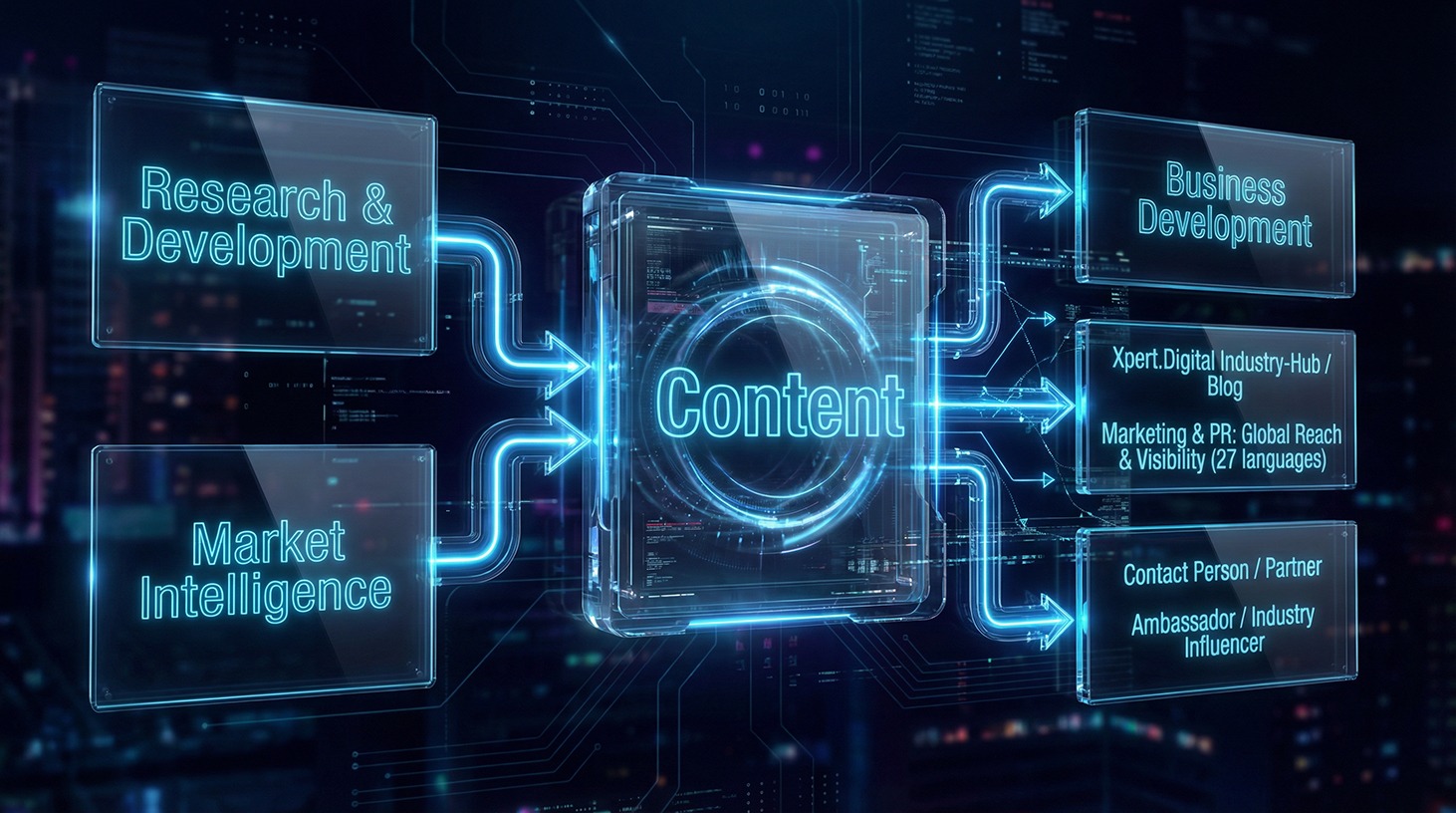
Die Quasi-Inhouse-Lösung: Wie Xpert.Digital operative Lücken in B2B-Marketing und Vertrieb schließt – Smart Content-Driven Business - Bild: Xpert.Digital
Xpert.Digital ist ein von Konrad Wolfenstein geführter, datengetriebener B2B-Industry-Hub. Das Unternehmen agiert als externe Quasi-Inhouse-Lösung für Industriepartner und schließt operative Lücken in Marketing, Content und Vertrieb – ohne zusätzlichen Ressourcenaufbau auf Kundenseite.
Mehr dazu hier: