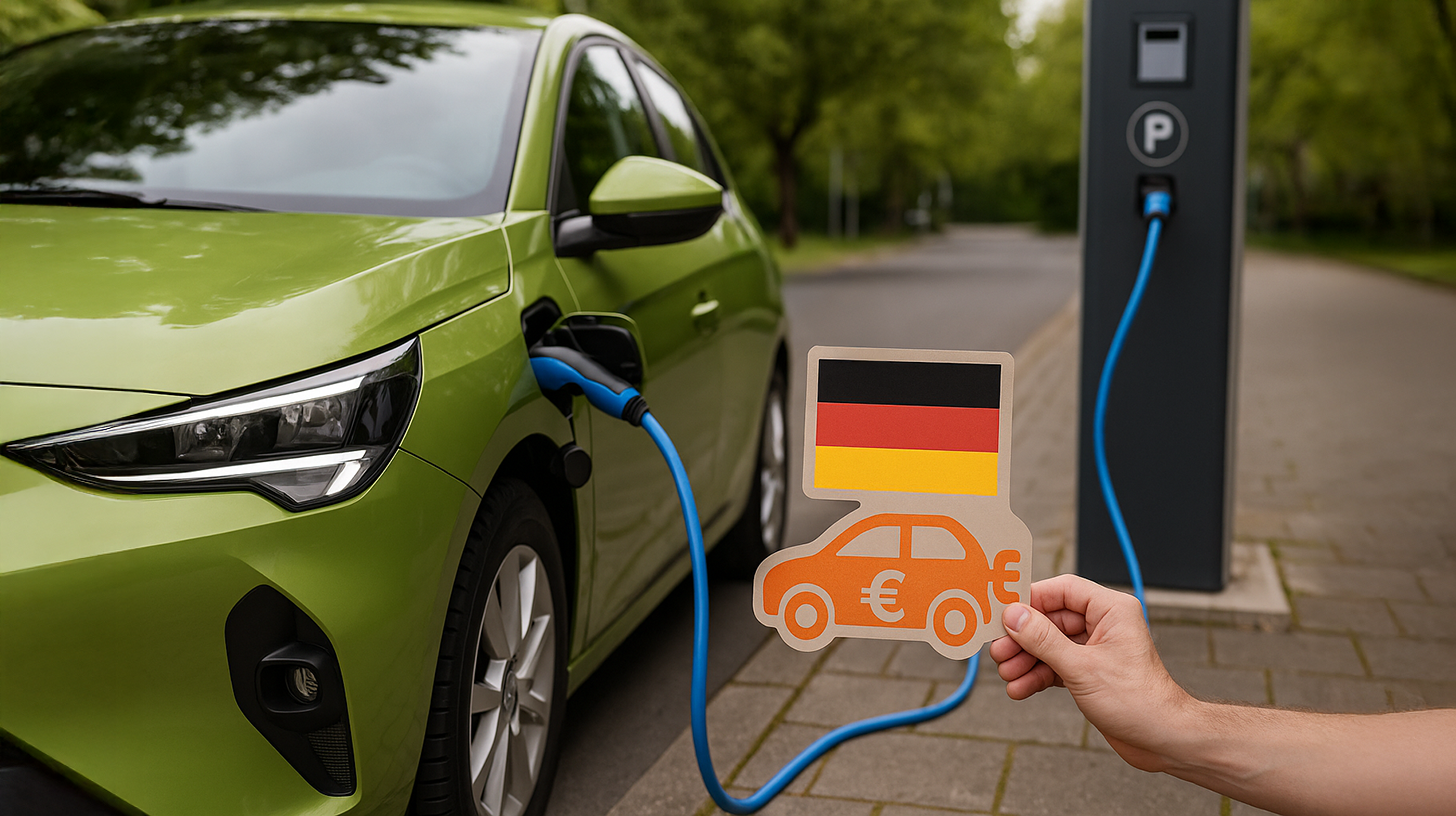
Revival of the electric car subsidy in Germany | The electric car subsidy is back: Why used car buyers can now also benefit – Image: Xpert.Digital
Electric cars finally for everyone? New subsidy targets low and middle-income earners
Following Habeck's halt to the 3 billion euro package, the government has decided: This is why it is relaunching the electric car subsidy program
After its abrupt end last year, it's now official: the electric car subsidy in Germany is making a comeback. With a budget of three billion euros, the new federal government aims to give electric mobility a boost and is introducing a crucial innovation: for the first time, used electric vehicles are also eligible for the subsidy. The measure specifically targets "low and middle incomes" to make switching to a zero-emission vehicle affordable for citizens with limited financial resources. After the subsidy was discontinued at the end of 2023 for budgetary reasons, its reintroduction marks a shift in economic and climate policy. The new subsidy is therefore more than just a financial incentive – it is a strategic attempt to make the transport transition in Germany broader, more socially just, and more sustainable.
Introduction: What is the new electric car subsidy all about?
What is the electric car subsidy and why does it play a significant political role?
The electric vehicle subsidy is a government grant designed to promote the purchase of electric vehicles. Its aim is to advance electromobility in society and contribute to climate protection by encouraging more citizens to switch from combustion engine vehicles to electric vehicles. This subsidy has become politically significant, particularly because it has become a symbol of the transport revolution and environmentally friendly subsidy policies, and is thus closely linked to the public perception of progress and a willingness to innovate.
Why was the electric car subsidy originally discontinued, and why is it now being revived?
The electric car subsidy was discontinued at the end of 2023 by then-Minister of Economic Affairs Robert Habeck (Alliance 90/The Greens), primarily for budgetary reasons. The governing coalition was forced to make cuts, and the subsidy fell victim to budget reductions. As part of a shift in economic and climate policy, the current government (a coalition of the Christian Democrats and Social Democrats) decided to reinstate the subsidy to boost electromobility and, in particular, to support low- and middle-income earners in switching to electric vehicles. Three billion euros have been allocated for this purpose.
Who benefits from the new electric car subsidy?
Who is the focus of the funding and which target groups are being addressed?
The new electric car subsidy focuses primarily on so-called "low and middle incomes." The government aims to encourage citizens and families with limited financial resources to switch to battery-powered vehicles. This includes households that previously could not afford an electric car due to high purchase costs, and all those who depend on their vehicle, for example, for commuting to work or fulfilling family obligations.
What distinguishes the target groups of the new bonus from those of previous funding programs?
Previous subsidies were often applied indiscriminately to all new car buyers, regardless of income level. The new regulation introduces a socio-political focus: it specifically examines how the subsidies can reach "low and middle incomes," for example through income limits, tiered subsidy amounts, and exceptions for certain professional groups or regions particularly affected by the shift towards sustainable mobility.
How does the new funding system work?
Which vehicles are eligible for funding and what is new about the funding for used electric cars?
The key difference from the previous subsidy is that used electric vehicles are now also included. This is intended to stimulate the used car market and make electromobility more widely available by supporting people with smaller budgets who want to buy a used – often cheaper – electric car. New and certain used electric vehicles are therefore eligible for the subsidy, provided they meet specific minimum requirements (such as remaining range, battery condition, and age limit).
How much funding is available, how does the application process work, and what conditions apply?
The exact amount of the subsidy is still being determined, and a tiered system based on vehicle type, initial registration date, and condition is conceivable. Applications are generally submitted digitally via the Federal Office for Economic Affairs and Export Control (BAFA) or a dedicated online platform. Buyers are required to provide certain documentation – for example, proof of income, vehicle age, and technical specifications. Depending on the model and the applicant's income, the subsidy can amount to several thousand euros.
What effect does the bonus have on the used car market?
Why is the expansion to include used vehicles relevant for the mobility transition?
A critical stumbling block for electromobility in Germany has been that progress has been primarily evident in the new car market, while for many segments of the population, a new car remains unaffordable despite subsidies. Used electric cars are cheaper to buy and can therefore reach a broader range of buyers. Subsidies will boost their sales and promote the penetration of electromobility across all segments of the population.
How does the subsidy change the price and supply landscape for used electric cars?
From an economic perspective, demand for used electric cars is likely to increase significantly. This could lead to rising prices in the medium term, but also stimulate supply: More vehicles will enter the market due to increased returns from lease agreements or fleet upgrades to new models. Dealers will strive to improve quality and transparency – for example, through battery condition certificates – and thus strengthen the specialist trade.
What are the political backgrounds and points of contention?
How is the reintroduction of the bonus viewed by the political camps?
Within the government, there is agreement that the subsidy is a necessary signal for innovation and climate policy. The opposition is partly critical: Skeptics criticize the three billion euro burden on the budget, question the environmental impact of electric cars, or fear distortions of competition. Particularly contentious is the question of whether the subsidy is truly socially equitable and does not once again primarily benefit higher-income urbanites.
What economic policy goals is the government pursuing with this measure?
The government is pursuing several goals with the subsidy: First, it aims to increase demand for electric vehicles in order to strengthen the electromobility sector. Second, it wants to counter the pressure for innovation from abroad, as countries like China are flooding the European market with inexpensive electric cars. Third, the subsidy serves to offset rising energy and raw material costs, which particularly affect private households.
Challenges and risks of the new funding
How sustainable is the funding and how can misuse be avoided?
A key challenge is ensuring that the subsidies are fair and transparent. By monitoring criteria such as income, vehicle age, and minimum technical standards, the government aims to prevent abuse. Experts point out that past subsidy programs were sometimes plagued by windfall gains and deliberate manipulation by dealers and private individuals. Modern monitoring tools and digital application processes are intended to remedy this.
Is there a risk of perverse incentives or negative side effects?
There is indeed a risk that market mechanisms will be distorted. For example, dealers could raise prices for eligible vehicles, or buyers could base their decisions solely on subsidy criteria instead of actual need. The environmental impact is also ambivalent: an excessive focus on purely battery-powered cars could crowd out other alternative drive systems and create new resource shortages.
New: Patent from the USA – install solar parks up to 30% cheaper and 40% faster and easier – with explanatory videos!

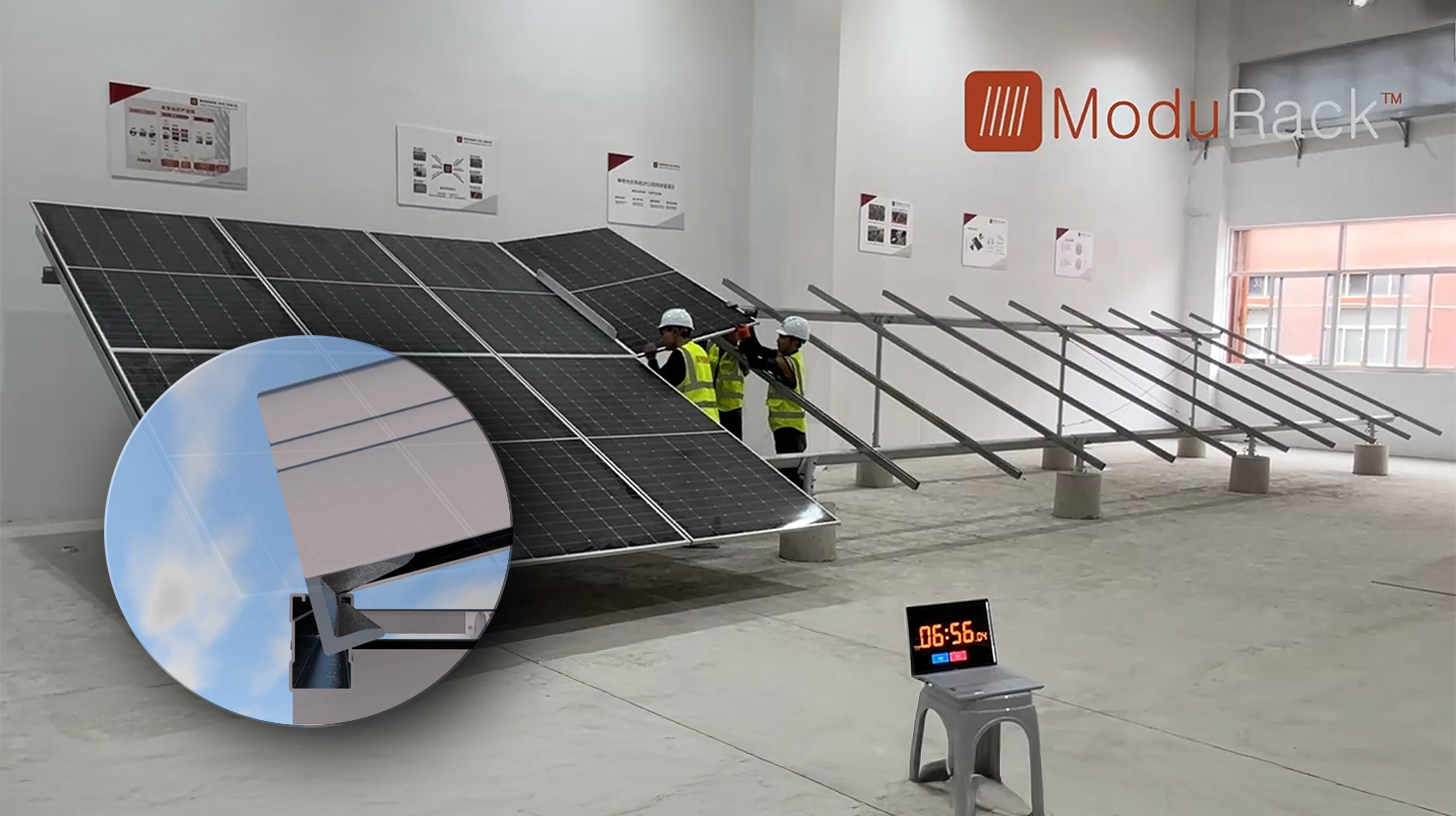
New: Patent from the USA – Install solar parks up to 30% cheaper and 40% faster and easier – with explanatory videos! - Image: Xpert.Digital
The core of this technological advancement is the deliberate departure from conventional clamp mounting, which has been the standard for decades. The new, more time- and cost-effective mounting system addresses this with a fundamentally different, more intelligent concept. Instead of clamping the modules at specific points, they are inserted into a continuous, specially shaped support rail and held securely in place. This design ensures that all forces – whether static loads from snow or dynamic loads from wind – are distributed evenly across the entire length of the module frame.
More information here:
Segen and risk: How the bonus is shaking up the automotive industry
Impacts on society and climate protection
What does the bonus mean for social mobility in Germany?
The newly structured subsidy has the potential to narrow the gap in vehicle mobility. Those who previously lacked access to modern electric vehicles for financial reasons can now benefit from affordable used electric vehicles. This is particularly relevant for rural areas, where public transport is often weaker and residents rely on their own cars.
Can the bonus actually contribute to climate protection?
The answer is nuanced: In principle, electric cars enable a reduction in CO₂ emissions from private transport, provided they are powered by green energy. Critics, however, point out that the entire environmental impact – from raw material extraction to disposal – is problematic and that a sustainable circular economy is still lacking. Nevertheless, the subsidy is a step towards a lower-emission society.
Technological development and market trends
Which types of electric cars are relevant for funding and how is the supply developing?
The program primarily supports battery-electric vehicles that meet certain minimum requirements for range and efficiency. The market is differentiated by segment (small cars, compact cars, luxury models, commercial vehicles) and price range. The urban small car and compact family car segments are particularly dynamic, but delivery services and tradespeople also benefit from the subsidies.
What role do charging infrastructure and fleet conversion play?
A crucial factor is the charging infrastructure: only with widespread availability of charging stations will electromobility become practical for broad segments of the population. Alongside the subsidy, the government plans further investments in the public charging network, as well as in funding programs for private wallboxes. Examples from companies show that the subsidy makes fleet conversions more economically attractive and generates greater market effects.
International perspectives and competitive pressure
How does the situation compare to other European and international countries?
In international comparison, Germany remains hesitant: While countries like France, Norway, and the Netherlands have already introduced extensive subsidy programs, including for used electric vehicles, the new German incentive highlights a need to catch up. At the same time, competitive pressure is growing from foreign manufacturers, especially from China, whose affordable electric cars are increasingly dominating the market.
Can German industry benefit from the bonus?
For the German automotive industry, the subsidy is both Segen and a challenge. On the one hand, it increases demand for electric vehicles, boosts sales, and strengthens industry development. On the other hand, it intensifies the pressure to innovate, as domestic manufacturers must compete technologically and on price with foreign competitors. Suppliers and medium-sized companies can tap into new business areas, such as battery recycling.
Socio-political and regional dimensions
What does the bonus mean for structurally weak regions and rural mobility?
In economically disadvantaged regions, the subsidy could provide an impetus for the expansion of electromobility, particularly where commuting and everyday mobility are often only possible by car. Targeted programs could offer especially attractive funding conditions in these areas. Municipalities and local businesses will also benefit, for example, when modernizing municipal vehicle fleets.
How will the social acceptance and dynamics surrounding e-mobility change?
The subsidy sends a societal signal: electromobility is no longer a luxury or status symbol, but should become the everyday standard. Social acceptance increases, especially when used vehicles become accessible to a broader segment of the population. Employment in the relevant industries could rise, and the willingness to innovate will grow thanks to a wider market and more user feedback.
Critical voices and future perspectives
What criticisms are still being discussed and what alternatives are there?
Key criticisms include the economic burden on the state budget, potential windfall gains, and the incomplete environmental impact assessment of battery production. Alternatives are being discussed, such as increased support for hydrogen vehicles or synthetic fuels in private and public transport. Tax incentives and bonus-based leasing models are also central to the debate.
What development prospects are conceivable for the electric car subsidy?
In the medium term, the funding could be designed to be dynamic, for example through regular adjustments to the funding amounts, the integration of further vehicle types (e.g., plug-in hybrids with stricter criteria), or its linking with other funding measures in the field of renewable energies. Experts point out that funding programs only have a sustainable effect if they are part of a holistic mobility concept.
Outlook on the mobility transition in Germany
How does the new bonus change the overall picture of the mobility transition?
The reintroduction of the electric car subsidy, particularly its extension to used vehicles, will be a key driver of Germany's mobility transition. It combines socio-political, economic, and environmental incentives and, for the first time, addresses broader segments of the population. This new design thus signals a shift in subsidy policy: away from targeted support for wealthy buyers and towards mass-market subsidies that promote both social mobility and innovation.
What remains open for the future?
It remains to be seen to what extent the new funding measures will actually lead to a sustainable market transformation. Crucially, accompanying measures such as the expansion of charging infrastructure, innovations in vehicle technology, and the development of a circular economy for batteries must also progress. The societal momentum surrounding electromobility is likely to continue to accelerate – not least if the new electric car subsidy facilitates market access for millions of people.
What questions remain for the coming years?
Several questions will be in focus for the coming years: How will the supply and demand for used electric vehicles develop? Can Germany maintain its innovative strength against international competition? Will a socially just expansion of the mobility transition succeed, reaching all regions and population groups? And how can policymakers and industry ensure a responsible and future-proof development of electromobility?
The revival of the electric car subsidy in Germany marks a turning point in the political and social transformation surrounding the transport revolution. With a budget of three billion euros and a clear focus on "low and middle incomes," the subsidy instrument is being further developed from a social policy perspective and specifically tailored for broader impact. Its future development depends on whether it is possible to intelligently integrate the various challenges from the market, infrastructure, politics, and ecology, and to establish electromobility as the new norm for the automotive future.
Look, this little detail saves up to 40% installation time and reduces costs by up to 30%. It comes from the USA and is patented.


NEW: Ready-to-install solar systems! This patented innovation significantly accelerates your solar construction project
The core of ModuRack 's innovation lies in the departure from conventional clamp fastening. Instead of clamps, the modules are inserted and held in place by a continuous support rail.
More information here:
Your partner for business development in the fields of photovoltaics and construction
From industrial rooftop PV to solar parks and larger solar parking lots
☑️ Our business language is English or German
☑️ NEW: Correspondence in your native language!

Konrad Wolfenstein
I and my team are happy to be available to you as your personal advisor.
You can contact me by filling out the contact form here wolfenstein@xpert.digital:or simply call me at +49 7348 4088 965. My email address is
I'm looking forward to our joint project.