Website icon Xpert.Digital

Dynamic shopper behavior: new challenges for trade and industry in the digital era

Dynamic shopper behavior: new challenges for trade and industry in the digital era

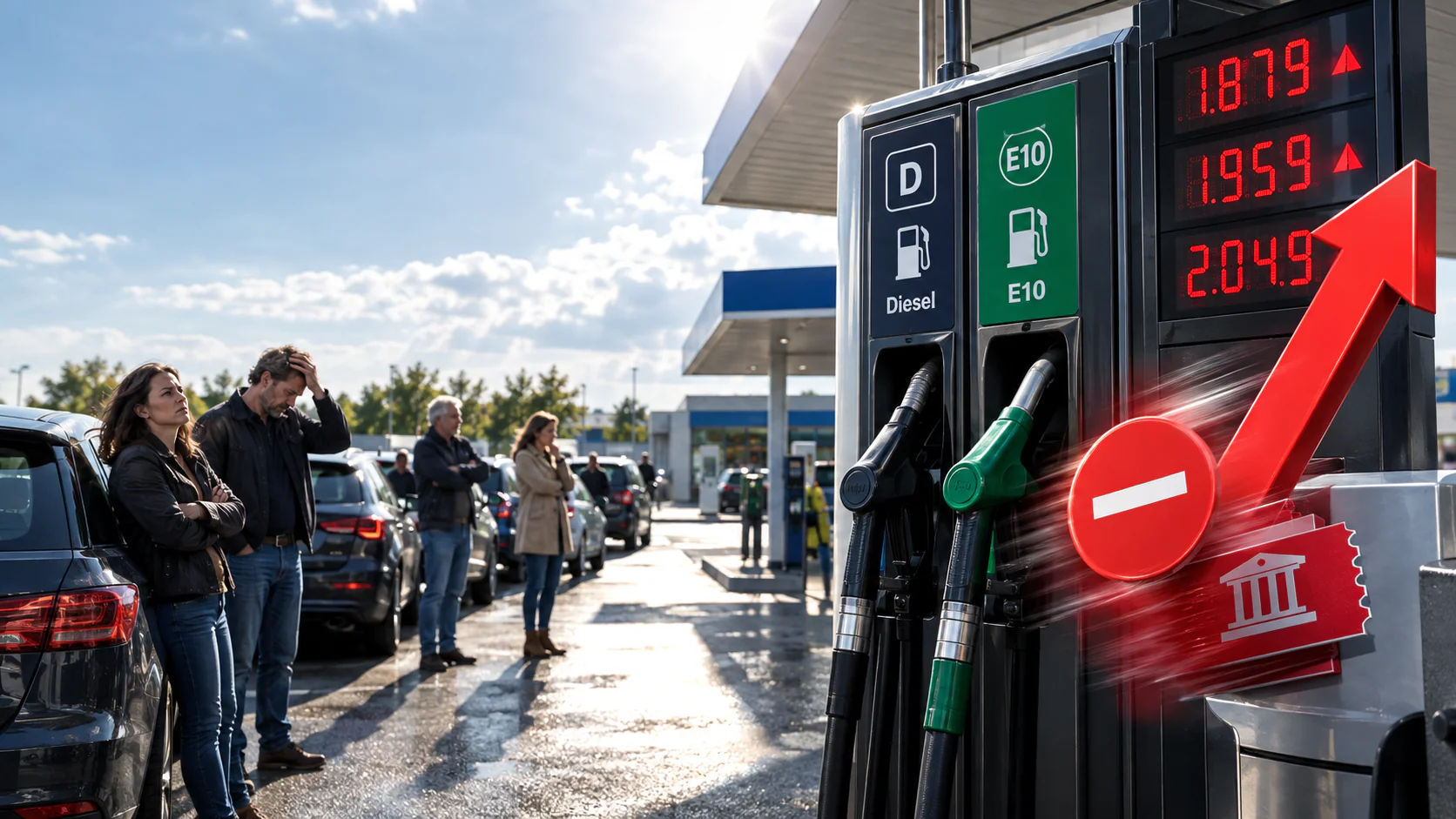
Dynamic shopper behavior: New challenges for retail and industry in the digital age – Image: Xpert.Digital

German consumers between thrift and personalization: How shopper behavior will radically change in 2024

Price-sensitive but demanding: Why German consumers are posing entirely new challenges for retailers.

Today's shopper behavior is characterized by unprecedented dynamism, driven by economic uncertainties, advancing digitalization, and evolving consumer expectations. German consumers navigate between price sensitivity and the desire for personalized shopping experiences, while sustainability and digital aspects are increasingly coming into focus. These developments are forcing retailers and manufacturers to continuously adapt their strategies to keep pace with rapidly changing demands and secure a competitive edge.

Suitable for:

Economic conditions shape consumer behavior

Inflation and price sensitivity as determining factors

The economic conditions of recent years have had a lasting impact on German shopper behavior. While the inflation rate stood at 2.1% in April 2025, having steadily declined since the beginning of the year, the effects of previous price increases remain noticeable in consumer spending. For fast-moving goods such as food and beverages, almost half of consumers (48%) pay particular attention to price – a direct reaction to the significant price hikes of recent years.

This persistent price sensitivity is reflected in various behavioral patterns. Promotions, private label brands, and shopping at discount stores remain key factors in grocery shopping. Buying on sale (48%), limiting purchases to essentials (43%), and switching to cheaper brands (39%) are the most common reactions to rising prices. At the same time, 65% of online shoppers already use coupons and discount codes to save money on their purchases, underscoring the deeply ingrained bargain-hunting mentality of German consumers.

Optimistic consumer sentiment despite caution

Despite continued price sensitivity, a remarkable trend in consumer sentiment is evident. Consumer economic uncertainty eased in the summer of 2024 compared to the autumn of 2023. This normalization of consumer sentiment is reflected in changing purchasing patterns: less attention is paid to special offers (2023: 83%; 2024: 79%), and more impulse purchases are being made (2023: 67% fewer impulse purchases; 2024: 63%).

A recent Oliver Wyman study confirms this trend: A good 38% of German consumers plan to spend more in 2025 than last year. The health (49% plan increased spending), travel (45%), and food (44%) sectors are particularly likely to benefit. This development shows that, despite economic challenges, consumers are willing to invest in certain areas that they consider important.

Digitalization as a driver of transformation

E-commerce boom and mobile revolution

Digitalization has fundamentally changed shopper behavior and created new dynamics. Online shoppers spend an average of €1,280 per year on the internet, and the signs for e-commerce continue to point to growth. According to the German Retail Federation (HDE), German e-commerce will grow by 4% to €92.4 billion in 2025, underscoring the ongoing digitalization of the retail sector.

Particularly noteworthy is the mobile revolution in shopping behavior. The number of smartphone shoppers has almost doubled within two years, and 4% of consumers already shop online daily, while 14% shop online once or several times a week. This development shows that online shopping is becoming the norm rather than the occasional occurrence, and mobile devices play a central role in this.

Omnichannel as the new normal

Digitalization is leading to a merging of online and offline channels. Consumers today expect a seamless omnichannel experience, allowing them to switch freely between different touchpoints. In the fashion and apparel sector, 39% of customers use two to three information sources before making a purchase, while 43% use four or more. This trend demonstrates that retailers offering only one channel are losing valuable customer segments.

The advantages of a sophisticated omnichannel strategy are measurable: Marketing campaigns that utilize three or more channels achieve a 287% higher conversion rate than single-channel campaigns. Omnichannel customers buy 250% more often, have a 13% higher average order value, and demonstrate 90% greater customer loyalty.

Personalization and use of technology

Artificial intelligence and data analysis

Modern technologies enable increasingly personalized communication with consumers. Companies are developing more algorithms to better understand their customers and offer tailored recommendations. These personalized recommendations are based on individual customer behavior and preferences, leading to a higher probability of successful purchases.

The modern consumer researches thoroughly, compares prices, and reads reviews before making a purchase. This online data collection and decision-making has simplified the shopping process and given consumers more power over their purchasing decisions. At the same time, it allows companies to gain detailed insights into their customers' behavior and adjust their strategies accordingly.

Dynamic pricing and adaptive strategies

In e-commerce, companies are increasingly relying on dynamic pricing to automatically optimize prices based on factors such as competition, customer behavior, season, or inventory levels. This strategy allows them to maximize profits by offering customers the optimal price, which simultaneously differentiates the company from the competition. Online platforms like Amazon, eBay, and Zalando, in particular, use specialized tools and algorithms to adjust prices automatically.

Sustainability and quality awareness

Growing importance of ethical consumption

Besides price and availability, sustainability and quality aspects are playing an increasingly important role in shopper behavior. Customers are placing greater value on environmentally friendly production processes, fair working conditions, and resource-conserving products. Freshness and regionality are top priorities when shopping for groceries and are becoming even more important compared to 2022.

This focus on quality is also reflected in consumers' willingness to pay: The proportion of consumers who are placing greater emphasis on quality and are prepared to pay more for quality products rose from 47% in 2022 to 51% in 2023. This development signals a return to values ​​beyond a purely price-oriented focus.

Private labels as a quality alternative

What's interesting is the changing perception of private label brands. For 61% of Germans, the quality of private label brands is just as good as that of well-known brands. Private label brands are also setting trends in organic food. This development shows that consumers are willing to question established brand hierarchies and make quality-based decisions.

Generation-specific differences in shopper behavior

Age-related consumption patterns

Shopper behavior shows clear generational differences. Those under 44 are particularly optimistic, with 70% of them indicating a willingness to buy. Among 18- to 24-year-olds, 54% have reported an increase in their desire to consume compared to the previous year. This younger generation shows a strong affinity for fitness offerings, with 87% of all respondents stating that health and well-being are very important to them.

However, the desire to buy decreases considerably with age: 25% of those over 65 report that their desire to consume will be even lower in 2024 than in the previous year. These demographic differences require retailers and manufacturers to develop differentiated marketing strategies for various target groups.

Emotional versus rational buyer types

The distribution of buyer types has shifted significantly. While in October 2023, 68% considered themselves rational and structured buyers and 32% emotional and spontaneous buyers, the ratio had changed to 65% and 35%, respectively, by summer 2024. Emotional and spontaneous purchases increased by €23 billion in retail volume between October 2023 and July 2024.

Suitable for:

Challenges for retailers and manufacturers

Adaptive strategies and flexibility

The dynamics of today's shopper behavior present companies with significant challenges. They must respond flexibly to changing customer needs while simultaneously ensuring economic profitability. Customer retention is particularly challenging in an increasingly digital world, as brand loyalty among many consumers has declined.

Companies must increasingly focus on individualized marketing strategies and personalized communication. Customers expect tailored experiences that go beyond mere product offerings and provide added value. This requires investment in technology, data analytics, and customer experience management.

Technological transformation and integration

Digitalization requires companies to fundamentally realign their business models. Many manufacturers are still hesitant to adopt digital infrastructure, even though existing, often improvised solutions represent costly sources of error. The transformation process is complex, but necessary to remain competitive.

Especially in the B2B sector, 94% of buyers research online before making a purchase decision. This makes it increasingly essential for manufacturers to focus on online advertising strategies and digital sales channels. E-commerce systems enable sales and marketing teams to work more efficiently and provide a better basis for decision-making through in-depth analysis.

Adaptability as a success factor: When static business models fail

Modern shopper behavior is characterized by unprecedented dynamism, shaped by economic conditions, digital transformation, and evolving consumer expectations. German consumers are proving to be price-sensitive yet increasingly optimistic buyers who simultaneously place the highest demands on convenience, personalization, and sustainability.

For retailers and manufacturers, this means that traditional, static business models are no longer sufficient. Success requires continuous adaptation to changing needs, investment in digital technologies, and the development of flexible, customer-centric strategies. Companies that see these challenges as opportunities and act proactively will be able to thrive in the dynamic retail landscape of the future.

The trend clearly shows that shopper behavior will continue to be highly dynamic in the future. Companies must prepare for the fact that adaptability and a willingness to innovate are among the most important success factors in modern retail.

Suitable for:


Your global marketing and business development partner

☑️ Our business language is English or German

☑️ NEW: Correspondence in your national language!


Konrad Wolfenstein

I would be happy to serve you and my team as a personal advisor.

You can contact me by filling out the contact form or simply call me on +49 89 89 674 804 (Munich) . My email address is: wolfenstein xpert.digital

I'm looking forward to our joint project.


☑️ SME support in strategy, consulting, planning and implementation

☑️ Creation or realignment of the digital strategy and digitalization

☑️ Expansion and optimization of international sales processes

☑️ Global & Digital B2B trading platforms

☑️ Pioneer Business Development / Marketing / PR / Trade Fairs

Exit the mobile version