


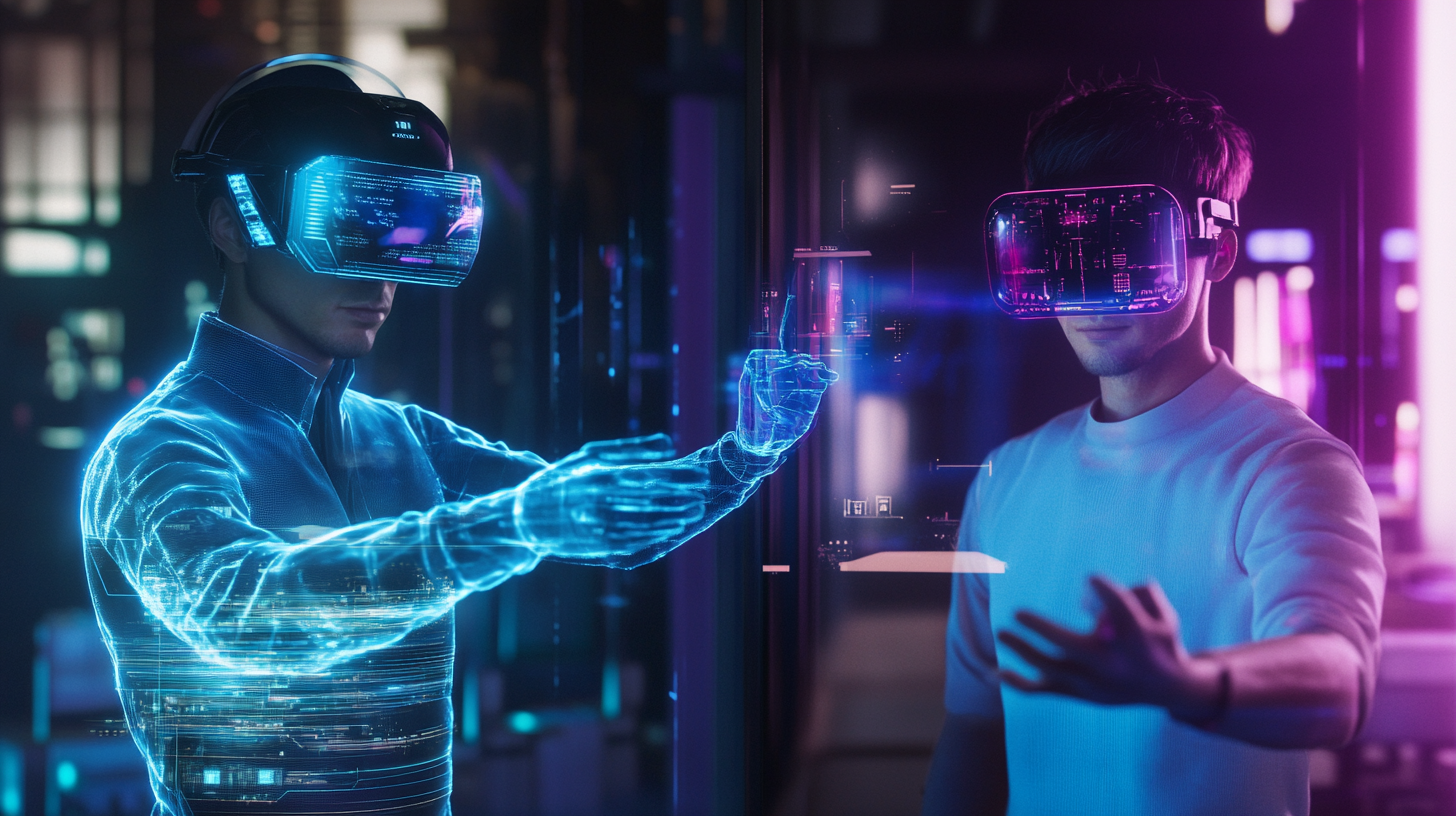
Difference between AI agents and AI assistants: A comprehensive analysis – Image: Xpert.Digital
AI Agent vs. AI Assistant: The crucial differences everyone should know
Understanding instead of confusion: Who offers more, the AI agent or the AI assistant?
With the increasing prevalence of artificial intelligence (AI) and its integration into everyday life, more and more people are asking themselves what exactly the differences are between an AI agent and an AI assistant like Google's. Although both technologies are designed to support humans, they differ fundamentally in their functionality, autonomy, and scope of application.
Definition and basic principles
AI assistant
An AI assistant, such as Google Assistant, Alexa, or Siri, is primarily designed to function as an interactive interface between humans and technology. These systems are based on reactive intelligence, meaning they wait for human input before becoming active. Their main tasks include:
- Information provision: Answering questions by retrieving information from the internet.
- Organization: Scheduling appointments, creating reminders, and maintaining to-do lists.
- Voice-controlled operation: Control of smart home devices or launching applications.
- Interaction: Communication mainly takes place via speech or text.
The focus here is on support and comfort, while the human user always retains control.
AI agent
An AI agent, on the other hand, is a much more autonomous system. It is designed to pursue goals and make decisions independently, without requiring continuous input or instructions from a user. Key features of an AI agent include:
- Autonomy: He can independently plan, prioritize, and execute tasks.
- Proactivity: AI agents act on their own initiative, for example by recognizing patterns and deriving actions from them.
- Integration: They interact with different systems, platforms, or data sources to perform their tasks efficiently.
- Decision-making: They are able to make complex decisions based on algorithms and machine learning.
An example would be an autonomous trading agent who is able to analyze market trends, make trading decisions, and execute transactions independently.
Comparison of the main differences
1. Degree of autonomy
Perhaps the biggest difference between an AI assistant and an AI agent lies in their autonomy:
- AI assistant: Reactive, waiting for human commands. Without user interaction, the assistant remains inactive.
- AI agent: Acts independently and requires minimal or no human intervention.
2. Complexity of the tasks
- AI assistant: Performs simple, often one-day tasks such as retrieving weather information or setting an alarm.
- AI agent: Can control complex, multi-stage processes, such as planning and optimizing a supply chain or automating financial analyses.
3. Interaction with the user
- AI assistant: Primarily designed for direct interactions with the user.
- AI agent: Often works in the background and only informs the user when needed or when decisions require confirmation.
4. Decision-making
- AI assistant: Providing information to support human decisions.
- AI agent: Ability to make and execute decisions independently.
Technological developments and the transition between assistant and agent
Technological developments in AI show a clear trend towards systems that can make increasingly autonomous decisions and perform more complex tasks. Google's latest project, "Mariner," with its Gemini 2.0 platform, is an excellent example of this transition.
Related to this:
Gemini 2.0 combines the reactive capabilities of a classic AI assistant with the autonomy of an AI agent. A notable feature is its ability to independently handle tasks such as planning online purchases. The system can place items in a shopping cart and prepare for an order, obtaining final confirmation from the user.
This development clearly shows that the lines between assistant and agent are blurring. It is a gradual process in which technologies become increasingly autonomous, while the human user remains the final authority.
Potential uses of AI assistants and agents
AI assistants in everyday life
AI assistants are primarily used in everyday situations. Examples include:
- Smart Homes: Control of lighting, heating and security systems.
- Productivity: Organizing appointments, reminders, and meetings.
- Entertainment: Playing music, answering quiz questions, or recommending movies.
- Communication: Composing messages or making calls via voice command.
AI agents in specialized areas
AI agents are more likely to be used in professional and complex environments where autonomous decision-making and increased efficiency are required. Examples include:
- Finance: Analysis of market data, automated trading, or fraud detection.
- Industry and logistics: optimization of supply chains, inventory management or predictive maintenance.
- Healthcare: diagnostic support, personalized therapy plans, or medical data management.
- Customer support: Autonomous chatbots that answer standard inquiries and solve problems.
Related to this:
The further development of AI agents and assistants also brings challenges
1. Autonomy and responsibility
The more autonomously a system operates, the more difficult it becomes to assign responsibility. For example, who is liable if an AI agent makes a wrong decision?
2. Data security
Both AI assistants and agents access large amounts of sensitive data. Protecting this data is essential to prevent misuse or unauthorized access.
3. Transparency
Users need to understand how an AI arrives at its decisions. Especially with autonomous agents, it's crucial to establish transparent decision-making processes.
4. Dependence on technology
The increasing use of AI can lead to excessive dependence. It is important to preserve the role of humans as a check and balance.
AI – The fluid transition
The lines between AI assistants and AI agents are becoming increasingly blurred. While assistants are designed to support people with simple tasks, agents are characterized by their autonomy and versatility. Projects like Mariner and Gemini 2.0 demonstrate that the future of AI lies in hybrid systems that combine both approaches.
For the next stage of development, it is crucial to master the balancing act between autonomy and human control. Only in this way can it be ensured that these technologies remain not only efficient and helpful, but also safe and trustworthy.
Related to this: