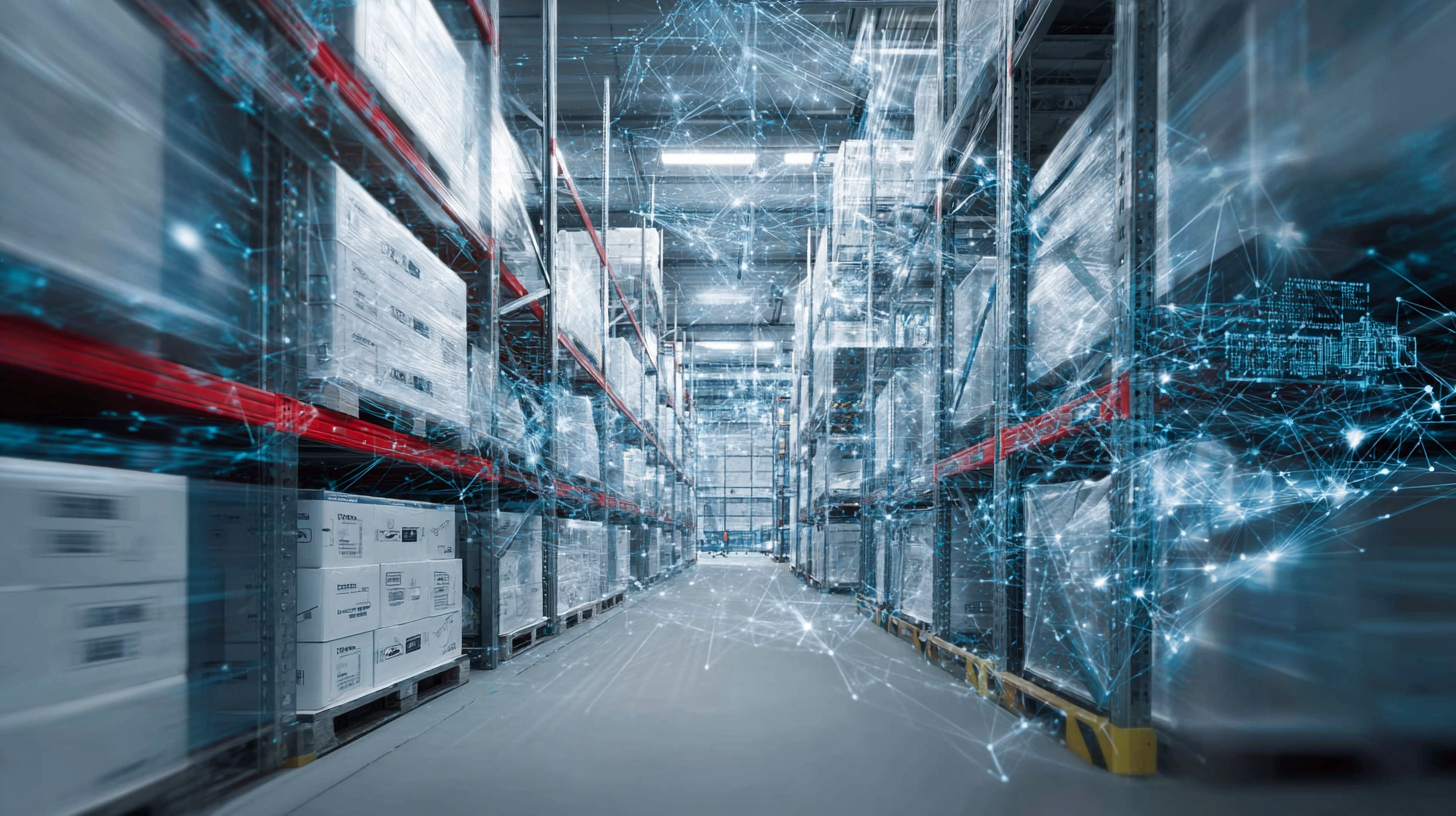
Cold Chain as a Service: The end of rigid cold storage logistics – Image: Xpert.Digital
Why the future of temperature control will be measured not in cubic meters, but in data streams
Strategic reassessment: From passive storage space to a digital ecosystem
The traditional perception of the cold chain – often reduced to insulated cold storage facilities and diesel-powered refrigerated trailers – is currently undergoing the most fundamental disruption in its history. We are moving away from a fragmented infrastructure towards an integrated "Cold Chain as a Service" (CaaS) model. In this new paradigm, physical cold is merely the base currency; the true value driver is the guaranteed integrity of the goods, validated by seamless data streams. For decision-makers in the pharmaceutical, food, and chemical industries, this means that logistics must no longer be viewed as a cost center for "cold storage," but rather as a strategic value driver for quality assurance and risk minimization.
The economic realities of 2025 are forcing companies to radically re-evaluate their capital commitment to their own cooling infrastructure (Capex). Given volatile energy prices, stricter ESG reporting requirements, and increasing consolidation among suppliers, owning their own cooling capacity often represents a balance sheet risk. CaaS offers a solution: a more flexible cost structure through on-demand access to highly automated, temperature-controlled networks. Those still investing in rigid concrete cold storage facilities without a digital integration strategy are building the "stranded assets" of tomorrow.
Related to this:


The CaaS paradigm: Opex flexibility as a strategic asset
The "Cold Chain as a Service" business model breaks down the traditional silos between warehousing, transport, and monitoring. From an economic perspective, it represents an arbitrage of efficiency: Specialized CaaS providers like Lineage Logistics or Americold – but increasingly also integrated players like Maersk – leverage their enormous scale to reduce energy costs per pallet that would be unattainable for a retailer or manufacturer operating their own facilities.
At the heart of this model lies the shift from fixed cost blocks to variable, usage-based fees. Just as cloud computing has virtualized server capacity, CaaS virtualizes the cold chain. A pharmaceutical manufacturer no longer pays for the rental of an entire warehouse, but rather a dynamic rate based on the volume used, the required temperature accuracy, and the risk profile of the goods. This enables unprecedented scalability. Seasonal peaks, such as during the berry harvest or flu vaccine campaigns, can be managed without incurring fixed costs.
A crucial, often overlooked economic lever here is the "bundling" of services. The CaaS provider not only handles the refrigeration but also integrates value-added services such as blast freezing, repacking, labeling, and even customs clearance directly within the cold storage facility. This vertical integration within the warehouse itself eliminates risky interfaces where temperature deviations ("temperature excursions") often occur in conventional supply chains. The data generated in this process—real-time temperature curves, humidity readings, and vibration logs—is sold and monetized as part of the service. The customer is no longer buying "-18 degrees Celsius" but rather "guaranteed compliance.".
LTW Intralogistics Solutions

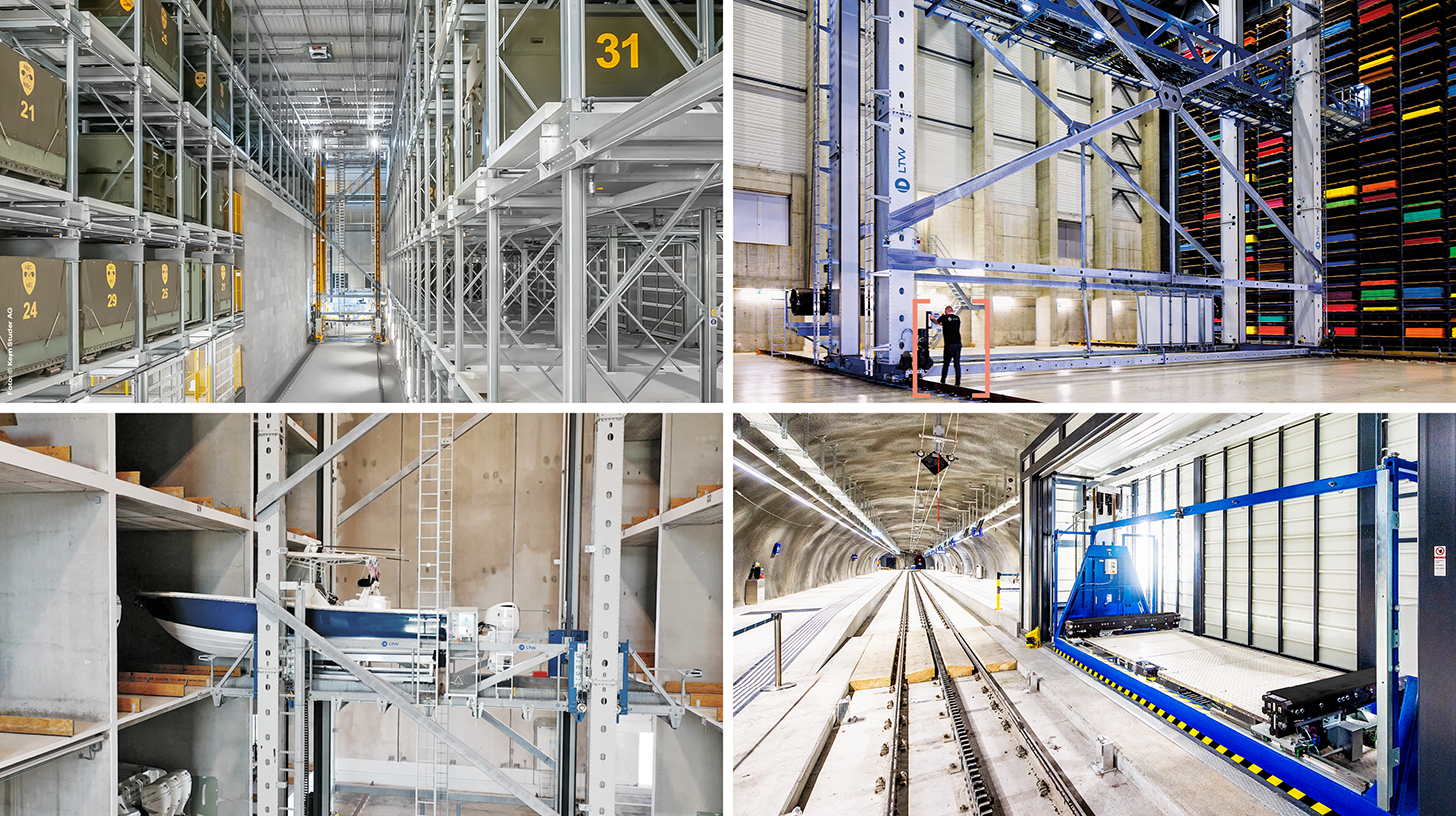
LTW Intralogistics – Engineers of Flow - Image: LTW Intralogistics GmbH
LTW offers its customers not individual components, but integrated complete solutions. Consulting, planning, mechanical and electrotechnical components, control and automation technology, as well as software and service – everything is networked and precisely coordinated.
In-house production of key components is particularly advantageous. This allows for optimal control of quality, supply chains, and interfaces.
LTW stands for reliability, transparency, and collaborative partnership. Loyalty and honesty are firmly anchored in the company's philosophy – a handshake still means something here.
Related to this:
Tri-polar cold chain logistics: Why the US is automating, China is leapfrogging, and Europe is regulating
Geopolitical Cold Fronts: A Tri-Polar Market Analysis (USA, China, EU)
The global market for cold chain logistics is not developing homogeneously. We are seeing a clear division of the world's economic zones into three distinct regions, each characterized by entirely different drivers and levels of maturity. A global CaaS strategy must necessarily take these regional nuances into account.
Related to this:


USA: The efficiency machine of the giants
The US market is the most mature and consolidated in the world. Here, "big players" like Lineage Logistics and Americold dominate, together controlling over 50% of public cold storage capacity. Market dynamics in the US are driven massively by labor shortages and high labor costs. This is leading to an extreme wave of automation. New facilities, such as those being built in Indiana and California, are often "dark warehouses" where oxygen levels are reduced (to prevent fires) and only robots operate. For European analysts, the US market is a harbinger of what happens when private equity invests heavily in infrastructure: a brutal increase in efficiency, in which smaller, inefficient cold storage operators are either acquired or forced out of the market. The CaaS model is already a reality here, as major retailers (Walmart, Kroger) are increasingly outsourcing their cold chains to these giants.
China: The technological leapfrog in the “New Retail”
The situation in China is quite different. While the market is exploding in volume with annual growth rates exceeding 17%, it often lacks the legacy infrastructure that holds West countries back. China is skipping development stages. Driven by the world's largest e-commerce market for fresh food (fueled by platforms like JD.com and Alibaba's Freshippo), a cold chain is emerging that is designed from the outset for direct-to-consumer (D2C) delivery.
The Chinese CaaS model is more granular and urban. It focuses less on gigantic cold storage facilities in rural areas and more on a finely meshed network of micro-fulfillment centers in megacities, enabling the delivery of chilled goods within 30 minutes. Government planning (enshrined in the 14th Five-Year Plan) is massively promoting the expansion of a national cold chain backbone to reduce food waste. This creates enormous opportunities for technology providers, as the government is actively driving demand for IoT tracking and comprehensive monitoring.
Related to this:

Europe: The regulatory and energy dilemma
Europe, and Germany in particular, finds itself in a dilemma. The market is growing steadily (approximately 12-13% CAGR), but the complexity is significantly higher. Extremely high energy prices in Central Europe have put massive pressure on the margins of traditional cold storage operators. This is accelerating the trend towards CaaS (Consumer Services), as many smaller operators can no longer afford the investments required for energy-efficient modernization and are forced to join larger networks.
In addition, regulation acts as a strong driver. The European Green Deal and strict regulations regarding refrigerants (F-Gas Regulation) necessitate investments in CO2-based or ammonia-based cooling systems. A CaaS provider capable of offering net-zero cooling has a significant competitive advantage in Europe over providers who focus solely on price. Therefore, in Europe, CaaS is less a pure efficiency issue and more a vehicle for compliance and sustainability.
Related to this:

The battle for the “cooling cloud”: Consolidators vs. Disruptors
The competitive landscape in 2025 resembles a three-sided chess game.
First, there are the incumbents: companies like Lineage or Americold. Their strategy is aggressive acquisition ("roll-up"). They buy up regional players, integrate them into their proprietary operating systems, and leverage synergies through centralized energy procurement and technology upgrades. Their moat is sheer physical capacity. Whoever stores 30% of the nation's frozen pizza dictates the market standards.
Secondly, the "integrators": Shipping companies like Maersk or CMA CGM have recognized that pure sea transport has become a commodity. They are pushing massively inland ("landside logistics"), building their own cold storage facilities at ports and hubs to offer an end-to-end cold chain from a single source. Their promise: One container, one contact person, from the producer in Peru to the supermarket in Hamburg. This poses a serious threat to traditional freight forwarders.
Thirdly, the “digital challengers”: tech platforms and digital freight forwarders (e.g., Flexport or specialized niche players) that own few assets themselves but aggregate capacity via intelligent software layers. They offer CaaS as a pure software solution by pooling spare capacity in independent cold storage facilities and selling it to customers as a virtual network. This “Airbnb-ization” of the cold chain is particularly attractive for smaller customers who do not want to or cannot enter into long-term contracts with the giants.
Economic imperatives: The sustainability premium as the new standard
An often underestimated aspect of the CaaS economy is the pricing of sustainability. Until a few years ago, "green logistics" was a nice marketing gimmick. By 2025, it will become a hard currency. Scope 3 emissions (generated in the supply chain) will have to be reported by large companies. A CaaS provider that can demonstrate its cold chain emits 40% less CO2 than the market average through solar energy, heat recovery, and electric trucks can command a significant premium.
We are seeing a market bifurcation here: a "premium cold chain" for pharmaceuticals and high-end food products, which is fully monitored, sustainable, and more expensive, and a "standard cold chain" for price-sensitive mass-market goods. CaaS platforms will use algorithms to automatically assign customers to the appropriate service class.
Agility beats capacity
In summary, "Cold Chain as a Service" is far more than a new billing model. It's the industrial answer to a world where volatility is the only constant. For businesses, this means the question is no longer "How big is my cold storage?" but "How intelligent is my access to the global cold network?" The winners of the next decade will be those players who seamlessly merge data integrity and physical cold so that the customer no longer perceives the difference between a digital inventory update and the physical pallet. Cold becomes a utility—available, scalable, and invisible until it fails.
Your global marketing and business development partner
☑️ Our business language is English or German
☑️ NEW: Correspondence in your native language!

Konrad Wolfenstein
I and my team are happy to be available to you as your personal advisor.
You can contact me by filling out the contact form here wolfenstein@xpert.digital:or simply call me at +49 7348 4088 965. My email address is
I'm looking forward to our joint project.
☑️ SME support in strategy, consulting, planning and implementation
☑️ Creation or realignment of the digital strategy and digitization
☑️ Expansion and optimization of international sales processes
☑️ Global & Digital B2B trading platforms
☑️ Pioneer Business Development / Marketing / PR / Trade Fairs
🎯🎯🎯 Benefit from Xpert.Digital's extensive, five-fold expertise in one comprehensive service package | BD, R&D, XR, PR & Digital Visibility Optimization

Benefit from Xpert.Digital's extensive, five-fold expertise in a comprehensive service package | R&D, XR, PR & Digital Visibility Optimization - Image: Xpert.Digital
Xpert.Digital possesses in-depth knowledge across various industries. This allows us to develop tailored strategies precisely aligned with the requirements and challenges of your specific market segment. By continuously analyzing market trends and monitoring industry developments, we can act proactively and offer innovative solutions. The combination of experience and expertise generates added value and provides our clients with a decisive competitive advantage.
More information here:
Our global industry and economic expertise in business development, sales and marketing
Our global industry and economic expertise in business development, sales and marketing - Image: Xpert.Digital
Industry focus areas: B2B, digitalization (from AI to XR), mechanical engineering, logistics, renewable energies and industry
More information here:
A thematic hub offering insights and expertise:
- Knowledge platform covering global and regional economies, innovation and industry-specific trends
- A collection of analyses, insights, and background information from our key areas of focus
- A place for expertise and information on current developments in business and technology
- A hub for companies seeking information on markets, digitalization, and industry innovations