From the industrial, business, and e-commerce metaverse to the Citiverse? – Image: Xpert.Digital
Citiverse and Web 4.0: The EU is betting on the metaverse of the future
Europe's Metaverse Strategy: From virtual cities to ethics in Web 4.0
The European Commission has developed an ambitious strategy for Web 4.0 and virtual worlds and plans to take a leading role in the metaverse. The Commission recognizes the potential of the metaverse and the transition to the next generation of the web as significant growth opportunities for European companies. At the same time, it emphasizes the importance of upholding EU values and fundamental rights in this area.
According to the Commission's definition, Web 4.0 is based on technologies such as artificial intelligence, the Internet of Things, trusted blockchain transactions, and augmented reality (XR). These enable the creation of digital and real-world objects and environments. The EU sees its combination of single market, industrial base, cultural diversity, and innovative spirit as a decisive advantage for achieving a leading position in the metaverse in the long term.
Related to this:
To achieve this goal, the European Commission plans to create an EU ecosystem that brings together all actors in the value chain of virtual worlds and Web 4.0. This will be made possible through partnerships with the Horizon Europe research framework program and the promotion of excellence in research. An industrial and technological roadmap will help to strengthen Europe's innovative capacity.
An interesting aspect of the strategy is the introduction of a "Citiverse" for public administration. This is an immersive urban environment intended for use in urban planning and management. This virtual platform will enable more interactive and efficient urban planning and administration. Another focus is the development of a virtual twin of the human body, which replicates the human body and supports clinical diagnosis and personalized treatment methods.
The European Commission has recognized the importance of ensuring that virtual worlds are not dominated by a few large players. Therefore, it plans to collaborate closely with internet regulation experts worldwide to promote Web 4.0 standards that align with the EU's goals and values. In addition, it aims to develop guidelines for the general public on Web 4.0 by the first quarter of 2024, to educate citizens about the opportunities and implications of the metaverse.
EU Internal Market Commissioner Thierry Breton emphasized Europe's ambitions to become a global leader in Web 4.0 and virtual worlds. At a hearing in the German Bundestag, experts pointed out that the concept of the metaverse was already presented as a dystopia by Neal Stephenson in his 1992 book "Snow Crash," and that some current developments could replicate "toxic" technologies. Nevertheless, the IT association Bitkom welcomed the debate on the opportunities surrounding the metaverse that the EU Commission has initiated.
The European Commission's strategy underscores Europe's ambition to take a leading role in the metaverse and to actively shape the opportunities and challenges of these virtual worlds. The EU plans to leverage its unique resources and regulatory measures to promote the sustainable and ethical development of the metaverse.
Our Industrial Metaverse Configurator
Simply try out our universally applicable (B2B/Business/Industrial) Metaverse Configurator for all CAD / 3D demo options:
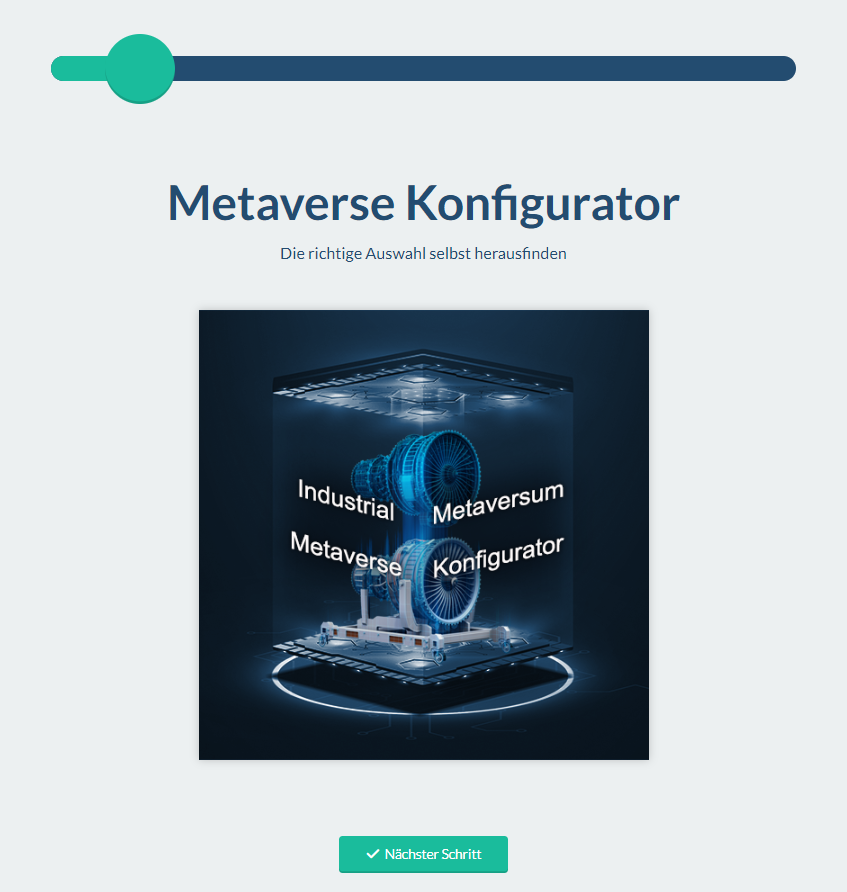

Xpert (B2B/Business/Industrial) Metaverse Configurator for all CAD / 3D data, usable on all end devices, one platform!
Related to this:
Before Citiverse, there was already the Smart City and Smart City Logistics Metaverse concept
Strictly speaking, even before the EU's Citiverse initiative, there were already concepts from the business sector that closely resemble the Smart City Metaverse in many respects. Companies like Xpert.Digital have been intensively engaged with this topic and are driving the development of the Smart City and Smart City Logistics Metaverse.
The Smart City Metaverse concept aims to leverage the technological capabilities of the metaverse to create intelligent and connected cities. In a Smart City, data from various sources is collected and analyzed to improve the quality of life for residents and find more efficient solutions to urban challenges. For example, sensors can be used to monitor traffic flow and reduce congestion. Real-time information about public transportation, parking, and cultural events can also be provided.
Another important aspect is the Smart City Logistics Metaverse concept, which addresses the logistical challenges in growing metropolises. Utilizing the metaverse enables the development of innovative solutions to make the supply chain more efficient and sustainable. One example is micro-hubs, which act as distribution centers near end consumers and reduce the use of delivery vehicles. Autonomous retail systems, such as self-driving delivery robots, can also contribute to optimizing delivery processes.
These concepts of the Smart City and Smart City Logistics Metaverse demonstrate how the metaverse can be used to address urban challenges and develop innovative solutions. They go hand in hand with increasing urbanization and the need to improve the quality of life in cities. At the same time, solutions are being sought to overcome supply gaps in rural areas and manage logistical bottlenecks in major cities.
Xpert.Digital is one of the companies that deals intensively with these topics. They not only develop concepts, but also work on implementing concrete solutions. Their expertise ranges from the use of data analysis and artificial intelligence to the implementation of innovative technologies such as autonomous vehicles and intelligent distribution systems.
It is clear that the Smart City and Smart City Logistics Metaverse concepts existed prior to the EU's Citiverse initiative and offer important solutions to urban and logistical challenges. These approaches can contribute to improving the quality of life in cities, reducing environmental impact, and creating more efficient infrastructures. The work of companies like Xpert.Digital plays a crucial role in the development and implementation of these forward-looking concepts.
Related to this:
- Smart Cities – The solution to mega-urbanization?
- How micro-hubs and micro-fulfillment logistics centers are driving smart city solutions for spare parts logistics and consumer goods logistics
- Smart Cities & Intelligent Cities, Hubs & Columbariums – Urbanization Solutions – City Logistics
- Digital Pioneer: Expert Reality and the beginnings of Metaverse and Extended Reality
Metaverse and Digital Europe: On the way to the EU Citiverse?
From the Industrial, Business and E-Commerce Metaverse to the Citiverse: A Digital Europe to the EU Citiverse?
Developments in virtual reality have made tremendous strides in recent years, creating a new paradigm for business and e-commerce. While initially focused on the entertainment sector, virtual reality is now increasingly used for industrial and business applications. The rise of the metaverse concept has led companies to engage more deeply with these new digital ecosystems, creating virtual spaces where people can interact, conduct business, and offer services.
The Industrial Metaverse represents a significant advancement by connecting the physical and digital worlds. Industrial processes can now be virtually visualized and optimized, leading to increased efficiency and productivity. For example, factories can be simulated and optimized in virtual environments to improve material flow, streamline workflows, and minimize production errors. Companies are also increasingly using Augmented Reality (AR) and Virtual Reality (VR) to engage employees in training and safety measures. The Industrial Metaverse thus has the potential to fundamentally transform the way we produce and work.
The business metaverse also offers a wealth of opportunities. Companies can set up virtual offices and conference rooms where employees from all over the world can collaborate without being physically present. This allows companies to expand their teams globally while saving on travel costs. Furthermore, business meetings and negotiations can be held in virtual spaces, saving time and resources. The business metaverse also provides the opportunity to showcase products and services in virtual stores or showrooms, enabling companies to expand their reach and connect with customers worldwide.
The e-commerce metaverse is another emerging field revolutionizing traditional online shopping experiences. Instead of just shopping on two-dimensional websites, consumers can now immerse themselves in interactive virtual shopping worlds. They can see, try on, or test products in 3D before buying them. This makes the shopping experience more personalized and realistic. Furthermore, the e-commerce metaverse also enables the integration of social interactions. Customers can invite friends to shop virtually together and exchange recommendations. Companies can also use virtual influencers or brand ambassadors to engage customers and promote their products.
Given these rapid developments in the metaverse, the question arises: what does the future hold? One interesting idea is the concept of a "Citiverse"—a digital Europe or an EU Citiverse. This concept transcends the boundaries of individual companies and encompasses a digital ecosystem that includes all member states of the European Union. By creating a shared metaverse network, European companies, institutions, and citizens could interact and collaborate. An EU Citiverse would enable the cross-border provision of digital services and foster cooperation in areas such as education, research, healthcare, and culture.
An EU Citiverse would also have the potential to strengthen Europe's digital sovereignty. It would enable European companies to compete with global players in the metaverse while maintaining European data protection and security standards. Furthermore, it could boost regional economies by expanding the European market for virtual products and services.
However, there are also challenges that must be considered when implementing an EU Citiverse. These include issues of interoperability, data security, legal frameworks, and infrastructure. Such a project requires close cooperation between governments, businesses, technical experts, and civil society to find a balanced and future-oriented solution.
➡️ The industrial, business, and e-commerce metaverse offers exciting perspectives for the future of the economy and digital life. From optimizing industrial processes and efficient collaboration in virtual offices to innovative shopping experiences – the possibilities are diverse. The idea of an EU Citiverse demonstrates that the future of the metaverse can also be shaped at the European level to make the benefits of these digital ecosystems accessible to all citizens of Europe.
The Citiverse and the Smart City Metaverse: Two approaches to the future of cities
Cities of the future: How the Citiverse and the Smart City Metaverse are shaping urban development

From the industrial, business, and e-commerce metaverse and the smart city metaverse to the Citiverse? – Image: Xpert.Digital
The metaverse concept has garnered significant attention in recent years and is considered an immersive and interconnected virtual reality that enables a wide range of applications and interactions. It is a digital space encompassing both the physical and virtual worlds, allowing people to interact, work, play, and communicate within diverse virtual environments. The metaverse has a broad spectrum of applications and is used in the entertainment sector, as well as in industry and e-commerce.
The Citiverse concept, on the other hand, represents a specific manifestation of the metaverse, focusing on the development of a virtual urban environment. It refers in particular to the creation of a virtual smart city in which the various aspects of urban life are mapped and made interactively accessible. The Citiverse offers the possibility of capturing urban planning, infrastructure management, mobility, energy use, and other important areas of urban life in a digital space.
A key difference between the Citiverse and the general Metaverse is that the Citiverse has a clear focus on urban aspects and aims to develop a virtual smart city. While the Metaverse encompasses a broad range of applications and uses, the Citiverse specifically addresses the challenges and needs of cities.
On the other hand, there are also aspects of the Smart City Metaverse concept that surpass Citiverse. The Smart City Metaverse focuses not only on creating a virtual city environment but also integrates innovative technologies and approaches to solving urban challenges. The concept includes the use of data analytics, artificial intelligence, IoT (Internet of Things), and other advanced technologies to enable efficient infrastructure, sustainable mobility, energy efficiency, and much more in the real-world city environment.
The Smart City Metaverse is therefore not limited to the virtual world, but aims to improve real cities through the integration of digital solutions and technologies. It seeks to increase the quality of life for residents, promote sustainable growth, and make resource use more efficient.
Nevertheless, there are also synergies between the Citiverse and the Smart City Metaverse. Both concepts share the goal of addressing urban challenges and creating innovative solutions for urban life. The Citiverse can benefit from the technological advancements of the Smart City Metaverse by utilizing data analytics, AI-driven systems, and other smart city technologies to create a realistic and effective virtual smart city.
At the same time, the Smart City Metaverse can benefit from the interactive and immersive elements of the Citiverse to visualize urban planning and management tasks and enable citizens to participate in shaping these processes. Through the integration of virtual elements, citizens can, for example, explore various urban development options in a digital environment, provide feedback, and express their preferences.
➡️ The Citiverse and the Smart City Metaverse each have specific focuses, which are also interconnected. While the Citiverse focuses on developing a virtual smart city, the Smart City Metaverse provides the technological foundations and approaches to improve urban life in the real world. The synergies between these two concepts can contribute to creating forward-looking solutions for urban challenges and increasing the quality of life in our cities.
Citiverse and Smart City Metaverse: Politics meets innovation for sustainable cities
From political space to innovative city: The visions of Citiverse and Smart City Metaverse
While the Citiverse is politically driven, the Smart City Metaverse concept is the result of and the search for solutions to the acute challenges facing the population and the economy.
The Citiverse concept has a political dimension, as it involves the creation of a virtual urban environment designed and managed by political institutions and decision-makers. It aims to map urban planning and governance in a digital world and empower citizens to participate in decision-making processes. The Citiverse is seen as a platform to promote democratic principles and strengthen public participation in urban affairs.
On the other hand, the Smart City Metaverse concept is the result of and the answer to the urgent challenges facing populations and the economy. In a time of increasing urbanization and global economic change, cities are seeking innovative solutions to improve the quality of life for their residents and promote economic growth. The Smart City Metaverse concept arose from the need to adapt cities to the needs of a modern society and to find effective solutions to traffic problems, environmental impacts, and the increasing demand for resources.
The Smart City Metaverse goes beyond political aspects and focuses on the integration of technologies and innovations to meet the needs of the population and the economy. It encompasses the use of data analytics, artificial intelligence, IoT (Internet of Things), and other advanced technologies to enable smart infrastructure, sustainable mobility, energy efficiency, and other areas. The needs and challenges of people and businesses are central to this approach.
Although the Citiverse is politically oriented and involves the creation of a virtual city environment with a focus on democratic participation and governance, the Smart City Metaverse concept has the advantage of focusing directly on the needs of the population and the economy. It's about finding solutions to real-world problems and improving the quality of life in cities.
Nevertheless, there are also synergies between the two concepts. The Citiverse can benefit from the technological innovations of the Smart City Metaverse to create a realistic and interactive virtual city environment that enables political processes and citizen participation. At the same time, the Smart City Metaverse can benefit from the participatory elements of the Citiverse to improve urban planning processes and involve citizens in decision-making.
➡️ The Citiverse and Smart City Metaverse concepts demonstrate that there are different approaches to addressing the challenges facing our cities. While the Citiverse promotes political participation, the Smart City Metaverse focuses on finding innovative solutions to improve people's quality of life and foster economic growth. Integrating these approaches can lead to the development of forward-looking concepts that encompass both political participation and technological innovation, ultimately contributing to the creation of more sustainable and livable cities.
Other relevant and interesting topics

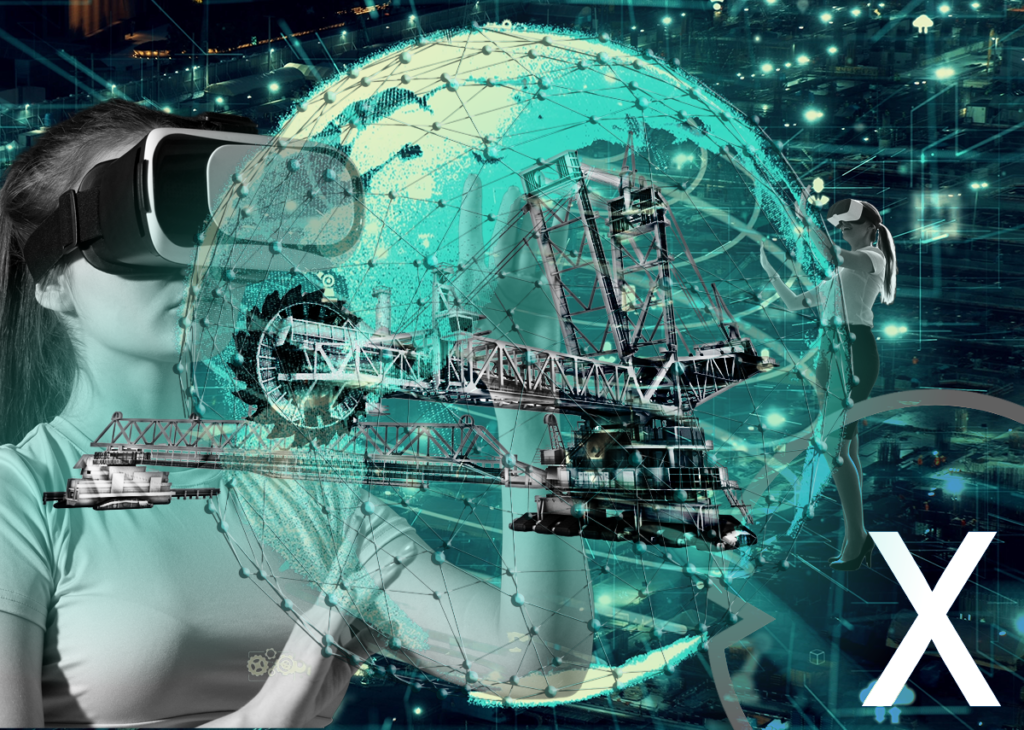
Metaverse 360° – The biggest misconception about Metaverse – It's more than 3D, communication, and chatrooms – Image: Xpert.Digital
Other topics:

Xpert.Digital – Pioneer Business Development

Konrad Wolfenstein
I would be happy to serve as your personal advisor.
You can contact me by filling out the contact form below or simply call me on +49 7348 4088 965 .
I'm looking forward to our joint project.
Write to me


Xpert.Digital – Konrad Wolfenstein
Xpert.Digital is a hub for industry focusing on digitalization, mechanical engineering, logistics/intralogistics and photovoltaics.
With our 360° Business Development solution, we support renowned companies from new business to after-sales.
Market intelligence, smarketing, marketing automation, content development, PR, mail campaigns, personalized social media and lead nurturing are part of our digital tools.
You can find more information at: www.xpert.digital – www.xpert.solar – www.xpert.plus
Keep in touch