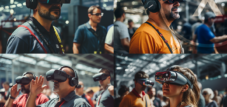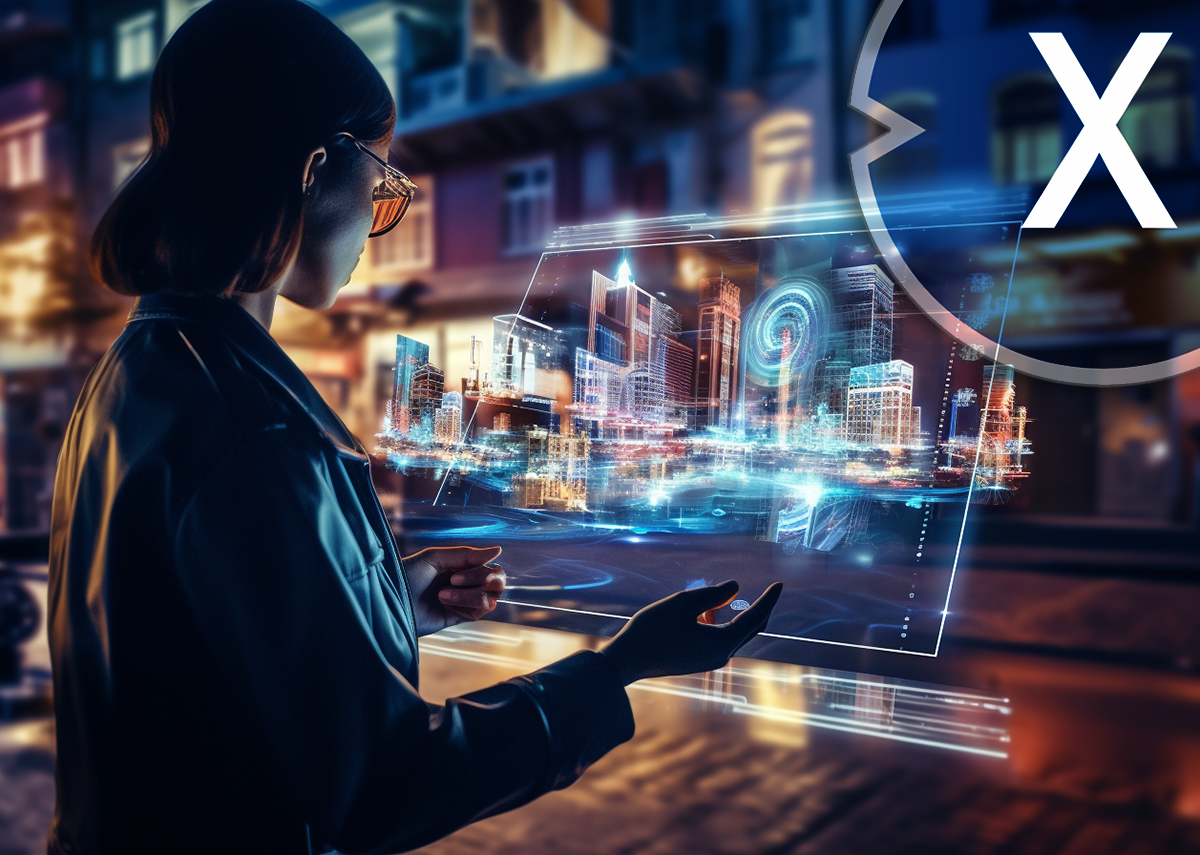
Extended Reality: Augmented and Virtual – The Metaverse of City Marketing for New Concepts and Strategies – Image: Xpert.Digital – AI & XR 3D Rendering Machine (Art Photo/AI)
🔮🌆 Augmented Reality: Augmented and Virtual - Is the Metaverse the city marketing of the future? 🌍🏙️
The terms "Augmented Reality" (AR) and "Virtual Reality" (VR) have been part of our vocabulary for several decades, but only in recent years have the technologies behind these concepts begun to establish themselves as viable marketing tools. Looking ahead to 2024 and beyond, new and innovative avenues are opening up for city marketing, characterized by the merging of the physical and digital worlds. In this analysis, we examine the potential of AR and VR in the context of city marketing and explore the extent to which the metaverse could play a role in the future of this sector.
City marketing has the task of positioning a city as a brand, making it attractive, and appealing to residents, visitors, and investors alike. Traditional city marketing tools include print media, events, and trade fairs, but the digital revolution has changed the landscape. AR and VR offer fascinating new ways to expand the cityscape and create a deeper, more interactive experience.
🔍 Augmented Reality in city marketing 📲🌍
Augmented reality enhances the real world with digital information. Using a smartphone camera or specialized AR glasses, information about landmarks, events, or shops can be displayed without the user having to take their eyes off their surroundings. This creates an interactive interface between the city and its visitors or residents.
Imagine strolling through historic streets, and your smartphone or AR glasses not only show you information about historical events that took place there, but also immerse you in a bygone era – for example, by visualizing past buildings or historical figures "passing by." This added value allows cities to present their history and culture in an innovative and memorable way.
🌐 Virtual Reality as an immersion tool 🎮🌍
Virtual reality, on the other hand, immerses users in a completely digital world. This can be particularly useful for city marketing, allowing potential visitors or investors to be presented with the city in an immersive way without requiring their physical presence. VR can be used for virtual city tours, the staging of planning visions, or simulations of future projects.
One application example is the virtual tour of planned construction projects. Interested citizens, investors, or urban planners can immerse themselves in a VR environment to experience how a new shopping center or a renovated square would integrate into the cityscape. The physical conditions can be enriched with data and made accessible for decision-making, even before the first stone has been laid.
🌌 The Metaverse as a city marketing platform 🎭🌍
The metaverse, often understood as a collective virtual shared space created through the convergence of physically persistent virtual spaces and physical space, represents an evolution of virtual and augmented reality. It offers a platform where users can interact much as they do in the real world.
Cities can establish presences in the metaverse that extend far beyond websites or social media profiles. Within the metaverse, cities can create virtual information centers, digital twins of real-world locations, or interactive event venues. Citizens could participate in public discussions, attend virtual concerts, or access services without leaving their homes.
🔮 Future concepts and strategies 🚀🔮
The Metaverse enables a profoundly new concept for city marketing. It opens doors to a 24/7 interactive and global presence. Promising concepts could include:
- Virtual tourist information that is accessible 24/7.
- Gamified city experiences where users can collect points for visiting attractions.
- Interactive citizen participation platforms for urban development projects.
- Virtual marketplaces where local entrepreneurs can offer their products in the digital space.
- Educational and training programs that impart historical, cultural, or technical knowledge about the city.
🔥 Challenges and opportunities 🧩🚦
Integrating AR, VR, and the metaverse into city marketing is not without its challenges. Data privacy, accessibility, and the digital divide are just some of the issues that need to be considered. Furthermore, implementing such technologies requires investment in both hardware and content development.
However, the opportunities outweigh the risks: Cities can increase their attractiveness and visibility, reach new target groups, and offer innovative services by using these technologies. They can involve citizens more effectively and promote participatory processes.
City marketing in 2024 and beyond is not just a matter of brochures and posters. It's about creating an interactive, vibrant, and rich experiential landscape where physical and digital worlds merge. The urban experience is expanded and redefined.
🌇 The digital twin as the core element of digital city marketing 🌆🌍
A "digital twin" of a city is a near-lifelike digital representation of its physical structures and processes, updated in real time. Such virtual representations can be implemented in the metaverse to develop urban planning simulations, traffic analyses, and energy efficiency models. Furthermore, they provide an interactive foundation for city marketing: users can utilize such a model to virtually stroll through the city, learn about future projects, or trace historical changes.
🎭 Immersive cultural and educational experiences 🏛️📚
Cultural institutions such as museums, galleries, and theaters can use AR and VR to unlock entirely new dimensions of experience. Users could participate in historical battles via VR or view artworks enriched with interactive elements and information in AR. Educational programs can be made vibrant and interactive through immersive technologies, allowing children and young people, for example, to learn playfully and with great enjoyment.
🌱 Sustainability and city marketing ♻️🌍
Sustainability is playing an increasingly important role in city marketing. AR and VR can help visualize sustainability initiatives and raise awareness. Cities could offer virtual tours of "green" neighborhoods or depict the effects of climate change in digital scenarios. Such experiences can underscore the need for sustainable development and generate support for relevant projects.
🤝 Collaboration and networking 🌍🤝
Digitalization also enables new forms of collaboration between cities, businesses, and citizens. In the metaverse, for example, cities could hold joint virtual trade fairs or networking events to use resources more efficiently and create synergies. AR, VR, and the metaverse significantly expand the possibilities for cooperation and partnerships.
📖 City marketing of the future 🏙️🔍
The city marketing of the future will be interactive, immersive, and digital. Augmented reality in the form of AR and VR, as well as the emerging metaverse, are opening up new horizons for city marketing. Cities that adopt these technologies will increase their attractiveness, interact with their citizens in new ways, and find innovative solutions to urban challenges.
By integrating these technologies, city marketing can create more complex and profound relationships with the city's residents and visitors. The virtual world in the metaverse can provide a platform on which a city's identity unfolds with all its social, cultural, historical, and economic facets.
As we approach 2024 and beyond, it is clear that urbanization will continue to accelerate, with cities becoming increasingly global, diverse, and technologically interconnected. AR, VR, and the metaverse are more than just buzzwords; they are tools with the potential to transform the very nature of city marketing and forge genuine, lasting connections between the city and its residents and visitors. In a world where physical and digital experiences increasingly merge, the ability to create an immersive and engaging environment will become an indispensable part of city marketing and urban planning.
📣 Similar topics
- 📲🌍 Augmented Reality: The future of interactive city marketing
- 🌐 Virtual reality is revolutionizing city marketing: Potentials and opportunities
- 🎭 The Metaverse as a new playground for city marketing
- 🚀🔮 Revolutionary concepts for city marketing in 2024
- 🧩🌇 The challenges and opportunities of AR, VR and Metaverse in city marketing
- 🌆🌍 Digital Twin: The Future of City Marketing
- 🏛️📚 AR and VR in art and culture: A new dimension of experience
- ♻️🌍 Sustainability in city marketing: Innovative approaches through AR and VR
- 🌍🤝 Networked city marketing: The digital collaboration between cities and companies
- 🏙️🔍 The future of city marketing: Immersive technologies as the key to success
#️⃣ Hashtags: #CityMarketing #AR #VR #Metaverse #Future
🎯🎯🎯 Benefit from Xpert.Digital's extensive, five-fold expertise in one comprehensive service package | BD, R&D, XR, PR & Digital Visibility Optimization


Benefit from Xpert.Digital's extensive, five-fold expertise in a comprehensive service package | R&D, XR, PR & Digital Visibility Optimization - Image: Xpert.Digital
Xpert.Digital possesses in-depth knowledge across various industries. This allows us to develop tailored strategies precisely aligned with the requirements and challenges of your specific market segment. By continuously analyzing market trends and monitoring industry developments, we can act proactively and offer innovative solutions. The combination of experience and expertise generates added value and provides our clients with a decisive competitive advantage.
More information here:
🏙️ Inclusivity in city marketing
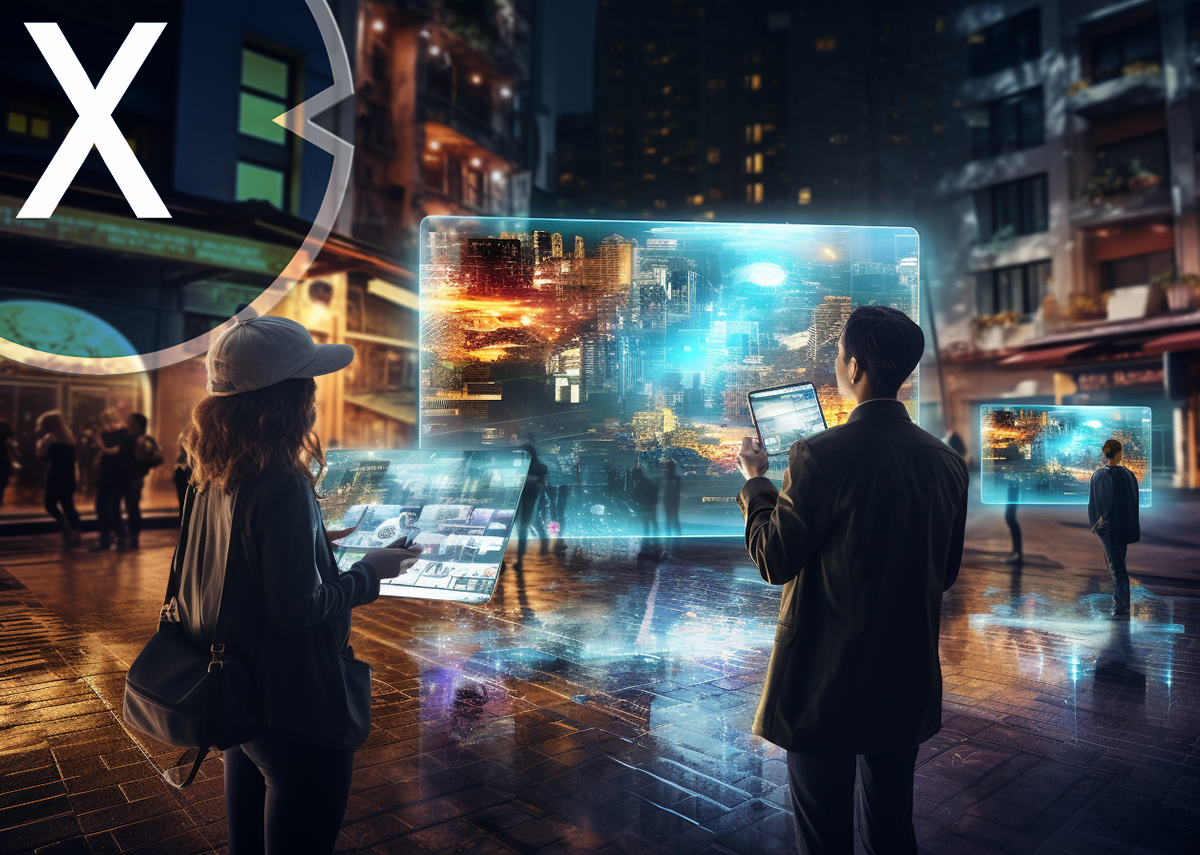
Inclusivity in city marketing with XR (Extended Reality) technologies and Metaverse – Image: Xpert.Digital – AI & XR 3D Rendering Machine (Art Photo/AI)
🔮🌍 Future prospects in the context of global trends
In this rapidly evolving world, it is important to understand that the metaverse and its associated technologies are not isolated phenomena. Rather, they are part of a larger transformation characterized by the increasing interconnectedness and digitization of all aspects of life. By 2024, cities are expected to be not only places where people live and work, but also hubs for global digital networks.
🏙️ Inclusivity in city marketing
Digital technologies in city marketing must be designed inclusively. This means they must be accessible and usable for people of all ages, social classes, and ability levels. Inclusivity also means offering information in multiple languages so that international visitors and new residents can easily navigate and engage. The role of the metaverse could be crucial here, as it provides platforms for real-time translations and accessible user interfaces that allow for individual customization.
📊⚙️ The role of data and AI
Intelligently used data streams and the integration of artificial intelligence (AI) create new opportunities for personalized marketing. For example, machine learning could be used to analyze visitor behavior and provide individualized recommendations for attractions or events. AI-supported systems could also help manage urban challenges such as traffic flow and environmental pollution, thereby improving quality of life.
🔒🤔 Safety and Ethics
As technology advances, so do the demands on security and ethical considerations. The collection and processing of data in the metaverse must be accompanied by strict data protection guidelines to safeguard user privacy. Ethical design is therefore becoming a central principle for everyone involved in digital city marketing.
🌿🏗️ Sustainable urban development
City marketing in 2024 will likely be increasingly confronted with the issue of sustainable urban development. The use of AR and VR can help not only to present sustainable concepts but also to make them tangible. In doing so, they contribute to raising awareness of ecological challenges and actively involving citizens in the urban development process.
🔮🔭 The future of city marketing
The future of city marketing lies in the skillful integration of physical reality and digital expansion. AR, VR, and the metaverse offer an immense range of possibilities for showcasing cities as dynamic, interactive, and multifaceted spaces of the digital age. In an era where technological advancements are increasingly rendering physical distance irrelevant, these technologies could help open cities to a global audience and transform them not merely as places, but as experiential spaces.
City marketing must embrace this transformation as an opportunity and use the tools of the digital world wisely and creatively to achieve its goals. This requires forward-thinking, investment in education, and a willingness to move towards an integrated digital future together with citizens, businesses, and other stakeholders. By accepting these challenges, city marketing can make a significant contribution to developing cities into livable, diverse, and sustainable places where digital technologies promote the well-being of the community.
📣 Similar topics
- 🌐 The future of city marketing: The metaverse as a turning point
- 🏢 Inclusive city marketing in the age of the metaverse
- 📊 Personalized marketing through data and AI
- 🔒 Security and ethics in digital city marketing
- ♻️ Sustainable urban development with AR and VR
- 🌆 The merged reality: City marketing in the digital age
- ⚡️ Challenges and opportunities of city marketing in the metaverse
- 🌍 Inclusive technologies in city marketing: Opportunities and implementation
- 🔍 Data-driven city marketing: Potentials and risks
- 🏙️ Digitalization and shaping the urban future
#️⃣ Hashtags: Future prospects, inclusivity, data and AI, security and ethics, sustainability
🗒️ Xpert.Digital: A pioneer in the field of Extended and Augmented Reality


Finding the right Metaverse agency, planning office, or consulting firm - Image: Xpert.Digital
🗒️ Finding the right Metaverse agency, planning office, or consulting firm – Search and search: Top Ten Tips for Consulting & Planning
More information here:
🏙️ Sustainable Engagement Strategies
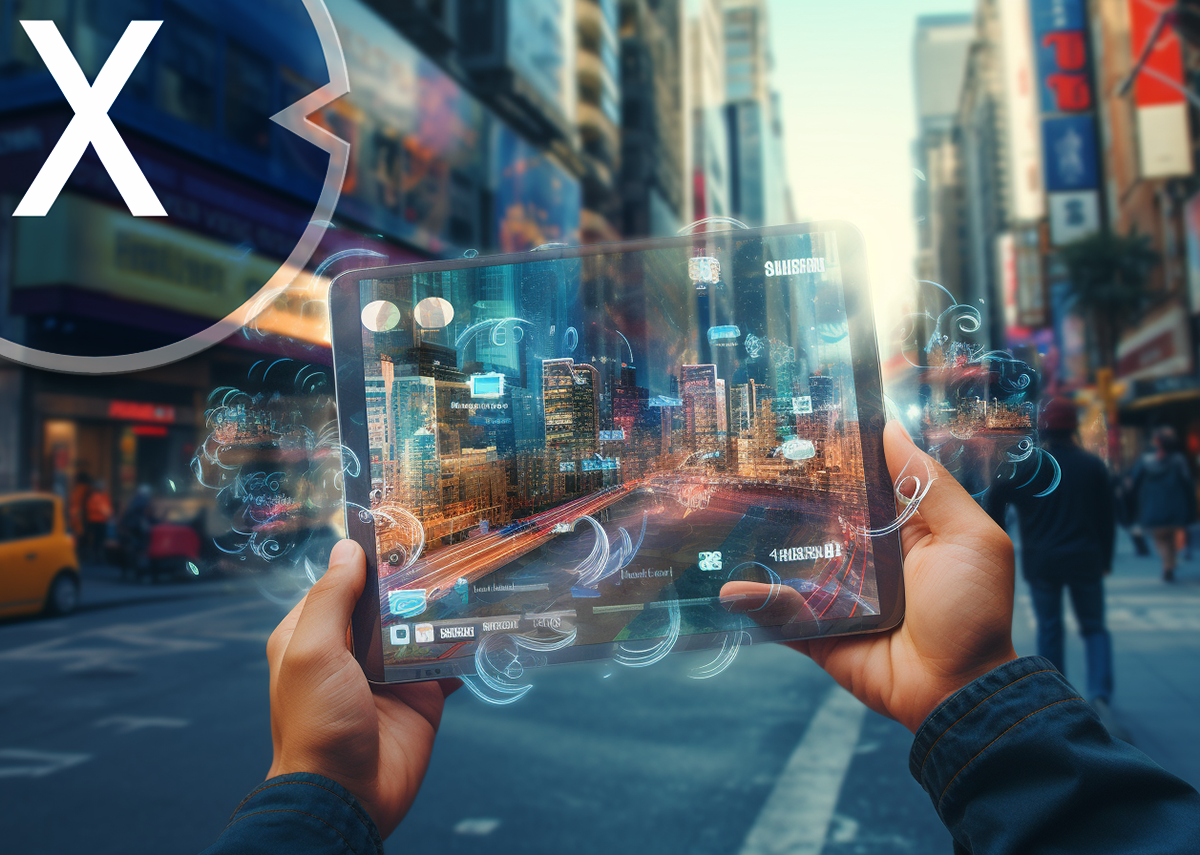
Sustainable engagement strategies for city marketing using augmented reality through the metaverse – Image: Xpert.Digital – AI & XR-3D-Rendering Machine (art photo/AI)
🌍 City marketing will increasingly need to strive for a comprehensive engagement that goes beyond mere advertising. It's about building long-term relationships with residents, visitors, and businesses. By using AR, VR, and the metaverse, cities can create unique, experience-based interactions that invite individuals to become part of the city's story, participate in community activities, and help shape the development of their environment.
📖 Digital Storytelling
📚 Digital storytelling is becoming an important tool in city marketing by telling the story of the city and its people. The immersive nature of AR and VR allows such stories to be experienced, fostering a stronger emotional connection to the place. These stories can also be continuously expanded and co-created by users themselves within the metaverse, creating a deeper sense of belonging and connection.
🔗 The connection between physical and digital space
🌉 City marketing in the digital age will intertwine physical and digital spaces. This means that the physical experience of a city – be it through architecture, parks, or public spaces – will be complemented by digital layers that offer additional information, entertainment, and avenues for interaction. For example, a wall can be transformed into an interactive timeline of the city's history using AR, or a park can become the setting for a historical scene through VR.
🤝 Co-creation and citizen participation
🙋♂️ Metaverse technologies offer exciting opportunities for co-creation and citizen participation. Residents 🏠 and visitors 👥 can be actively involved in shaping city marketing campaigns by creating their own content for AR and VR applications or participating in urban planning processes in virtual forums. This participatory approach empowers citizens to be not just consumers, but also creators of urban life.
💼 Economic Implications
💰 The integration of AR, VR, and metaverse technologies can also have far-reaching economic impacts. It can lead to new forms of tourism, attract innovative startups and investments, and create new jobs in technological and creative industries. Cities that invest early in these technologies can position themselves as leading innovation hubs and thus increase their economic appeal.
🤔 The challenge of technology acceptance
❗ Despite all the advantages, the acceptance of these technologies remains a challenge. Cities must find ways to promote technological literacy and reduce apprehension. Through public demonstrations, workshops, and access to affordable technology, city marketing can help create a broad user base for AR, VR, and metaverse applications.
🔮 Future scenarios
Looking to the future, we can imagine scenarios where every physical interaction in a city is complemented by digital layers. A tourist could point their smartphone at a building to see its history or use a virtual tour guide that offers a personalized experience. Art installations could exist both in the real world and in the metaverse, thus enabling different levels of interaction and interpretation. Furthermore, urban processes such as town hall meetings and voting could take place in virtual environments, making them more accessible and engaging.
🌇 Identity and experience of a city
🔍 In 2024 and beyond, city marketing plays a vital role in shaping a city's identity and experience in an increasingly digital world. The intelligent applications of AR, VR, and metaverse technologies can redefine urban space, transforming it into a vibrant, multifaceted, and interactive place for people to come together. With the right mix of innovation, creativity, strategic planning, and a focus on inclusivity and sustainability, city marketing can not only enhance a city's image but also serve its citizens, promote the common good, and drive social and economic development. In reality, this is driven by the imagination of urban planners, marketing strategists, and citizens who want to not just inhabit a city, but truly experience it.
📣 Similar topics
- 🏙️ Digital city marketing for the 21st century
- 🌍 The Metaverse as the future of city marketing
- 🎭 AR and VR in the service of city marketing
- 🤝 Co-creation and citizen participation in city marketing
- 💼 Economic opportunities through metaverse technologies
- 🔮 The future of city marketing: Virtual reality ahead
- 🌆 The connection between analog and digital space in city marketing
- 🧠 The challenges of technology acceptance in city marketing
- 👥 Identity and Experience: City Marketing in the Digital Age
- 📈 Sustainable city marketing with immersive technologies
#️⃣ Hashtags: #DigitalCityMarketing #Metaverse #ARandVR #CoCreation #EconomicOpportunities #FutureofCityMarketing #AnalogandDigital #TechnologyAcceptance #IdentityandExperience #SustainableCityMarketing

We are here for you - Consulting - Planning - Implementation - Project Management
Xpert.Digital - Pioneer Business Development
Smart Glasses & AI - XR/AR/VR/MR industry expert
Consumer Metaverse or Metaverse in general
If you have any questions, require further information or advice, please feel free to contact me at any time.

Konrad Wolfenstein
I would be happy to serve as your personal advisor.
You can contact me by filling out the contact form below or simply call me on +49 7348 4088 965 .
I'm looking forward to our joint project.
Write to me


Xpert.Digital - Konrad Wolfenstein
Xpert.Digital is a hub for industry focusing on digitalization, mechanical engineering, logistics/intralogistics and photovoltaics.
With our 360° Business Development solution, we support renowned companies from new business to after-sales.
Market intelligence, smarketing, marketing automation, content development, PR, mail campaigns, personalized social media and lead nurturing are part of our digital tools.
You can find more information at: www.xpert.digital - www.xpert.solar - www.xpert.plus
Keep in touch