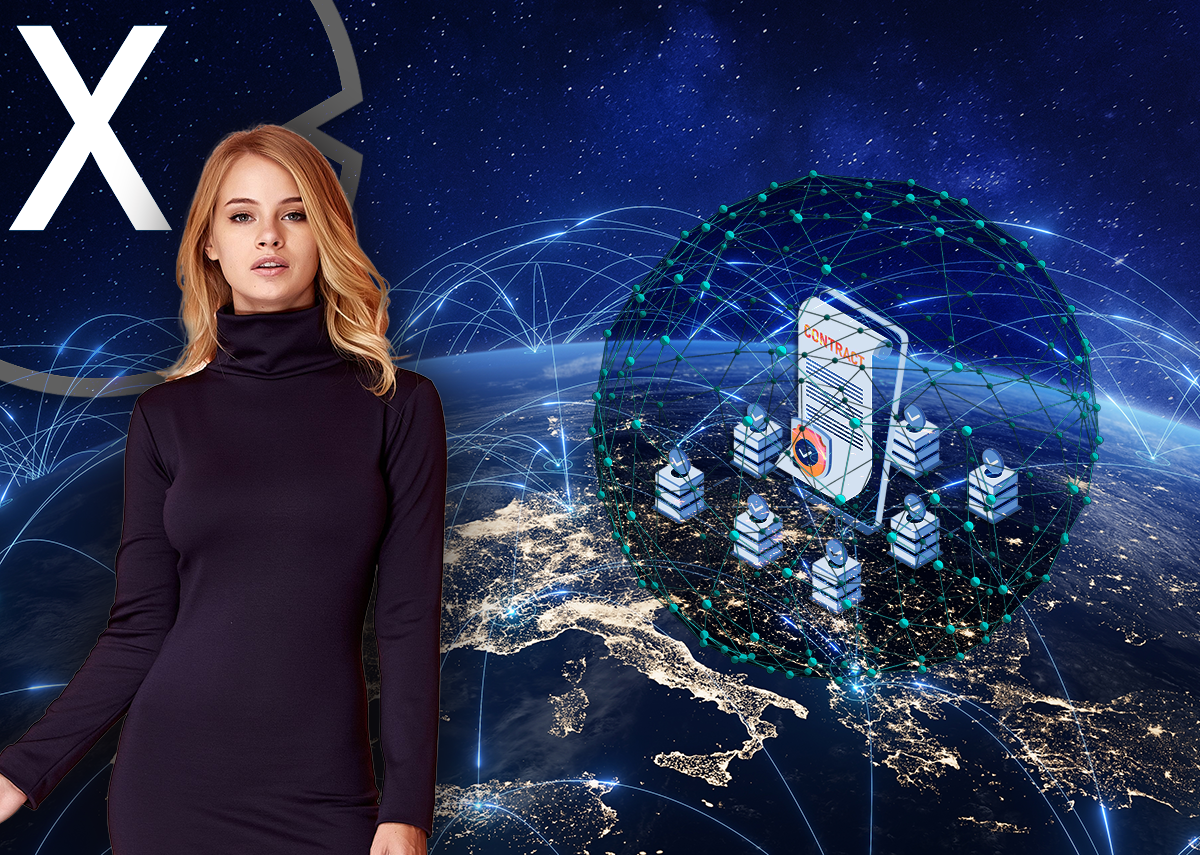
Transparency and security: How business blockchain is revolutionizing business processes – Image: Xpert.Digital
What is business blockchain?
Business blockchain refers to the application of blockchain technology in entrepreneurial and business environments. Blockchain is a decentralized, distributed database that ensures transparency, security, and the immutability of transactions. In the business world, this technology can be used in various ways to optimize processes and achieve efficiency gains.
Here are some key features and application areas of business blockchain:
1. Decentralization
Business blockchains are decentralized networks that do not require a central authority to validate transactions or verify information. This strengthens trust between parties by making manipulation or fraud more difficult.
2. Smart Contracts
Smart contracts are self-executing contracts that can be executed on the blockchain. They automate the execution of contracts once certain predefined conditions are met. This can accelerate contract processing and reduce costs.
3. Supply Chain Management
Business blockchains can be used in supply chains to improve product traceability, verify the authenticity of goods, and increase supply chain efficiency.
4. Financial transactions
Blockchain technology can be used in payment and settlement systems to process transactions faster and more cost-effectively.
5. Identity Management
Blockchain can be used to securely manage digital identities, thereby reducing identity theft and fraudulent activities.
6. Data integrity
Blockchain technology makes it possible to store data securely and immutably. This allows company data to be protected from unauthorized access.
7. Cryptocurrencies
Although business blockchains are not exclusively associated with cryptocurrencies, they can use them for payments and incentive systems, for example to reward employees or partners.
➡️ Not every application requires blockchain, and the technology also has its own challenges, such as scalability and energy efficiency. Companies must carefully consider whether integrating blockchain makes sense for their specific requirements and goals before deciding to implement it.
Efficient Supply Chain Management with Business Blockchain - The Future of Supply Chains
➡️ Smart contracts and proof of authenticity: Business blockchain is revolutionizing the supply chain.
➡️ Optimized supply chains: How business blockchain improves inventory management.
The business of blockchain and supply chain refers to the application of blockchain technology in the area of supply chain management for companies. The supply chain encompasses the entire process that a product or service goes through, from the procurement of raw materials through production and distribution to sale and delivery to the end customer.
Traditionally, these processes in companies are often managed via a central database or various systems, which can lead to challenges such as a lack of transparency, inefficient workflows, and potential security risks. This is where blockchain comes in.
The business blockchain supply chain leverages the decentralized and distributed nature of blockchain to address these challenges and improve supply chain management. Some key features and benefits of business blockchain in supply chain management include:
1. Traceability
Blockchain technology enables transparent traceability of products and components throughout the entire supply chain. Every transaction, every step, and every change is stored in a decentralized and immutable data block, creating a high degree of transparency and trust.
2. Proof of authenticity
Companies can verify the authenticity of products via blockchain. This is particularly important for high-value products where counterfeiting could be a problem.
3. Efficiency
Blockchain's automation and trust-based approach enable the optimization of business processes in the supply chain. For example, smart contracts on the blockchain can automatically release payments once certain conditions are met.
4. Inventory Management
Real-time access to information along the supply chain can improve inventory management. Companies can better track stock levels and avoid shortages or overstocking.
5. Supplier Management
Blockchain can help strengthen collaboration with suppliers by providing trusted information and transaction histories.
6. Quality Assurance
The immutable nature of blockchain can help ensure product quality and identify quality problems more quickly.
➡️ Business blockchain in supply chain management can help increase efficiency, improve transparency, make fraud more difficult, and strengthen trust between parties in the supply chain. However, companies wishing to implement this technology should carefully consider how they can integrate blockchain into their specific processes and ensure that it offers genuine added value and addresses the company's existing challenges.
What is the supply chain?
The logistics supply chain refers to the process of planning, executing, and controlling the efficient transport and storage of goods to bring them from the manufacturer to the end consumer. The supply chain encompasses all participating actors, resources, activities, information, and technologies involved in this process.
The logistics supply chain is a complex network consisting of various stages and actors, including:
1. Procurement
In this phase, raw materials, components or finished products are acquired from suppliers and manufacturers to support production or distribution.
2. Production
Here, raw materials and components are assembled or processed into finished products.
3. Storage
Storage often takes place in warehouses and distribution centers to ensure a continuous flow of products through the supply chain.
4. Distribution
During this phase, the goods are transported to distribution centers, wholesalers, retailers, or directly to the end consumer.
5. Distribution and Sales
The products eventually reach the end consumer through retail channels or directly.
➡️ The logistics supply chain is an ongoing process closely linked to other business activities. An efficient supply chain is crucial for ensuring the right products are available at the right time and in the right place, while simultaneously optimizing inventory levels, minimizing costs, and increasing customer satisfaction.
➡️ Modern technologies such as blockchain, the Internet of Things (IoT), and artificial intelligence (AI) are increasingly being integrated into the logistics supply chain to increase efficiency, improve transparency, and enhance security. By leveraging these technologies, companies can better monitor the supply chain, collect real-time data, generate accurate forecasts, and identify and resolve bottlenecks or problems more quickly.
The true strength of blockchain technology is still completely underestimated – Top Ten Blockchain Applications

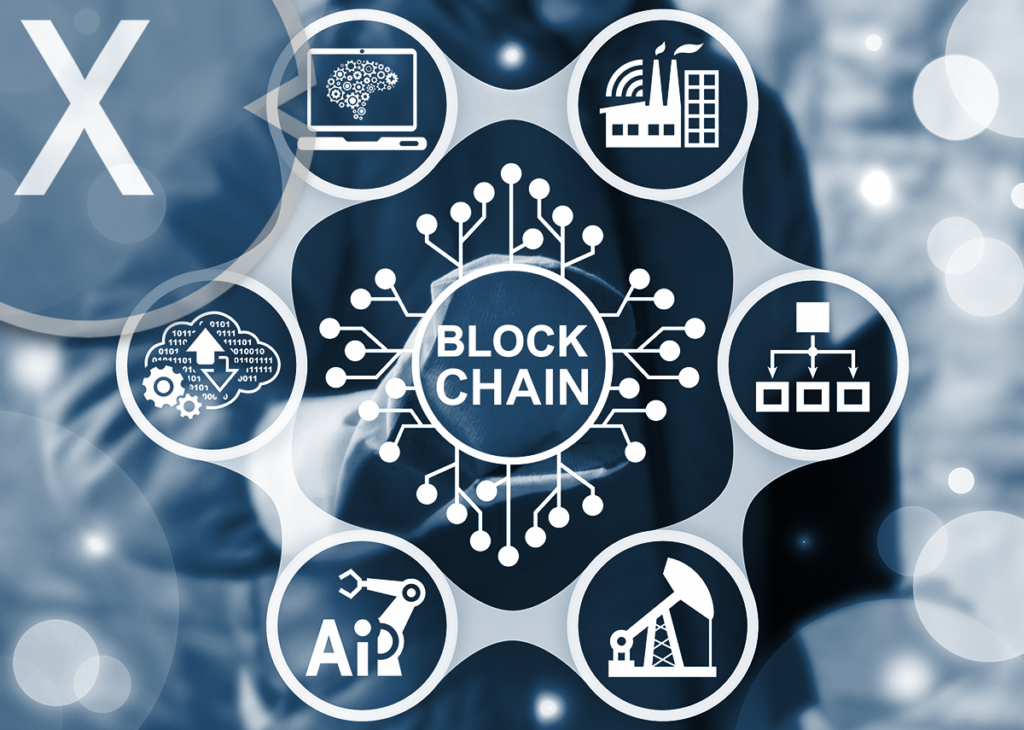
Strengths of blockchain technology – Image: Xpert.Digital
More information here:
The real strengths of blockchain technology: security and smart contracts
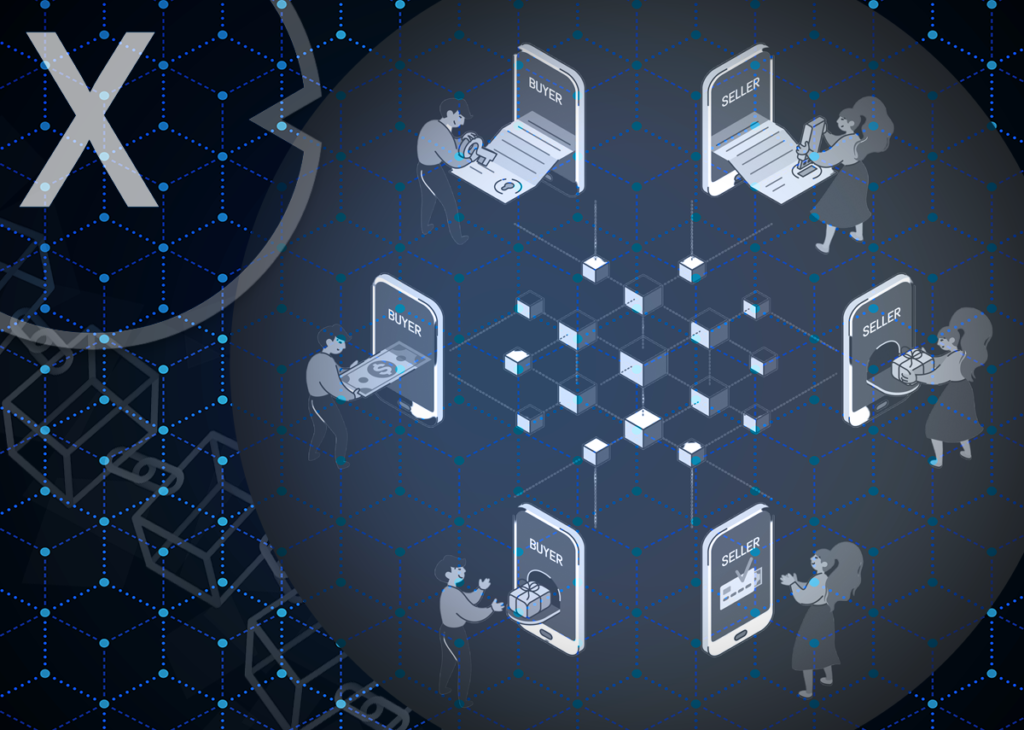
The real strengths of blockchain technology: security and smart contracts – Image: Xpert.Digital
More information here:
The real strengths of blockchain technology: security and smart contracts


Trust-building blockchain solutions for the logistics industry. Secure identity management with blockchain: The future of supply chains
More information here:

Xpert.Plus Warehouse Optimization - High-bay warehouses and pallet warehouses: Consulting and planning
Xpert.Plus – Logistics consulting and logistics optimization – industry expert, featuring its own 'Xpert.Digital Industry Hub' with over 1,000 specialist articles
Xpert.Plus is a project by Xpert.Digital. We have many years of experience in supporting and consulting on warehouse solutions and in warehouse optimization, which we combine under Xpert.Plus in a large network.

Konrad Wolfenstein
I would be happy to serve as your personal advisor.
You can contact me by filling out the contact form below or simply call me on +49 7348 4088 965 (Munich) .
I'm looking forward to our joint project.
Write to me


Xpert.Digital – Konrad Wolfenstein
Xpert.Digital is a hub for industry focusing on digitalization, mechanical engineering, logistics/intralogistics and photovoltaics.
With our 360° Business Development solution, we support renowned companies from new business to after-sales.
Market intelligence, smarketing, marketing automation, content development, PR, mail campaigns, personalized social media and lead nurturing are part of our digital tools.
You can find more information at: www.xpert.digital – www.xpert.solar – www.xpert.plus
Keep in touch