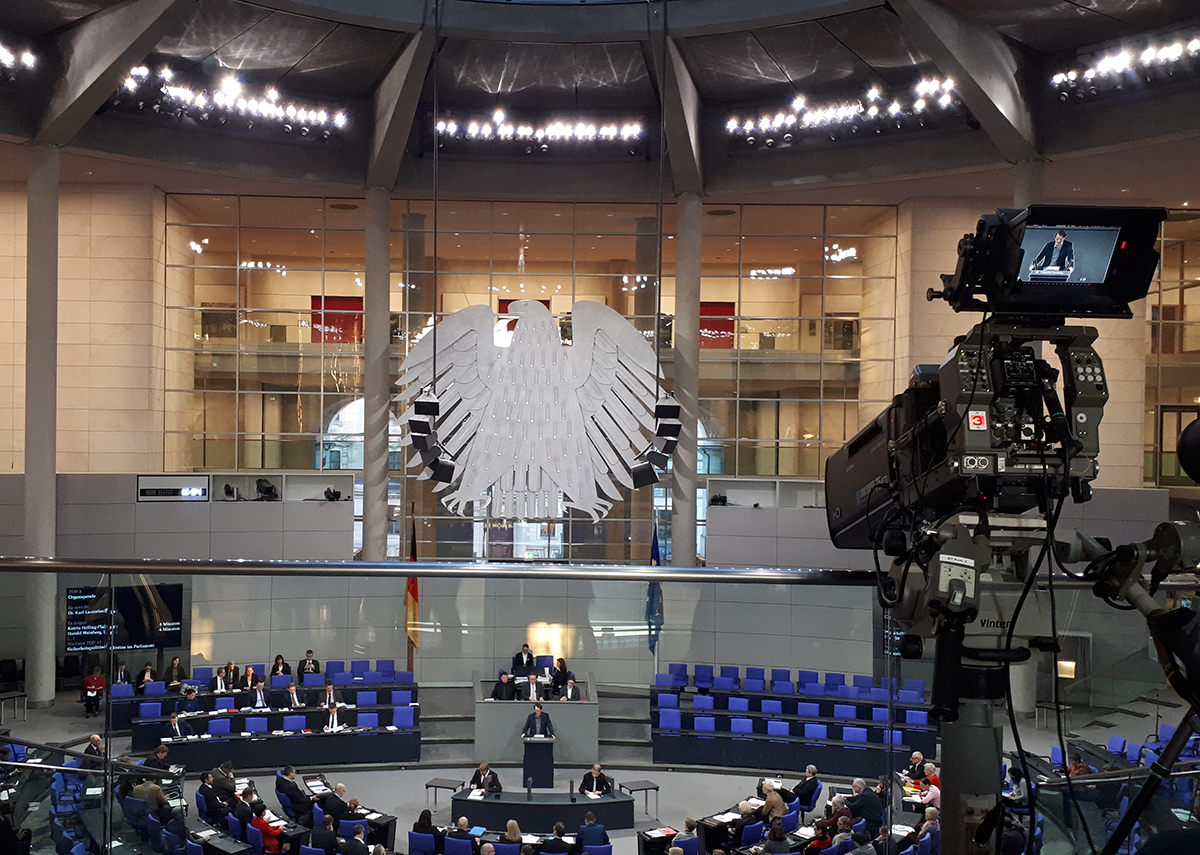
Bundestag in fast-forward: Coalition pushes for speed with the Building Energy Act (GEG) – Image: Matthias Wehnert|Shutterstock.com
The government refuses to negotiate any longer, despite fierce criticism!
The significance of the reform of the Building Energy Act (GEG) for the traffic light coalition
The governing coalition is defending its plan to hold the final vote on the reform of the Building Energy Act (GEG) in the Bundestag on Friday. They emphasize the importance of a decision on the law to avoid damage to the parliamentary process. The second and third readings of the bill are now scheduled for September 8, following delays due to requirements from the Federal Constitutional Court. Irene Mihalic, spokesperson for the Green Party, points out that members of parliament have had two additional months to thoroughly examine the Building Energy Act, and that the CDU/CSU parliamentary group has not submitted any concrete proposals for amendments.
Background of the Building Energy Act (GEG)
The Building Energy Act (GEG) is of great importance for Germany's energy transition and sustainability goals. It regulates the energy requirements for buildings and aims to ensure that they become more energy-efficient. This is a crucial step in reducing CO2 emissions and combating climate change.
The role of the traffic light coalition
The coalition government, consisting of the SPD, the Greens, and the FDP, has set itself the goal of advancing the energy transition and putting Germany on a sustainable path. The reform of the Building Energy Act (GEG) is an important step in this direction. They emphasize the urgency of this reform, as time is running out to achieve the climate targets.
The challenges on the road to reform
The reform of the GEG (Building Energy Act) does, however, face challenges. Delays caused by the requirements of the Federal Constitutional Court have disrupted the timeline. Nevertheless, it is important that members of parliament use this time to carefully examine the law and ensure that it achieves the desired objectives.
Missing suggestions for changes
Irene Mihalic of the Green Party emphasized that there have been no concrete proposals for changes from the CDU/CSU so far. This can be interpreted as a sign that the CDU/CSU might accept the law in its current form. This would be a major step towards consensus and could contribute to the successful completion of the GEG reform.
The reform of the Building Energy Act (GEG)
The reform of the Building Energy Act (GEG) is of great importance to the governing coalition and the entire nation. It ensures that buildings become more energy-efficient and thus contributes to combating climate change. Despite the challenges and delays, the coalition remains determined to successfully complete the reform and advance the energy transition in Germany. The final vote this coming Friday will be a crucial moment in this process.
Bundestag in fast-forward: Coalition pushes for speed with the Building Energy Act (GEG) - aims to pass it through the Bundestag on Friday
Recent developments regarding the Building Energy Act (GEG) are of great importance. The coalition in the Bundestag is moving quickly to pass the law this coming Friday. This raises some important questions.
1. What is the Building Energy Act (GEG)?
The Building Energy Act (GEG) is a legal framework for regulating the energy efficiency of buildings in Germany. It combines various regulations and aims to ensure that buildings become more energy-efficient.
2. Why is the coalition pushing for speed?
The coalition's haste can be attributed to various factors. These include ideological and political obligations, environmental aspects, and are also said to encompass economic considerations.
3. What impact does the GEG have on society?
The German Building Energy Act (GEG) can have significant societal impacts, as it promotes the energy efficiency of buildings. This can lead to cost savings for consumers and contribute to a reduction in energy consumption – but also to high investment costs.
4. How will the law affect the construction sector?
The construction sector is likely to be heavily impacted by this law, as it introduces new standards and requirements for energy-efficient buildings. This could affect the construction process and costs.
5. What political challenges can be expected?
Passing a law in the Bundestag can present political challenges. Opposition parties and interest groups may hold differing views.
6. Are there any opinions from experts or interest groups?
It is important to consider the opinions of experts and interest groups. They could provide information and insights that deepen the discussion.
7. What role does energy efficiency play in Germany?
Energy efficiency is an important aspect of German policy, especially in view of efforts to reduce CO2 emissions and climate change.
9. What impact does the GEG have on consumers?
Consumers can benefit from this law by being able to reduce energy costs in the long term and use more environmentally friendly buildings.
📣 Similar topics
- Introduction to the Building Energy Act (GEG): Everything you need to know about the GEG.
- The rush in the Bundestag: Why the coalition wants to pass the GEG quickly.
- Impact on society: How the GEG could affect society.
- The construction sector and the GEG: What challenges and opportunities arise for the construction sector?
- Political discussions: What political debates could develop around the GEG?
- Expert opinions: What do experts and interest groups say about the GEG?
- Timetable for the vote: When is the vote expected in the Bundestag?
- Germany's focus on energy efficiency: Why is energy efficiency so important in Germany?
- Benefits for consumers: How do consumers benefit from the GEG?
- Implementation of the GEG: What steps can be expected after the adoption of the GEG?
#️⃣ Hashtag: #BuildingEnergyAct #Bundestag #EnergyEnergyEfficiency #GermanPolitics #EnvironmentalProtection
Criticism of the draft building energy law: Experts and lobbyists point out technical flaws
Energy experts and lobbyists have sharply criticized the draft Building Energy Act. In their view, the draft contains numerous technical flaws and uncertainties that urgently need to be addressed. Despite this criticism, the government plans to pass the law without further parliamentary consultation. This has led to strong opposition, which is attempting to prevent this move, potentially causing significant delays. Following its passage, the Building Energy Act is expected to continue dominating the Bundestag's agenda.
The criticisms of the draft
Criticism of the draft Building Energy Act focuses on several key aspects. Experts point out that the definitions and requirements in the law are unclear and inconsistently formulated. This could lead to confusion among those responsible for implementing the law and result in legal disputes.
Another point of criticism concerns the objectives of the law. Many lobbyists and experts are concerned that the proposed energy efficiency standards are insufficient to achieve Germany's long-term climate goals. They are calling for stricter regulations to ensure that buildings are truly energy-efficient and make a positive contribution to environmental protection.
The planned adoption without further parliamentary consultation
A particularly controversial decision is the government's intention to pass the Building Energy Act without further parliamentary consultation. This is meeting with fierce resistance from the opposition, which argues that such an important piece of legislation should be carefully examined and debated. There are concerns that the drafting flaws and uncertainties in the law may only become apparent after its passage, potentially leading to significant problems.
The opposition's resistance
The opposition parties are doing everything in their power to prevent the passage of the Building Energy Act without further consultation. They have already announced that they will block the law in the Bundestag to allow for a thorough revision and discussion. This could lead to significant delays in the implementation of the law and has sparked a political controversy.
The draft of the Building Energy Act
The draft of the Building Energy Act is the subject of intense discussion and criticism. Experts and lobbyists are urgently calling for a revision to eliminate technical errors and uncertainties. The planned adoption without further parliamentary consultation is meeting with fierce resistance from the opposition, which could lead to potential delays. The future of this law remains uncertain, as the debate continues to dominate the political arena.
GEG/Building Energy Act: Concerns about the heating law in Germany – Reduced subsidies and rising rents


Critics express concerns about the heating law in Germany – Robert Habeck – Image: penofoto|Shutterstock.com
More information here:
The next bombshell is looming: EU renovation obligation – the Building Energy Act (GEG) is just the calm before the storm

The next bombshell is looming: EU renovation obligations – Image: Xpert.Digital
More information here:
Energy targets in jeopardy: German expansion of wind power and electromobility lags behind expectations
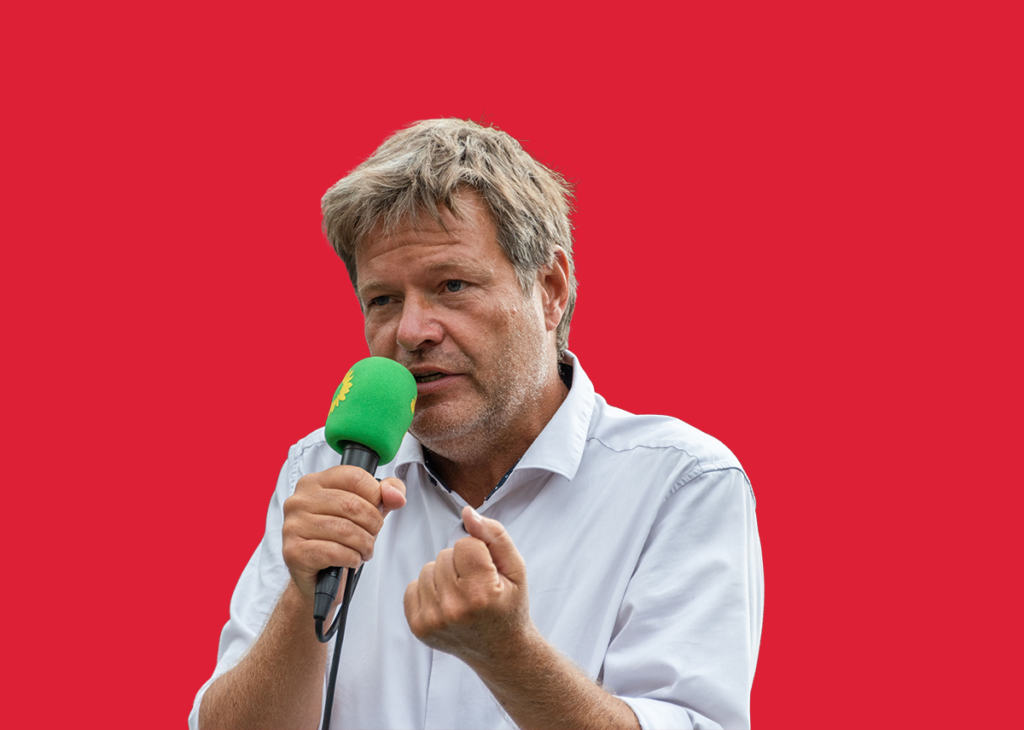
Robert Habeck, Deputy Chancellor and Federal Minister for Economic Affairs and Climate Protection of the Federal Republic of Germany – Source: penofoto|Shutterstock.com
More information here:
What impact will the CO2 tax have on companies in the coming years if they do not reduce their CO2 emissions?

Fatal impact of the CO2 tax without a reduction in CO2 emissions – Image: Xpert.Digital / BigBlueStudio|Shutterstock.com
More information here:
Write to me


Keep in touch