Strengths of blockchain technology – Image: Xpert.Digital
Blockchain technology: The hidden treasures beyond cryptocurrencies
Blockchain Revolution: 6 Impressive Strengths You Didn't Know About
Blockchain technology: the hidden treasures beyond cryptocurrencies. Transparency, security, and efficiency – the undiscovered advantages of blockchain.
In fact, there are many aspects of blockchain technology that have not yet been fully recognized or exploited. Here are some of the true strengths of blockchain technology that are often underestimated:
1. Decentralization
Blockchain is a decentralized network that operates without a central authority or intermediaries. This fosters trust and transparency, as transactions are verified by a network of participants. This can strengthen user confidence in the system, as it is less susceptible to individual disruptions or manipulation.
2. Data security and immutability
Data stored on the blockchain is secured by cryptographic mechanisms and cannot be easily deleted or altered. This creates a high level of security and integrity for the stored information. Blockchain is particularly well-suited for storing information that requires a complete and traceable history, such as in supply chains or the healthcare industry.
3. Transaction efficiency
Blockchain can enable and accelerate real-time transactions, especially compared to traditional settlement processes, which can often be time-consuming and complex. This opens up new possibilities for fast and cost-effective money transfers, particularly for international transactions.
4. Interoperability
Blockchain technology offers the possibility of interoperability between different platforms and networks. This allows various companies and organizations to collaborate seamlessly and exchange information without the need for a central authority as an intermediary.
5. Decentralized Applications (DApps)
Blockchain technology enables developers to create decentralized applications (DApps) that are not controlled by a central entity. These DApps offer new and innovative features because they distribute power and control to the users, rather than concentrating it in a single authority.
6. Tokenization of assets
Blockchain technology enables the tokenization of real-world assets such as real estate, artwork, or company shares. This creates new opportunities for trading and transferring assets, thereby increasing the liquidity of illiquid asset classes.
Blockchain technology offers immense potential for innovation and use cases that extend beyond cryptocurrencies. While some of these strengths have already been recognized and utilized, many are still in the process of research and implementation. Blockchain technology is expected to continue developing and see wider adoption across various industries in the coming years.
Where does the 'still' bad reputation of blockchain technology come from?
Blockchain's bad reputation can be attributed to several reasons, some of which are:
Cryptocurrency scandals
Blockchain technology became widely known primarily through the emergence of cryptocurrencies like Bitcoin. However, in the early years of cryptocurrencies, several scandals and fraudulent projects shook public confidence in these new digital assets. Some Initial Coin Offerings (ICOs) – a type of crowdfunding for crypto projects – proved to be fraudulent or unsustainable, resulting in losses for investors.
Volatility and speculation
Cryptocurrencies are known for their high volatility, meaning their prices can fluctuate wildly. These extreme price swings lead to speculation and the reputation of cryptocurrencies as risky and uncertain investments.
Anonymity and criminal activities
Although blockchain technology offers transparency and security, cryptocurrencies have also been associated with illegal activities such as money laundering, drug trafficking, and other criminal transactions. The pseudonymity of the blockchain, which uses user addresses instead of real names, has contributed to some criminal elements abusing this technology.
Lack of regulation and uncertainty
In the early days of blockchain adoption, the legal and regulatory environment was often uncertain as governments and authorities grappled with the new technology. This uncertainty about how blockchain and cryptocurrencies should be regulated unsettled many investors and businesses.
Technical challenges
Blockchain technology is complex and often requires specialized technical knowledge to use correctly. Many companies and organizations have struggled to implement blockchain solutions due to a lack of expertise and technical challenges.
Despite these challenges, the understanding and acceptance of blockchain and cryptocurrencies has improved over time. Technological advancements, increasing regulation, and growing interest from businesses and investors have contributed to enhancing blockchain's reputation. Today, the technology is increasingly recognized as having disruptive potential and is finding applications in various industries beyond cryptocurrencies.
Top Ten Blockchain Applications
Top Ten Blockchain Applications Beyond Cryptocurrencies: From Supply Chain Management to Healthcare – Transparent, Secure, and Efficient
1. Supply Chain Management
Blockchain can be used to track and monitor the supply chain by transparently and immutably documenting the entire process of delivering raw materials to the final product.
2. Identity Management
Blockchain can be used to create and manage digital identities to improve the security and privacy of user data.
3. Healthcare
Blockchain can help secure patient data and facilitate the exchange of medical information between different stakeholders in the healthcare sector.
4. Voting systems
Blockchain can be used to develop secure and transparent electronic voting systems to prevent election fraud and ensure the integrity of elections.
5. Real estate transactions
Blockchain can simplify the process of buying and selling real estate by securely and transparently recording all relevant information such as proof of ownership, contracts and payments.
6. Copyright Management
Blockchain can be used to authenticate and manage intellectual property by uniquely identifying digital content and documenting proof of ownership.
7. Electricity and energy trading
Blockchain can facilitate peer-to-peer trading of electricity and energy between households and businesses by enabling transactions directly between the parties.
8. Music industry
Blockchain can simplify the handling of music licenses and royalties by enabling transparent and automated billing processes.
9. Insurance
Blockchain can increase efficiency and transparency in the insurance industry by making data exchange between insurers and customers secure.
10. IoT (Internet of Things)
Blockchain can improve the security and interoperability of IoT devices by enabling decentralized data management and securing communication between devices.
➡️ These are just a few examples of how blockchain technology can be used outside of cryptocurrencies. The versatility of blockchain opens up a wide range of use cases that can revolutionize many industries and business sectors.
New territory for newcomers: What you should know now about blockchain, tokens, NFTs, wallets, cryptocurrency and the metaverse

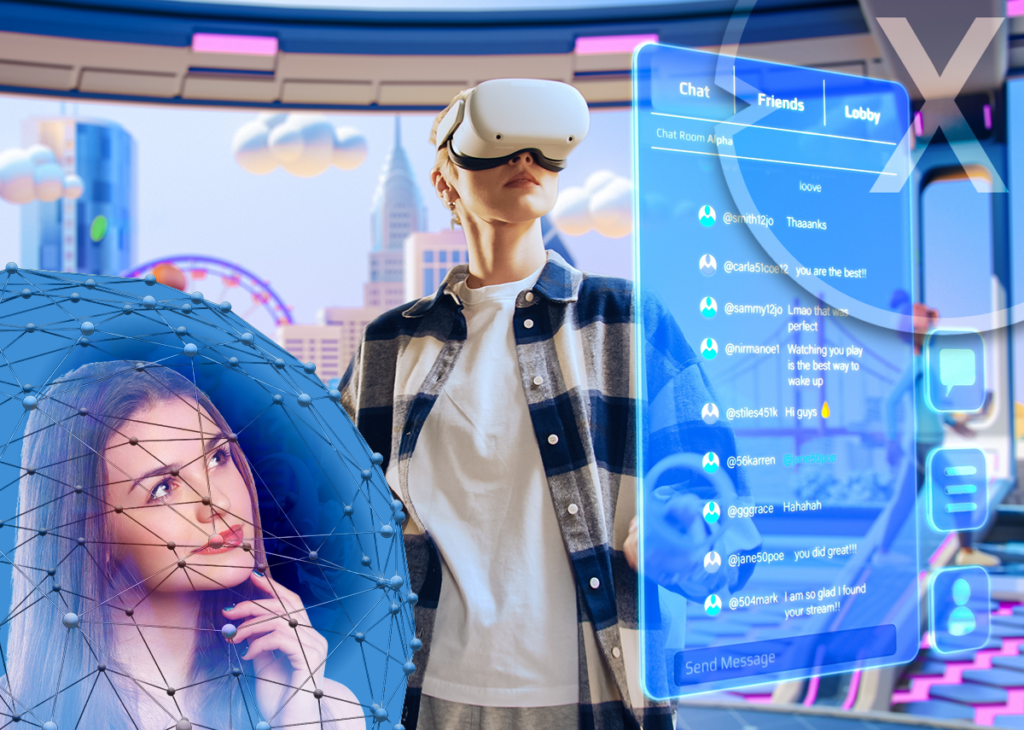
(Consumer) Metaverse: New territory for newcomers – What you should know now – Image: Xpert.Digital
In today's digital world, terms like blockchain, NFTs, wallets, cryptocurrencies, and the metaverse have become increasingly prevalent. For newcomers, these terms can initially seem confusing and complex. Here, we attempt to explain these concepts clearly and provide you with important and interesting details.
More information here:
Dekaverse: DekaBank is in the Metaverse – The Beta Metaverse – Decentraland, Marketing & Gamification

Dekaverse – DekaBank is in the Metaverse Decentraland – Image: photo_gonzo|Shutterstock.com
The Dekaverse serves as a kind of testing ground for DekaBank and its customers to explore new technologies and make them more accessible to the public. Blockchain technology, one of the most significant innovations of digitalization, is a particular focus here.
Decentraland offers users the opportunity to explore how blockchain technology works and to familiarize themselves with cryptocurrencies and NFTs. This provides a unique opportunity for those unfamiliar with these technologies to learn about them and expand their understanding.
More information here:

Xpert.Digital – Pioneer Business Development
If you have any questions, require further information or advice regarding the Consumer Metaverse or Metaverse in general, please feel free to contact me at any time.

Konrad Wolfenstein
I would be happy to serve as your personal advisor.
You can contact me by filling out the contact form below or simply call me on +49 7348 4088 965 .
I'm looking forward to our joint project.
Write to me


Xpert.Digital – Konrad Wolfenstein
Xpert.Digital is a hub for industry focusing on digitalization, mechanical engineering, logistics/intralogistics and photovoltaics.
With our 360° Business Development solution, we support renowned companies from new business to after-sales.
Market intelligence, smarketing, marketing automation, content development, PR, mail campaigns, personalized social media and lead nurturing are part of our digital tools.
You can find more information at: www.xpert.digital – www.xpert.solar – www.xpert.plus
Keep in touch