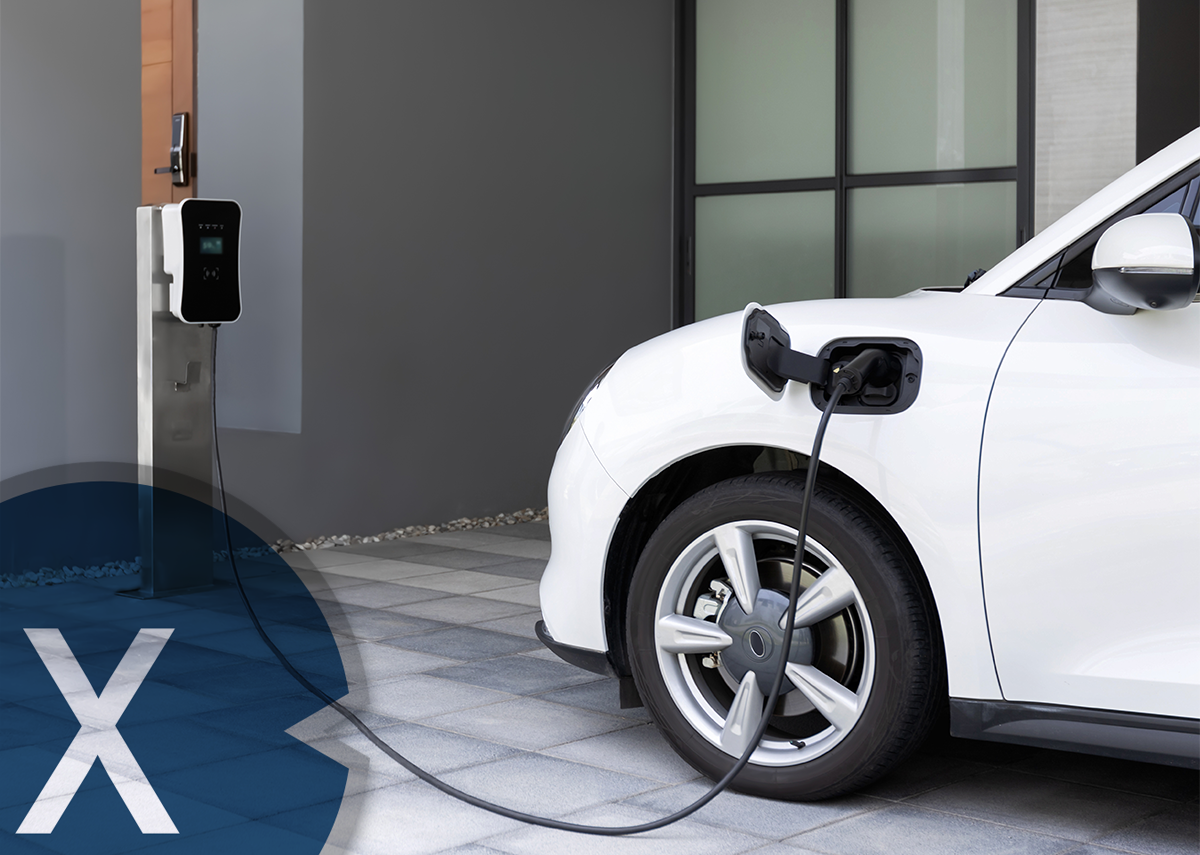
The future of electric vehicles: Bidirectional charging for energy-independent buildings and houses – Image: Xpert.Digital
An overview of the three variants of bidirectional loading
Political initiatives and innovations for bidirectional charging
In a world increasingly focused on renewable energy sources and sustainable mobility, electric vehicles (EVs) are at the heart of these revolutionary changes. One exciting concept that can take electric mobility to the next level is bidirectional EV charging. In this article, we'll explore bidirectional charging for electric vehicles and how it has the potential to make homes more energy independent.
What is bidirectional charging?
Bidirectional charging refers to the ability of electric vehicles not only to draw energy from the grid but also to feed excess energy back into the grid or into household appliances. Essentially, EV batteries can act as mobile energy storage units and thus contribute to stabilizing the power grid.
The three variants of bidirectional loading
There are three main variations of bidirectional loading that we would like to examine more closely:
1. Vehicle-to-consumer (V2L)
In the V2L model, the electric vehicle can serve as a power source for electrical devices. The vehicle becomes a mobile generator, supplying energy when needed. Imagine being able to power your household appliances directly from the EV when the main power supply fails or when you are in a remote area.
2. Vehicle-to-Home (V2H)
The V2H concept allows the electric vehicle to serve as an additional energy source for the entire house. The EV battery can be charged during off-peak electricity rates and the stored energy released during peak hours when prices are high. This allows the household to reduce its energy costs while simultaneously relieving pressure on the electricity grid.
3. Vehicle-to-network (V2G)
V2G is arguably the most exciting form of bidirectional charging. Here, the electric vehicle becomes part of the power grid itself. During periods of high electricity demand, the vehicle can feed excess energy into the grid to meet demand. EV owners thus become active participants in the energy system and contribute to the promotion of renewable energies.
Challenges and intelligent energy management systems
Although bidirectional charging shows promise, there are some challenges that need to be overcome. One of these is the technical coordination between the different EV models to ensure that the bidirectional charging function works flawlessly.
Another issue is the synchronization of charging and discharging. To avoid overloading the grid, intelligent energy management systems must be developed that optimize energy flow and take household needs into account.
An important point that must not be overlooked is the billing for the energy fed into the grid by the EV. Clear and fair regulations must be developed to promote incentives for bidirectional charging and to fairly compensate for the energy exchange.
The role of laws and regulations
For bidirectional charging to succeed, new laws and regulations are needed to support and promote this technology. It is important that governments and policymakers create incentives to encourage the adoption of bidirectional charging.
Furthermore, regulations should be created to ensure interoperability between different manufacturers and technologies. This would facilitate the development of standardized solutions and the smooth integration of EVs into the power grid.
Future outlook
Although bidirectional charging still faces some hurdles, the future is promising. With political initiatives, technological innovations, and financial incentives, this technology will become increasingly important.
The possibility that electric vehicles not only consume energy but also contribute to the energy supply as active participants is an important step towards a sustainable and decentralized energy future.
➡️ Bidirectional charging of electric vehicles is undoubtedly an exciting development with the potential to fundamentally change how we use and distribute energy. The three variants – V2L, V2H, and V2G – offer diverse possibilities for a more energy-independent future.
➡️ To realize this vision, however, we must face the challenges and develop smart solutions. With supportive legislation and a clear vision, we can create a sustainable energy future where electric vehicles not only conquer the roads but also supply our homes with clean energy.
The Xpert.Solar solar carport planner
Solar parking spaces are a promising way to generate renewable energy while simultaneously optimizing the limited space available in cities and urban areas. However, there are indeed some challenges that can hinder the implementation of such parking spaces.
One of the biggest hurdles is the high cost and planning effort associated with installing solar panels in parking lots. Not only must the cost of the solar panels themselves be considered, but also the cost of the infrastructure required to connect them to the power grid. Furthermore, the space required for the installation of the solar panels must be precisely planned and coordinated to ensure effective use of the available area.
Another obstacle is bureaucratic hurdles and permitting procedures, which can complicate the installation of solar panels in parking lots. Depending on the region or country, different regulations and rules may apply, further complicating the approval and implementation process.
Despite these challenges, there is high demand for solar parking spaces, as they represent an effective way to promote renewable energy while simultaneously optimizing space utilization in urban areas. With careful planning and collaboration between the stakeholders, the obstacles can be overcome to facilitate the implementation of such parking spaces.
➡️ We specialize in providing consulting and planning support for such solar carport projects and in advancing their implementation.
➡️ Our solar carport planner simplifies the process.
➡️ We are here for you for the next steps, thus minimizing costs and effort for you.

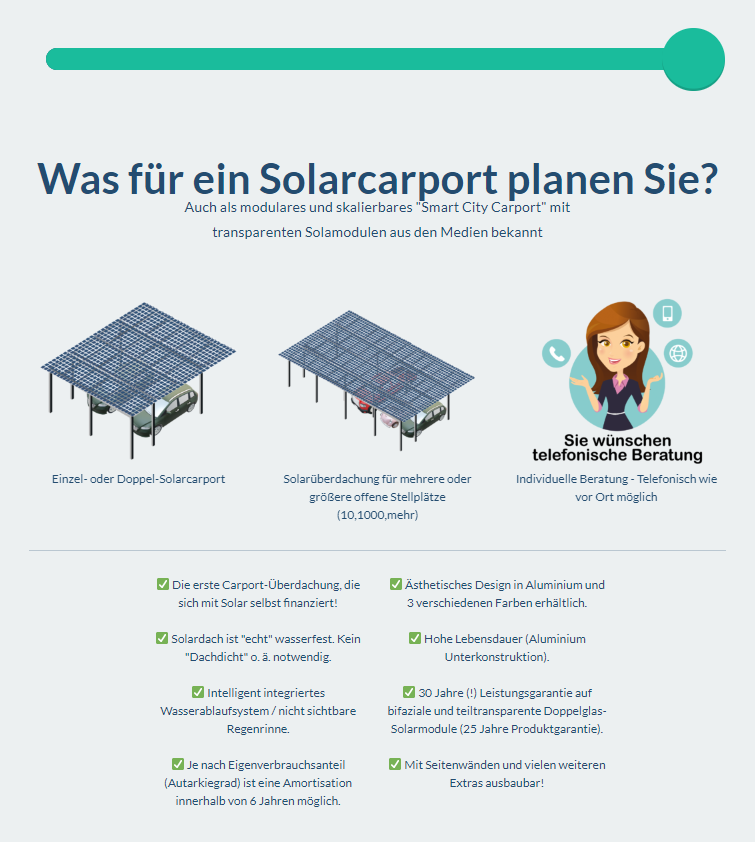
Xpert.Solar solar carport planner
More information here:
Renault and Volkswagen: Bidirectional charging for electric cars
Innovative bidirectional charging solutions for electric cars: Renault and Volkswagen are breaking new ground
Electric mobility is on the rise, and more and more automakers are recognizing the importance of bidirectional charging solutions for their electric vehicles. Both Renault and Volkswagen have plans to introduce this technology in their electric cars, thereby expanding the boundaries of conventional charging capabilities. In this article, we will take a closer look at the initiatives of both companies and how they could revolutionize electric mobility.
Renault and the electric R5 with bidirectional charging
Renault has ambitious plans to take electromobility to a new level with the soon-to-be-released electric R5. The Renault R5 is expected to launch at the end of 2024 and will be equipped with bidirectional charging. What exactly does that mean?
The groundbreaking technology of bidirectional charging allows the R5 not only to absorb energy but also to feed it back into the grid. This turns the electric car into a kind of energy storage device that can supply energy back to the grid during periods of high electricity prices. The Mobility House manages these energy transactions, ensuring efficient and reliable processing. But that's not all.
The Renault R5 will also be equipped with a so-called "Mobilize Powerbox Wallbox". This intelligent wallbox allows the driver to charge the electric car flexibly and according to market conditions, in order to benefit from cheaper electricity tariffs. This not only relieves the burden on the R5 owner, but also stabilizes the power grid.
Volkswagen and the bidirectional charging technology for the ID series
Volkswagen is also guided by the vision of bidirectional charging and is already working diligently to integrate this technology into the ID series. Here, Volkswagen is relying on direct current (DC) instead of alternating current (AC) for bidirectional charging. The ID series already supports bidirectional DC charging according to the ISO 15118-20 standard, and the integration of AC charging is planned for the future.
By using direct current (DC), Volkswagen can ensure high efficiency when charging and discharging the vehicle battery. Furthermore, this type of charging is compatible with photovoltaic systems and traction batteries, offering additional opportunities for the use of renewable energies. However, the integration of DC charging infrastructure still presents a challenge, as the corresponding wallboxes are expensive.
Volkswagen is working diligently to bring its bidirectional charging solution to market soon. A collaboration with E3/DC for a DC-based V2G wallbox could potentially be considered. However, successful implementation also depends on the political framework.
Political challenges and outlook
For bidirectional charging of electric cars to become a reality and reach its full potential, certain regulatory hurdles must be overcome. In particular, exemptions from levies for mobile energy storage devices (traction batteries) and seamless integration into the energy market are crucial.
Political decision-makers must recognize the importance and potential of this technology and take appropriate measures to enable its widespread adoption. Smart and forward-looking policies can give electromobility a further boost in Germany and Europe.
The future of bidirectional charging
Both Renault and Volkswagen have ambitious plans to introduce bidirectional charging solutions in their electric vehicles. Bidirectional charging technology promises a multitude of benefits for electromobility, from relieving strain on the power grid to integrating renewable energy sources.
However, the introduction of this groundbreaking technology requires not only the commitment of automakers but also the support of policymakers. Only through close collaboration between all stakeholders can the full potential of bidirectional charging be unlocked.
We can look forward to a promising future for electromobility, in which bidirectional charging will play a central role. Renault and Volkswagen, with their initiatives, are showing the way in this promising direction.
Tailor-made energy projects: AC/DC or DC-side planning and installation, also for third parties – let us help you achieve your goals
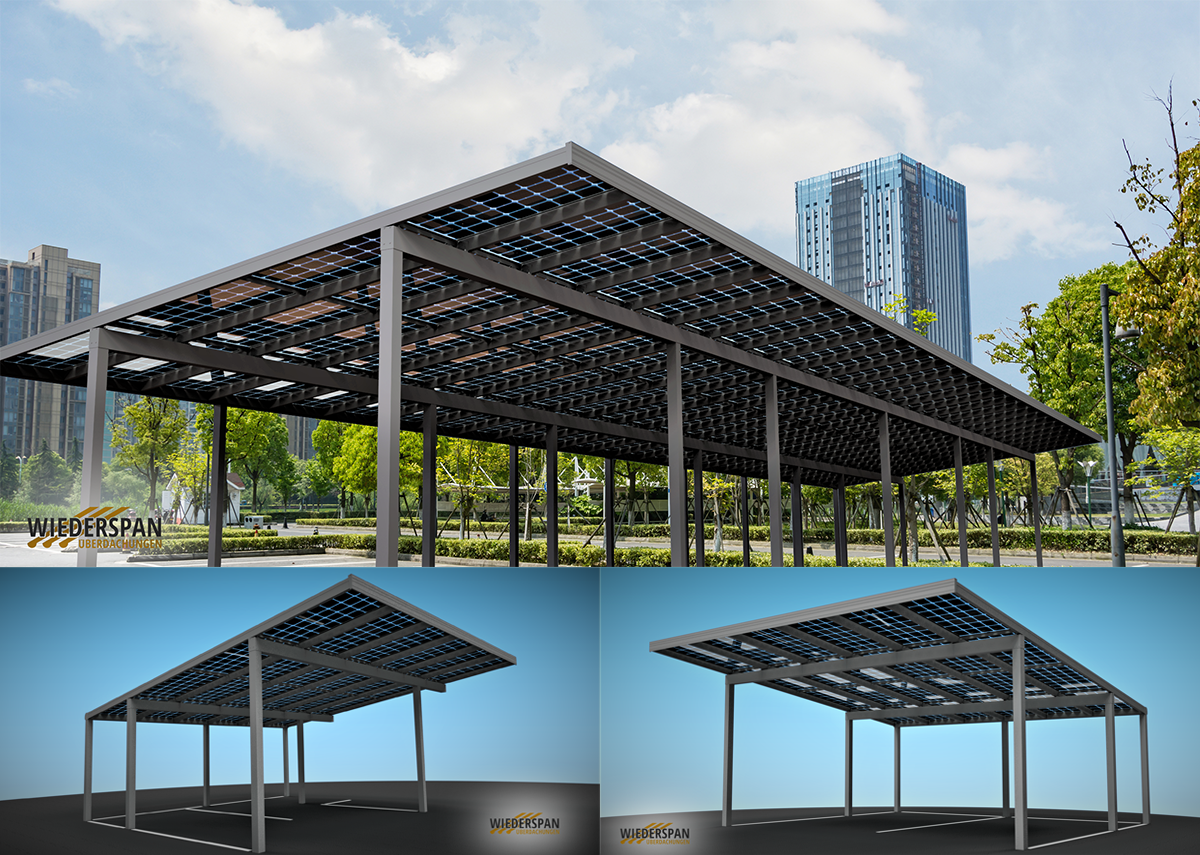
Solar canopy: Solar-covered parking lot – Image: Wiederspan.Solar
More information here:
The future of bidirectional charging for electric vehicles (EVs): advantages and challenges
In this section, we aim to provide a comprehensive overview of the emerging technology of bidirectional charging for electric vehicles (EVs). Bidirectional charging allows EVs to exchange energy with the power grid, offering a range of benefits, such as harnessing renewable energy for home use and providing backup power. While Germany is slowly catching up with Asian countries in this area, we still face some challenges in defining interfaces and developing hardware and software for vehicle-to-grid (V2G) and vehicle-to-home (V2H) applications. This article will also examine the progress German and European automakers are making in testing bidirectional charging and explore the potential of this technology.
The current situation of bidirectional charging
Currently, bidirectional charging requires specialized wallboxes with DC connectors. These enable the flow of electricity between the EV and the grid in both directions. However, it's important to note that future EVs with Type 2 connectors will natively support this functionality. This will make bidirectional charging accessible to a wider range of electric vehicles and facilitate its integration into the daily lives of EV owners.
A crucial role is played by the ISO 15118 standard, which enables communication between electric vehicles and wallboxes. This standard facilitates the exchange of information about available energy, charging power, and other relevant data between the vehicle and the charging station to ensure efficient and safe energy transfer.
Advantages of bidirectional loading
Use of renewable energy in the household
The ability to feed energy from an EV into the grid offers a great way to store and utilize surplus energy from renewable sources. If your home is equipped with a photovoltaic system, you can store the solar energy generated during the day in your vehicle and feed it back into the house later in the evening or as needed. This maximizes self-consumption of clean energy and reduces the need for electricity from the public grid.
Emergency power supply and energy independence
Bidirectional charging allows you to use your EV as an emergency power source for your home during power outages. In emergencies, you can use your electric vehicle as a backup power source to power essential appliances and household devices. This offers a high degree of security and independence, especially in regions where power outages are more frequent.
Contribution to grid stabilization
The widespread adoption of bidirectional charging technologies can also help stabilize the power grid. By enabling surplus energy from EVs to be fed back into the grid, the need for additional energy storage can be reduced. During periods of high demand, this can relieve pressure on the grid, leading to a better balance between electricity generation and consumption.
Challenges and future developments
Despite the promising advantages of bidirectional loading, we face some challenges in implementing and disseminating this technology.
Definition of standardized interfaces
The introduction of a unified standard for the interfaces between EVs and charging stations is crucial. Standardized interfaces ensure the interoperability of different vehicles and charging stations and facilitate seamless integration into the power grid. The aforementioned ISO 15118 standard plays a central role here, but further efforts are needed to achieve full harmonization.
Development of suitable hardware and software
Developing reliable hardware and software for bidirectional charging stations presents another challenge. The wallboxes must ensure efficient and safe energy transfer to prevent damage to vehicles or the power grid. Furthermore, advanced control software is required to optimize energy flow and guarantee reliable communication between the components involved.
Integration into the power grid
The widespread integration of bidirectional charging into the power grid requires comprehensive planning and coordination with energy suppliers. Grid operators must make the necessary adjustments to enable bidirectional energy transfer while simultaneously ensuring the stability and reliability of the power grid.
➡️ Bidirectional charging of electric vehicles holds enormous potential for increasing energy efficiency, utilizing renewable energies, and enhancing independence from external power sources. Combining bidirectional charging with photovoltaic systems can contribute to shaping a sustainable energy future. Although challenges remain, progress in the development of this technology is promising, and German and European automakers are playing a key role in researching and implementing bidirectional charging.
Let's work together towards a sustainable future, in
Our preferred city solar carport or solar carport module
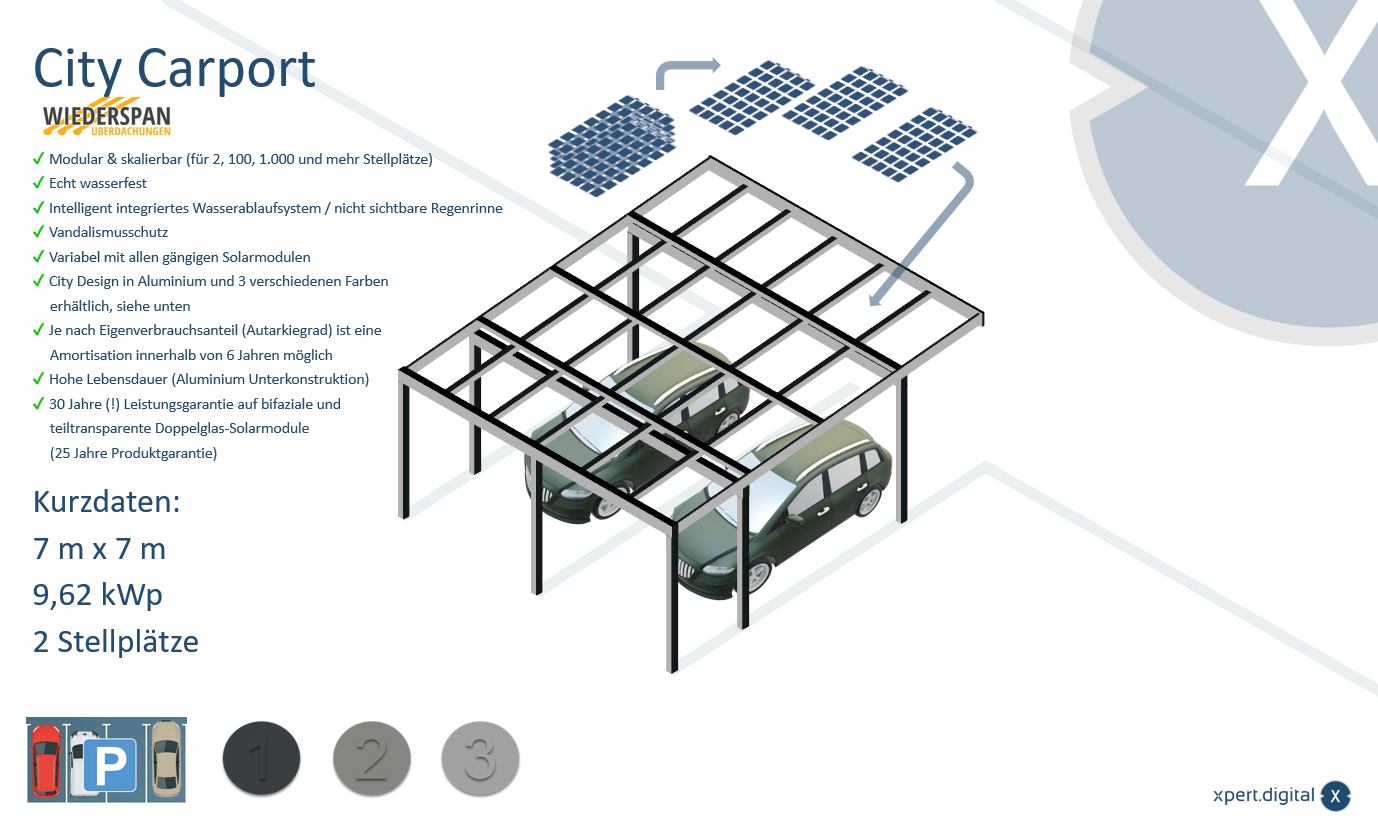
The City Solar Carport – with enhanced impact and vandalism protection – Image: Xpert.Digital
Advantages at a glance
- Support & Made in Germany
- Modular & scalable (for 2, 100, 1,000 and more parking spaces)
- Truly waterproof
- Integrated water drainage / concealed rain gutter
- Vandalism protection, optionally with integrated impact protection
- Compatible with all common solar modules
- City Design available in aluminium and 3 different colours
- Depending on the level of self-consumption (degree of self-sufficiency), amortization is possible within 6 years
- Long service life (aluminum substructure)
- 30-year (!) performance guarantee on bifacial and semi-transparent double-glass solar modules (25-year product guarantee)
- Reduction of urban heat islands
- Building-integrated photovoltaics
- Ideally suited for transparent and translucent double-glass solar modules with overhead mounting approval!

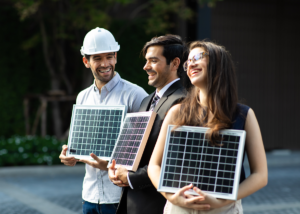
- Planning photovoltaics on warehouses, commercial buildings and industrial buildings
- Industrial plant: Planning a photovoltaic open-field system or open-area system
- Planning solar power systems with photovoltaic solutions for freight forwarding companies and contract logistics
- B2B Solar Systems and Photovoltaic Solutions & Consulting
From simple solar carports to large-scale systems: Xpert.Solar offers individual solar carport consultation

Konrad Wolfenstein
I would be happy to serve as your personal advisor.
You can contact me by filling out the contact form below or simply call me on +49 7348 4088 965 .
I'm looking forward to our joint project.
Write to me


Xpert.Digital – Konrad Wolfenstein
Xpert.Digital is a hub for industry focusing on digitalization, mechanical engineering, logistics/intralogistics and photovoltaics.
With our 360° Business Development solution, we support renowned companies from new business to after-sales.
Market intelligence, smarketing, marketing automation, content development, PR, mail campaigns, personalized social media and lead nurturing are part of our digital tools.
You can find more information at: www.xpert.digital – www.xpert.solar – www.xpert.plus
Keep in touch