

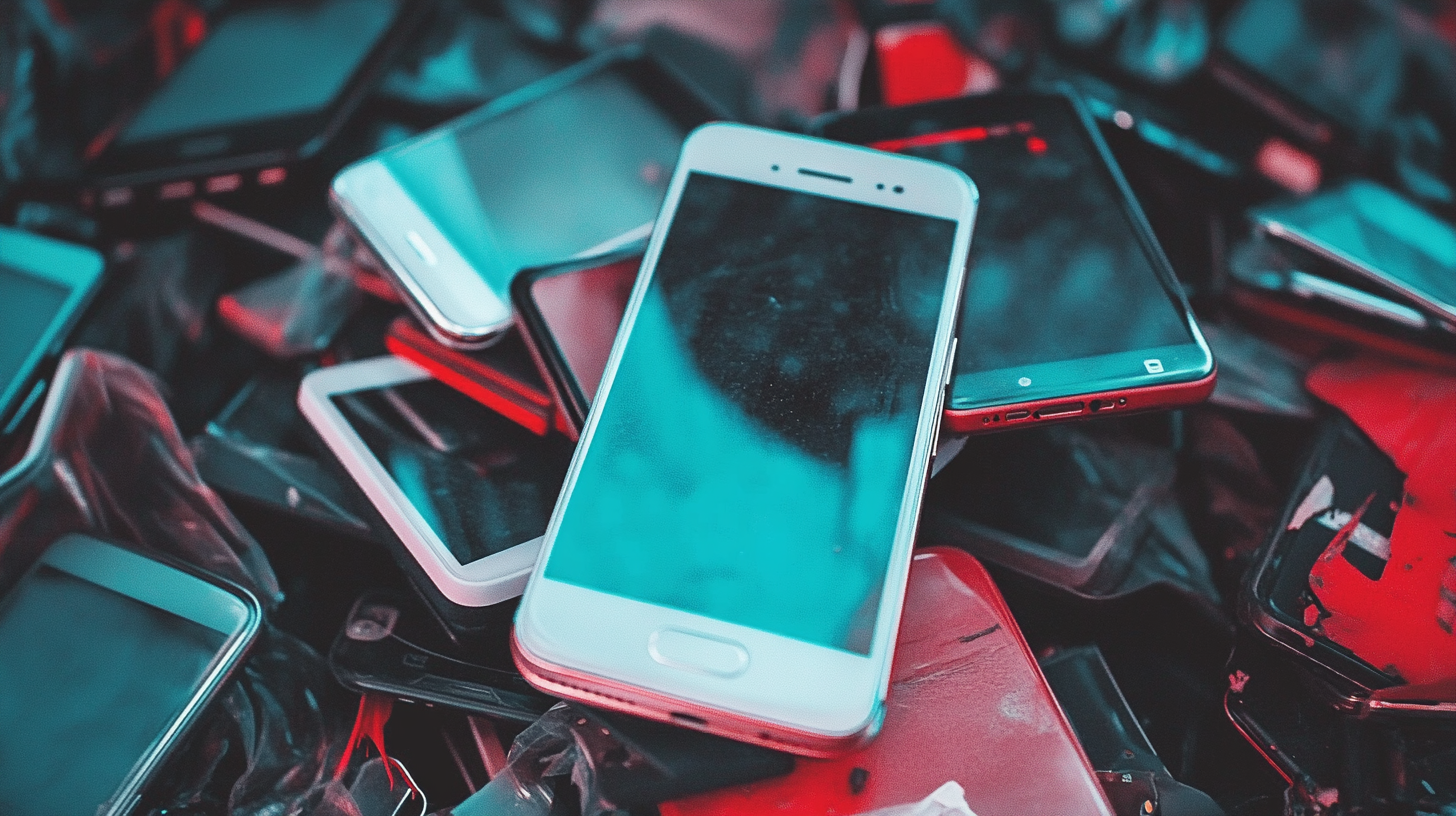
A B2B world without smartphones? Hardly imaginable! – Image: Xpert.Digital
The indispensable business tool: Why the smartphone is driving the modern business world
Communication, speed, decisions: How smartphones have changed the working world
The digital revolution, and in particular the proliferation of smartphones, has fundamentally transformed the B2B world and the world of work as a whole. Smartphones have become indispensable tools for businesses, accelerating communication, efficiency, and decision-making processes to an unprecedented degree. It is difficult to imagine how the modern business world would function without this mobile device.
Changes brought about by smartphones in the B2B sector
1. Mobile communication and faster decisions
Smartphones have revolutionized communication, making it possible to stay in touch anytime, anywhere. In the B2B world, this means:
- Faster decision-making processes: Over 50% of B2B searches are now conducted via smartphones. Companies that use mobile platforms can close deals an average of 20% faster.
- More efficient customer interaction: Customer inquiries can be answered in real time, which increases customer satisfaction and customer loyalty.
- Location independence: Employees and managers are no longer tied to fixed offices, but can work from anywhere.
2. Flexibility and new working models
Digitalization has led to rigid working hours becoming a thing of the past. Smartphones promote:
- Hybrid work models: Home office, remote work and mobile working are now standard in many companies.
- Work-life balance: Employees can work flexibly, which has a positive effect on their satisfaction and productivity.
- Global collaboration: International teams can communicate more efficiently because they are connected at all times via mobile applications.
3. More efficient communication and collaboration
Modern communication apps like Microsoft Teams, Slack, or Zoom make collaboration easier:
- Virtual meetings: Video conferences replace expensive and time-consuming travel.
- Direct voting: Short messages and push notifications enable immediate communication.
- Team management: Project management tools like Asana or Trello optimize teamwork and increase productivity.
4. Real-time data access and cloud technologies
Cloud solutions are indispensable in the B2B sector, as they enable access to company data from anywhere:
- Up-to-date information: Sales figures, stock levels or customer feedback are available at any time.
- Security and data protection: Modern apps guarantee secure data transmission and encrypted storage.
- Automation of processes: Many routine tasks are automated by digital tools, thereby saving valuable resources.
5. Digitization of business processes
The integration of mobile technologies enables more efficient processes:
- Automation: CRM and ERP systems work together with mobile applications to optimize processes.
- Digital contract conclusions: Mobile signatures and digital documents simplify contract processes.
- Artificial intelligence: Chatbots and AI-supported systems assist companies in customer communication.
6. New business models and market strategies
Digitalization brings innovative opportunities:
- Digital sales channels: Sales representatives can maintain and optimize customer relationships via mobile CRM systems.
- E-commerce growth: Companies are increasingly shifting their business models to the digital realm in order to tap into new markets.
- Personalized customer experiences: Big data and mobile analytics tools help to specifically identify customer needs.
7. Challenges of Digitalization
Despite its many advantages, digitalization also brings challenges:
- Data protection and cybersecurity: Companies must ensure that mobile systems are protected.
- Pressure to be available: Employees can come under pressure due to the constant need to be available.
- Training needs: Employees need to be regularly trained in new technologies to keep pace with developments.
Smartphones as an indispensable part of the B2B world
The digital revolution, particularly the integration of smartphones into the workplace, has profoundly shaped B2B business. Companies benefit from more efficient processes, improved communication, and increased productivity. At the same time, however, it is crucial to consider data protection, cybersecurity, and a healthy work-life balance in order to fully leverage the potential of digitalization.
Without smartphones, today's B2B world would be less flexible, less efficient, and significantly slower. They have become not just a means of communication, but the central tool of modern companies – and will continue to play a key role in the working world in the future.
Related to this: