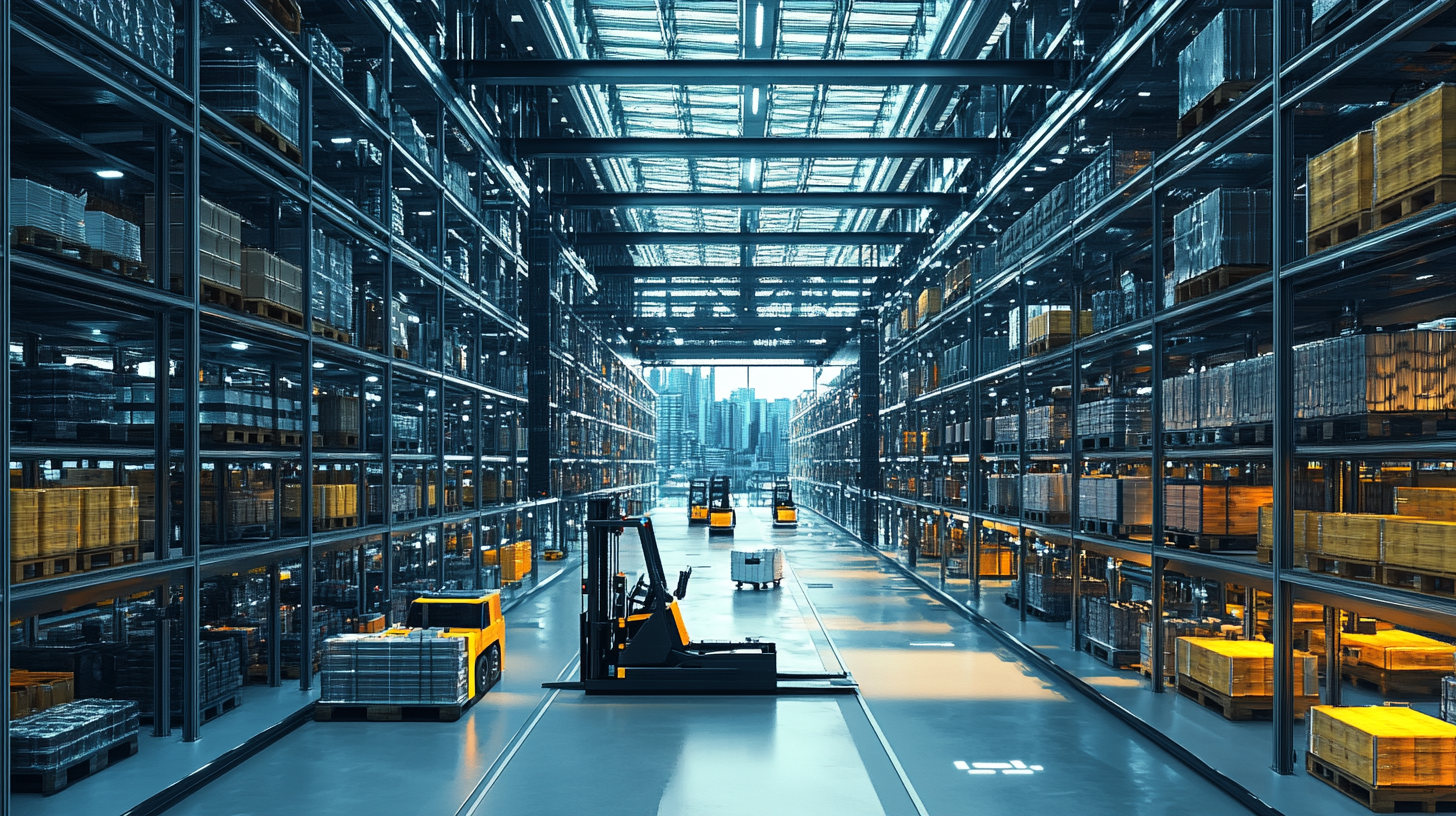
Automated high-bay warehouses and pallet warehouses in the USA: Market developments and innovations in logistics and intralogistics – Image: Xpert.Digital
Increasing efficiency in the high-tech warehouse: The role of automation in the USA
Warehousing in the US is undergoing rapid change. Driven by factors such as the e-commerce boom, increasing demands for supply chain efficiency, and the ongoing labor shortage, companies are increasingly investing in automated warehouse solutions. This report examines the market development of automated high-bay warehouses and pallet storage systems in the US and highlights the latest innovations in this field.
Market developments in the USA
The warehouse automation market in the US is experiencing strong growth. According to Precedence Research, the global warehouse automation market reached a volume of US$18.1 billion in 2023 and is projected to grow to US$71.03 billion by 2032, representing a compound annual growth rate (CAGR) of 15.91%.
Next Move Strategy Consulting estimates that the market value for warehouse automation in the US was $6.7 billion in 2022 and will grow to $16.5 billion by 2030, with an annual growth rate of 9.2%.
Grand View Research forecasts a market volume of US$59.52 billion in 2030 and expects an annual growth rate of 18.7% between 2024 and 2030.
It is important to note that estimates and forecasts vary between sources:
- Different geographical coverage: While two sources provide global figures, one focuses on the US market.
- Varying growth rates: The projected annual growth rates range from 9.2% to 18.7%.
- Different market sizes: Estimates for the global market size in 2030 vary between USD 59.52 and 71.03 billion.
Global Market Size and Growth
These figures highlight the growing importance of automated solutions in US warehousing. North America holds a leading position, dominating the global warehouse automation market in 2023 with a 37% market share. The US warehouse automation market is projected to grow at a compound annual growth rate (CAGR) of 16.1%, with a CAGR of 16.70% forecast for the North American market. The US is at the forefront of adopting automation solutions to meet the demands of its massive e-commerce industry, which sets high standards for speed, accuracy, and efficiency in order fulfillment.
Despite a recent slowdown, the warehouse automation sector is poised for significant change and growth. Over 80% of warehouses currently lack any automation, but this is set to change dramatically in the next 5 to 10 years. Companies are increasingly investing in automation technologies to meet growing consumer demand for faster delivery times and to address the challenges of labor shortages.
The North American market for pallet racking systems is estimated at US$4.04 billion in 2024, projected to grow at a compound annual growth rate (CAGR) of 9.43%. The market value for warehouse conveyor systems is estimated at US$15.32 billion in 2024 and is expected to reach US$20 billion by 2030, with a CAGR of 4.5%.
Drivers of market growth
Several factors contribute to the growth of the market for automated high-bay warehouses and pallet storage systems in the USA:
E-commerce boom
The continued rise of online retail is driving an increased need for efficient warehousing and logistics processes. Automated solutions enable faster order processing and higher throughput rates.
Increasing demands on supply chain efficiency
Companies are under pressure to optimize their supply chains and shorten delivery times. Automated warehouses help to increase efficiency and reduce costs.
labor shortage
Many industries are experiencing a shortage of skilled workers. Automated solutions can help close this gap and reduce reliance on manual labor.
Technological advances
The rapid development of technologies such as artificial intelligence, robotics and the Internet of Things (IoT) is enabling increasingly advanced automation solutions.
Increasing demand for wooden pallets
The expansion of the warehousing, logistics, food and beverage, and manufacturing industries is driving demand for wooden pallets in the US. The e-commerce boom has led to an increase in warehouse construction, and other sectors, such as renewable energy, are also contributing to this trend.
Impact of the e-commerce boom on the pallet racking systems market
The increasing activity of e-commerce is boosting the warehousing and distribution segment and increasing the demand for efficient warehouse solutions. With the rise in online sales, warehouses must optimize available space and improve inventory management. This leads to the increased use of pallet racking systems, resulting in faster order fulfillment, greater logistics efficiency, and further market growth.
Challenges and risks
Rapid technological advancements pose a potential risk to ASRS systems, as they can quickly become obsolete. Companies must continuously stay up-to-date with the latest technologies and adapt their systems accordingly to remain competitive.
Latest innovations
Automated high-bay warehouses
- Vectura Storage and Retrieval System: Swisslog has developed an innovative storage and retrieval system called Vectura, which impresses with its high performance and energy efficiency. A novel mast design combined with intelligent controls ensures energy savings of up to 20%.
- PowerStore Shuttle System: The PowerStore Shuttle System from Swisslog is specifically designed for high throughput requirements in a high-density pallet warehouse.
- Continental's fully automated high-bay warehouse: Continental has opened a fully automated high-bay warehouse with a storage capacity of over 930,000 tires at its tire plant in Otrokovice, Czech Republic. The 43-meter-high warehouse uses mobile stackers that automatically move the tires, stored on pallets, within the warehouse area.
pallet storage
- Modula Pallet: Modula has launched an innovative pallet storage system called Modula Pallet on the US market. The system keeps pallet movements at floor level, optimizes vertical space, and reduces the risks associated with lifting and storing pallets at height.
- Lineage Eye: Lineage has developed Lineage Eye, a combination of pallet scanning hardware and computer vision software that optimizes the goods receiving process.
- Moffett Taxi™ System: Moffett Automation offers the Moffett Taxi™ System, which enables a higher pallet density per square meter than any other automated storage solution worldwide. The system can handle loads of up to 1500 kg and reaches every corner of the warehouse.
These innovations demonstrate a clear trend toward increased efficiency, improved storage density, and enhanced safety in automated high-bay and pallet warehouses.
Key players in the pallet storage market
Key players in the US pallet storage market include:
- Daifuku
- Millwood, Inc.
- Anderson Pallet and Crate Inc.
- TMF Corporation
- Orbis Corporation
- Kamps Inc.
- Palletone Inc.
- John Rock, Inc.
Comparison with other countries
While the US is a leader in warehouse automation, strong growth is also being seen in other countries, particularly in Europe. In 2020, Germany and the UK led the European warehouse automation market, while the US was the world's largest market at $8.1 billion. The annual growth rate of the US warehouse automation market is estimated at 16.1%.
The UK is expected to become the largest warehouse automation market in Europe by 2025, overtaking Germany, with an annual growth rate of 24%. By 2025, the UK market is projected to reach a volume of US$3.9 billion, making it US$0.9 billion larger than the German market.
Demand for automated solutions is increasing
The US market for automated high-bay and pallet warehouses is undergoing dynamic development. Driven by factors such as the e-commerce boom, increasing demands for supply chain efficiency, and the ongoing labor shortage, companies are increasingly investing in automated solutions. The latest innovations enable greater efficiency, improved storage density, optimized processes, and enhanced safety.
The trend toward automation is expected to intensify in the coming years as more and more companies recognize the benefits of this technology in their warehousing. The increasing demand for faster delivery times, the need to reduce costs, and the challenges of labor shortages will drive further market development.
The automation of warehousing not only impacts the efficiency and profitability of individual companies, but also the entire economy and global supply chains. By optimizing warehouse processes, companies can strengthen their competitiveness and contribute to economic growth.
LTW Intralogistics Solutions
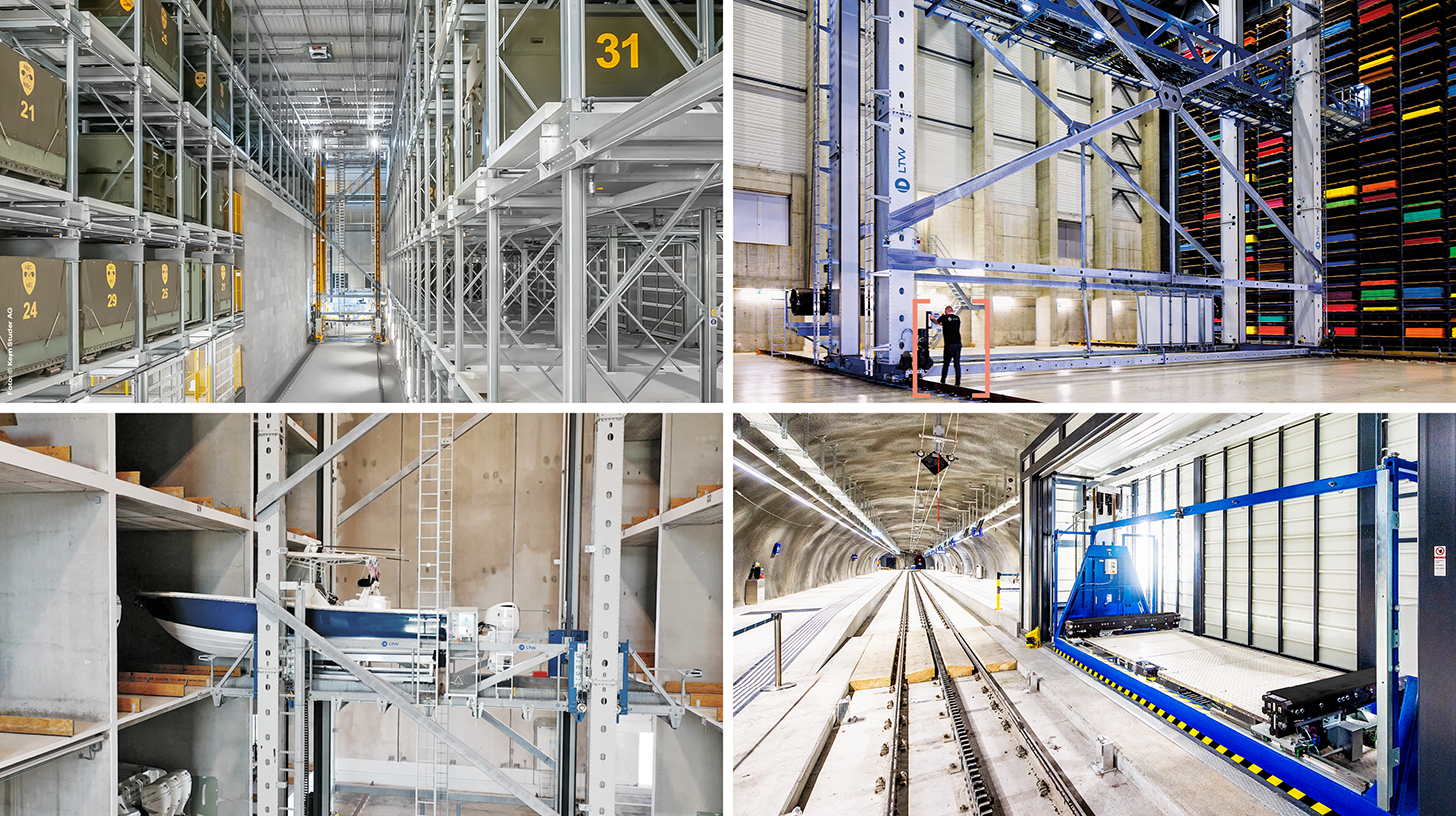
LTW Intralogistics – Engineers of Flow - Image: LTW Intralogistics GmbH
LTW offers its customers not individual components, but integrated complete solutions. Consulting, planning, mechanical and electrotechnical components, control and automation technology, as well as software and service – everything is networked and precisely coordinated.
In-house production of key components is particularly advantageous. This allows for optimal control of quality, supply chains, and interfaces.
LTW stands for reliability, transparency, and collaborative partnership. Loyalty and honesty are firmly anchored in the company's philosophy – a handshake still means something here.
Related to this:

Xpert.Plus Warehouse Optimization - High-bay warehouses and pallet warehouses: Consulting and planning