"Asphalt parking" in the city – Image: ABCDstock|Shutterstock.com
Solar carports with five functions!
In addition to the triple functionality of parking, weather protection and electricity generation, a fourth and further environmental policy aspect is added: reduction of urban heat islands.
Temperatures in cities are rising steadily. This is primarily due to the ever-increasing amount of asphalt that covers the area. Parking lots and streets create heat islands, which cause the ambient temperature to rise.
These urban heat islands are a major problem, especially in densely populated areas. In New York City, for example, the average summer temperature is almost five degrees higher than in the suburbs. This means that it is much hotter in the city than in rural areas.
The problem with urban heat islands is that they are not only unpleasant for people, but also lead to increased energy demand. Air conditioners have to work harder and therefore consume more electricity. Vehicles also have to use more energy to move around in the heat.
All of this leads to further warming of the atmosphere and thus to even more urban heat islands. It's a vicious cycle that can only be broken if we make our cities greener.
One possibility would be to plant more trees and green spaces in cities. Or to shade asphalt surfaces with solar roofs.
Semi-transparent modules that allow light to pass through can even be used to integrate greening elements underneath, which in turn creates new acceptance and possibilities for urban planners and architects.
This would not only lower the temperature but also reduce CO₂ emissions. Furthermore, it would be good for people to spend time in nature and enjoy the fresh air.
More information here:
Health protection as the 5th functionality of solar carports
It is an indirect function with far-reaching consequences. Urban heat islands can directly affect the health and well-being of city residents. In the United States alone, an average of 1,000 people die each year as a result of extreme heat. Because urban heat islands are characterized by elevated temperatures, they can potentially increase the intensity and duration of heat waves in cities. Studies have shown that the mortality rate during a heat wave increases exponentially with the peak temperature, an effect that is further amplified by urban heat islands. The number of people exposed to extreme temperatures is increased by the warming caused by urban heat islands.
Expanding open parking spaces and shifting the general understanding of parking areas can improve the health of urban residents by repurposing paved surfaces. Transparent solar panels also offer new design possibilities for urban planners and architects to create green spaces, which in turn has a positive impact on well-being and the overall quality of life in cities.
More information here:
Beautiful architectural asphalt deserts?
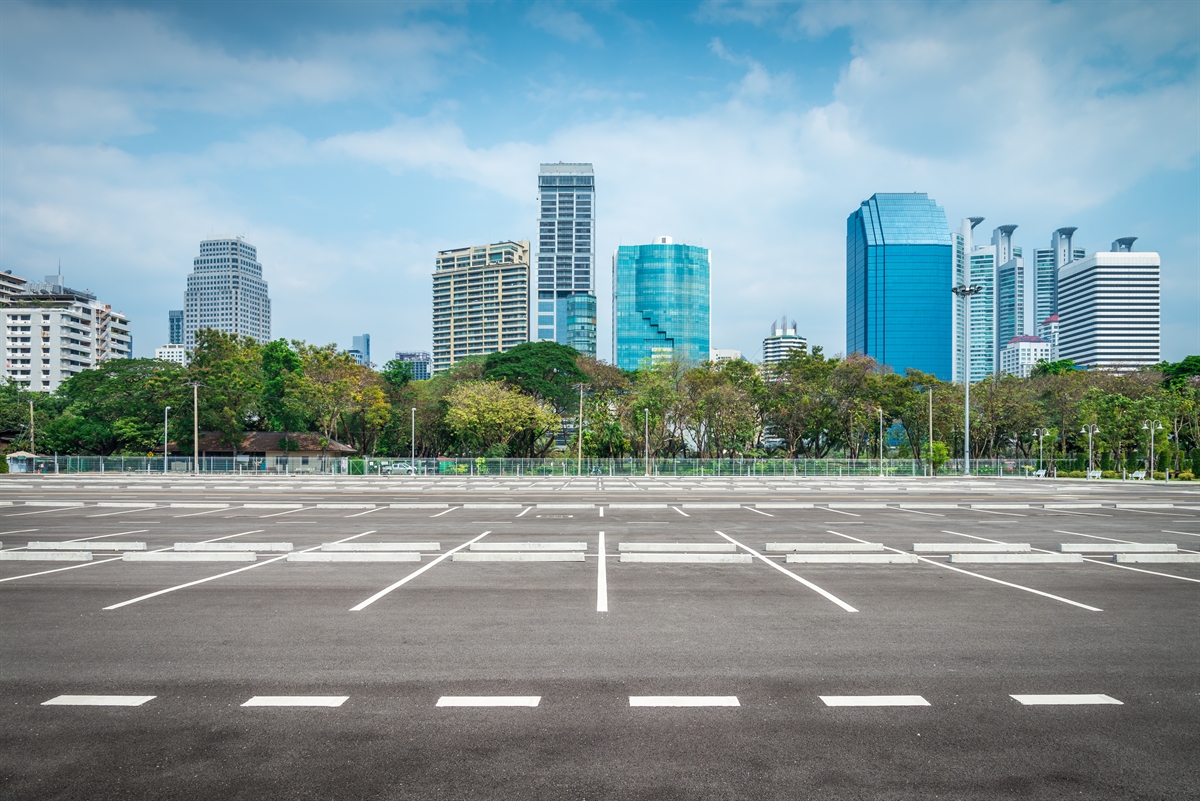
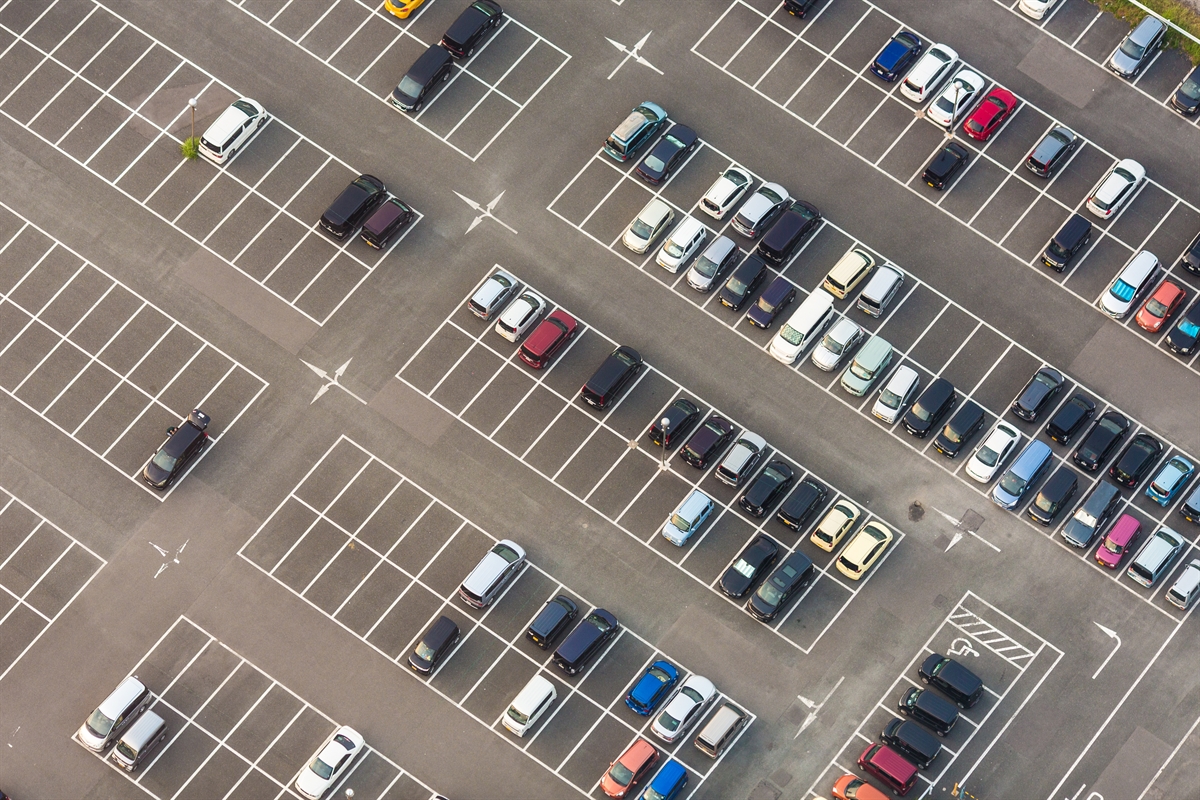
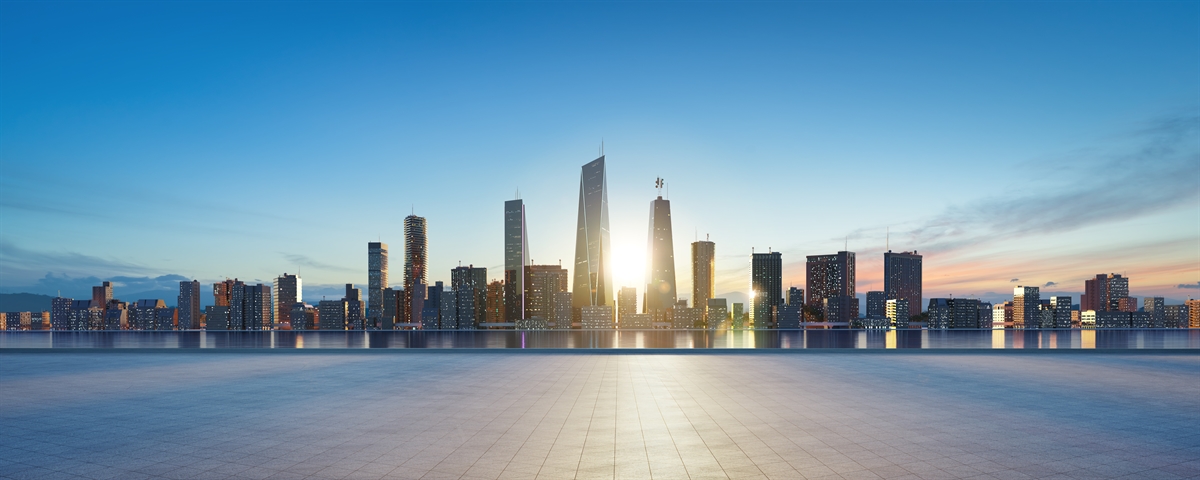
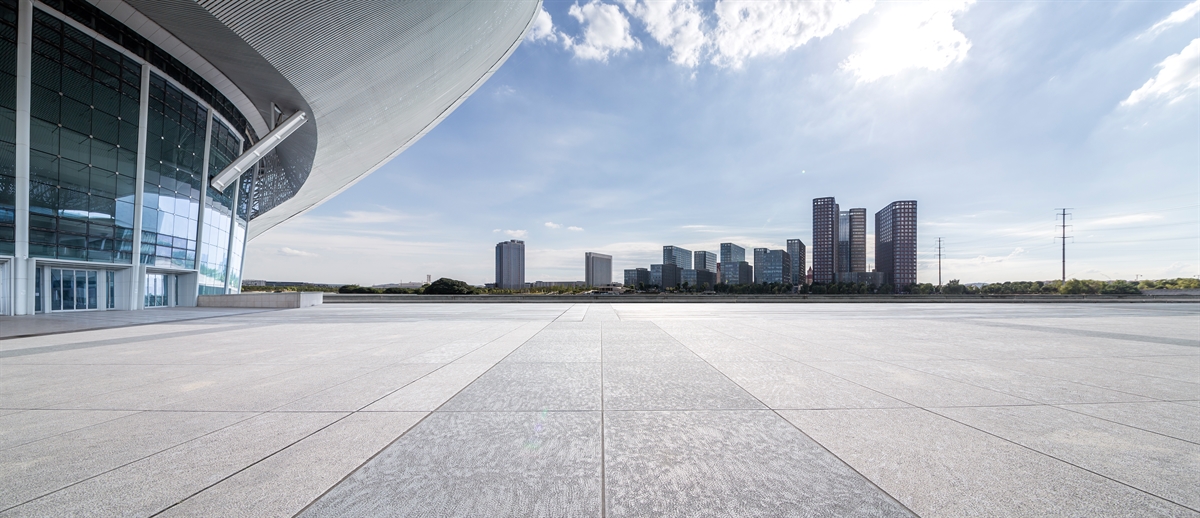
Beautiful architectural asphalt deserts?
Some cities have already recognized that installing solar power systems in public parking lots can be an effective way to reduce urban heat islands.
Solar facades are another way to reduce urban heat islands. They absorb solar energy and convert it into electricity. This electricity is then used to light the building or power its air conditioning. Solar facades can also be used to heat water or generate other forms of energy.
Solar facades offer a multitude of advantages over conventional facades. First, they are more energy-efficient. Solar facades harness solar energy to generate electricity instead of simply dissipating it. Second, solar facades reduce the need for conventional energy sources like coal and gas. Third, solar facades help reduce pollution caused by the extraction of fossil fuels.
Why park on the asphalt at all?
Asphalt is an ideal surface for parking cars. It is smooth and level, making it easy to park your car. It is also easy to clean and maintain.
The major advantage of asphalt parking so far has been that it's much easier and cheaper to build or repair a parking lot. But it's not sustainable. This awareness is only slowly growing. Previously, the issue was often ignored because there were no other real alternatives or practical solutions.
Another major advantage of asphalt parking is its versatility. It can be laid out in various sizes and shapes, making it suitable for both small and large vehicles. The design of the asphalt parking area is also very flexible. For example, you can use different areas for different purposes.
In combination with semi-transparent solar module roofing and simultaneous partial expansion of greening options, a turnaround and a change of thinking are now possible here as well.
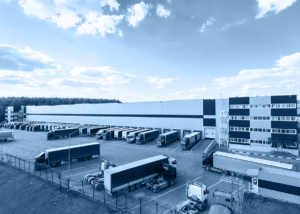
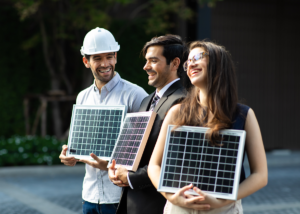
- Planning photovoltaics on warehouses, commercial buildings and industrial buildings
- Industrial plant: Planning a photovoltaic open-field system or open-area system
- Planning solar power systems with photovoltaic solutions for freight forwarding companies and contract logistics
- B2B Solar Systems and Photovoltaic Solutions & Consulting
From simple solar carports to large-scale systems: Xpert.Solar offers individual solar carport consultation – the combination of wooden substructure, steel columns and semi-transparent solar modules

Konrad Wolfenstein
I would be happy to serve as your personal advisor.
You can contact me by filling out the contact form below or simply call me on +49 7348 4088 965 .
I'm looking forward to our joint project.
Write to me



Xpert.Digital – Konrad Wolfenstein
Xpert.Digital is a hub for industry focusing on digitalization, mechanical engineering, logistics/intralogistics and photovoltaics.
With our 360° Business Development solution, we support renowned companies from new business to after-sales.
Market intelligence, smarketing, marketing automation, content development, PR, mail campaigns, personalized social media and lead nurturing are part of our digital tools.
You can find more information at: www.xpert.digital – www.xpert.solar – www.xpert.plus
Keep in touch