

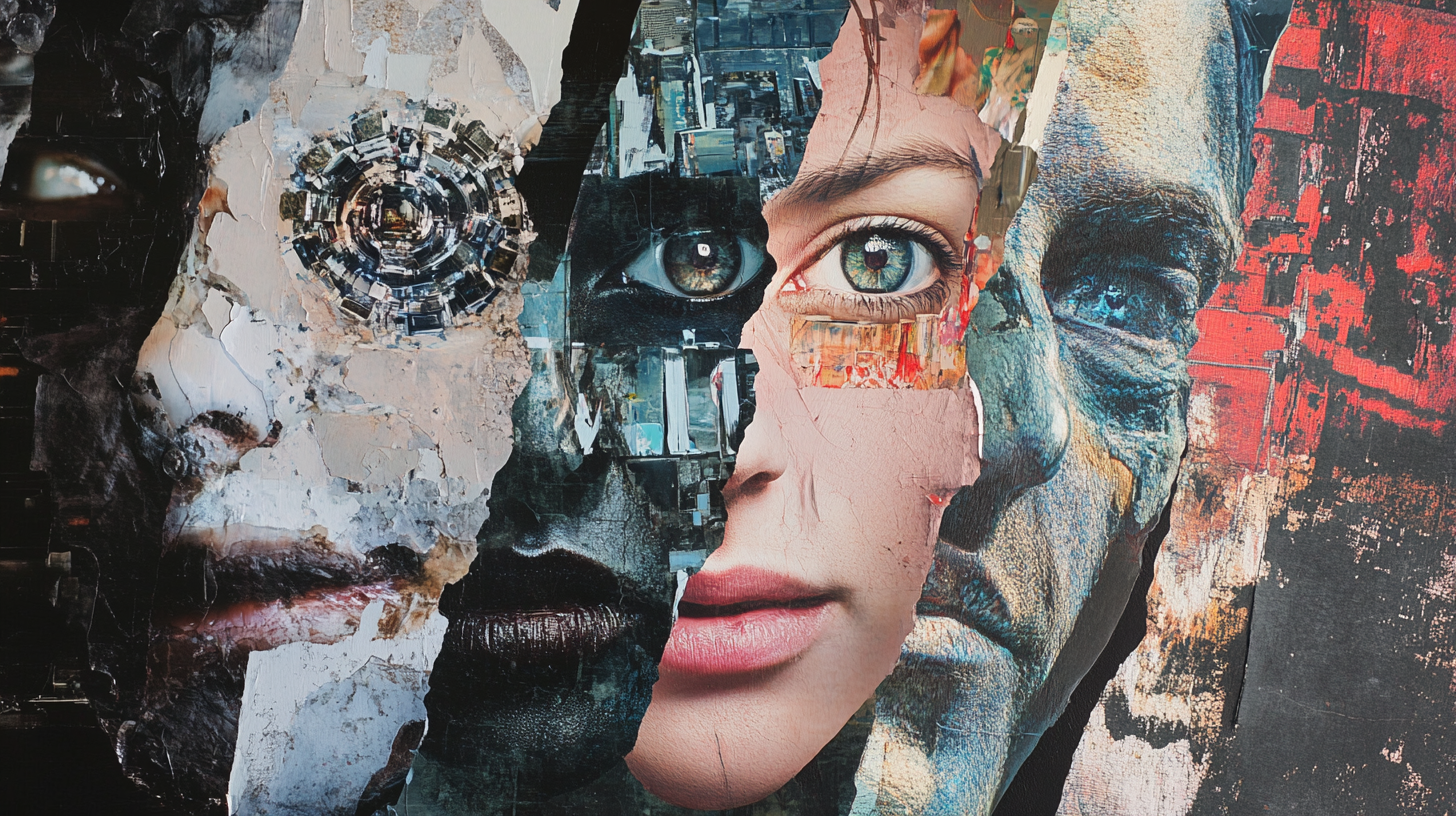
From AI to KE – Artificial Empathy: A Journey into the Emotional World of Machines – Image: Xpert.Digital
Emotional machines: Can AI really learn empathy – and what does that mean for us?
Real vs. Artificial Empathy: What is the difference – and what does that mean for our trust in AI?
In a world increasingly shaped by artificial intelligence (AI), we stand on the threshold of a fascinating yet challenging development: artificial empathy (AE). This innovative technology, often referred to as "affective AI," goes far beyond simply processing data and executing commands. It aims to equip machines with the ability not only to recognize and interpret human emotions, but also to respond appropriately. This paradigm shift from purely rational to emotionally intelligent systems promises to fundamentally transform human-machine interaction and open up new fields of application.
Artificial empathy is no longer a science fiction vision, but a rapidly developing reality. It is based on complex algorithms and machine learning models that enable computers to decipher subtle signals of human emotions. These signals can be diverse: the nuances of human speech, the subtle changes in facial expressions, posture, tone of voice, or even physiological data such as heart rate and skin conductance.
The vision behind artificial empathy is ambitious: machines should not only be tools, but become understanding and supportive partners. Imagine a chatbot in customer service that not only answers your question, but also recognizes your frustration and responds with patience and understanding. Or a virtual assistant in healthcare that not only provides patients with medical information, but also offers emotional support and comfort. Or learning programs that adapt to the emotional state of students, thus creating an optimal learning environment.
Related to this:
The technical foundations of artificial empathy
To achieve artificial empathy, developers draw on a wide range of technologies that have made enormous progress in recent years:
1. Natural Language Processing (NLP) – Understanding the language of emotions
NLP is a key area of AI that deals with the processing and understanding of human language. In the context of artificial empathy, the goal is to develop algorithms capable of recognizing emotional nuances in text and spoken language. This includes analyzing word choice, sentence structure, tone of voice, and even subtle linguistic cues such as sarcasm or irony. Modern NLP models based on deep learning can perform sentiment analysis, categorize emotions in texts, and even assess the intensity of emotions. For example, an AI system can extract not only the content of a customer complaint but also the associated anger or disappointment.
2. Image processing and computer vision – recognizing emotions in the face
A large part of our emotional communication is nonverbal, particularly through facial expressions. Image processing and computer vision enable machines to recognize faces, analyze facial expressions, and infer emotional states. These technologies use complex algorithms to identify patterns in pixel data that correlate with specific emotions. Advanced systems can recognize not only basic emotions like joy, sadness, anger, or fear, but also more subtle emotional states and even microexpressions that often escape human observers. Analyzing posture and gestures can further refine emotion recognition and provide a more comprehensive picture of a person's emotional state.
3. Machine Learning – Recognizing and Predicting Emotional Patterns
Machine learning is at the heart of artificial empathy. To reliably recognize and interpret emotions, AI systems must be trained on vast amounts of data. This data includes text, images, videos, audio, and ideally, physiological data labeled with human emotions. By training on this data, the algorithms learn to recognize complex patterns and relationships between different signals and emotional states. The larger and more diverse the training dataset, the more precise and reliable the emotion recognition becomes. Furthermore, machine learning enables AI systems to continuously improve and adapt to new situations and individual differences. Advanced models can even attempt to predict future emotional responses based on patterns in past interactions.
4. Sensory and Physiological Data – The Body as an Emotional Mirror
Beyond analyzing speech and visual signals, sensors can also be used to capture physiological data closely linked to emotions. This includes, for example, heart rate, skin conductance, respiratory rate, pupil dilation, and even brain activity (using EEG or fMRI). This data provides a deeper and more objective picture of a person's emotional state, as it is less susceptible to conscious or unconscious distortions. Integrating physiological data into AI systems for emotion recognition is a promising area of research that could enable even more precise and nuanced artificial empathy in the future.
Applications of Artificial Empathy: A multitude of possibilities
Artificial empathy holds enormous potential for diverse applications that could change our lives in the future:
1. Revolutionizing customer service
In customer service, empathetic chatbots and virtual assistants can elevate customer interaction to a new level. They can not only efficiently answer customer inquiries but also recognize customers' emotional states and adapt their responses accordingly. For example, an empathetic chatbot can detect when a customer is frustrated or upset and formulate its response to de-escalate the situation and find a positive resolution. This can lead to higher customer satisfaction, stronger customer loyalty, and ultimately, improved business results. Furthermore, empathetic AI systems can relieve customer service representatives by taking over routine tasks, allowing them to focus on more complex and emotionally demanding cases.
Related to this:
2. Support in healthcare and mental health
In healthcare, artificial empathy offers innovative ways to support patients and medical staff. Empathetic virtual assistants can accompany patients during rehabilitation, help them cope with chronic illnesses, or provide emotional support during difficult times. In mental health, AI systems can serve as a first point of contact for people experiencing psychological distress, recognize signs of depression or anxiety, and connect those affected with appropriate professionals. It is important to emphasize that artificial empathy in healthcare is not intended to replace human therapists and doctors, but rather to serve as a complementary tool to improve and make care more accessible. Particularly in areas where access to psychotherapeutic care is limited, empathetic AI systems can build a valuable bridge.
3. Personalized education and emotionally intelligent learning environments
In education, artificial empathy can help create personalized and emotionally intelligent learning environments. Learning platforms and interactive learning programs can recognize students' emotional states and adjust their learning process accordingly. For example, if a student is frustrated or demotivated, the system can provide supportive guidance, adjust the difficulty level, or recommend a break. Conversely, if a student is successful and engaged, the system can provide motivating feedback and further challenge them. By considering students' emotional needs, artificial empathy can help increase learning motivation, reduce learning blocks, and improve learning outcomes. Furthermore, empathic AI systems can relieve the burden on teachers by providing insights into their students' emotional states and helping them respond more effectively to individual needs.
4. Moderation of social media platforms and combating toxic behavior
Social media platforms are often plagued by toxic behavior, hate speech, and bullying. Artificial empathy can play a vital role in moderating content and creating a more positive online environment. Empathic AI systems can detect subtle forms of aggression, cynicism, or denigration in online communication that might escape human moderators. They can automatically flag potentially harmful content and assist human moderators in assessing and addressing it. Furthermore, in the future, empathic AI systems could even be able to proactively address toxic behavior by, for example, providing constructive feedback to users who employ aggressive language or alerting them to the negative consequences of their actions.
5. Support and companionship in the care of elderly people
In light of demographic changes and the increasing number of elderly people who need support and companionship, artificial empathy offers promising solutions. Empathetic robots and virtual assistants can support older people in their daily lives, remind them of medications, help them navigate their homes, or simply provide companionship and engage in conversation. Especially for older people suffering from loneliness and social isolation, empathetic AI systems can be a valuable asset. However, it is important to emphasize that artificial empathy in care cannot completely replace human interaction and interpersonal relationships. Rather, it should be viewed as a complementary tool that can contribute to improving the quality of life for older people and relieving the burden on family caregivers.
Artificial empathy versus human empathy: Key differences
Although artificial empathy is making impressive progress, it is crucial to understand the differences to human empathy:
1. Emotional depth and authenticity
The most fundamental difference lies in emotional depth and authenticity. Human empathy is based on genuine feelings, personal experiences, and the ability to put ourselves in another person's emotional world. We can not only understand the emotions of others but also truly empathize, feel compassion, and be emotionally moved. Artificial empathy, on the other hand, is a simulation of empathic behavior. AI systems can recognize and analyze emotions, but they do not experience them themselves. Their reactions are based on algorithms and programmed patterns, not on genuine feelings. This lack of emotional depth and authenticity is a crucial difference that manifests itself in the quality of interaction and the nature of the relationship that people can build with AI systems.
2. Cognitive versus emotional component
Human empathy comprises both a cognitive and an emotional component. The cognitive component refers to understanding the emotions of others, recognizing the causes and consequences of emotions, and taking the other person's perspective. The emotional component includes compassion, emotional resonance, and the ability to empathize with another person. Artificial empathy has so far focused primarily on the cognitive component. AI systems are good at recognizing and classifying emotions, but they lack the emotional resonance and deep compassion that characterize human empathy. Although researchers are working to equip AI systems with rudimentary forms of emotional intelligence, the emotional depth and complexity of human emotions remain a major challenge for artificial empathy.
3. Contextual understanding and flexibility
Human empathy is highly context-dependent and flexible. We can intuitively grasp complex social situations, interpret subtle social cues, and adjust our empathic responses accordingly. Our capacity for empathy is based on life experience, cultural knowledge, social norms, and a deep understanding of human nature. Artificial systems are limited in their contextual understanding and flexibility. They follow programmed patterns and rules and may struggle to cope with unexpected situations, cultural differences, or subtle social nuances. While AI systems can demonstrate impressive empathic abilities in certain narrowly defined contexts, they lack the general intelligence and broad contextual understanding that make human empathy so versatile and adaptable.
4. Motivation and Intentionality
Genuine empathy is often accompanied by intrinsic motivation and intentionality. When we feel empathy for someone, we often have a desire to help, support, or improve their situation. This motivation stems from our compassion and concern for their well-being. Artificial empathy lacks this intrinsic motivation. The reactions of AI systems are based on algorithms and programmed goals, not on genuine compassion or a desire to help. Although AI systems can be programmed to appear "helpful" or "supportive," they lack the underlying human motivation that makes empathic action so meaningful and authentic.
5. Building relationships and trust
Human empathy is a fundamental building block for constructing genuine emotional bonds and relationships. It allows us to develop trust, create intimacy, and forge deep connections with others. While artificial empathy can help make interactions with machines more pleasant and human-like, it cannot replace real emotional relationships. Although people can form emotional bonds with AI systems in certain situations, especially when perceived as empathetic and supportive, the authenticity and reciprocity of human relationships remain unmatched. The trust we place in human relationships is based on the certainty that the other person understands us, shares our feelings, and cares about our well-being—a certainty that can be questioned with AI systems.
Artificial empathy and trustworthiness of AI systems
The integration of artificial empathy into AI systems has a complex impact on trustworthiness from the user's perspective:
Positive effects on trustworthiness
Improved human-machine interaction
Empathetic AI systems can make human-machine interaction more natural, pleasant, and intuitive. When machines are able to recognize our emotions and respond appropriately, we feel better understood and valued. This can help increase acceptance of and trust in AI systems.
Increased acceptance and willingness to use
Studies show that people prefer empathetic responses from machines to unemotional or purely rational ones. When an AI system responds empathetically, it is often perceived as more competent, helpful, and trustworthy. This can increase the willingness to use AI systems in various fields, especially sensitive areas such as healthcare, education, and customer service.
Support in sensitive and emotionally stressful situations
In fields such as nursing, psychological care, or bereavement support, empathetic AI systems can offer valuable emotional support. They can provide comfort, encouragement, and understanding, thus contributing to improving the well-being and quality of life of people in difficult situations. In such contexts, AI's ability to simulate empathy can be perceived as a sign of care and support, strengthening trust in the system.
Challenges and concerns regarding trustworthiness
Lack of basic trust in AI systems
Despite advances in AI, general trust in AI systems remains relatively low. Many people are skeptical of AI, fearing loss of control, data misuse, or unforeseen negative consequences. This skepticism can also extend to empathic AI systems, particularly when users fear being manipulated or emotionally exploited by machines. Studies show that only a small percentage of consumers would trust AI systems in critical areas such as financial decisions or medical diagnostics.
Related to this:
Authenticity problem and “empathy washing”
There is a risk that artificial empathy will be perceived as inauthentic, superficial, or even manipulative, especially when users are aware they are interacting with a machine. If AI empathy is exposed as mere simulation or a marketing tool ("empathy washing"), it can undermine user trust and lead to disappointment and distrust. The authenticity of empathy is a crucial factor for trustworthiness. If AI empathy is not perceived as sincere and genuine, it can be counterproductive and even diminish trust.
Ethical concerns and the risk of emotional dependency
The simulation of empathy raises ethical questions, particularly regarding the potential manipulation of emotions or the creation of emotional dependency. There is a risk that people will develop emotional bonds with machines that cannot reciprocate, and that in emotionally challenging situations, they will turn to AI systems rather than human relationships. This development could lead to an alienation from human relationships and an over-reliance on technology. It is therefore crucial to carefully examine the ethical implications of artificial empathy and to develop guidelines for its responsible use.
Factors for promoting trust in artificial empathy
Transparency and clarification
Openness and transparency regarding the fact that it is an AI system and how it works are crucial for building trust. Users should be clearly informed that they are interacting with a machine and that the system's empathy is simulated. Education about how artificial empathy works and its limitations can help reduce unrealistic expectations and strengthen trust in the technology.
Data protection and security
Protecting personal data and ensuring data security are essential for building trust in AI systems, especially when dealing with sensitive emotional data. Strict adherence to data protection regulations, transparent data processing practices, and robust security measures are necessary to gain and maintain user trust.
Human surveillance and control
Combining artificial empathy with human oversight and control can strengthen trust in AI systems. In many application areas, it makes sense to view AI systems as support tools that are monitored and corrected by humans when necessary. The option to consult human experts when needed can increase trust in AI-based empathy and strengthen the sense of control.
Continuous improvement and validation
Regular monitoring, evaluation, and optimization of artificial empathy algorithms are essential to ensure the quality and reliability of the systems. Continuous improvement processes, based on user feedback and scientific validation, can help to strengthen trust in the technology in the long term.
Ethical guidelines and responsible use
The development and use of artificial empathy must be accompanied by clear ethical guidelines. It is important to define the limits of the technology, minimize the potential for misuse, and ensure that artificial empathy is used for the benefit of people and not to their detriment. A responsible and ethically reflective approach to artificial empathy is the foundation for trust and acceptance.
Artificial empathy – A promising tool with responsibility
Artificial empathy is a fascinating and promising technology with the potential to fundamentally change human-machine interaction and have a positive impact in many areas. From improved customer service and personalized education to support in healthcare and elderly care – the applications are diverse and forward-looking.
At the same time, it is important to recognize and address the limitations and ethical challenges of artificial empathy. The simulation of empathy by machines is not a substitute for genuine human empathy and should not lead to the devaluation or replacement of human relationships. Rather, artificial empathy should be viewed as a tool that can help us make certain tasks more efficient and human-centered, and that should complement, but not replace, human empathy.
The trustworthiness of artificial empathy depends significantly on how responsibly and transparently this technology is developed and deployed. Through education, clear ethical guidelines, data protection, and human oversight, we can strengthen trust in artificial empathy and ensure that it is used for the benefit of humanity. The journey from AI to KE has only just begun – and it is up to us to shape this path responsibly and thoughtfully to unlock the full potential of this fascinating technology without losing sight of the values and depth of human empathy.
Related to this:
Your global marketing and business development partner
☑️ Our business language is English or German
☑️ NEW: Correspondence in your native language!

Konrad Wolfenstein
I and my team are happy to be available to you as your personal advisor.
You can contact me by filling out the contact form here wolfenstein@xpert.digital:or simply call me at +49 7348 4088 965. My email address is
I'm looking forward to our joint project.