


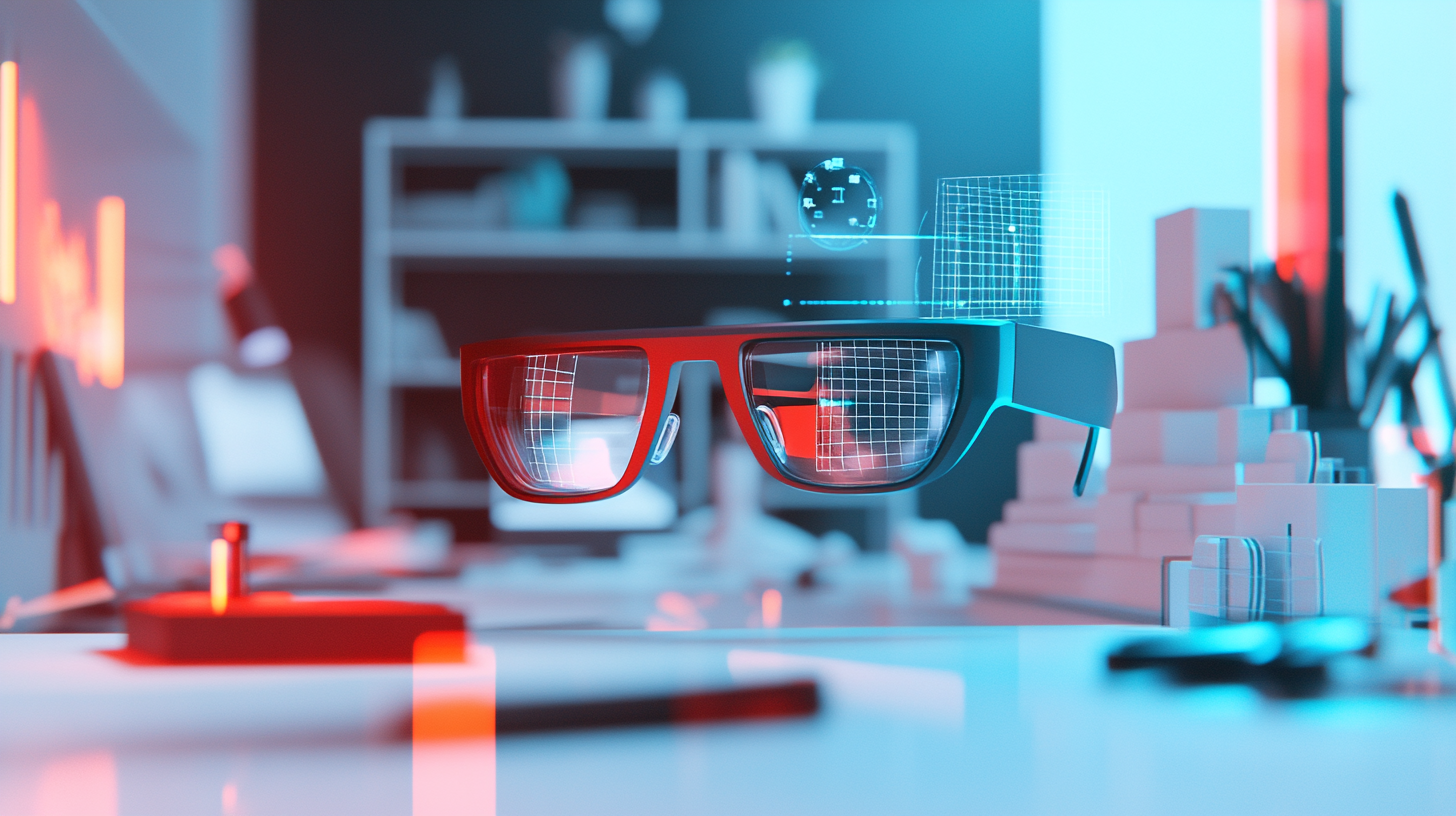
From vision to reality with Android XR – The operating system for smart glasses – Image: Xpert.Digital
Android XR: How Google is redefining the future of VR, AR and MR
Android XR explained: Google's platform for the next generation of digital experiences
Android XR is an operating system developed by Google specifically designed for extended reality (XR) devices. It encompasses virtual reality (VR), augmented reality (AR), and mixed reality (MR) and aims to provide a unified and open platform for these technologies. Working closely with partners like Samsung and Qualcomm, Google seeks to revolutionize the way we interact with digital content through innovative hardware and advanced AI integration.
Key features of Android XR
user interface
The user interface of Android XR is based on the Android Open Source Project (AOSP) and offers a home screen with two main pages:
- Pinned apps and system shortcuts: Here, users can quickly access their favorite applications and important system functions.
- Full app list: An overview of all installed applications allows for quick access.
Additionally, specific settings for XR experiences have been integrated, including:
- Boundary: Defines the user's safe movement area to avoid collisions with physical objects.
- Passthrough: Allows you to see the real environment through the device's cameras without removing the headset.
- Recenter (Reorientation): Allows the user to realign the virtual view to ensure an optimal perspective.
AI integration
A key element of Android XR is the integration of Google's advanced AI, known as Gemini. This AI assistant enhances user interaction through a deep understanding of context and intent, enabling natural conversations and efficient task management. Users can control the device using hand gestures, eye movements, and voice commands, promoting intuitive and seamless interaction.
Compatibility and development
Android XR supports a variety of development tools, including:
- ARCore: Google's platform for developing AR experiences.
- Android Studio: The official development environment for Android applications.
- Jetpack Compose: A modern toolkit for creating native user interfaces.
- Unity: A widely used game engine for developing 2D and 3D content.
- OpenXR: An open standard for accessing XR platforms and devices.
This broad support makes it easier for developers to create apps and games for the platform, contributing to a diverse and rich ecosystem.
App ecosystem
The platform is designed to support existing Google Play Store apps by default. Many of these apps are optimized for XR experiences to provide users with immersive experiences. Google is actively working to redesign popular applications like YouTube, Google TV, Chrome, and Google Photos so they can be used seamlessly in XR environments.
Hardware compatibility
The system is designed to work with various XR devices such as headsets and smart glasses. Samsung's "Project Moohan" is one of the first announced VR headsets to utilize this new platform, offering advanced features like passthrough capabilities and natural input methods.
Collaboration and devices
In a strategic partnership, Google, Samsung, and Qualcomm have joined forces to develop Android XR. The first device to use this operating system will be Samsung's "Project Moohan," a mixed-reality headset scheduled for release in 2025. This headset is intended to offer both VR and AR capabilities and, through advanced hardware features, enable high-quality XR experiences.
In parallel, Google is developing its own smart glasses equipped with the Gemini AI assistant. These glasses offer features such as real-time translation, contextual awareness, and enhanced navigation with Google Maps. By offloading processes to a paired smartphone, all-day battery life is targeted.
Related to this:
Android XR as a versatile platform
With Android XR, Google is taking a strategic step into the realm of extended reality. By combining advanced AI capabilities with comprehensive support for existing and new applications in immersive environments, this initiative expands the ways users interact with digital content. Close collaboration with partners like Samsung and Qualcomm underscores the commitment to delivering innovative and high-quality XR experiences.
The integration of Gemini as a core AI element in Android XR could fundamentally change the way we interact with technology. Natural and context-aware interactions will further blur the line between the digital and real worlds, leading to new and exciting use cases.
Overall, Android XR positions itself as a versatile platform that aims to significantly influence the future of Extended Reality and open up new possibilities for digital interaction to users worldwide.
Use cases in various industries
Android XR is designed to impact multiple industries through enhanced capabilities:
- Healthcare: XR applications can assist in patient education, advanced surgery, and medical training by providing immersive simulations and real-time data visualizations.
- Education: The platform enables virtual field trips, interactive learning environments and gamified educational content that can make complex topics more engaging and accessible.
- Retail and marketing: XR can improve customer experiences through virtual try-ons, interactive product demonstrations, and immersive advertising campaigns.
Android XR represents a significant advancement in the development of extended reality technologies. By leveraging Google's software expertise and partnerships with major hardware manufacturers like Samsung and Qualcomm, the platform will provide a robust foundation for the next generation of immersive applications across various sectors.
The future up close: What XR, VR, AR and MR are really about
- XR (Extended Reality): A collective term for all technologies that augment or completely replace physical reality. XR includes Virtual Reality (VR), Augmented Reality (AR), and Mixed Reality (MR).
- VR (Virtual Reality): A technology that places the user in a completely virtual, computer-generated environment. The real world is completely hidden, and the user can interact within this artificial environment.
- AR (Augmented Reality): This technology enhances the real world with digital information or objects. Virtual elements are overlaid on the actual environment, allowing the user to see both the real world and the additional information simultaneously.
- MR (Mixed Reality): A combination of VR and AR where virtual and real objects can interact with each other in real time. In Mixed Reality, the physical and digital worlds merge into a new environment where both coexist and communicate.
Related to this: