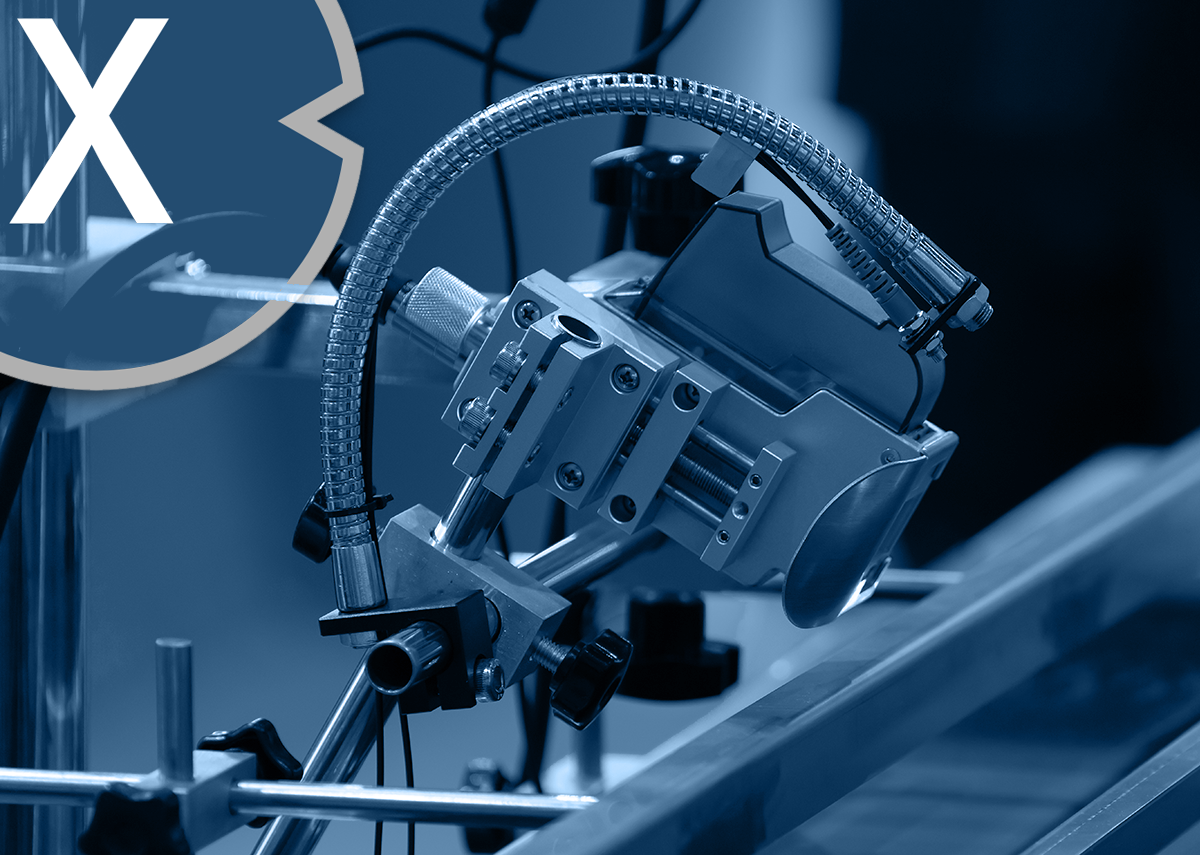
Sensor technology: Optical color marker sensor on an industrial beverage machine – Image: Xpert.Digital /MOLPIX|Shutterstock.com
Automatic identification and data acquisition (AIDC) sensor technology from manufacturers and suppliers using 2D matrix codes
Automatic identification and data capture (AIDC) sensor technology from manufacturers and suppliers using 2D matrix codes offers an effective solution for identification and data capture in logistics and intralogistics. 2D matrix codes are special codes that can store a large amount of information in a very small space. Compared to conventional barcodes, 2D matrix codes enable higher data density and offer expanded possibilities for product tracking and identification.
Manufacturers and suppliers of AIDC sensor technology with 2D matrix codes offer a wide range of solutions, including:
2D matrix code scanner
These scanners can quickly and accurately capture 2D matrix codes. They offer a high read rate and enable fast and reliable identification of products, containers, or pallets.
Mobile data collection devices
These portable devices, such as handheld scanners or mobile computers, enable the capture of 2D matrix codes in various environments. They are ideally suited for use in warehouses, production facilities, or in the field.
Stationary scanners
These permanently installed scanners are used in production lines, warehouses, or at shipping/receiving stations to ensure the smooth flow of products and goods. They can automatically read 2D matrix codes and capture data in real time.
Software solutions
Manufacturers and suppliers of AIDC sensor technology also offer software solutions for processing and interpreting the collected data. These solutions enable seamless integration with existing systems such as warehouse management systems or ERP systems.
The use of AIDC industrial sensors with 2D matrix codes offers a variety of advantages for logistics and intralogistics, including:
- Fast and precise recording of products and goods
- Improved transparency and traceability along the supply chain
- Efficient inventory management and control
- Reduction of errors and manual interventions
- Optimization of logistics processes and cost savings
Manufacturers and suppliers of AIDC sensor technology with 2D matrix codes contribute to improving the efficiency and accuracy of logistics operations and help companies remain competitive and meet the demands of a challenging logistics landscape.

Xpert.Plus Warehouse Optimization - High-bay warehouses and pallet warehouses: Consulting and planning
Outlook and future development of AIDC sensor technology and industrial sensors
The future prospects for Automatic Identification and Data Acquisition (AIDC) sensor technology are extremely promising. With increasing digitalization and automation in logistics and intralogistics, AIDC technology is gaining ever more importance.
Further development of RFID technology
RFID tags and readers are becoming increasingly powerful, cost-effective, and versatile. Future innovations could include smaller, more energy-efficient tags, greater range, and improved readers with higher accuracy. This will enable broader application across various logistics sectors.
Use of IoT and cloud technologies
The integration of AIDC sensors with the Internet of Things (IoT) and cloud technologies enables seamless, real-time data communication and analysis. This provides greater transparency, facilitates informed decision-making, and supports the optimization of logistics processes.
Integration of AIDC into autonomous systems
AIDC sensors can be used in autonomous systems such as automated guided vehicles (AGVs) and robots to enable precise identification and tracking of goods. This supports automation and increased efficiency in intralogistics.
More efficient data collection
The use of 2D matrix codes enables faster and more accurate data acquisition. Sensors can read the codes more quickly and from different angles, resulting in accelerated information processing.
Improved traceability
2D matrix codes can encode detailed information about a product or shipment, including batch numbers, serial numbers, origin, destination, and much more. This enables more precise traceability throughout the entire supply chain, which is beneficial for quality assurance, inventory management, and product recalls.
Improved data security
The use of 2D matrix codes allows security-relevant information such as authentication credentials, production data, and access rights to be encrypted and protected. This contributes to improved data security and minimizes the risk of counterfeiting or unauthorized access.
Augmented Reality (AR) and Virtual Reality (VR)
The combination of AIDC sensors with AR and VR technologies opens up new possibilities for visualizing and interacting with logistics data. For example, AR glasses can be used to support order picking processes by giving employees precise instructions and guiding them to the correct products.
Interactive user experience
2D matrix codes can also be used to create interactive user experiences. By scanning the code, users can access additional information, videos, product reviews, or even virtual presentations, thus increasing customer engagement.
Integration with other technologies
AIDC sensor technology, in conjunction with 2D matrix codes, can be seamlessly combined with other technologies such as the Internet of Things (IoT), Artificial Intelligence (AI), and Augmented Reality (AR). This enables innovative applications such as automated inventory, real-time supply chain monitoring, and the creation of digital twins of products and assets.
Advanced data analysis and artificial intelligence (AI)
The use of AIDC sensors enables the collection of large amounts of logistics data. In the future, advanced data analysis and AI algorithms will allow for even deeper and more precise analysis. This will enable companies to gain insights, identify bottlenecks, perform predictive maintenance, and further optimize their logistics processes.
➡️ The future prospects of AIDC sensor technology are driven by increasing demand for efficiency, transparency, and precision in logistics and intralogistics. Continuous technological advancements, integration with other digital solutions, and improved data analytics capabilities will lead to greater acceptance and application of AIDC technology. Companies utilizing this technology will be able to optimize their logistics processes, reduce costs, and strengthen their competitiveness.
➡️ The global deployment of 2D matrix codes will be implemented in the coming years through the "Sunrise 2027" initiative, as they are cost-effective, readily available, and universally applicable. Combined with AIDC sensor technology, they offer diverse opportunities for optimizing logistics processes, improving data security, and creating interactive user experiences. Companies that effectively utilize these technologies can benefit from more efficient operations, increased customer satisfaction, and a competitive edge.
Our Industrial Metaverse Configurator
Simply try out our universally applicable (B2B/Business/Industrial) Metaverse Configurator for all CAD / 3D demo options:
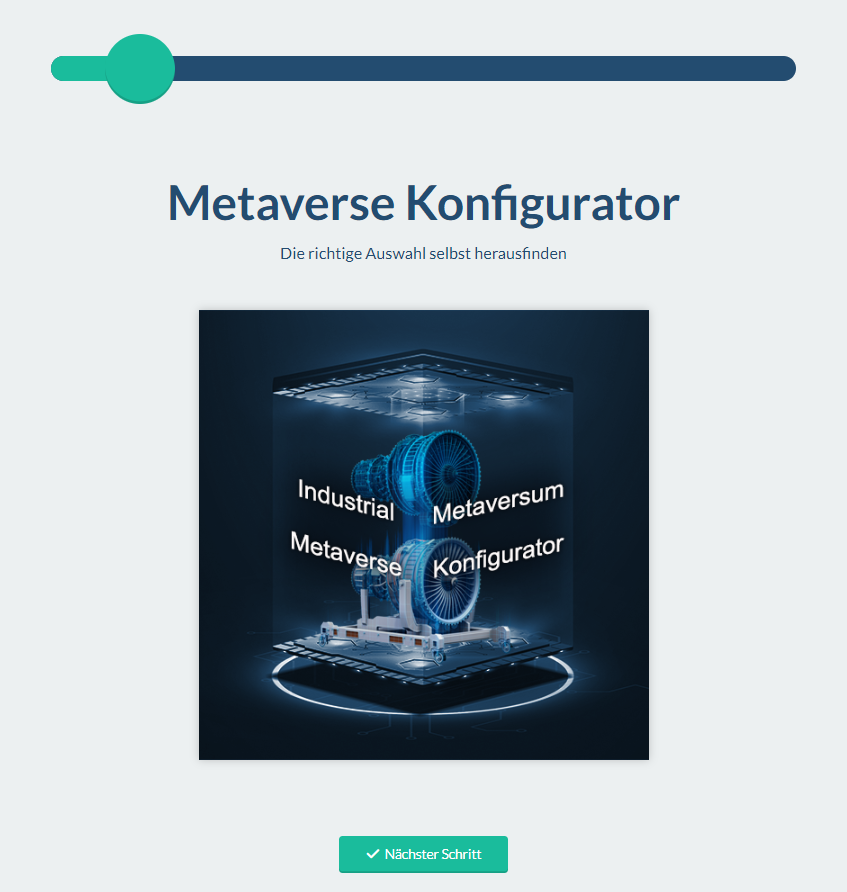

Xpert (B2B/Business/Industrial) Metaverse Configurator for all CAD / 3D data, usable on all end devices, one platform!
Related to this:
One of the Top Ten: The 10+2 best-known manufacturers and suppliers of Automatic Identification and Data Acquisition (AIDC) sensor technology and industrial sensors
The industry landscape is constantly evolving, with new companies entering the market. However, the following companies have established themselves as leading providers of AIDC technologies and are known for their innovative solutions and high-quality products.
Honeywell
Honeywell offers a wide range of AIDC solutions, including barcode scanners, RFID systems, mobile data capture devices, and more. They have a strong presence in various industries such as retail, logistics, and healthcare.
Zebra Technologies
Zebra Technologies is a leading provider of AIDC technologies, including barcode scanners, RFID solutions, mobile computers, and printers. They offer industry-specific solutions for areas such as warehouse management, manufacturing, and transportation.
Datalogic
Datalogic is a global company that develops and sells AIDC products such as barcode scanners, handheld terminals, industrial sensors, and RFID solutions. They serve various industries, including retail, logistics, healthcare, and manufacturing.
Cognex Corporation
Cognex specializes in image-based AIDC solutions, including barcode readers, vision systems, and industrial cameras. They offer innovative technologies for applications in manufacturing, logistics, and automation.
SICK AG
Sick is a renowned provider of sensor solutions, also offering AIDC products. Their portfolio includes barcode scanners, RFID systems, laser sensors, and smart cameras. They serve various industries, including logistics, automotive, electronics, and food.
Motorola Solutions (now part of Zebra Technologies)
Motorola Solutions is known for its rugged mobile computing technologies and AIDC solutions. They offer barcode scanners, mobile data capture devices, and communication systems for various industries such as retail, transportation, and warehousing.
Denso Wave
Denso Wave is a Japanese manufacturer of AIDC technologies and is known for its barcode scanners and QR code readers. They have applications in sectors such as retail, logistics, healthcare, and manufacturing.
Bluebird
Bluebird is a leading provider of mobile data capture devices and AIDC solutions. Their product portfolio includes rugged handheld terminals, tablets, and wearables for various industries and applications.
Opticon
Opticon specializes in barcode scanners, mobile data capture devices, and other AIDC products. They offer solutions for retail, logistics, and industrial applications.
Toshiba Tec
Toshiba Tec offers a wide range of AIDC products, including barcode scanners, RFID solutions, and mobile printers. They serve industries such as retail, logistics, and manufacturing.
Denso Wave
Denso Wave is a Japanese manufacturer of AIDC products. They are known for their barcode scanners, mobile computers, and RFID systems. Their solutions are used in logistics, manufacturing, retail, and other industries.
Panasonic Corporation
Panasonic is a leading manufacturer of electronic products that also offers AIDC technologies. They provide barcode scanners, mobile computers, and RFID systems for logistics, retail, manufacturing, and other industries.
Application examples for industrial sensors and AIDC sensor technology in combination with 2D matrix codes and augmented reality (Industrial Metaverse)
Industrial sensors and AIDC sensor technology in combination with 2D matrix codes as well as extended, mixed and augmented reality (industrial metaverse) offer diverse application possibilities in various industries.
Warehouse and logistics management
The use of industrial sensors and AIDC technologies in conjunction with 2D matrix codes enables precise inventory tracking and monitoring. Sensor-based systems facilitate the automatic recording and management of goods movements, while AR technologies improve visibility and efficiency in order picking and packing.
Manufacturing processes
Industrial sensors and AIDC technologies support the monitoring and control of production lines. Integrating 2D matrix codes into manufacturing allows for the unique identification and tracking of components and products. Sensor-based systems enable quality control and real-time monitoring of machines and processes, while augmented reality applications can assist with assembly or troubleshooting.
Asset and resource management
The use of industrial sensors and AIDC technologies, combined with 2D matrix codes, enables efficient management of plants and resources. Sensors can, for example, monitor the condition of machines and equipment, while AIDC technologies improve the traceability of tools, devices, and materials. Augmented reality applications can support inspection, maintenance, and troubleshooting.
Quality control and traceability
Industrial sensors and AIDC technologies play a crucial role in product quality control and traceability. The use of 2D matrix codes allows for the unique identification of products and the storage of their origin, batch information, and test data. Sensors enable the automated monitoring of quality parameters, while augmented reality technologies can support visual inspection and defect detection.
Training courses and training simulations
The combination of industrial sensors, AIDC technologies, and AR opens up possibilities for interactive training and training simulations. Using 2D matrix codes, real-world objects can be enriched with virtual information to visualize training content and simulate complex processes. Augmented reality glasses or mobile devices offer an immersive learning experience and enable employee training in real or virtual environments.
➡️ The combination of industrial sensors, AIDC technologies, 2D matrix codes, and augmented reality applications opens up a multitude of possibilities for a more efficient, transparent, and safer industry. By using these technologies, companies can increase their productivity, reduce errors, and improve the overall efficiency of their operations
Smart & Intelligent Logistics – Industrial Sensors

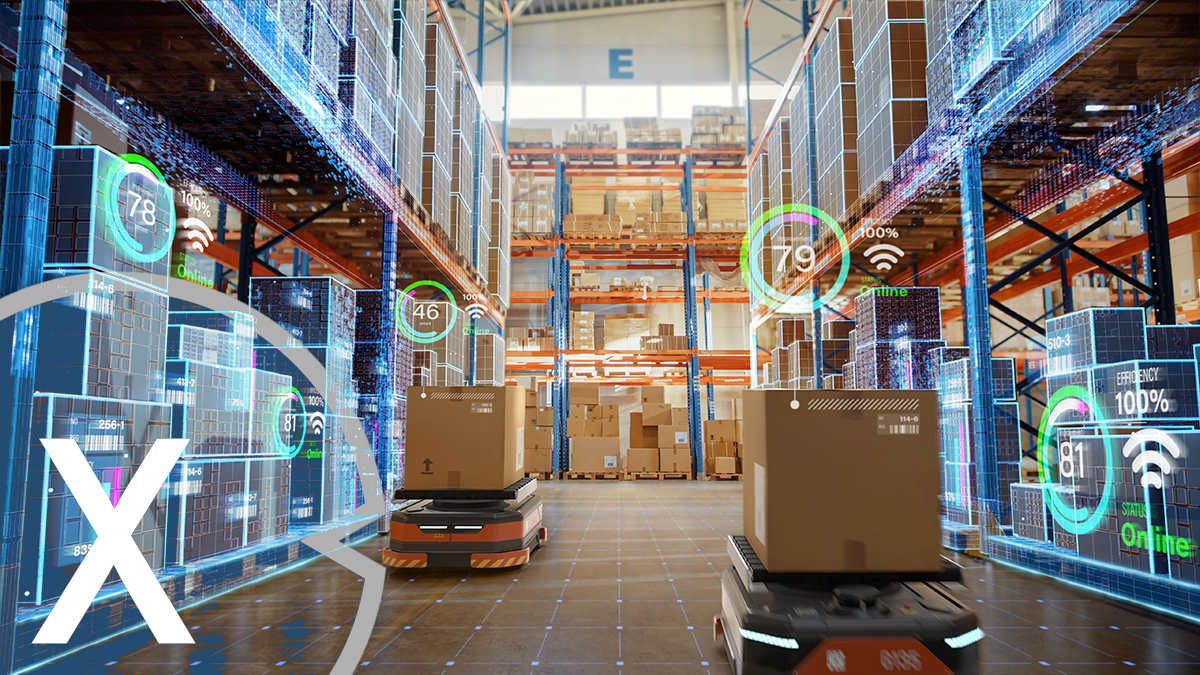
Logistics consulting and component solutions in the field of smart logistics, intelligent sensoring – 1D barcode / 2D matrix code – autonomous sorting systems – Image: Xpert.Digital / Gorodenkoff|Shutterstock.com
Related to this:
- Important information for logistics: In 2027, the Data Matrix code (2D barcode) or QR code will replace the barcode
- 2D matrix code (successor to the EAN/UPC or GTIN 1D barcode from 2027) can also be used for WebAR or WebXR (3D)!
- Logistics/Intralogistics with 2D matrix code: Intelligent Smart Scan Area Cameras
Logistics consultants: Use our Xpert.Plus service for your logistics consulting, warehouse planning or warehouse management with 2D matrix codes as well as industrial sensors and AIDC sensor technology
Xpert.Plus is a project by Xpert.Digital. We have many years of experience in supporting and consulting on warehouse solutions and in warehouse optimization, which we combine under Xpert.Plus in a large network.

Konrad Wolfenstein
I would be happy to serve as your personal advisor.
You can contact me by filling out the contact form below or simply call me on +49 7348 4088 965 (Munich) .
I'm looking forward to our joint project.
Write to me


Xpert.Digital – Konrad Wolfenstein
Xpert.Digital is a hub for industry focusing on digitalization, mechanical engineering, logistics/intralogistics and photovoltaics.
With our 360° Business Development solution, we support renowned companies from new business to after-sales.
Market intelligence, smarketing, marketing automation, content development, PR, mail campaigns, personalized social media and lead nurturing are part of our digital tools.
You can find more information at: www.xpert.digital – www.xpert.solar – www.xpert.plus
Keep in touch