

Published on: October 22, 2024 / Updated on: October 22, 2024 – Author: Konrad Wolfenstein
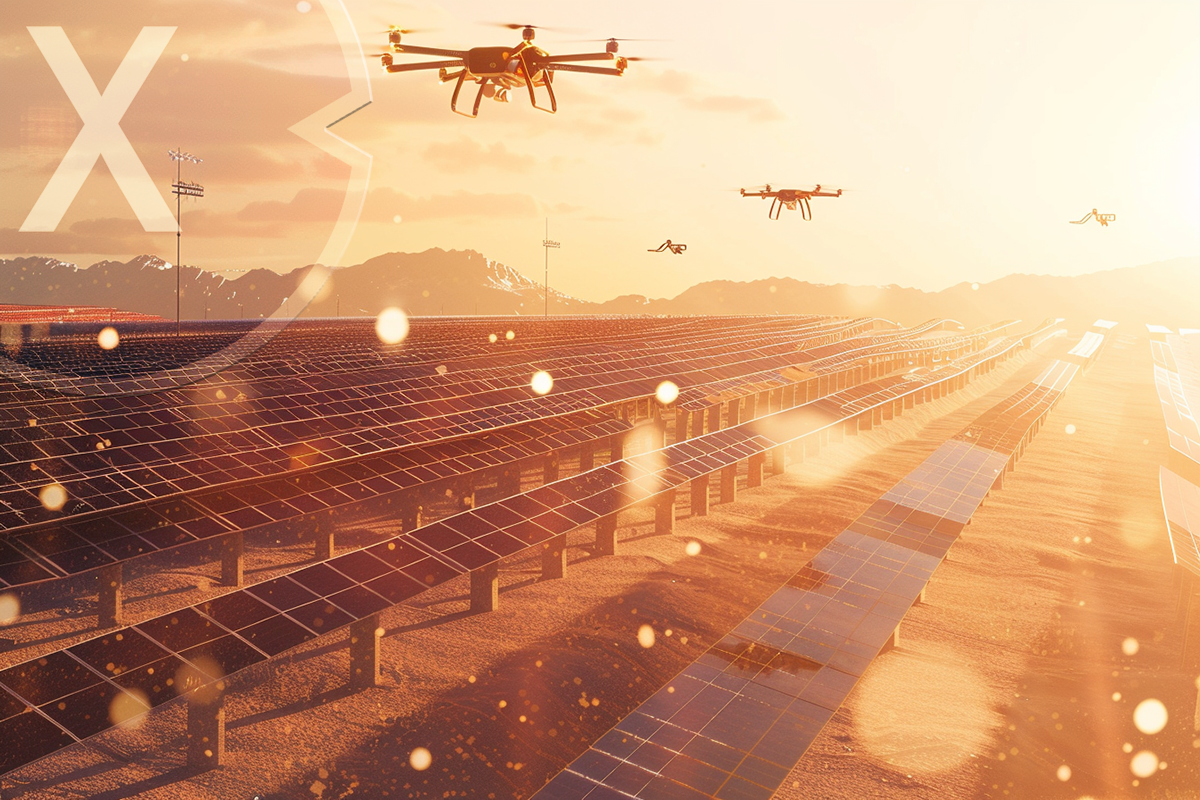
How artificial intelligence can increase the efficiency of photovoltaic systems – Image: Xpert.Digital
Efficient energy: AI technology for better photovoltaic systems
Artificial intelligence (AI) is playing an increasingly important role in increasing the efficiency of photovoltaic systems. By using AI technologies, various aspects of the operation and maintenance of solar power plants can be optimized, leading to higher energy production and cost efficiency.
Data analysis and pattern recognition
A key advantage of AI in photovoltaic systems is its ability to analyze large amounts of data. AI systems can analyze weather forecasts, historical yield data, and real-time monitoring to calculate the optimal operating mode for a solar power plant. This makes it possible to adjust the tilt of the solar modules or change their orientation to achieve maximum energy yield.
AI can also detect patterns that might escape human operators. This includes the detection of shading through image processing algorithms, which can adjust the orientation of the solar panels accordingly to maximize performance.
Suitable for:
Prognosegenauigkeit
The integration of AI and big data has significantly improvedsegenaccuracy. Advanced algorithms analyze meteorological data and historical energy yields to make precise predictions for energy production. These forecasts enable more accurate planning and control of energy flows, taking the optimization of photovoltaic systems to a new level.
Self-optimization and predictive maintenance
A remarkable feature of AI is its ability to self-optimize. Intelligent algorithms learn from past performance data and make adjustments in real time. The system continuously adapts to changes in the environment, such as weather conditions and plant status. This leads to a sustained improvement in energy production.
Furthermore, AI enables predictive maintenance through continuous monitoring of plant performance. Anomalies can be detected early, allowing operators to take timely action before costly failures occur. This not only saves money but also extends the lifespan of the equipment.
Efficient energy management
AI-based energy management systems optimize not only the storage but also the consumption of solar power. The AI analyzes energy prices and consumption patterns and then decides when it makes sense to use the previously stored electricity or to feed it directly into the grid. This contributes to both cost efficiency and grid stability.
Innovative technologies and applications
The combination of AI with other innovative technologies such as trackers can further increase the efficiency of solar parks. These technologies enable more precise tracking of the solar modules according to the sun's position, thereby maximizing yield. Projects such as the " Solar Park 2.0 " at the Karlsruhe Institute of Technology are intensively researching these approaches.
Another example is the pilot project by the Austrian start-up raicoon with Amazon, which demonstrates how autonomous, AI-driven operations management can increase solar power output by up to 15 percent. This fully automated operation detects anomalies early and corrects them before costly damage occurs.
Progressive integration
The future of photovoltaics lies in the intelligent use of AI and big data. Precise data analysis, improved forecasting, and the ability to self-optimize will raise the efficiency and performance of solar energy systems to unprecedented levels. The ongoing integration of these technologies promises a sustainable and cost-effective future for both residential and commercial customers.
Artificial intelligence offers enormous potential for increasing the efficiency of photovoltaic systems through optimized energy generation, predictive maintenance, and efficient energy management. These developments are crucial for the success of the energy transition and make a significant contribution to a sustainable energy supply.

- Sustainable solar power systems for customer parking lots nationwide – Image: Xpert.Digital
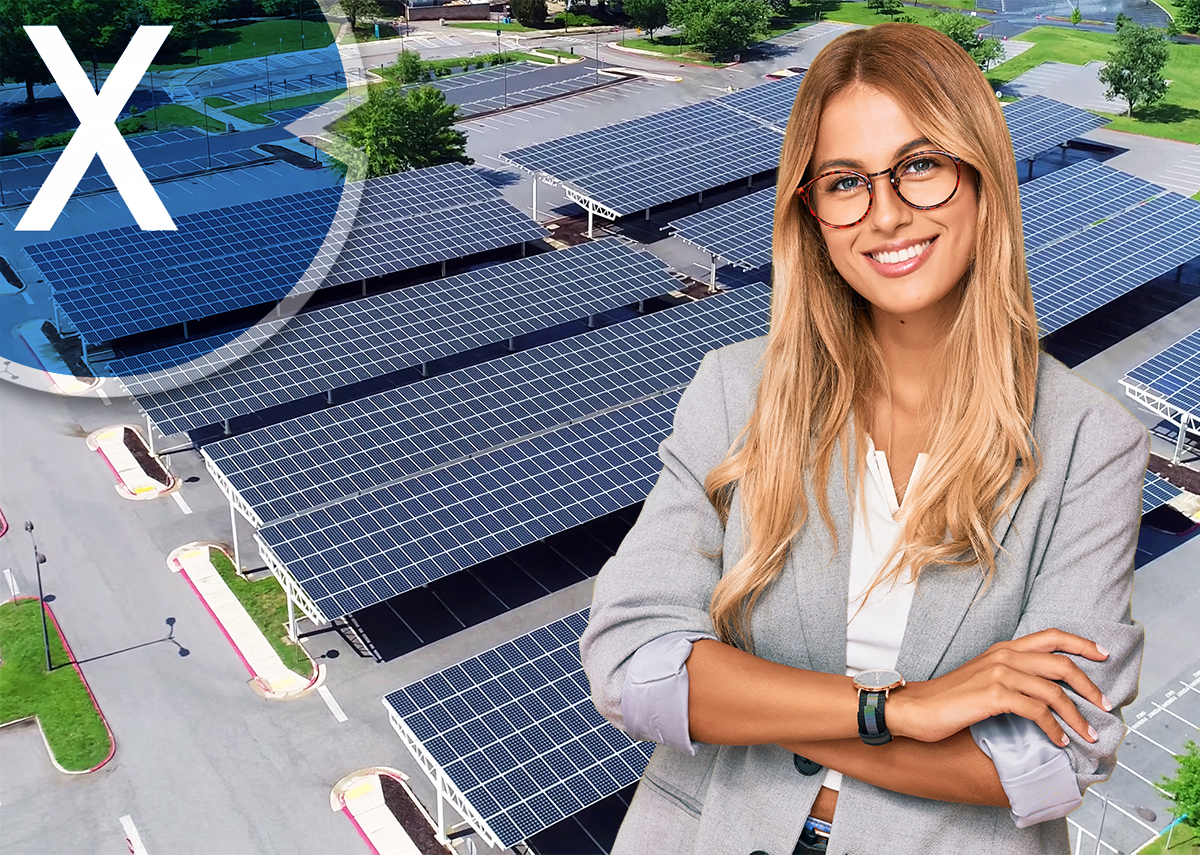
- Information, advice and consulting on industrial storage systems, commercial storage systems or home storage systems for rooftop installations, solar parks, solar parking lots and more – Image: Xpert.Digital

- AI & XR 3D Rendering Machine: Photovoltaic carports – The future-proof energy solution for companies and public institutions – Image: Xpert.Digital

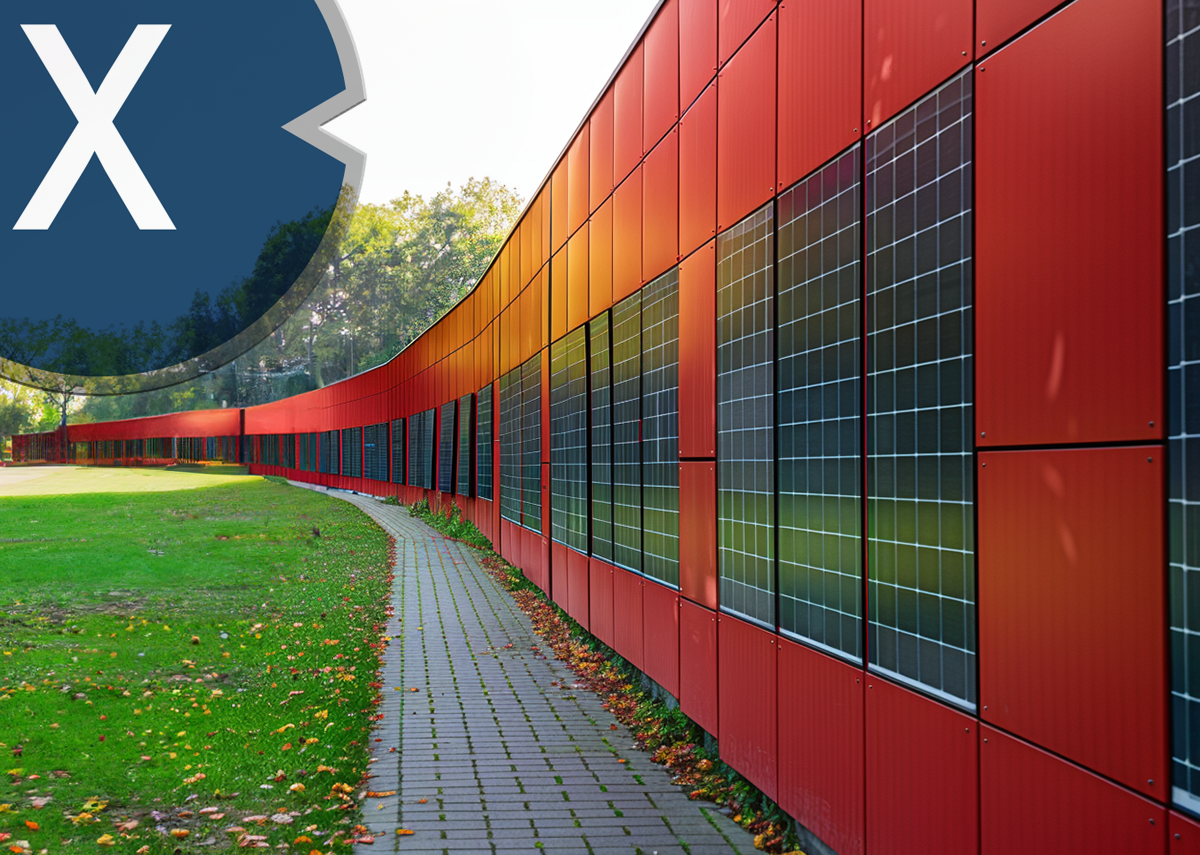
- Efficiency and aesthetics: Solar panels as solar facades on modern commercial buildings – Image: Xpert.Digital

- Ecological highlights: Sustainable solar structures in green spaces – Image: Xpert.Digital
- Haimendorf: Solar & electrical company for conservatory construction – Solar roof with heat pump – Further solar solutions to choose from – Image: Xpert.Digital

How AI-powered MPP tracking optimization works
Maximum Power Point Tracking (MPP tracking) is a method used in photovoltaic systems to extract maximum power from solar modules. The MPP is the point on the current-voltage characteristic curve of a solar module at which the highest power is generated. Since this point depends on factors such as solar irradiance and temperature, it is constantly changing.
How MPP tracking works
Adjustment of operating parameters
An MPP tracker continuously monitors the voltage and current of the solar modules and adjusts the operating parameters to always operate close to the current MPP.
DC/DC converter
The MPP tracker consists of a DC-DC converter and a microcontroller. The converter adjusts the load resistance to keep the voltage constant and thus achieve maximum power output.
Adaptive control
The microcontroller continuously measures the current and voltage to find the MPP and dynamically adapt the system to changing conditions.
MPP tracking methods – Perturb and Observe (P&O)
This method gradually changes the voltage and observes whether the performance improves. If performance increases, the voltage is adjusted further in the same direction; otherwise, the direction is reversed.
Incremental conductance
Here, the increase in power relative to the change in voltage is analyzed. The MPP is reached when the derivative of power with respect to voltage is zero.
Voltage ratio method
The voltage is maintained at a fixed percentage of the open-circuit voltage. This simple method is suitable for less complex systems.
MPP tracking is crucial for the efficiency of photovoltaic systems, as it ensures that the modules can always operate at maximum power, which is particularly important under changing environmental conditions.
MPP tracking optimization using artificial intelligence (AI) improves the efficiency of photovoltaic systems by determining and adjusting the Maximum Power Point (MPP) more precisely and quickly. Here are the key aspects of how AI is used in this area:
How MPP tracking works
The MPP (Maximum Power Point) is the point on the current-voltage characteristic curve of a solar module at which maximum power is generated. Since this point constantly shifts due to changes in solar irradiance, temperature, and other environmental conditions, MPP tracking must be performed continuously. Traditional MPP trackers use algorithms such as "Perturb and Observe" or "Incremental Conductance" to find the optimal point.
Use of AI in MPP tracking
Precise adjustment
AI-based systems use algorithms such as neural networks or fuzzy logic to determine the MPP more accurately under complex and highly fluctuating conditions. These methods can respond better to rapid changes than conventional algorithms.
Data analysis
AI can analyze large amounts of data to identify patterns and make predictions about the optimal operating point. This enables dynamic adaptation to changing conditions such as shading or pollution.
Performance forecasts
By integrating sensor data and weather forecasts, AI can predict the future performance of the solar power plant and optimize its operation accordingly.
Advantages of AI-based MPP optimization
Increased efficiency
More precise determination of the MPP allows for maximizing energy yield, which is particularly advantageous for large plants with varying conditions.
Reduced losses
AI helps minimize losses due to local maxima by identifying global maxima and integrating shadow management.
Overall, the integration of AI into MPP tracking helps to increase the efficiency and reliability of photovoltaic systems, which is crucial for a sustainable energy supply.
Suitable for:
AI can help extend the lifespan of photovoltaic systems
Artificial intelligence (AI) can extend the lifespan of photovoltaic systems in various ways, particularly by optimizing operating strategies and predictive maintenance.
Optimized operating strategies
Individual customization
AI-powered models can simulate the individual aging of components, such as inverters. These models use data from long-term tests and sensors to create digital twins of the devices. These twins help develop tailored operating strategies that adjust key parameters according to aging without compromising performance.
Predictive maintenance
Anomaly detection
AI-based systems continuously monitor the performance of the equipment and detect anomalies early. This makes it possible to identify and resolve potential problems before they lead to major failures.
Predictive maintenance
By analyzing real-time data, AI can predict maintenance needs and thus minimize downtime. This not only reduces operating costs but also extends the lifespan of the equipment.
Efficient energy management
Energy optimization
AI helps optimize energy flow within the plant by adapting operations to changing environmental conditions. This maximizes efficiency and contributes to extending the plant's lifespan.
Through these measures, AI makes a crucial contribution to improving the reliability and longevity of photovoltaic systems, thereby increasing their economic profitability.
Suitable for: